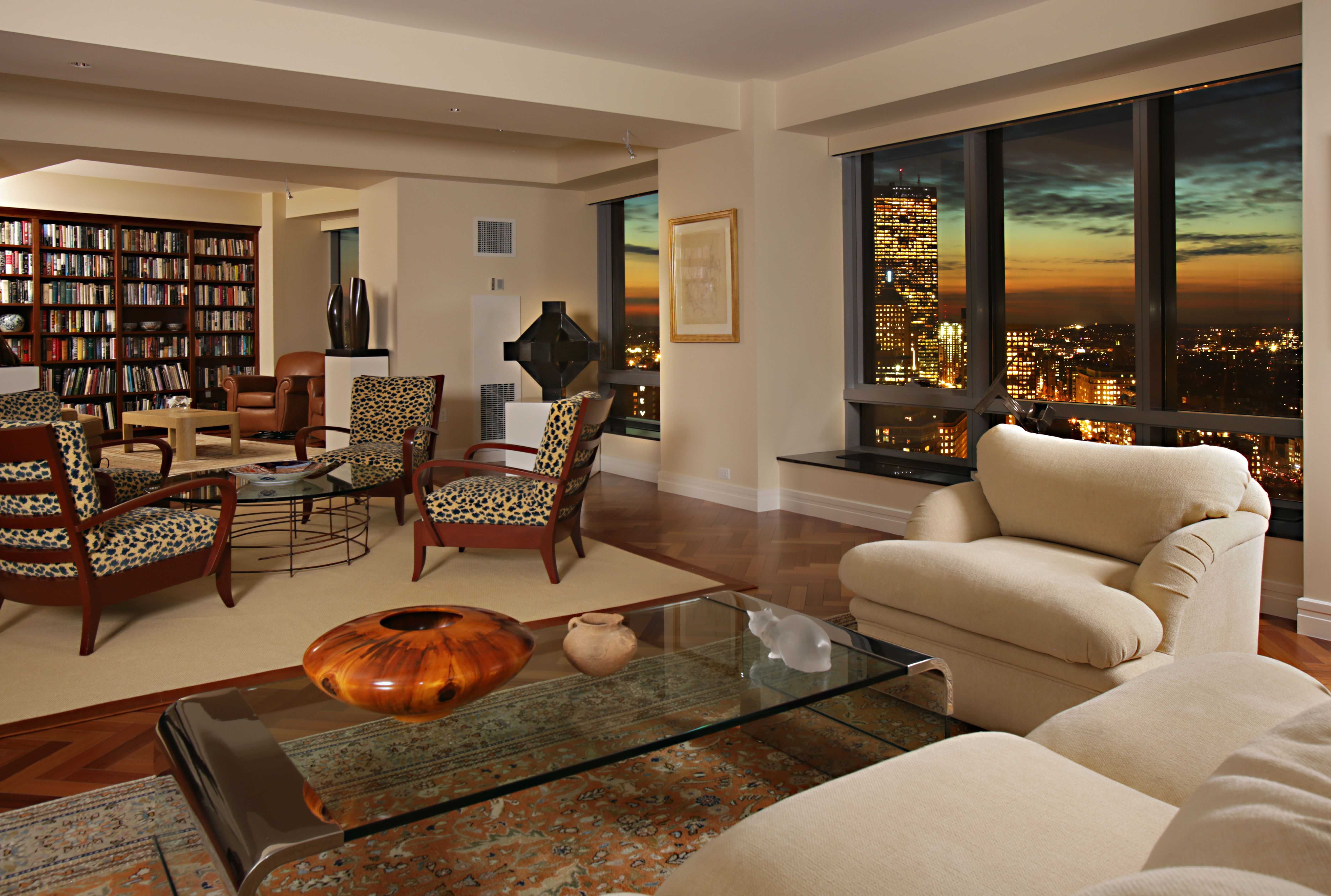
Living Room Design Ideas & Inspiration
Kumpulan Informasi, Tips dan Trik Terlengkap dan Terpercaya — explore curated ideas for sofas, storage, decor, and every style in between.
Explore Ideas →Get Design Inspiration
Tell us what you're looking for and we'll point you to the best articles.
How to Balance a Large Sectional with Other Furniture Pieces
A sprawling sectional brings effortless seating, but it can also dominate a room if the rest of the furniture isn't carefully considered. Many Australian homeowners choose generous L-shaped or U-shaped sofas to suit their open-plan living areas, yet find that the rest of the room starts to feel crowded, oddly empty, or visually lopsided. The good news is that balance comes down to a few reliable design principles rather than strict rules.
Whether you're styling a beachy bungalow in Byron Bay, a Victorian terrace in Melbourne, or a new build in the western Sydney growth suburbs, the same logic applies. Scale, contrast, and intentional negative space are what turn a sectional from a bulky object into the anchor of a beautifully layered room.
Reading the room before you buy
The first step is taking stock of your space rather than the sofa itself. Measure the room in metres, sketch the floor plan, and mark any fixed features such as windows, fireplaces, or sliding doors that open onto an alfresco area. In Australian homes, where indoor-outdoor flow is often a priority, a sectional sometimes needs to leave enough floor space near glass doors to maintain that connection to a deck or patio.
Aim to keep at least 90 centimetres of clear walkway between the sofa and other large pieces, and avoid pushing the sectional into a corner unless the room is genuinely small. A general rule of thumb is that a sofa should occupy around one-third of the longest wall. If it pushes past the halfway mark, you may need to rethink the layout, scale down the configuration, or remove an additional large piece somewhere else in the room.
Choosing companion pieces that don't compete
Once the sectional is in place, the next challenge is selecting side chairs, accent chairs, and tables that support rather than rival it. A pair of slim-line armchairs in a lighter fabric works beautifully opposite the chaise end, because they soften the bulk without adding visual weight. In a Brisbane open-plan home, for instance, two swivel chairs facing a media unit can balance a long modular sofa while keeping the conversation area flexible.
Coffee tables and side tables should follow the same logic. Choose a low, rectangular coffee table if your sectional is deep, or a pair of nesting tables if you'd rather keep the centre of the room open. Round side tables work especially well in tighter layouts, as they soften the hard lines of a large sofa and provide a landing spot for a cup of tea without intruding into the walkway. If you're after a curated set of accent pieces, browse accent furniture options that complement rather than compete with your main seating.
Mixing materials, textures, and wood tones
A large sectional often uses one strong material, such as heavy linen, leather, or a performance bouclé, so the rest of the room should bring variety. This is where wood tones, metals, glass, rattan, and ceramic pieces come into play. When mixing wood finishes, the goal is contrast without clashing. A blonde oak coffee table beside a walnut side table can feel layered and sophisticated, while two identical tones feel like an afterthought.
For homeowners wanting to dig deeper into the art of combining timber finishes, the guide to mixing wood tones in living room furniture without clashing breaks down the undertones, grain patterns, and balance ratios that designers use. Australian timbers such as Tasmanian oak, blackbutt, and spotted gum tend to have warm, honeyed undertones that pair easily with painted finishes in shades of Dulux Natural White or Wattyl Shallows, both popular choices in local showrooms.
Rugs, lighting, and zoning the space
Rugs are one of the most powerful tools for grounding a large sectional. Choose a rug that is wide enough so the front legs of the sofa sit comfortably on it, ideally extending at least 30 centimetres beyond the edges of your seating arrangement. In a long, narrow living room, two rugs can help divide the space into clear zones, while in a square plan, one large rug keeps the eye anchored.
Lighting also plays a balancing role. A statement floor lamp behind the chaise, a pair of table lamps on a low credenza, and a central pendant or flush-mount ceiling light work together to spread brightness evenly across the room. Australian homes often rely on downlights as the main source, so adding layered lamps balance the sectional while reducing the harsh overhead glare during the cooler winter months when the sun sets early. Sconces on either side of a media unit or a piece of art can further ground the space.
Styling, accessories, and final adjustments
The finishing touches are what make a room feel intentional. Cushions in two or three complementary fabrics, a chunky throw tossed over the corner of the chaise, and a tray of books or a ceramic vessel on the coffee table all help break up the expanse of upholstery. Artwork hung at eye level above the sectional, with the bottom of the frame sitting 15 to 25 centimetres above the backrest, ties the seating to the wall behind it.
Greenery is another easy way to soften a large sofa, and it suits the relaxed Australian indoor-outdoor aesthetic. A tall fiddle leaf fig in a woven basket, a cluster of potted palms near a window, or a small trailing plant on a side table introduces life and movement. Once everything is in place, walk the room several times from different angles, sit down as if a guest has just arrived, and adjust anything that feels out of proportion or crowded.
| Layout style | Best for | Companion furniture | Visual effect |
|---|---|---|---|
| L-shape with opposite armchairs | Standard living rooms | Pair of accent chairs, rectangular coffee table | Balanced and conversational |
| U-shape with ottoman | Large family rooms | Ottoman, two slim side tables | Cosy and enclosed |
| Long sectional + side chair cluster | Open-plan spaces | One accent chair, bench, nesting tables | Flexible and airy |
| Sectional + dining suite | Combined living and dining | Six-seater table, console behind sofa | Zoned but cohesive |
| Sectional with chaise only | Smaller lounges | Round side table, floor lamp | Streamlined and relaxed |
Explore more living room guides, product spotlights, and styling inspiration on Sibabeh to keep curating the pieces that make your space feel balanced, layered, and unmistakably yours.
What We Cover
Living Room Topics & Ideas
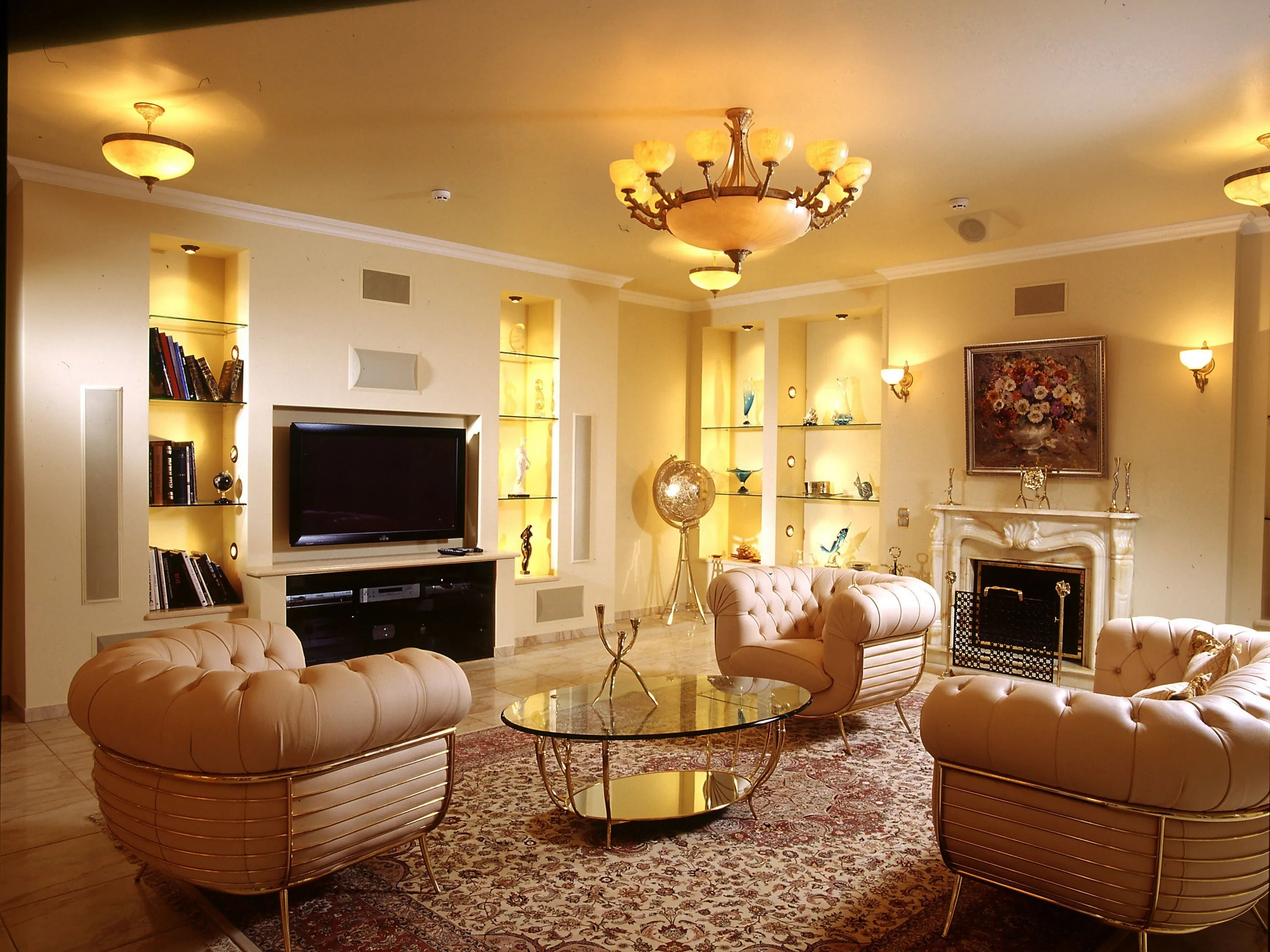
Luxury Living Room Furniture
High-end pieces spanning modern, neo-classical, and Italian Gothic styles — craftsmanship, leathers, and refined artistry.
Read More →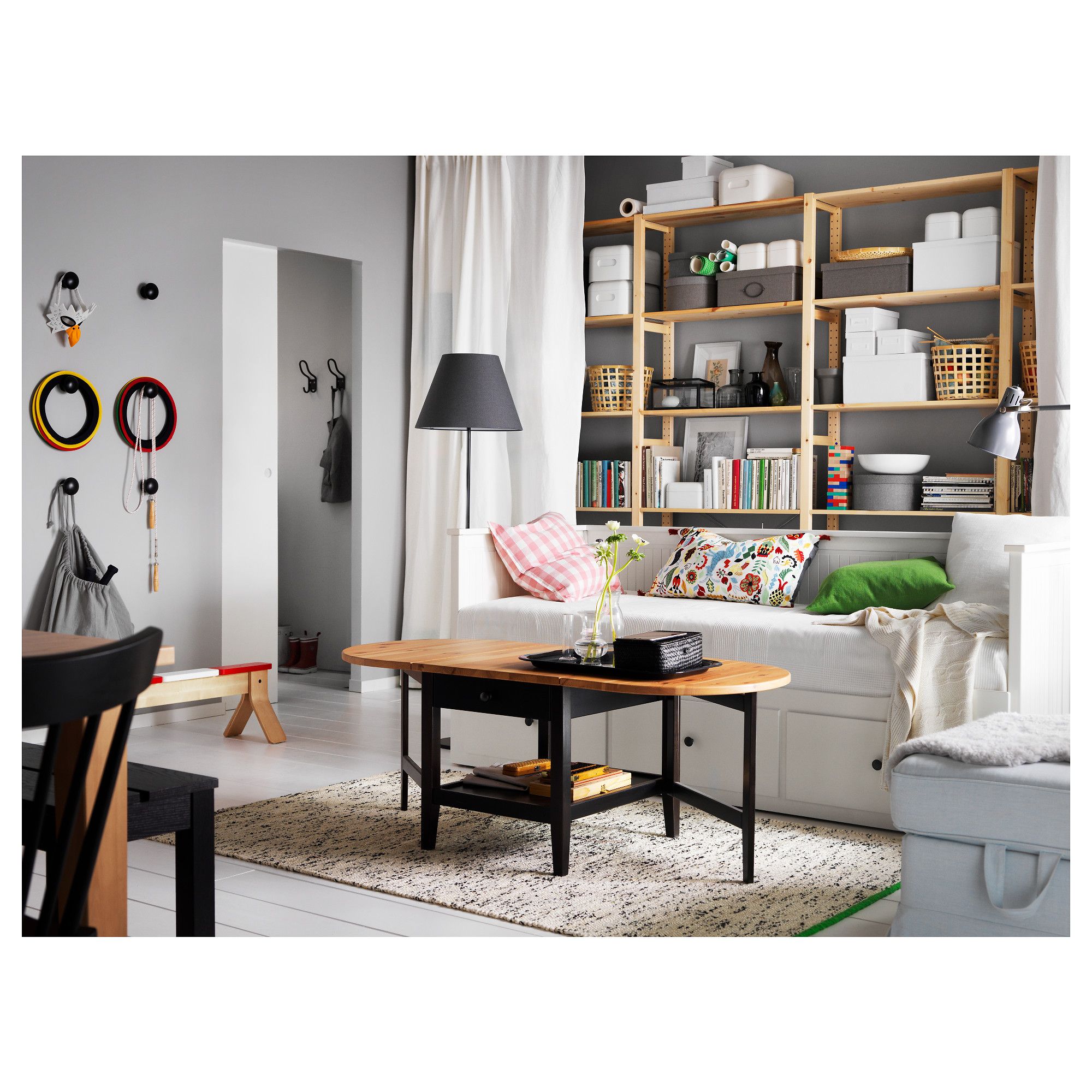
White Living Room Storage Cabinets
Sideboards, curio cabinets, and high-gloss storage units that blend practical organization with decorative appeal.
Read More →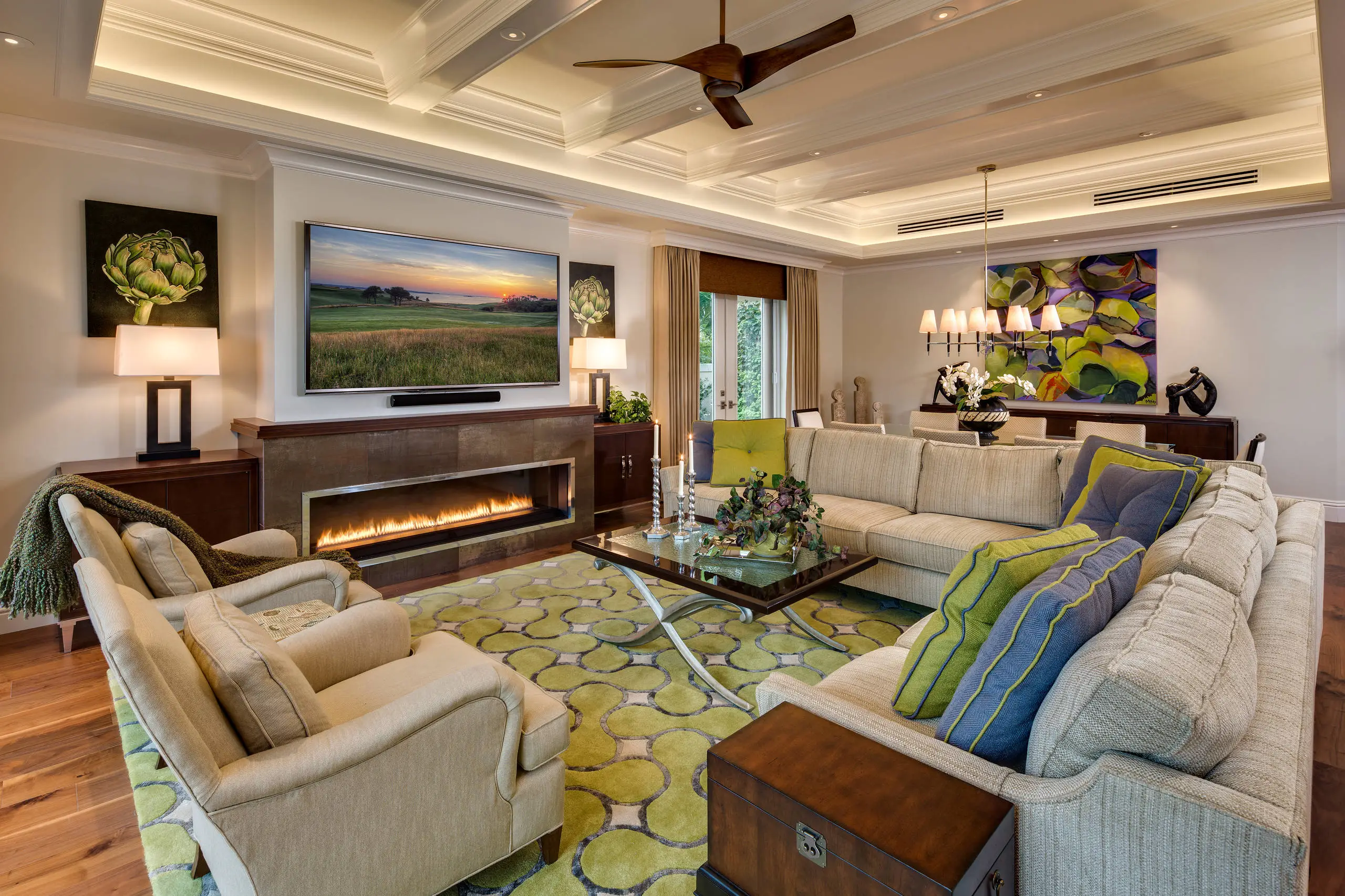
Living Room Decor Essentials
Rugs, pillows, art, lamps, and accent pieces that add layers of color, texture, and personality to any living space.
Read More →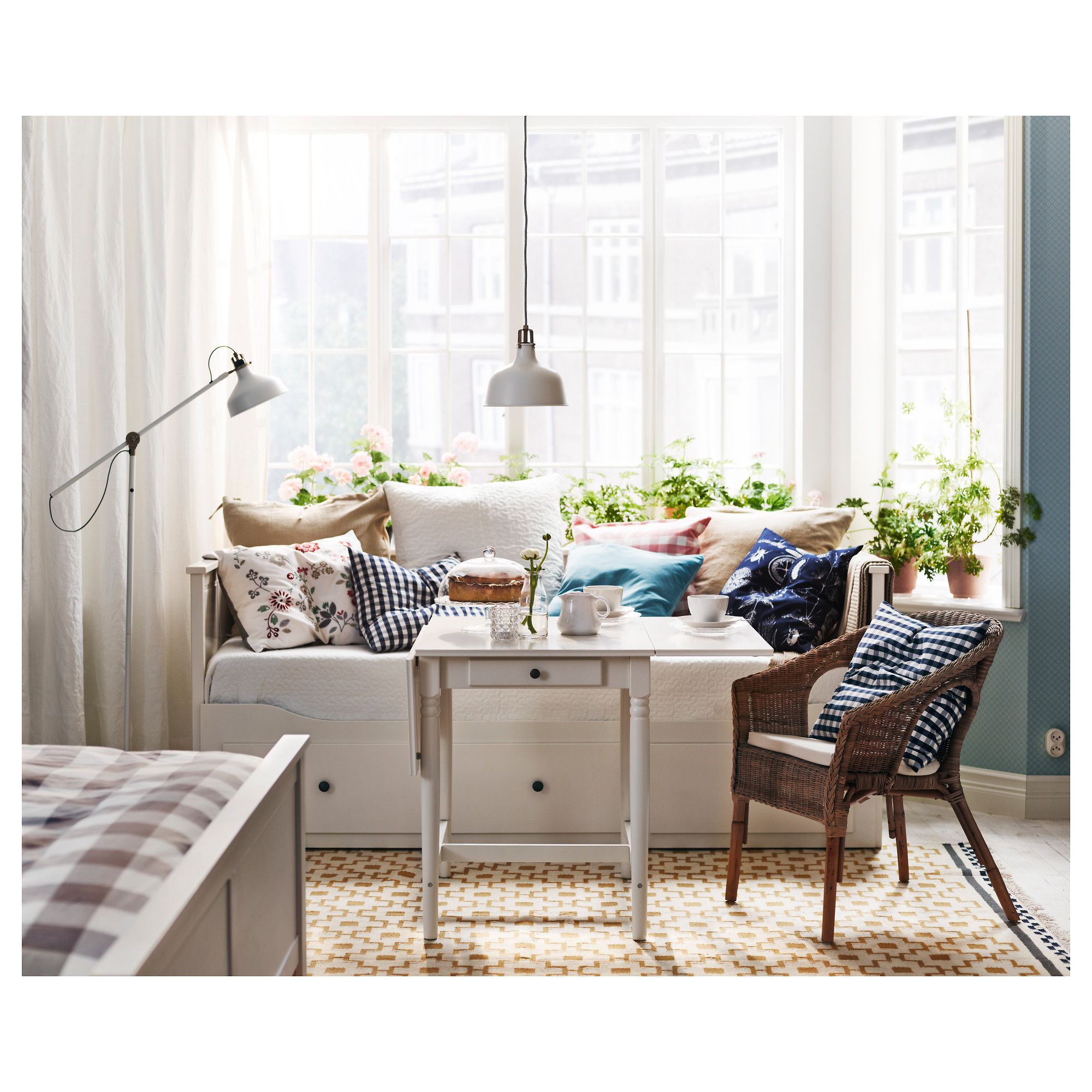
Natural Living Room Decor
Earthy elements, house plants, rustic touches, and organic materials that bring warmth and nature indoors.
Read More →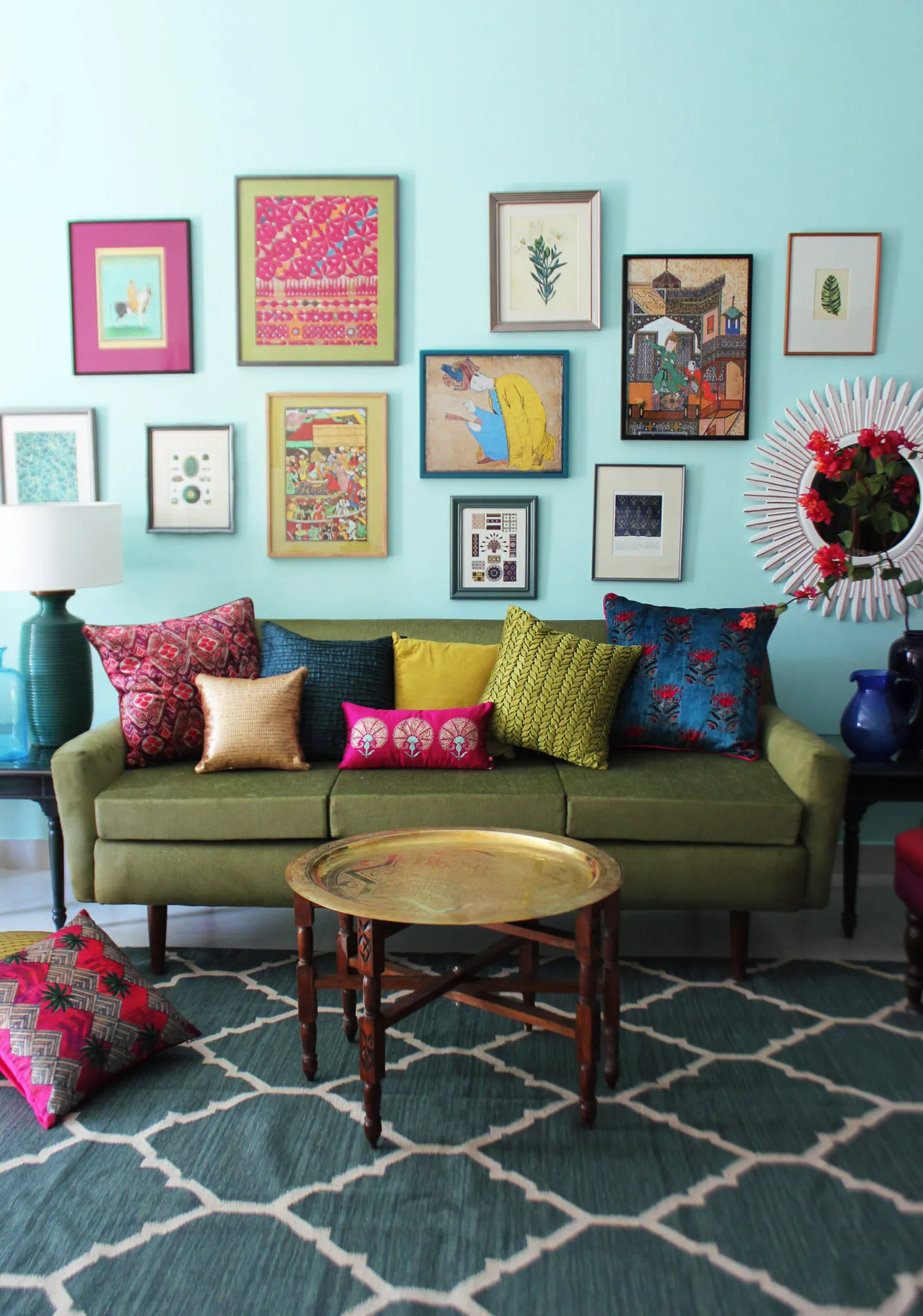
Living Room Ideas: Velvet Sofa
From classic red to trending green and blue, explore how a velvet sofa can transform your living room's character.
Read More →