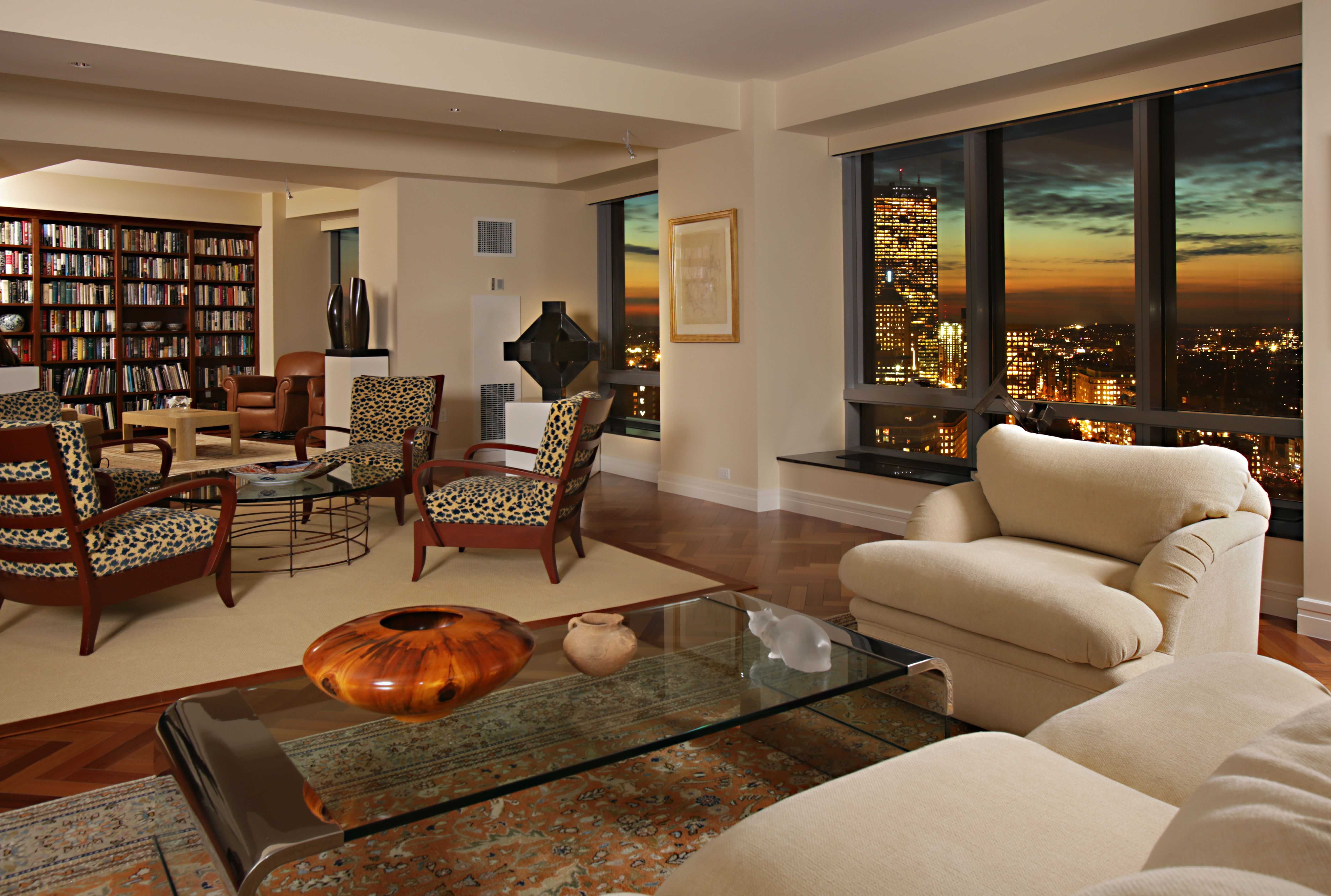
Living Room Design Ideas & Inspiration
Kumpulan Informasi, Tips dan Trik Terlengkap dan Terpercaya — explore curated ideas for sofas, storage, decor, and every style in between.
Explore Ideas →Get Design Inspiration
Tell us what you're looking for and we'll point you to the best articles.
Crafting a Symmetrical Living Room Layout for Formal Sophistication
A symmetrical living room layout carries an unmistakable sense of order. Pairs of matching lamps, identical armchairs, and balanced artwork create a visual rhythm that feels calm, considered, and quietly impressive. For homeowners who entertain often or simply prefer a refined aesthetic, this kind of arrangement can transform an everyday lounge into a room that reads as classical and pulled together.
Achieving true symmetry is less about duplicating every piece and more about reading the room's central axis. A well-planned approach considers the focal point, the placement of each major piece of furniture, and the smaller accents that reinforce balance. Across Australia, where homes range from compact Sydney apartments to sprawling Queenslander houses in Brisbane, a symmetrical layout can be scaled to suit almost any footprint when planned with care.
Understanding Symmetry in Formal Living Spaces
Symmetry in interior design refers to the mirroring of elements around an imaginary central line. When objects on one side of a room are echoed on the other in size, shape, or visual weight, the eye registers the space as orderly. This is why formal drawing rooms, hotel lobbies, and traditional living rooms tend to use the technique: the brain reads balance as stability, and stability reads as elegance.
In Australian homes, the style pairs naturally with architecture that already has classical bones. A Victorian terrace in Melbourne's inner suburbs, with its tall skirting boards and centred fireplace, almost begs for matching sofas and twin standard lamps. A Federation bungalow on Sydney's north shore, with its decorative ceiling rose and bay windows, lends itself to similar treatment. Even a heritage Queenslander in Brisbane, with its wide hallway and generous proportions, can be anchored by a strong central axis that supports the rest of the design.
Selecting a Central Focal Point
Every symmetrical layout begins with a focal point that anchors the central axis. In many Australian homes this might be a fireplace, a large window framing a view, or a substantial piece of art. The focal point should sit exactly on the room's midline so that everything else can be arranged to mirror it.
Choosing art for the central wall is often the most expressive decision in the room. Pieces should be proportionate to the wall and to the surrounding furniture, and the colours should harmonise with the broader palette. If you are weighing your options, this guide on matching artwork and colour walks through proportion, framing, and tonal balance in detail. Once the focal point is set, the remaining elements can be measured outward from its centre.
In homes with harbour views or bushland outlooks, the window itself can act as the focal point. Arranging seating to face it rather than compete with it preserves the symmetry and lets the landscape become the artwork.
Arranging Furniture in Mirror-Image Pairs
The most direct way to create symmetry is through matched seating. Two identical sofas facing each other across a centred coffee table is the classic configuration, but pairs of armchairs, occasional chairs, or a sofa with two matching tub chairs work just as well. Whatever the pairing, each piece should sit at the same distance from the central axis and at the same angle to the focal point. Even small differences in setback will read as imbalance once the eye notices them.
A rectangular or oval coffee table centred between the seating helps lock in the arrangement. Side tables should be placed on the outer flanks, each carrying the same lamp, the same stack of books, or the same small decorative object. This repetition is what gives the room its formal character. Australian retailers such as Freedom Furniture, Temple & Webster, Domayne, and Adairs all stock matching occasional tables and lamps, making it straightforward to source true pairs rather than approximations.
When the room is smaller, as in many Sydney apartments or compact Melbourne terraces, scale the furniture down rather than abandon the principle. A pair of slim-arm occasional chairs can replace full sofas, and a narrow console can take the place of a bulky sideboard while preserving the mirrored arrangement.
Lighting, Rugs, and Accessories for Visual Balance
Lighting is one of the most effective tools for reinforcing symmetry. Twin table lamps on flanking side tables, identical wall sconces beside a fireplace, or matching pendants over a coffee table all underline the central axis. Even the height at which curtains are hung should be identical on both sides, and plantation shutters, popular across Australian homes for their ability to manage harsh sunlight, should be installed to mirror one another across each window.
A rug grounds the seating arrangement and should be centred beneath the coffee table. The edges of the rug should sit an equal distance from the walls on both sides, and the front legs of the main seating pieces should rest on the rug while the back legs sit on the floor. This classic positioning ties the symmetrical grouping together without crowding the room.
Accessories are the final layer. Pair matching vases on the mantelpiece, twin candlesticks on the side tables, or two framed prints above matching consoles. Avoid odd numbers of objects in any one zone, as a single item on one side will always read as a missing partner.
Working with Australian Homes and Regulations
Adapting a symmetrical layout to Australian conditions requires a few local considerations. North-facing rooms in cities like Perth, Adelaide, and Brisbane receive intense sunlight, so window treatments should be chosen for both symmetry and performance. Layered sheer curtains with blockout linings hung at identical heights can manage glare while preserving the formal look.
Heritage rules can also shape what is possible. Many inner-Sydney neighbourhoods and several Melbourne precincts sit within heritage overlays that restrict external modifications and sometimes internal ones. Symmetrical arrangements suit these homes well because they rely on furniture and decor rather than structural change. For apartments, body corporate rules often govern anything attached to common property, including external window furnishings and balcony balustrades, so choose freestanding pieces and removable fittings.
Under the National Construction Code, any structural change, new window, or modified balustrade must meet current safety standards. A symmetrical layout avoids most of these triggers by working with the existing architecture. In compact city living, this is a real advantage: you can refresh the room with matching pieces, layered lighting, and a carefully centred rug without permits, inspections, or lengthy approvals.
| Layout Style | Visual Effect | Best Suited To | Furniture Approach | Maintenance |
|---|---|---|---|---|
| Symmetrical | Formal, calm, traditional | Heritage homes, entertaining rooms, classic interiors | Matched pairs on a central axis | Easy to refresh by swapping one pair |
| Asymmetrical | Relaxed, eclectic, contemporary | Modern apartments, casual family rooms | Varied objects balanced by visual weight | Harder to edit without breaking balance |
| Radial | Cosy, conversational | Square rooms, snugs, compact lounges | Pieces angled toward a central point | Moderate, with even spacing critical |
| Grid-Based | Organised, modern | Studios, multi-use spaces | Furniture aligned to an invisible grid | Simple if measurements are precise |
A symmetrical living room rewards patience. Start with the focal point, build outward in matched pairs, and finish with carefully balanced lighting and accessories. Whether you are refreshing a Sydney apartment overlooking the harbour, restoring a Victorian terrace in Fitzroy, or settling into a Queenslander in Hawthorne, the principles remain the same. Take measurements, choose true matches, and let the central axis guide every decision. Browse Sibabeh.com for further inspiration and shoppable finds that make a formal, symmetrical layout achievable in any Australian home.
What We Cover
Living Room Topics & Ideas
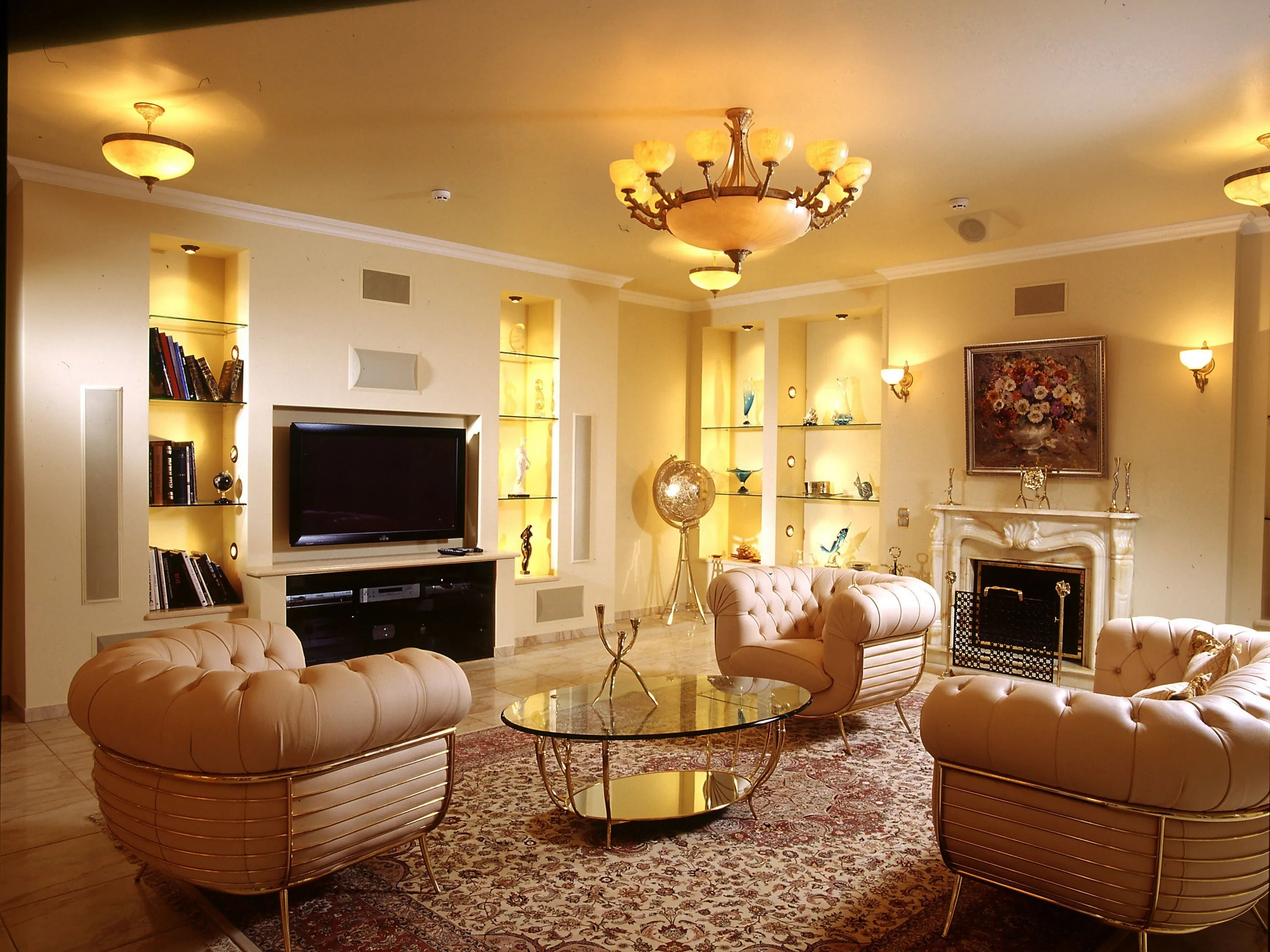
Luxury Living Room Furniture
High-end pieces spanning modern, neo-classical, and Italian Gothic styles — craftsmanship, leathers, and refined artistry.
Read More →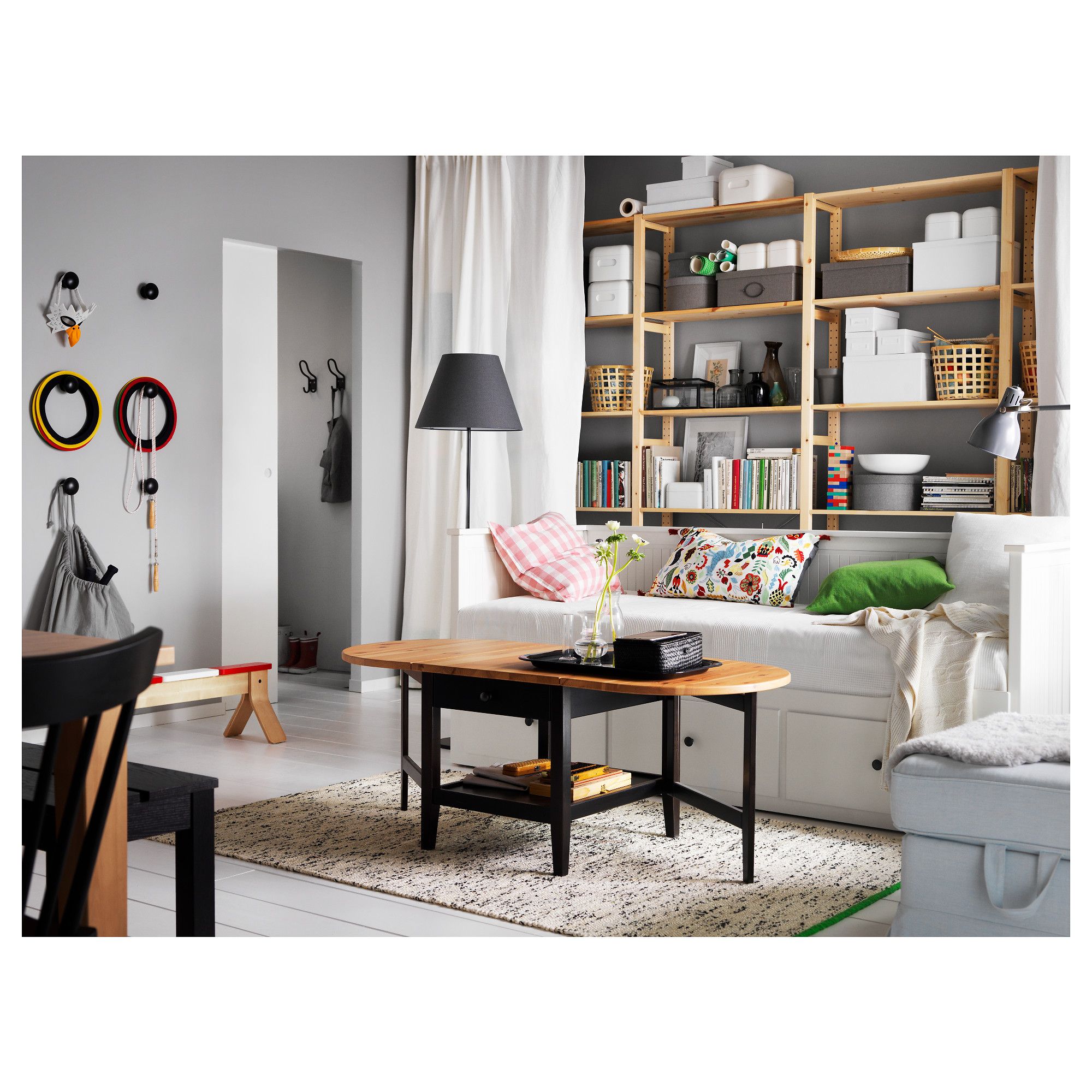
White Living Room Storage Cabinets
Sideboards, curio cabinets, and high-gloss storage units that blend practical organization with decorative appeal.
Read More →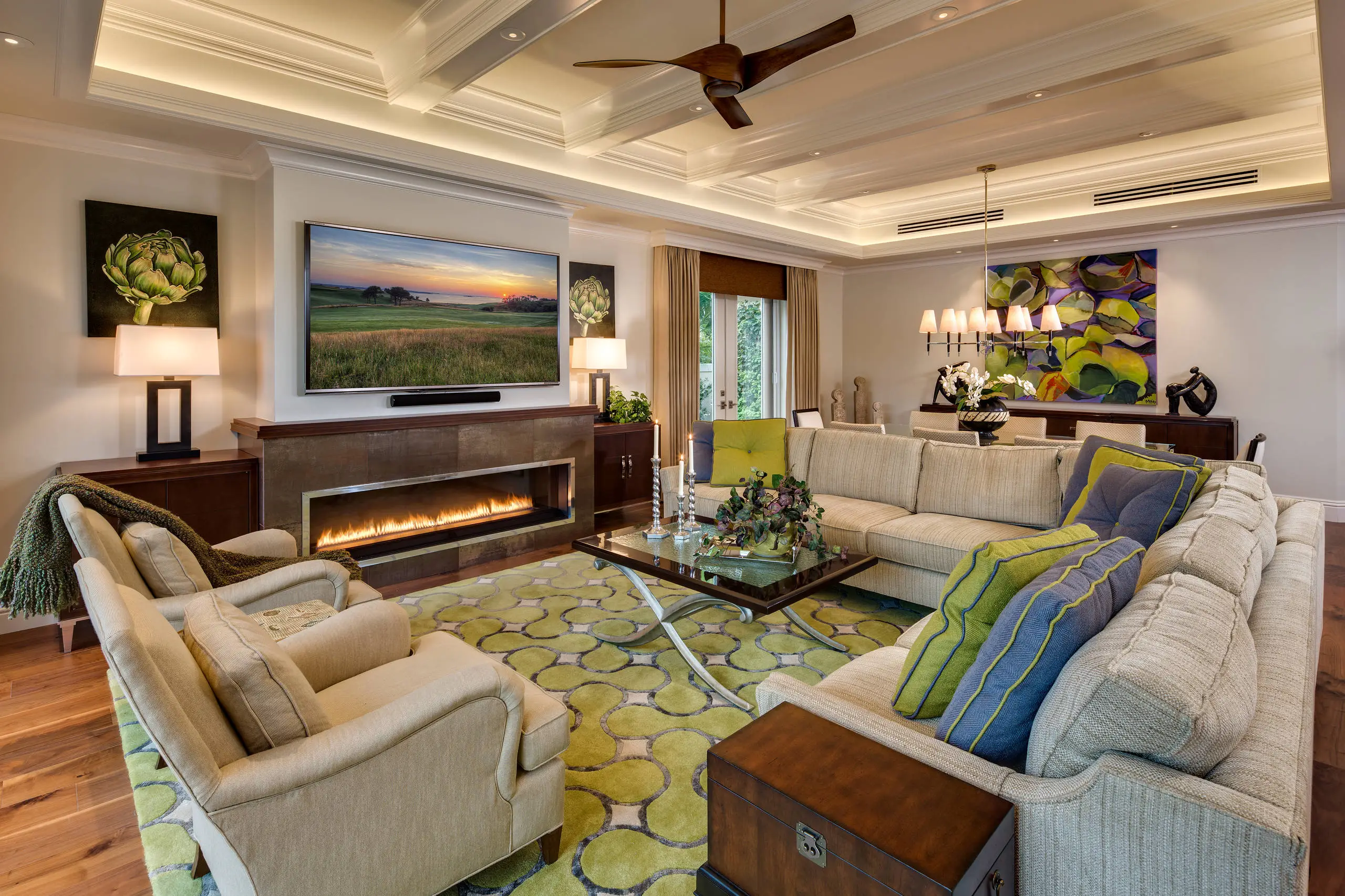
Living Room Decor Essentials
Rugs, pillows, art, lamps, and accent pieces that add layers of color, texture, and personality to any living space.
Read More →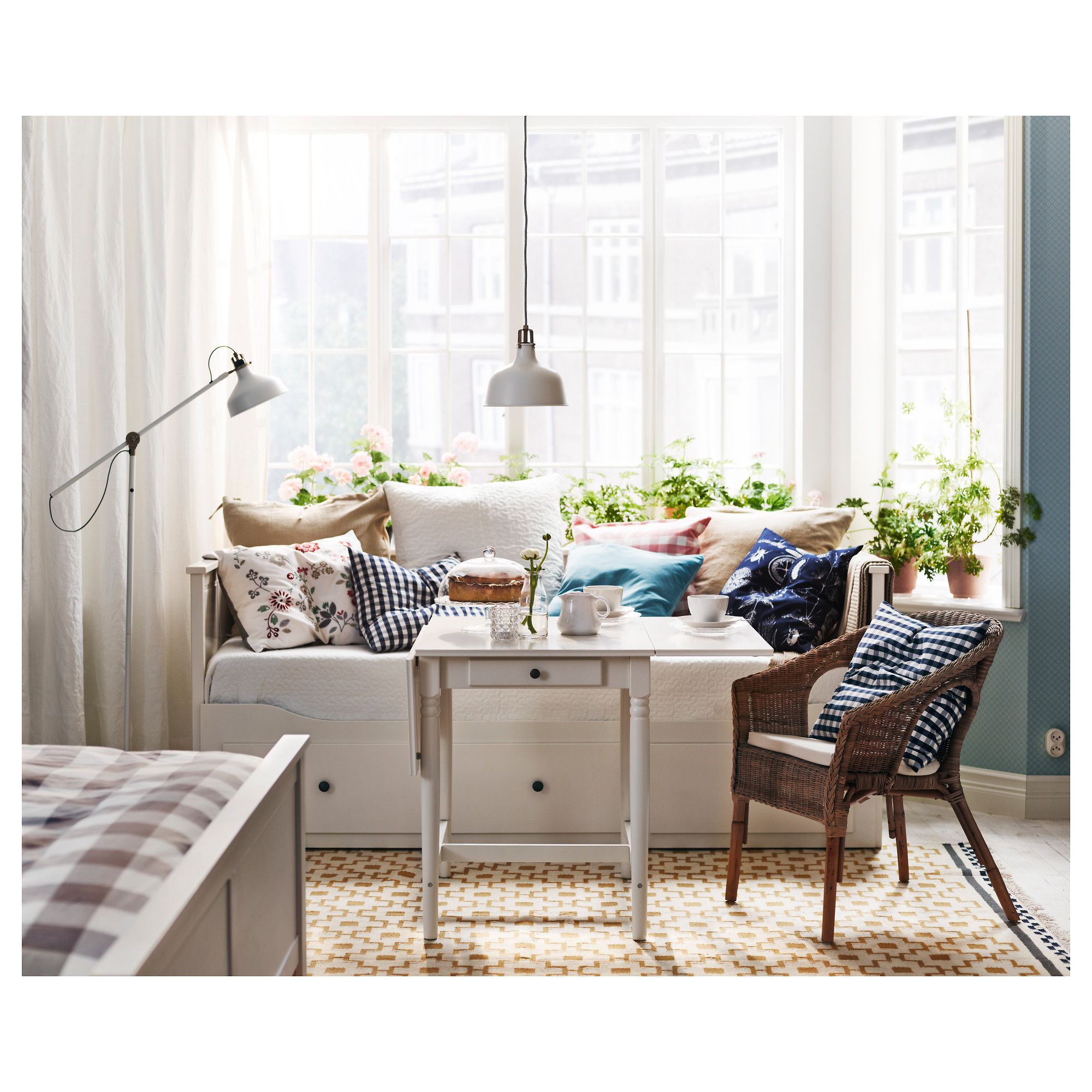
Natural Living Room Decor
Earthy elements, house plants, rustic touches, and organic materials that bring warmth and nature indoors.
Read More →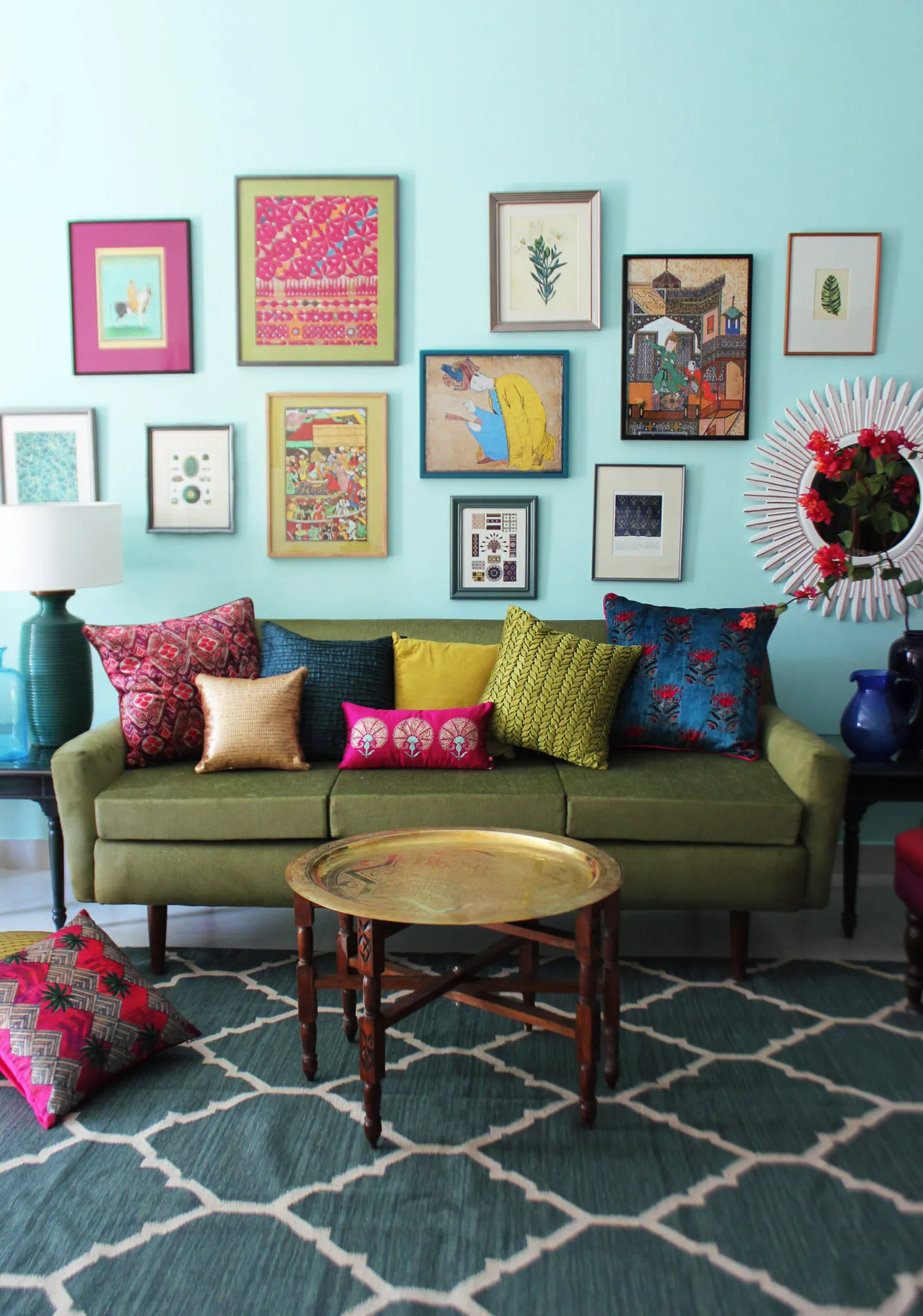
Living Room Ideas: Velvet Sofa
From classic red to trending green and blue, explore how a velvet sofa can transform your living room's character.
Read More →