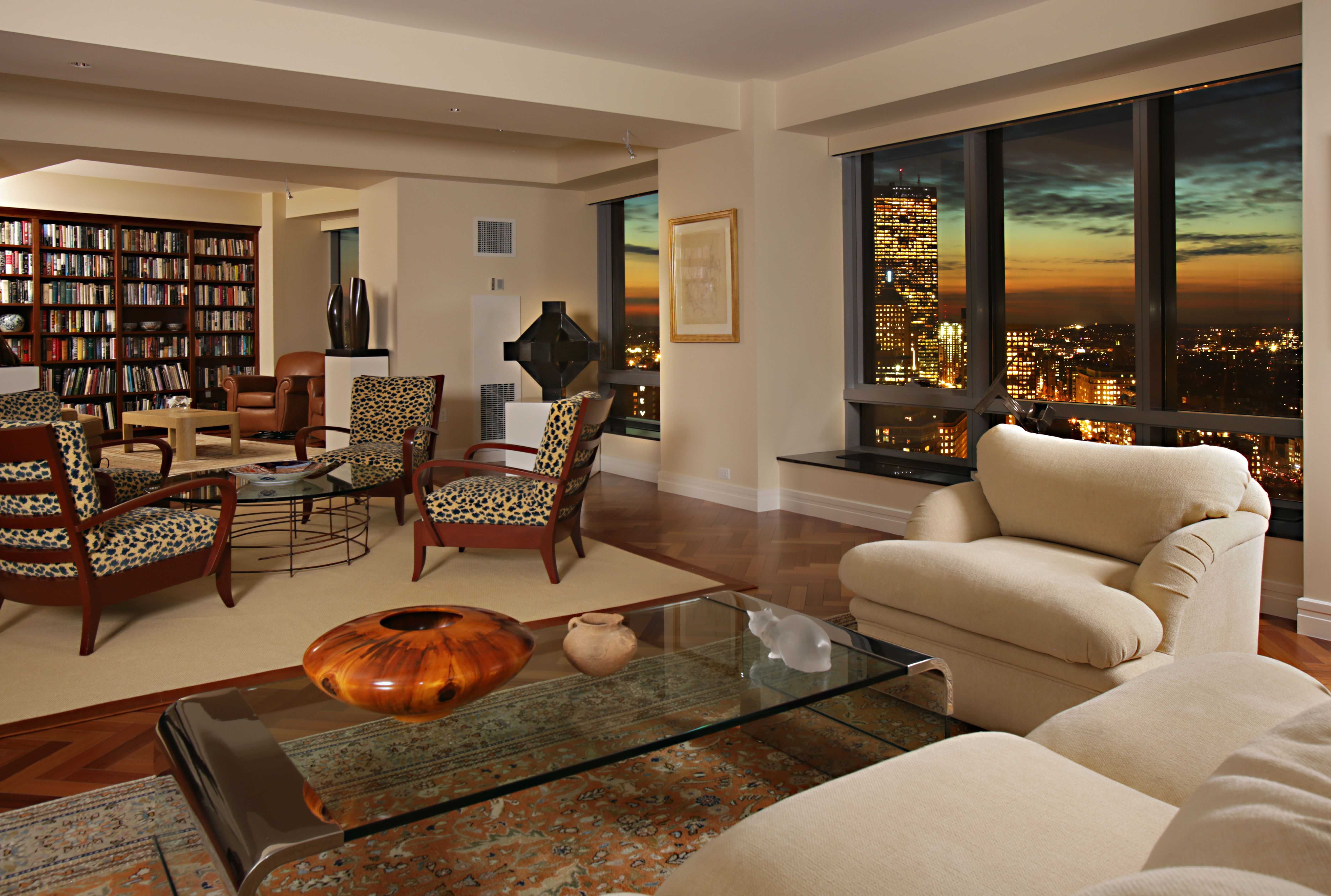
Living Room Design Ideas & Inspiration
Kumpulan Informasi, Tips dan Trik Terlengkap dan Terpercaya — explore curated ideas for sofas, storage, decor, and every style in between.
Explore Ideas →Get Design Inspiration
Tell us what you're looking for and we'll point you to the best articles.
Choosing the Right Width for a Sofa Table Behind a Couch
A sofa table behind the couch is more than a surface for a lamp and a few books. It anchors the back of the seating zone, defines the lounge within an open-plan layout, and gives the room a finished, layered look. In Australian homes, particularly the open living areas common in Sydney and Brisbane, this piece often doubles as a visual divider between the lounge and a dining space or hallway.
The width of that table shapes how comfortable the room feels, how easily you can reach for a drink, and whether the space reads as balanced or cluttered. Getting it wrong is one of the most common missteps in living room planning, yet many people choose a console based on looks alone without measuring first.
From compact apartments in Melbourne's inner suburbs to sprawling family homes in Perth, the principles stay consistent: the table needs to suit the sofa, the room, and the way the household actually uses it. The right width comes down to proportions, function, and the visual weight of everything around it.
| Sofa Type | Recommended Table Width | Ideal Room Size | Practical Notes |
|---|---|---|---|
| Two-seater (140–180 cm) | 120–160 cm | Small apartments, inner-city studios | Keeps narrow rooms feeling open |
| Three-seater (180–230 cm) | 160–220 cm | Medium family lounges | Matches the main seating zone |
| Large three-seater (230–280 cm) | 200–260 cm | Open-plan living areas | Anchors the back of the sofa |
| Sectional (over 280 cm) | 240–300 cm | Spacious family homes | Doubles as a soft room divider |
Why Sofa Table Width Shapes the Whole Room
Width influences how the eye travels around the space. A console that is too wide swallows the back of the sofa and makes the room feel cramped, while a table that is too narrow looks like an afterthought, floating behind a much larger piece. Australian interiors tend to lean toward neutral palettes and natural materials, so the proportions of furniture carry extra visual weight.
A wide table also changes the function of the sofa. If the surface juts past the cushions, it stops feeling like a back-of-sofa perch and starts competing with side tables for attention. Choosing the right width keeps the sofa as the hero and lets the table quietly support it.
The Golden Rule for Sofa Table Width
The most reliable guideline is to match the sofa's width or go slightly narrower. A simple formula works well in most Australian lounges: aim for a table that is at least as wide as the sofa frame, up to 20 cm less, so it sits cleanly within the silhouette without poking out at either end.
Going much narrower than the sofa creates awkward negative space at the corners and makes the setup look unfinished, while going much wider pushes the table into the walkway and visually overpowers the seating zone. Measuring the sofa from arm to arm is the easiest way to start. For a standard three-seater around 200 cm wide, a console between 170 cm and 200 cm usually feels balanced. For a compact two-seater closer to 150 cm, a table around 130 cm to 150 cm keeps the proportions tidy.
Measuring Your Sofa, the Room, and the Walkway
Before choosing a width, measure three things: the sofa frame, the wall or area behind it, and the walkway that runs past the back of the table. In Australian homes, designers usually recommend at least 90 cm of clearance behind a sofa so people can move past without brushing the table.
Also measure the depth of the sofa. A deeper lounge seat often pairs better with a slightly narrower table, because the cushions already extend a long way forward. If the table sits flush with a power outlet, leave at least 15 cm between the back edge of the table and the wall so plugs and cables fit comfortably.
Doorways, hallway openings, and adjacent furniture all matter. In Brisbane Queenslanders and older Melbourne terraces, the back of the sofa is often close to a hallway or dining area, so the table must leave room for foot traffic without becoming an obstacle.
Sofa Styles and Matching Widths in Australian Homes
Different sofa styles call for different table widths. A slim two-seater, popular in Sydney apartments and inner-city studios, looks best with a console that does not extend past the arms, while a deep, plush three-seater suits a table wide enough to balance the visual weight of the cushions. Sectional sofas, common in larger open-plan homes in Perth and Adelaide, often need longer consoles that follow the L-shape or run along the back of the longer section. Modular sofas from retailers like Freedom, Domayne, or Temple & Webster come in many configurations, so the table width should be planned around the specific layout rather than the showroom display.
If the sofa has a low back, a slightly wider table can frame the seating zone. If the sofa has a tall back, a narrower console keeps the silhouette from feeling top-heavy.
Functionality and Daily Use
Width affects what the table can actually hold. A console around 35 cm to 40 cm deep is enough for a lamp, a small tray, and a few books, but the width decides how many of those items can sit side by side without crowding. In busy family homes, a wider table makes it easier to keep drinks, remotes, and table lamps within reach.
Think about the everyday routine. If the sofa faces a television, the table often holds a soundbar, candles, or decorative objects. If the sofa floats in the middle of the room, the table becomes a drop zone for keys, mail, and a reading lamp. Width should reflect these habits rather than a generic showroom look.
The colour of the sofa also plays a quiet role here, because a busy fabric near the table can make the whole setup feel cluttered. Choosing a tone that hides everyday wear helps the eye rest, especially when the table behind it carries decorative objects.
Materials, Wood Tones, and Visual Weight
The material of the table changes how wide it can comfortably feel. A heavy timber console reads as solid and grounded, so a slightly narrower width often looks better in a compact room. A slim metal or glass console feels lighter and can be a little wider without overwhelming the space.
In Australian homes, where oak, blackwood, and Tasmanian timber are popular, the table's finish should work with the rest of the living room. Carefully mixing wood tones without clashing takes a bit of planning, especially when the sofa table sits near a timber TV unit, bookshelf, or dining setting.
Common Mistakes to Avoid Behind the Sofa
One of the most common errors is choosing a table wider than the sofa. This blocks walkways and forces the table to sit awkwardly past the arms. Another frequent slip is ignoring the height of the sofa back. A table that is too tall hides decorative items behind the cushions, while a table that is too low looks disconnected.
Australians also sometimes underestimate room depth. A wide table behind a deep sofa in a narrow loungeroom can leave only a few centimetres of walkway, which quickly becomes frustrating in a busy household. Always measure the gap between the back of the sofa and the wall before settling on a width.
Once the width feels right, the rest of the styling tends to fall into place. A sofa table that matches the proportions of the couch and the room turns the back of the sofa into a useful, attractive surface rather than an empty strip. Take the measurements, choose a width that suits both the sofa and the walkway, and explore the Sibabeh journal for more ways to style the back of the couch.
What We Cover
Living Room Topics & Ideas
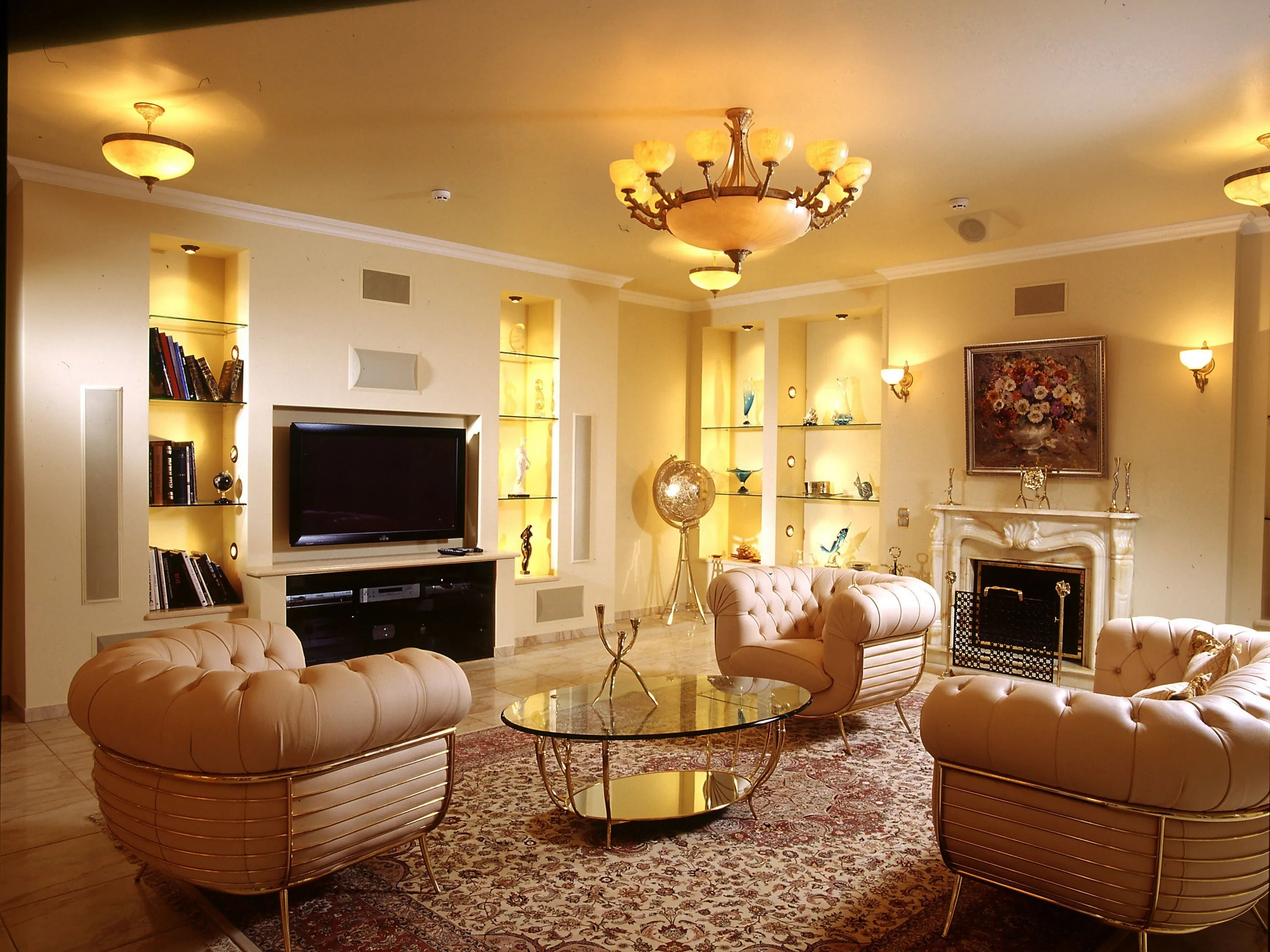
Luxury Living Room Furniture
High-end pieces spanning modern, neo-classical, and Italian Gothic styles — craftsmanship, leathers, and refined artistry.
Read More →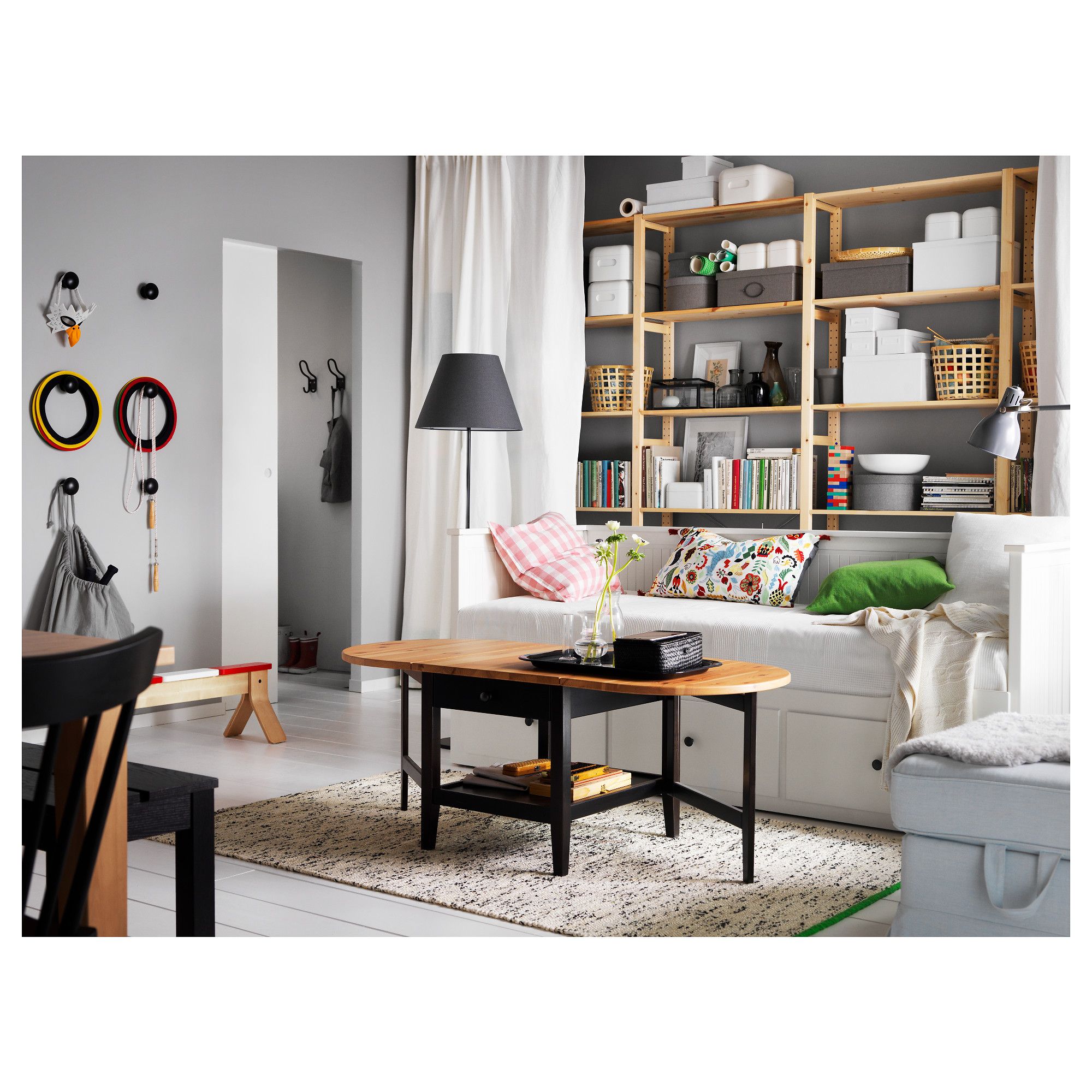
White Living Room Storage Cabinets
Sideboards, curio cabinets, and high-gloss storage units that blend practical organization with decorative appeal.
Read More →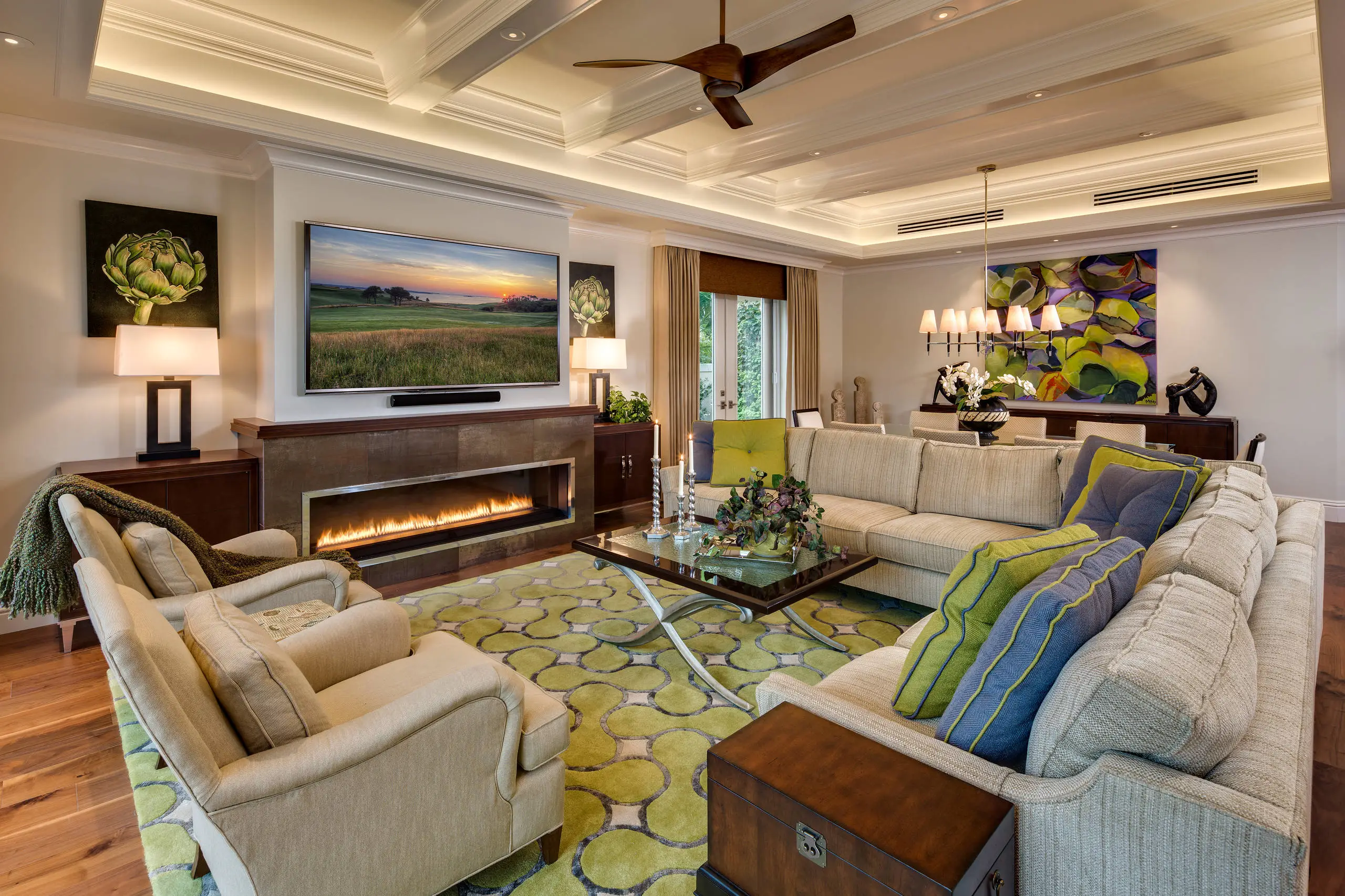
Living Room Decor Essentials
Rugs, pillows, art, lamps, and accent pieces that add layers of color, texture, and personality to any living space.
Read More →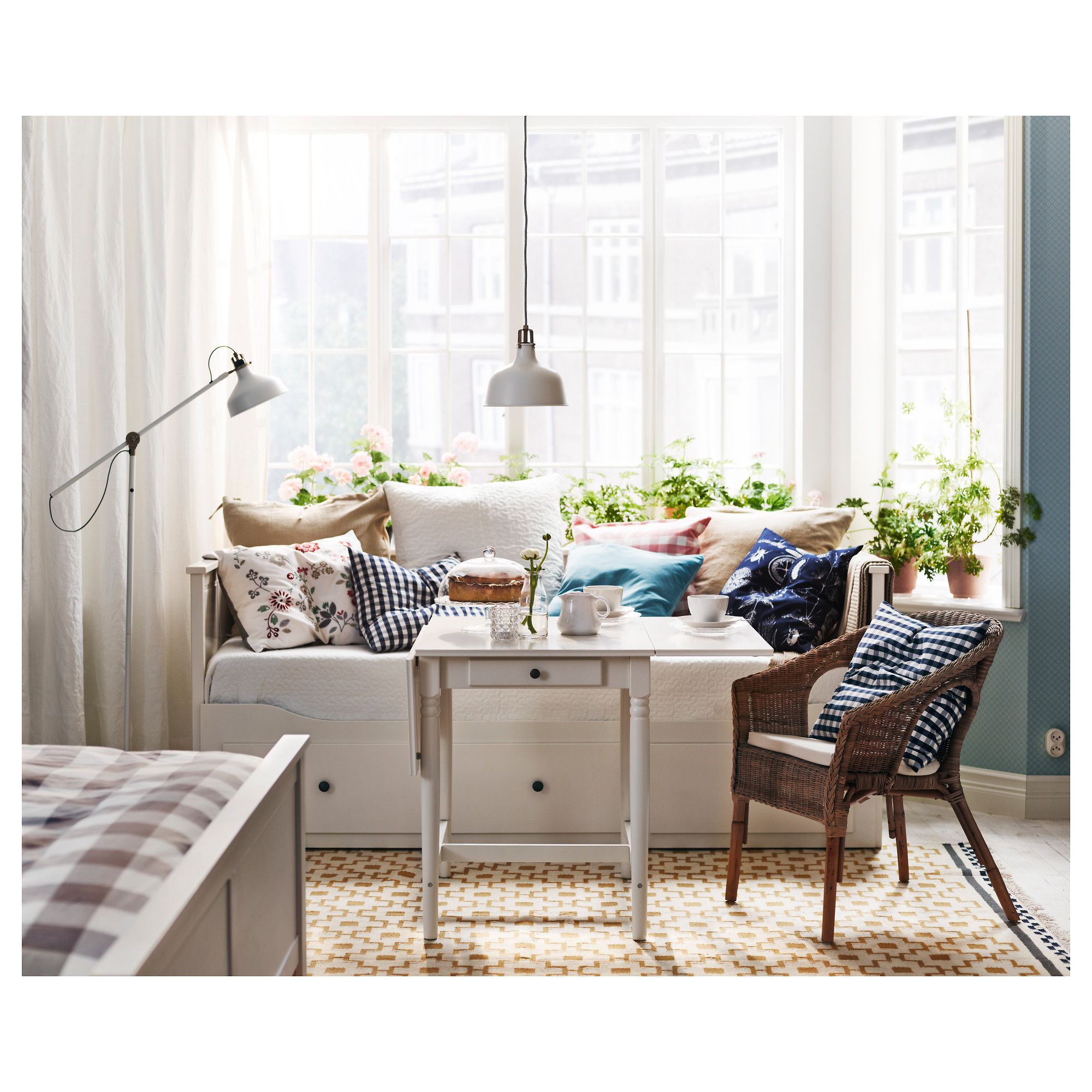
Natural Living Room Decor
Earthy elements, house plants, rustic touches, and organic materials that bring warmth and nature indoors.
Read More →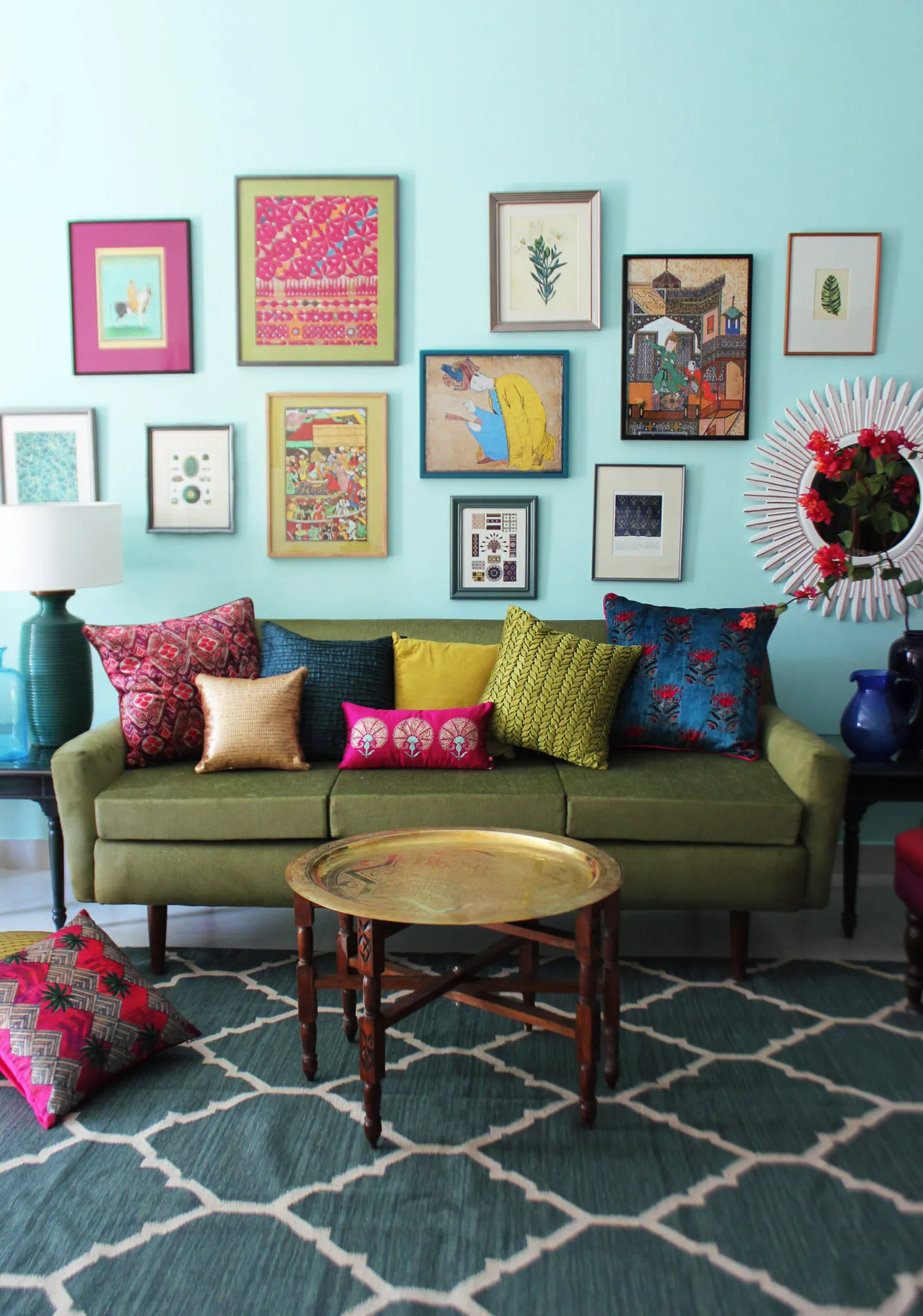
Living Room Ideas: Velvet Sofa
From classic red to trending green and blue, explore how a velvet sofa can transform your living room's character.
Read More →