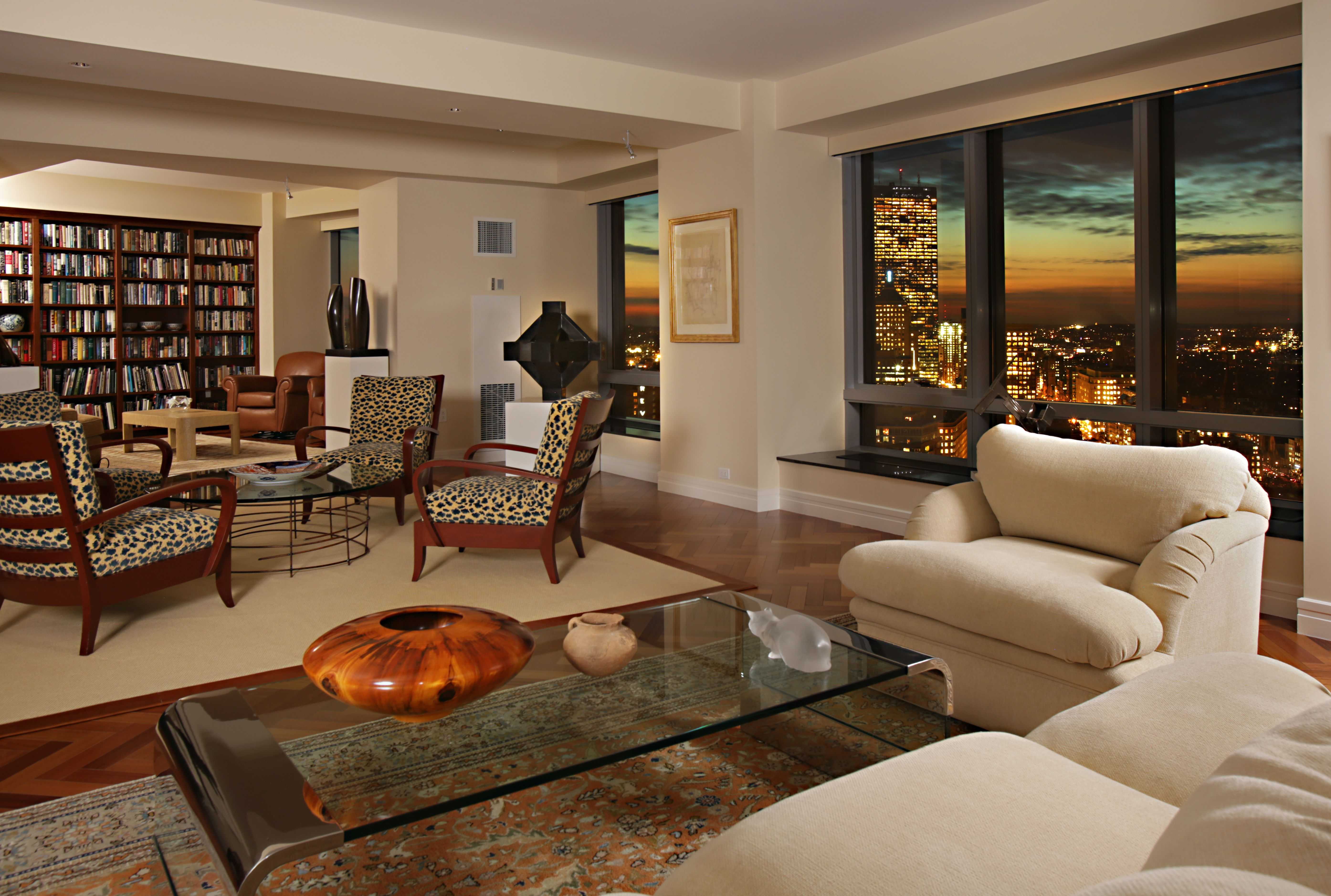
Living Room Design Ideas & Inspiration
Kumpulan Informasi, Tips dan Trik Terlengkap dan Terpercaya — explore curated ideas for sofas, storage, decor, and every style in between.
Explore Ideas →Get Design Inspiration
Tell us what you're looking for and we'll point you to the best articles.
How to Combine Open and Closed Storage in a Living Room
A successful living room needs storage for everyday life, yet too many cupboards can make the space feel heavy. Open shelving adds personality and makes favourite objects easy to reach, while closed cabinets conceal cables, paperwork, toys and the other practical items that gather around a busy home.
The best approach is to give each storage style a clear role. Display open shelves with restraint, then use doors, drawers and baskets for anything that looks untidy or needs protection from dust. This balance creates a room that feels considered without becoming overly staged.
Australian homes often need flexible solutions for open-plan layouts, compact apartments and rooms that serve several purposes. Whether you are furnishing a Sydney unit, a Melbourne terrace or a family home in Brisbane, combining visible and concealed storage can improve both appearance and daily function.
| Storage option | Main benefit | Best for | Keep in mind |
|---|---|---|---|
| Open shelving | Adds character and visual interest | Books, artwork, plants and ceramics | Needs regular editing and dusting |
| Closed cabinetry | Hides clutter and protects belongings | Electronics, toys, documents and games | Can look bulky if poorly scaled |
| Drawers | Offers quick access without visual mess | Remotes, chargers and small items | Choose strong runners for frequent use |
| Baskets and boxes | Softens shelves and groups loose items | Throws, magazines and children’s belongings | Matching sizes create a calmer look |
| Low sideboards | Provides generous storage without blocking views | Dining pieces, media equipment and decor | Leave space above for artwork or lighting |
Start with the room’s visual weight
Before buying furniture, sketch the walls, windows, doorways and television position. Look for opportunities to place storage at different heights. A low, closed sideboard can anchor the room, while a narrow bookcase or pair of floating shelves adds height without filling the entire wall.
In smaller Australian apartments, especially in inner-city Sydney or Melbourne, furniture that is too deep can interrupt circulation. Choose a slim console, wall-mounted cabinet or modular unit where possible. Leave a clear route between the sofa, balcony, kitchen and entry so storage supports the open-plan layout rather than making it feel crowded.
Use a simple ratio as a starting point: keep the majority of everyday clutter behind doors, then reserve open areas for items that contribute to the room’s style. The design articles and practical ideas at Sibabeh home inspiration can also help you consider storage alongside colour, lighting and furniture proportions.
Give open shelving a deliberate arrangement
Open shelves work best when they include a mixture of heights, textures and negative space. Stack a few books horizontally, place a ceramic vase beside them, and add one framed print or small plant. Repeating a material, such as timber, woven fibre or white ceramic, helps separate objects look connected.
Avoid filling every shelf from end to end. Empty space gives the eye a place to rest and makes the room feel less cluttered. A useful method is to arrange objects in groups of two or three, then step back from the unit to check whether one area appears too dense.
In a sun-filled Brisbane or Perth room, remember that direct light can fade books, artwork and timber finishes. Position valuable pieces away from harsh afternoon rays, and choose hardy indoor plants if the shelf receives bright light. Dusting is also easier when objects are edited rather than packed tightly together.
Hide the items that create visual noise
Closed storage should handle the items that make a room look unfinished: remote controls, charging cables, paperwork, children’s craft supplies and spare blankets. A sideboard with adjustable shelves can store these belongings while keeping them close to the sofa.
Media cabinets deserve special attention. Select a unit with ventilation openings for consoles and routers, cable management at the rear, and enough depth for equipment. Do not place devices inside a completely sealed compartment, as heat can shorten their working life. Drawers are particularly useful for controllers, headphones and chargers.
For family homes, add labelled baskets inside a larger cabinet so everyone can tidy up quickly. In rental properties, freestanding cupboards from Australian retailers such as IKEA, Freedom or Kmart can provide useful flexibility without built-in construction. Check wall stability and secure tall units, particularly in homes with young children.
Connect both storage styles with colour and materials
Open and closed storage will feel like one composition when the finishes relate to the rest of the room. A white shelf above a white cabinet creates a light, streamlined effect, while oak-toned shelving paired with a timber sideboard gives warmth. Black hardware can link cabinetry to a coffee table, pendant light or picture frames.
You do not need a matching furniture suite. Instead, repeat one or two details across the room: brushed brass handles, rattan doors, a walnut tone or a muted green accent. This approach suits the relaxed Australian preference for natural materials and indoor-outdoor flow, especially when the living room opens towards a garden, courtyard or balcony.
If the room already contains a patterned rug or colourful sofa, keep storage finishes quiet. In a neutral room, textured baskets, handmade ceramics and a few bold books can add interest without requiring a complete makeover. Include some negative space above a cabinet so the wall does not become a continuous block of furniture.
Design storage around real daily habits
Storage is most effective when it matches how the household actually uses the room. Place a small drawer or lidded box beside the main sofa for reading glasses, remotes and charging cables. Keep frequently used games at waist height, while occasional entertaining pieces can sit higher up or inside a closed cabinet.
A living room that doubles as a workspace may need a cupboard for a laptop, printer and stationery. If you enjoy hosting friends, create a dedicated section for serving boards, coasters and extra glassware. A compact games corner can also be planned with practical game-night ideas while keeping related accessories concealed when the room returns to everyday use.
Australian climate and household routines matter here. Store throws in breathable baskets during warm summers, protect paper goods from damp coastal air, and avoid placing timber cabinets directly against a wall where ventilation is poor. In homes with open windows, doors and ceiling fans, lightweight objects on high shelves should be positioned securely.
Measure every piece before purchasing, including skirting boards, power points and the television. Allow doors and drawers to open fully, and keep at least a comfortable walking gap around furniture. A carefully measured combination of shelving, cupboards and baskets will look calmer than a collection of attractive pieces that compete for space.
Refresh the living room by choosing one closed storage unit for clutter, one open area for display and a few containers for smaller belongings. Edit the contents seasonally, keep frequently used items within easy reach, and let the storage support the way your household relaxes, works and entertains.
What We Cover
Living Room Topics & Ideas
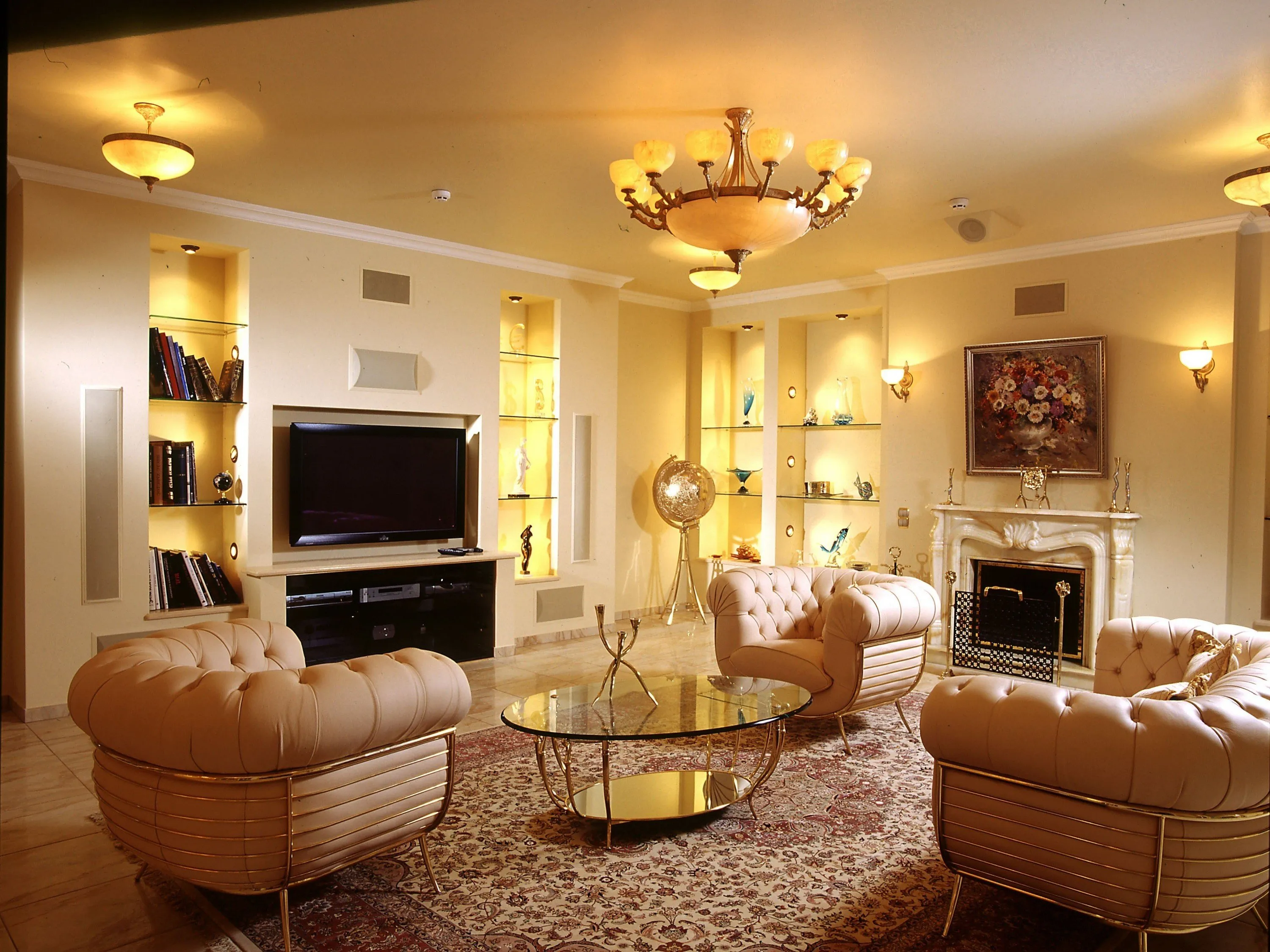
Luxury Living Room Furniture
High-end pieces spanning modern, neo-classical, and Italian Gothic styles — craftsmanship, leathers, and refined artistry.
Read More →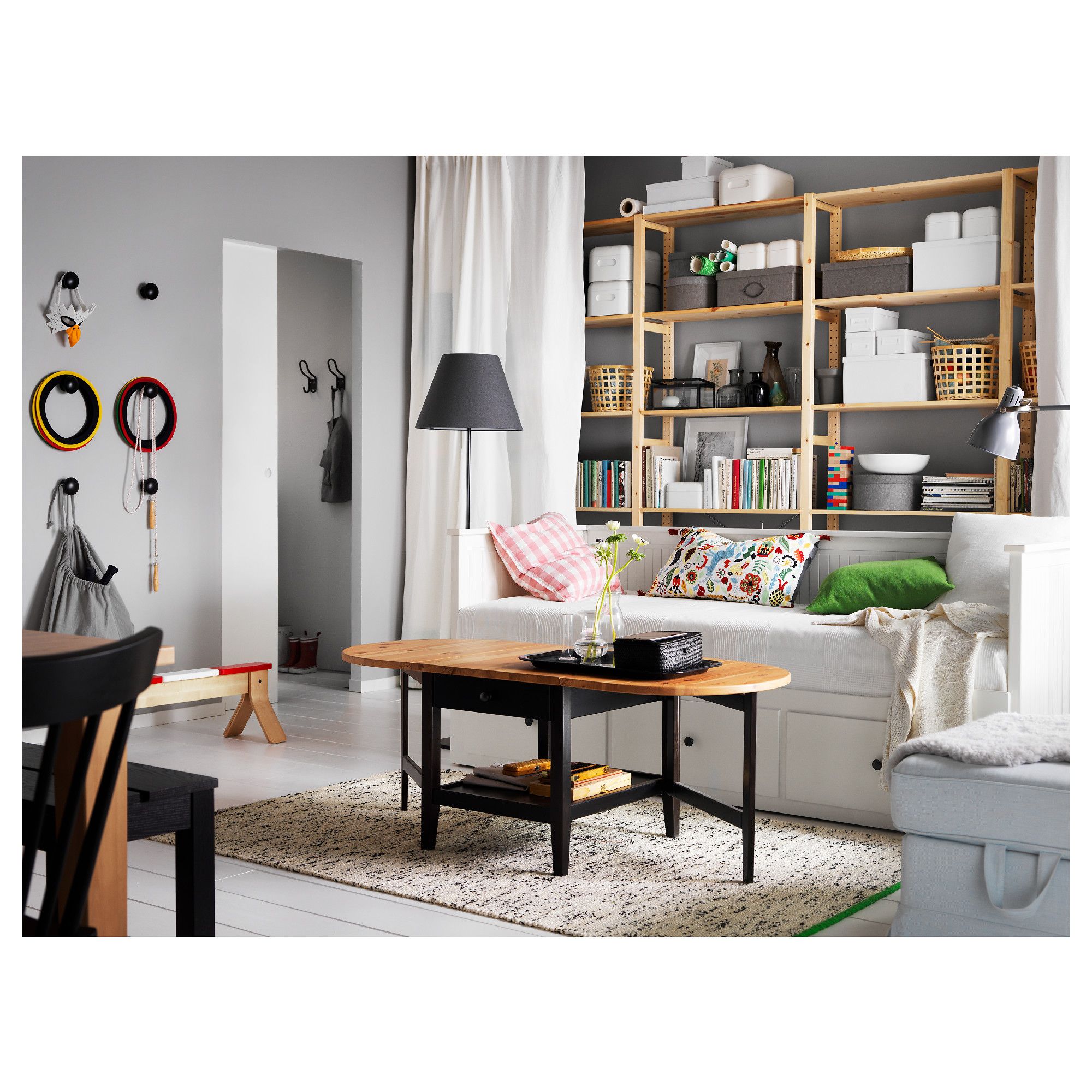
White Living Room Storage Cabinets
Sideboards, curio cabinets, and high-gloss storage units that blend practical organization with decorative appeal.
Read More →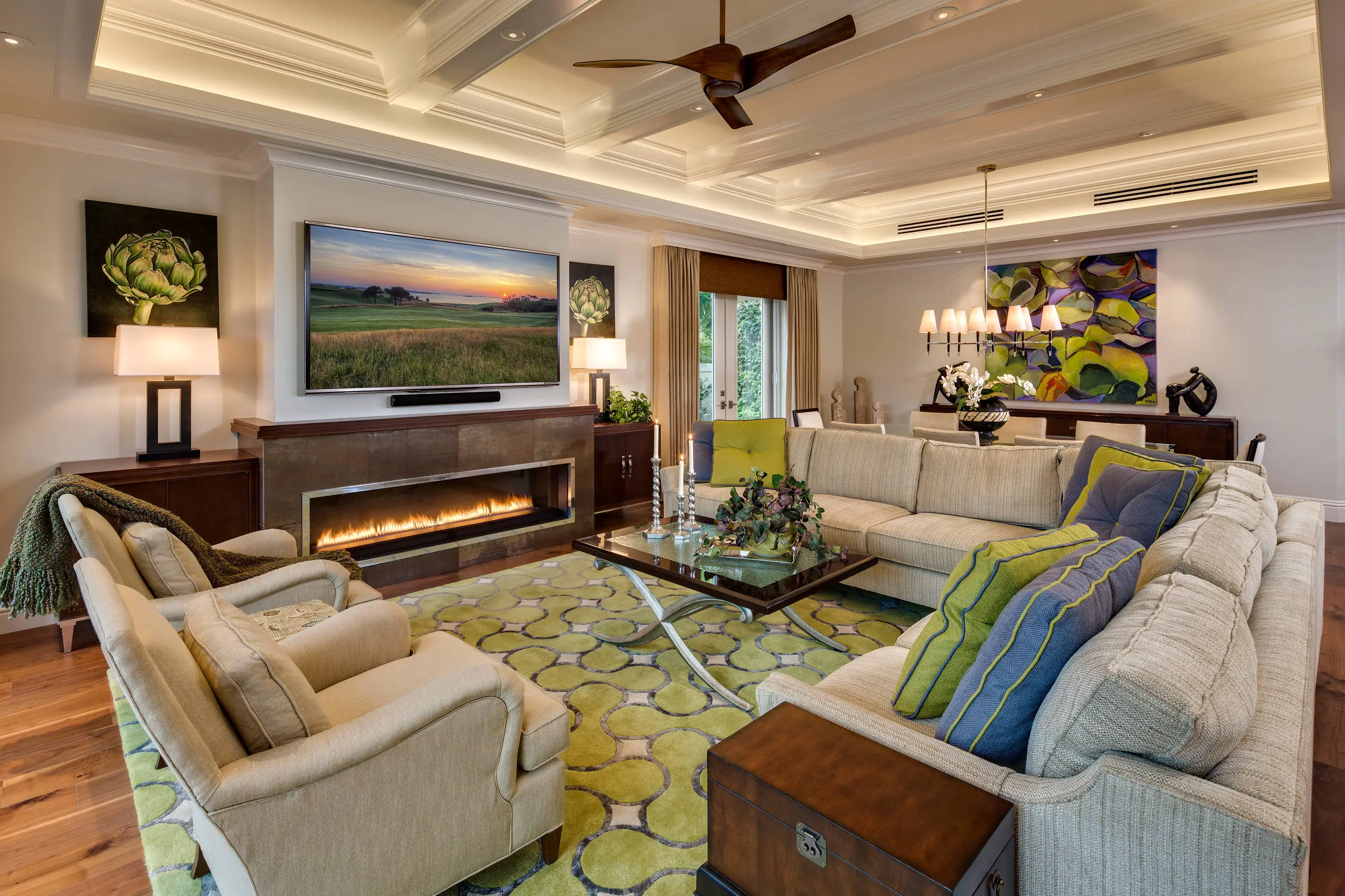
Living Room Decor Essentials
Rugs, pillows, art, lamps, and accent pieces that add layers of color, texture, and personality to any living space.
Read More →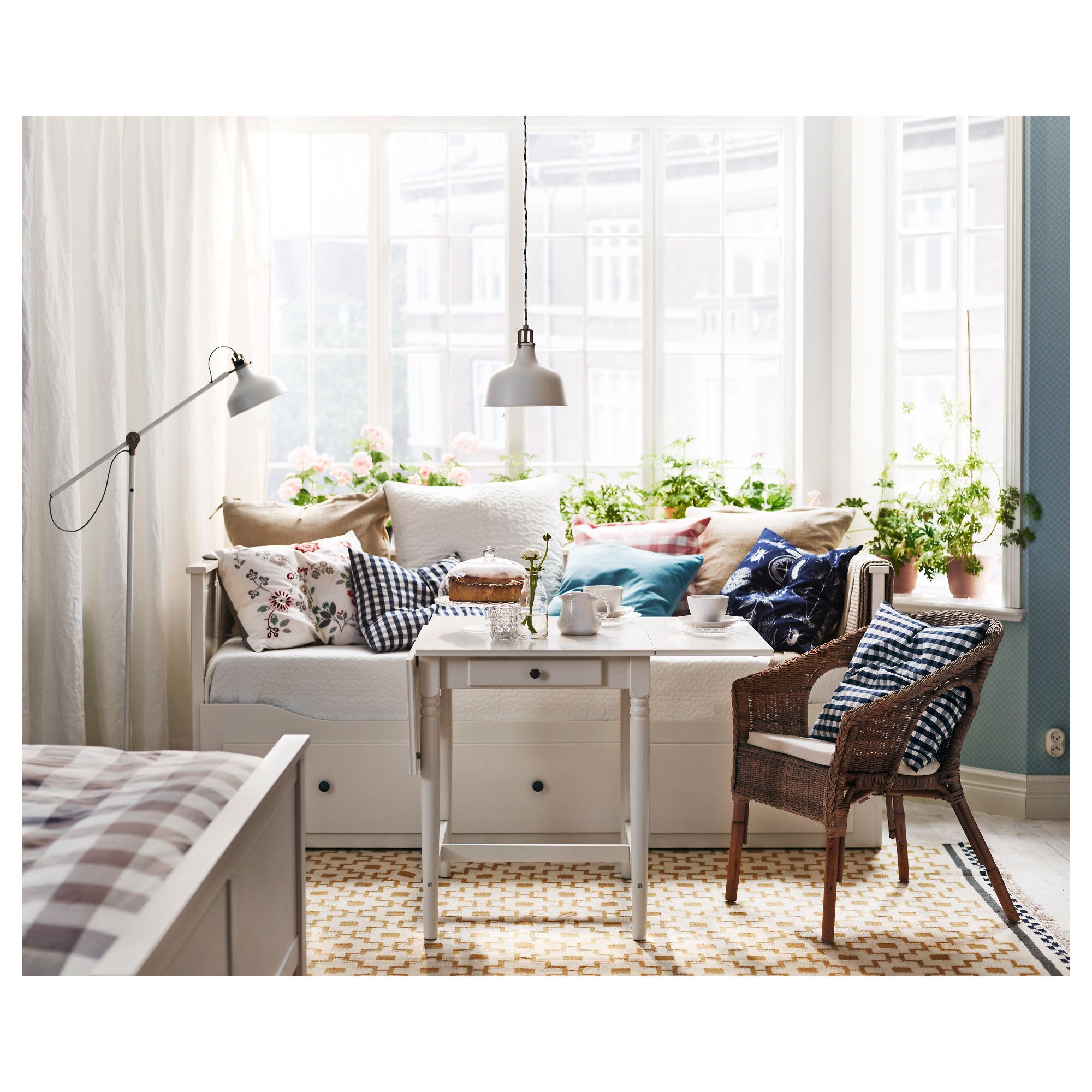
Natural Living Room Decor
Earthy elements, house plants, rustic touches, and organic materials that bring warmth and nature indoors.
Read More →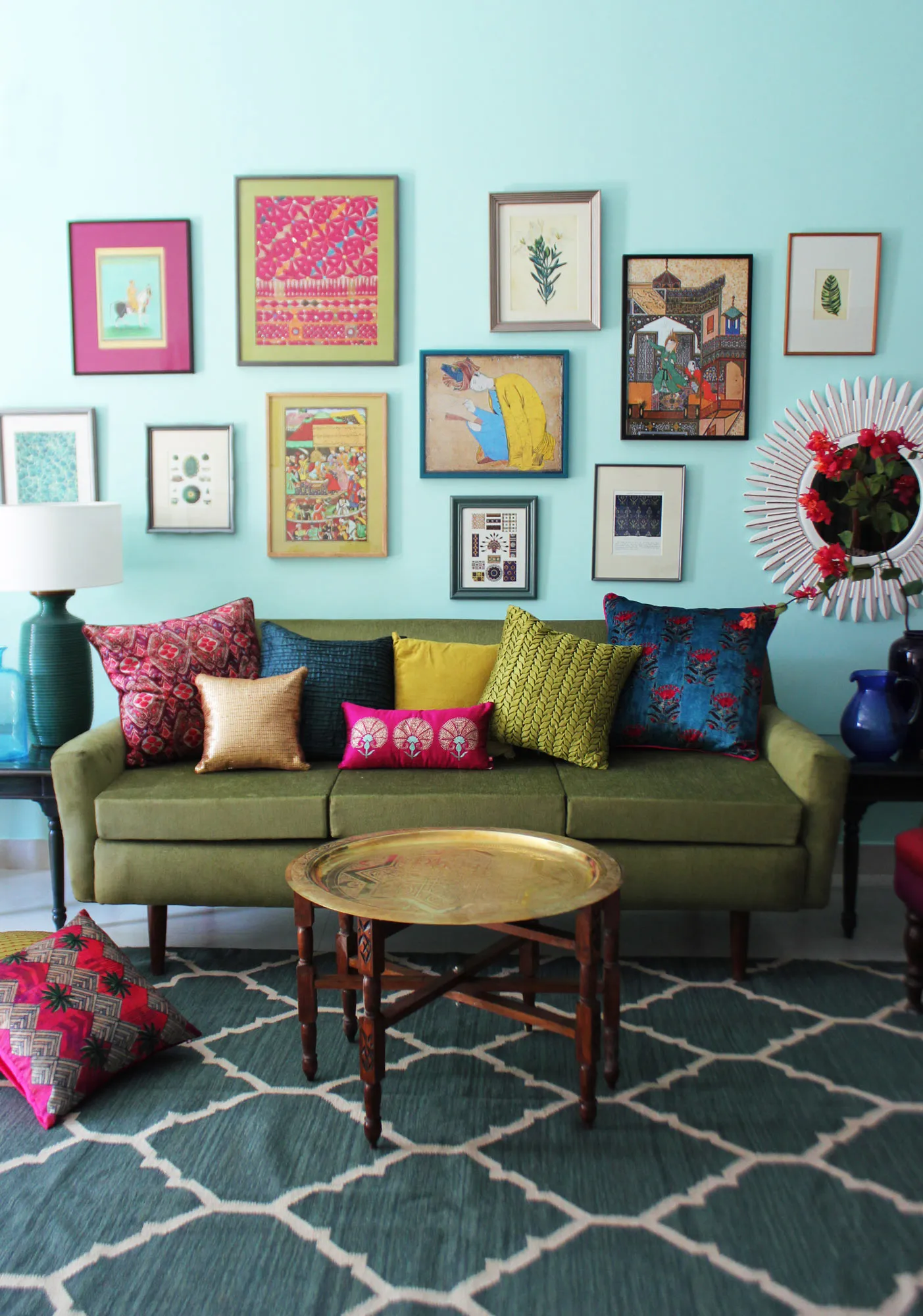
Living Room Ideas: Velvet Sofa
From classic red to trending green and blue, explore how a velvet sofa can transform your living room's character.
Read More →