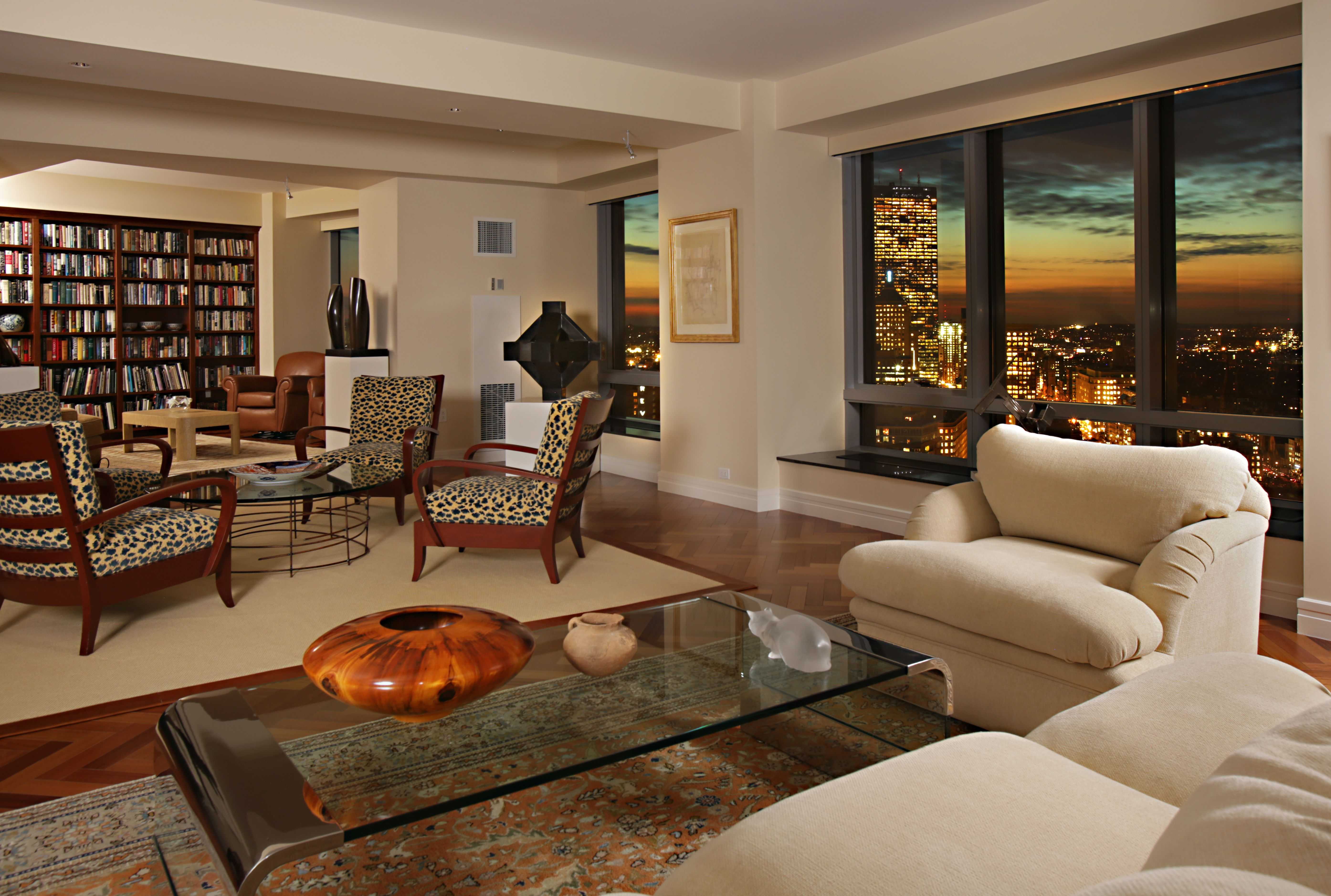
Living Room Design Ideas & Inspiration
Kumpulan Informasi, Tips dan Trik Terlengkap dan Terpercaya — explore curated ideas for sofas, storage, decor, and every style in between.
Explore Ideas →Get Design Inspiration
Tell us what you're looking for and we'll point you to the best articles.
Warm industrial living with leather and dark metal
Creating a Warm Industrial Look with Leather and Dark Metal is less about filling a room with heavy factory pieces and more about balancing hard surfaces with inviting textures. A tan or deep brown leather sofa can anchor exposed brick, while slim blackened-steel frames, timber tables and warm lighting keep the setting from feeling severe.
For Australian homes, the strongest versions of this style suit open-plan living rooms, compact apartments and converted warehouse spaces. The practical challenge is making hard-working materials comfortable through the daily rhythm of cooking, relaxing, entertaining and managing pets, children or summer heat.
Build a material foundation
Begin with one dominant material rather than competing statement pieces. A leather sofa in cognac, tobacco or espresso brown provides a warm focal point, while a black metal coffee table or slim shelving unit adds the structural element associated with industrial interiors. Natural timber, limewashed walls and aged bronze details help the room feel inhabited rather than showroom-like.
Leather develops a patina that makes each piece unique. Choose full-grain or top-grain leather if the sofa will be used daily, particularly in busy family rooms. Faux leather offers a lower-cost alternative, although it can crease and peel with age, heat and frequent use. Protect either option from direct sunlight and clean it according to the manufacturer’s instructions.
Dark metal works best when finishes vary slightly. Matte black steel creates a crisp outline, gunmetal suits a more restrained scheme, and oil-rubbed bronze adds warmth. Pair these surfaces with chunky wool, soft cotton, worn timber and textured rugs so the room balances hardness with comfort.
Plan the seating layout
Give the sofa enough space to feel generous without pushing circulation into a narrow path. In open-plan rooms, leave at least 90 centimetres between the front edge of the sofa and the coffee table, while maintaining clear walking routes between the living area, kitchen and dining space. Compact Australian apartments often benefit from a two- or three-seat sofa combined with occasional chairs rather than a large modular arrangement.
A slim leather ottoman can provide extra seating without the bulk of another armchair. Use it as a footrest during quiet evenings, then move it beside the sofa when guests arrive. Choose a coffee table with a timber top or a metal frame with a lower shelf, allowing books, remotes and styled objects to remain within reach.
Anchor the furniture with a rug large enough for at least the front legs of the sofa and chairs to sit on it. In an open-plan interior, this defines the lounge as a distinct zone without adding walls. Curtains hung from ceiling height can soften exposed brick and make a compact room appear taller.
Layer the lighting
Industrial lighting benefits from contrast rather than a single bright fitting. Combine ambient light for general visibility, task lighting for reading and accent lighting that highlights brickwork, artwork or a textured wall. A black metal floor lamp beside the sofa adds practical illumination while reinforcing the strong lines of the furniture.
For sculptural illumination, architectural pendant lighting can create a strong centrepiece above a dining table or lounge area. Keep pendants simple when the ceiling is busy, and use shaded wall lights or narrow uplighters where a ceiling fixture would make the room feel crowded. Warm white bulbs around 2700K create a welcoming glow against dark metal.
Daylight should shape the lighting plan as well. Brisbane’s bright, humid climate calls for sheer curtains that diffuse glare, while Perth’s strong sun makes UV-filtering fabrics valuable. If fitting a pendant or hardwired wall light, use a licensed electrician who understands AS/NZS 3000 and the electrical safety rules applying in your state or territory.
Warm the palette with texture
A warm industrial palette needs earthy neutrals rather than cool greys alone. Charcoal, black and charcoal-brown walls can look rich beside rust, ochre, olive and muted terracotta. Cream ceilings reflect daylight and prevent darker rooms from losing visual space, while timber floors or boards introduce grain and warmth.
Layer tactile materials throughout the room. Combine a coarse wool throw with smooth leather cushions, washed linen curtains and a flatwoven rug. Metal and concrete provide the hard surfaces; textiles make them approachable. Avoid matching every element, as controlled variation gives a layered scheme more personality.
In Melbourne’s cooler months, a deep-toned rug and substantial curtains help a room feel cosy. Brisbane homes need ventilation and finishes that tolerate humidity, while Sydney apartments often benefit from pale curtains that control afternoon glare. Add one or two plants to introduce organic leaf shapes and soften structural lines.
Work with Australian spaces
Many Australian living rooms double as everyday hubs for family meals, homework, relaxation and entertaining. A daybed can offer a practical solution where a sofa alone cannot provide enough seating. This IKEA daybed setup shows how a daybed can function as a lounge seat, occasional bed and surface for relaxed entertaining without crowding the room.
Inner-city terraces in Sydney and Melbourne often have narrow footprints, while converted warehouses and new apartments may already feature concrete, brick or steel-framed windows. Fitted dark metal shelving can use vertical space, and a low media cabinet keeps the television zone visually restrained. Choose closed storage where visual clutter needs to disappear.
Measure the room before bringing in large pieces, including door swing, window positions and the route from the entrance. IKEA remains familiar in the Australian furniture market because modular and multipurpose options suit renters, growing households and compact homes. For longer-term pieces, inspect frame construction, upholstery quality and the availability of replacement parts locally.
Compare finishes before you buy
Before purchasing, consider how each surface will age and how often it will be cleaned. Leather suits a focal investment, while faux leather can provide the visual effect for a smaller budget. Metals with living finishes may develop subtle variations that add character, although some dark coatings can mark easily and require careful maintenance.
The right choice also depends on the room’s atmosphere and traffic. A pale tan sofa brightens a darker space, a deep brown sofa feels grounded, and a three-seat design works well when the living area is generous. Blackened steel complements brick and timber, while brushed metal looks cleaner beside cool grey walls.
| Finish | Main character | Best suited to | Practical consideration |
|---|---|---|---|
| Full-grain leather | Rich colour and natural patina | A long-term focal sofa | Regular care and protection from heat |
| Faux leather | Consistent, leather-style finish | Lower-budget or high-use seating | Can crease or peel with age |
| Blackened steel | Bold, graphic industrial lines | Coffee tables, shelving and lamps | May show fingerprints or surface marks |
| Brushed metal | Subtler, cleaner industrial detail | Modern apartments and compact rooms | Scratches can become visible |
| Dark bronze | Warm, aged character | Layered schemes with timber and brick | Finish may vary between pieces |
Allow the chosen materials to lead the room’s character. If the sofa carries strong texture and colour, keep lighting and smaller accessories more restrained. This creates a room that feels layered and practical rather than crowded.
Bring the details together
Start with the largest fixed decision, whether that is the leather sofa, floor plan or lighting arrangement, and let each subsequent piece support it. Add textiles after the main furniture is in place, then finish with artwork, ceramics and objects that bring personal character. A warm industrial room should still feel relaxed enough for an everyday Australian evening at home.
Explore Sibabeh inspiration guides to find complementary furniture, lighting and decorating ideas, save your preferred combinations, and begin transforming your living room one thoughtfully chosen piece at a time.
What We Cover
Living Room Topics & Ideas
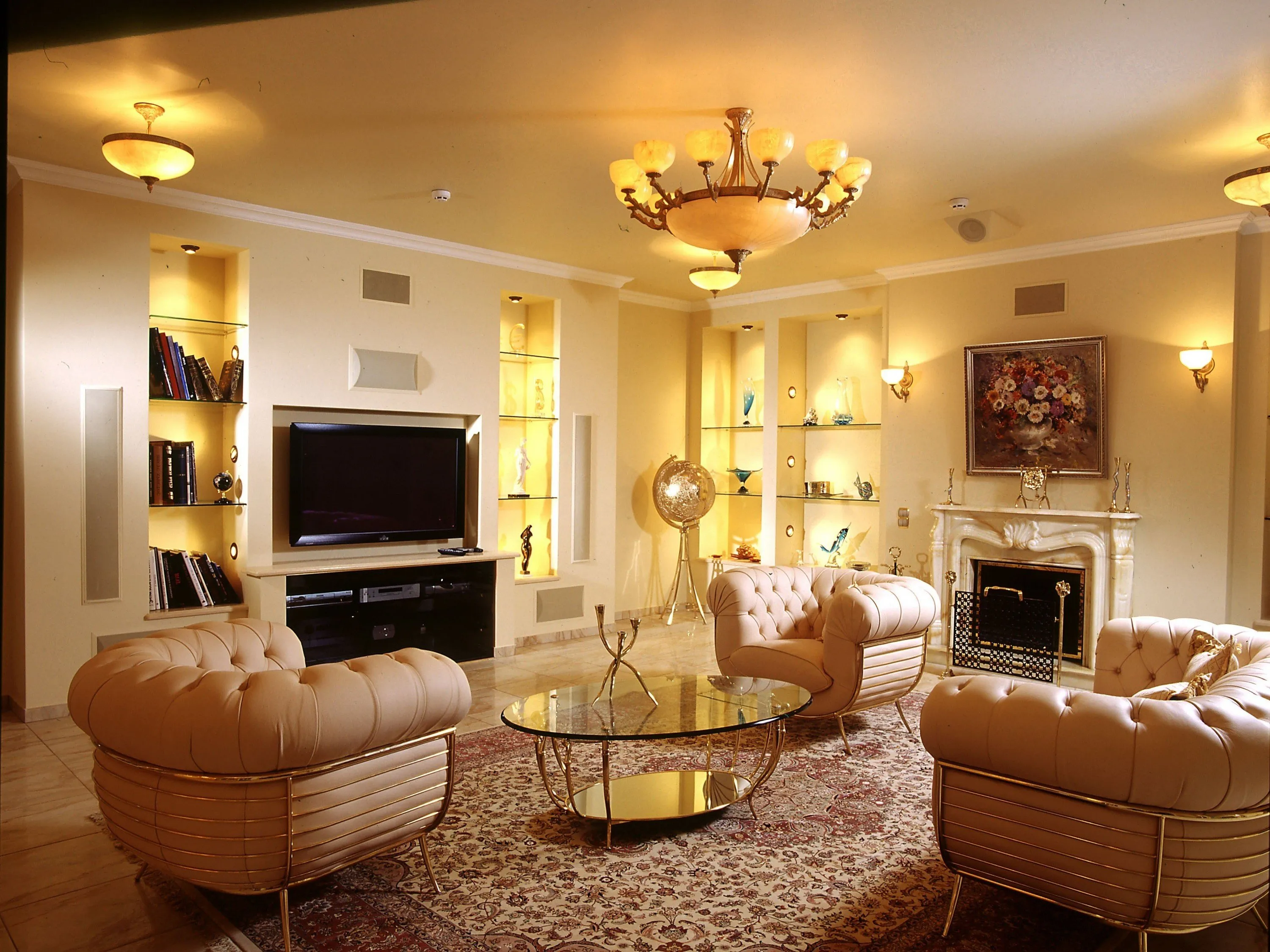
Luxury Living Room Furniture
High-end pieces spanning modern, neo-classical, and Italian Gothic styles — craftsmanship, leathers, and refined artistry.
Read More →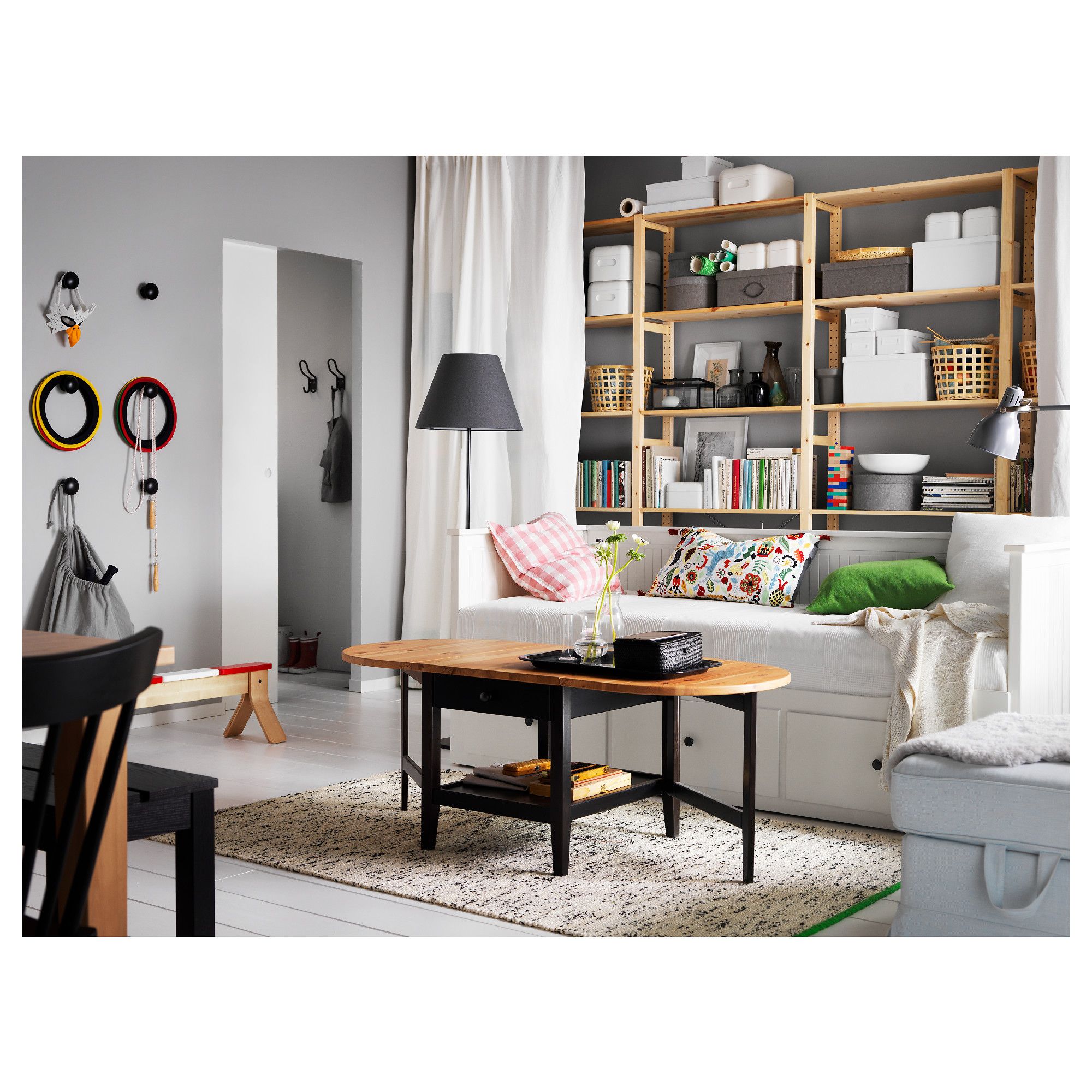
White Living Room Storage Cabinets
Sideboards, curio cabinets, and high-gloss storage units that blend practical organization with decorative appeal.
Read More →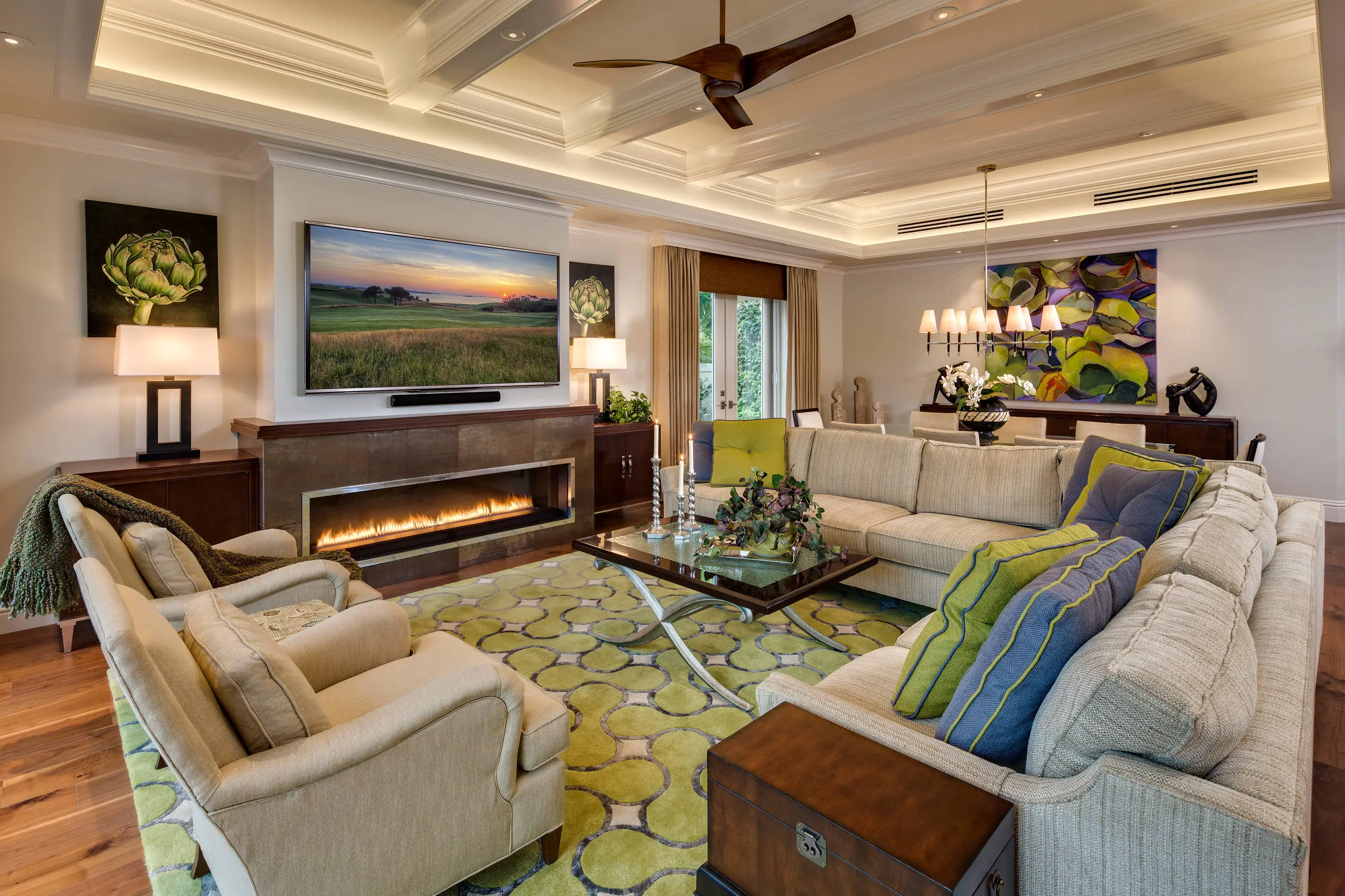
Living Room Decor Essentials
Rugs, pillows, art, lamps, and accent pieces that add layers of color, texture, and personality to any living space.
Read More →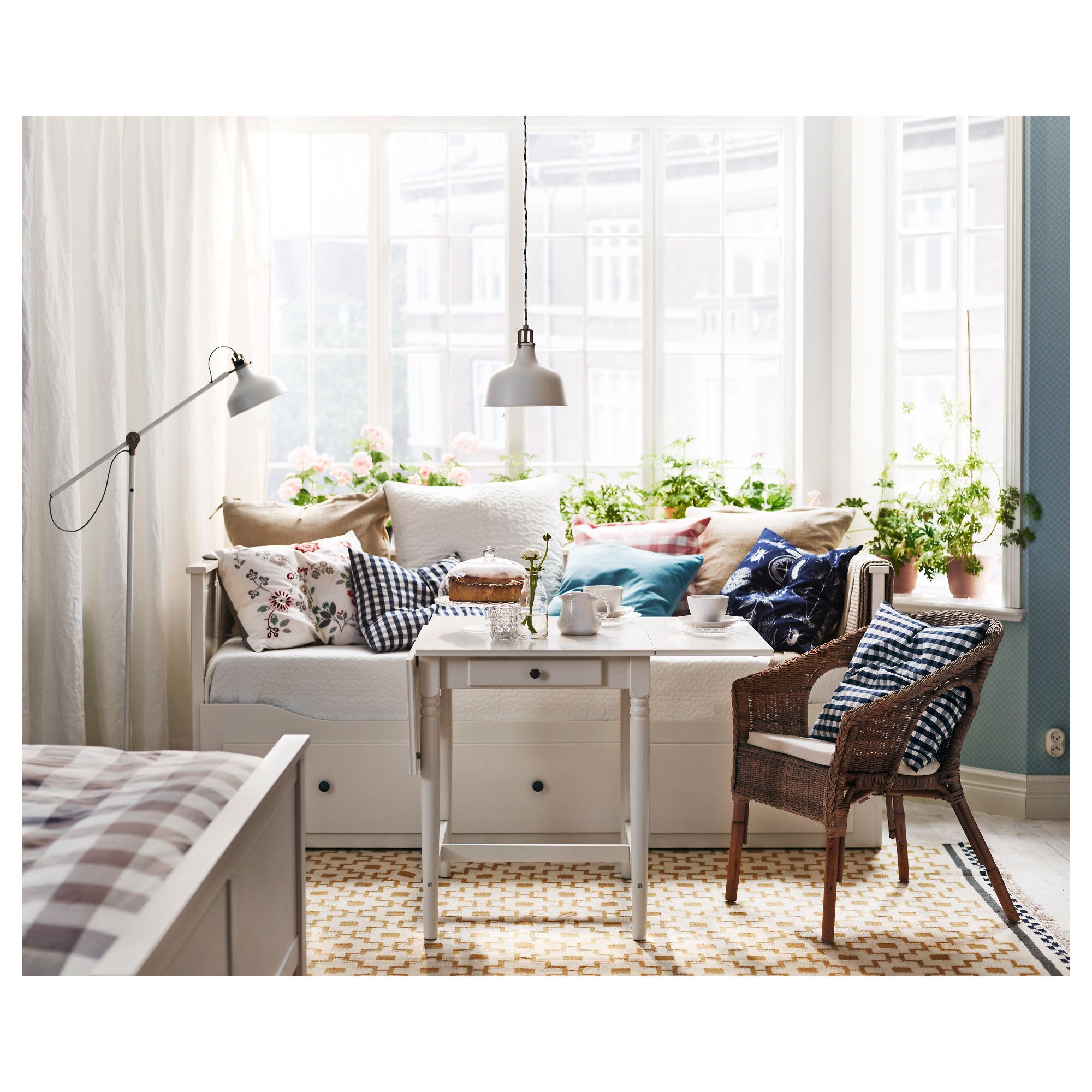
Natural Living Room Decor
Earthy elements, house plants, rustic touches, and organic materials that bring warmth and nature indoors.
Read More →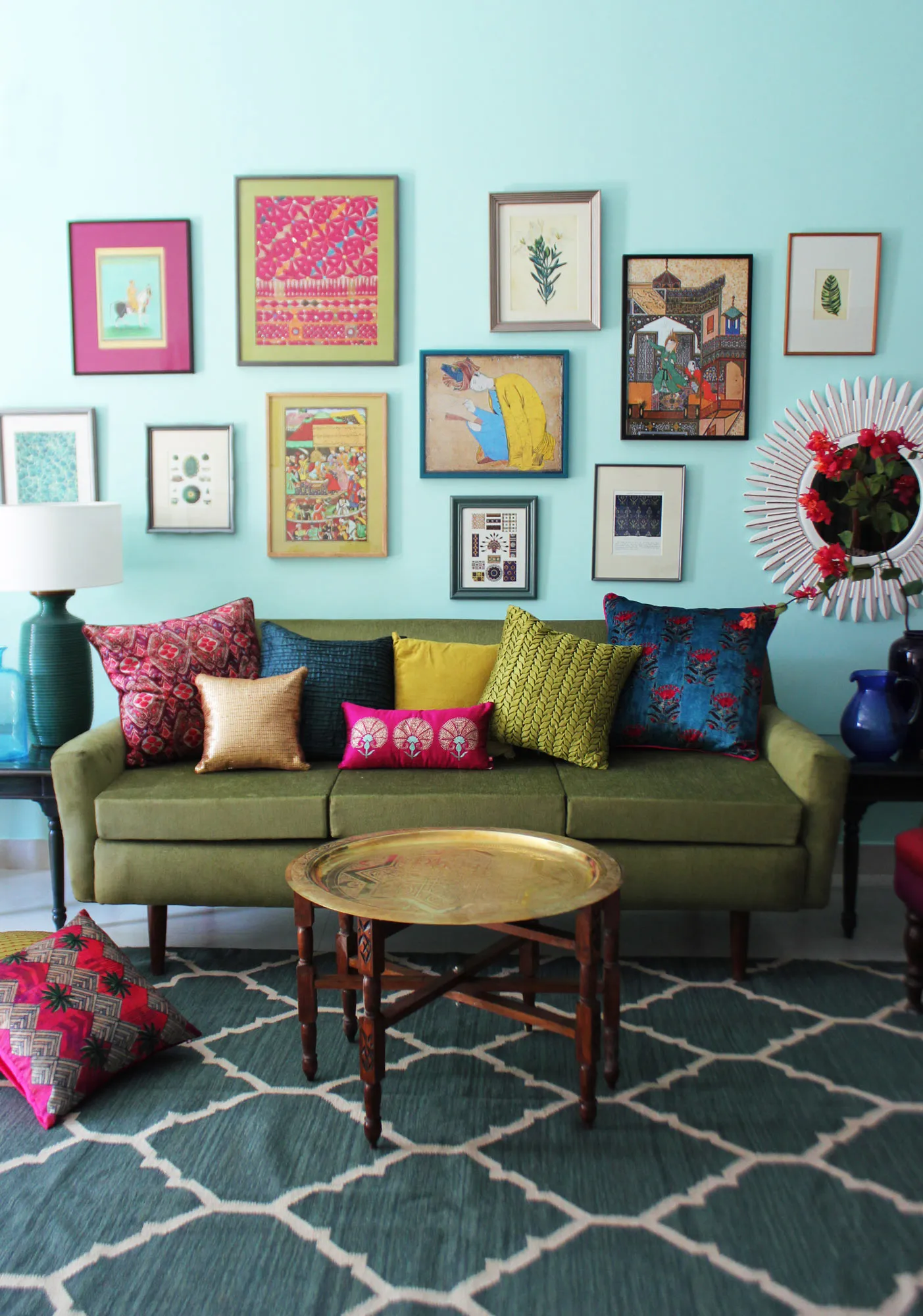
Living Room Ideas: Velvet Sofa
From classic red to trending green and blue, explore how a velvet sofa can transform your living room's character.
Read More →