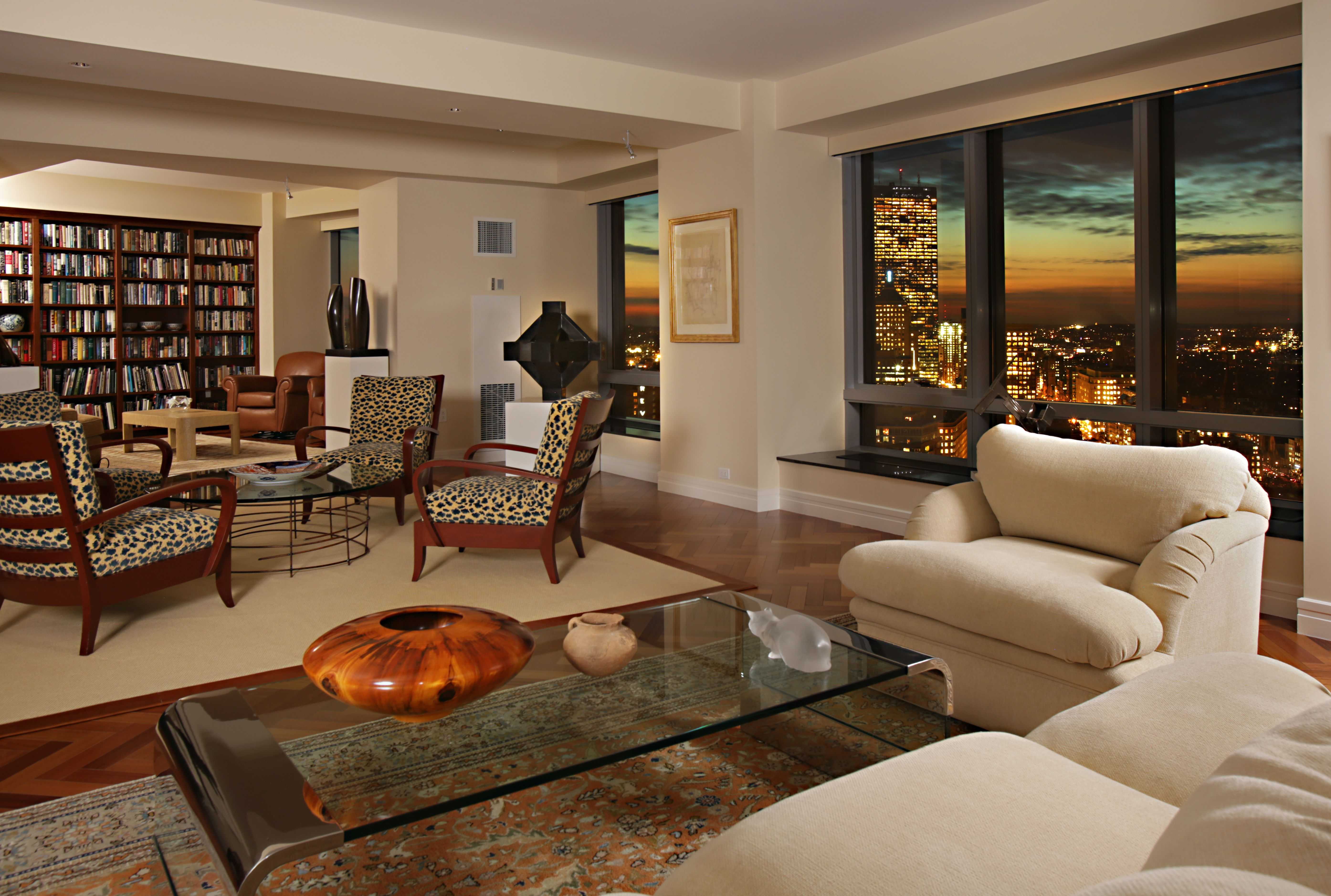
Living Room Design Ideas & Inspiration
Kumpulan Informasi, Tips dan Trik Terlengkap dan Terpercaya — explore curated ideas for sofas, storage, decor, and every style in between.
Explore Ideas →Get Design Inspiration
Tell us what you're looking for and we'll point you to the best articles.
Best paint finishes for living room walls and trim
Choosing the best paint finishes for living room walls and trim is less about finding a showroom-perfect shine and more about matching sheen to the room’s light, traffic and family life. A beautiful colour can look lively in a sample pot yet settle into something quieter across four walls, while crisp trim can sharpen the whole scheme.
Paint also behaves differently from timber flooring, fabric and tiles. Sheen affects how colours read, how easily marks can be removed and which imperfections become visible. In Australian homes, water-based acrylic paint is usually the most convenient option, but the ideal wall and trim finishes still depend on where each surface is used.
Match wall sheen to use and light
Sheen describes the surface’s reflection level, ranging from matte to gloss. Matte absorbs light and creates a soft, velvety effect, while satin and semi-gloss reflect more light and make colours appear clearer. Higher sheens also reveal bumps, brush marks and patches because their shadows are easier to see.
For most general-purpose living rooms, eggshell or satin provides a practical balance. Satin suits a room used by children and pets because marks are easier to wipe away, although it can emphasise uneven plasterwork. A quality scrubbable matte is another sensible option for a calm, contemporary space, particularly when the walls are painted in a deep colour. Always check the cleaning instructions and sheen rating on the can rather than relying on the finish name alone.
Compare eggshell, satin and matte
Eggshell has a subtle lustre that works well in traditionally decorated or formal rooms. It disguises minor surface defects better than satin while still offering more durability than a conventional matte. Satin creates a crisper finish and stands up well in busier spaces, but careful preparation becomes important.
The right choice should also suit your lighting. A dark satin wall in a dim room can look patchy, while the same colour in a bright, open-plan area may look rich and even. For the lamp side of the decision, the modern lighting ideas can help you assess how a finish changes beneath the lights you actually use. Test each sample in daylight and artificial light before buying enough paint for the full room.
Give trim a durable finish
Skirting boards, architraves, doorframes, cornices and built-in cabinets benefit from a tougher finish than most walls. Semi-gloss is a versatile choice because it is washable, resistant to scuffing and visually crisp without looking excessively reflective. Full gloss creates a sharper, more traditional effect but tends to show every brushstroke and trapped dust.
Satin trim can suit a relaxed modern interior, especially when paired with simple mouldings. Whichever sheen you select, use a dedicated trim product where possible and apply it with a good brush for controlled edges. Water-based acrylic trim paint dries quickly and keeps odour low, making it useful in an occupied family home. It must still be allowed to cure fully before furniture or artwork is placed against it.
Test colours in Australian daylight
Australian conditions make sample testing essential. Perth’s intense UV can fade pigments over time, while Melbourne’s famously changeable daylight can reveal flaws that a single morning’s sun would hide. Humid Sydney summers can also slow drying, so allow paint to cure without rushing the next coat. No sheen can prevent every form of fading, so keep strong colours away from prolonged direct sun where possible.
Many Australian homes now have open-plan family living spaces that connect seating areas with kitchens and dining rooms. Paint should therefore look good from several angles and work alongside hard-wearing surfaces. If high windows or a sloping ceiling make the room feel compressed, the curtain hanging guide explains how generous window treatments can balance wall colour and proportion. Paint large sample patches in different parts of the room rather than relying on tiny swatches.
Prepare the surface before choosing the finish
Preparation determines whether even satin looks polished or patchy. Begin by removing furniture, washing the walls with suitable sugar-soach cleaner and checking for mould, grease or peeling paint. Fill nail holes and cracks with quality filler, allow it to dry and sand the repairs smooth. Brick veneer, rendered masonry and fibro cement all benefit from proper filling, cleaning and patching before a uniform finish can be achieved.
Use primer where the surface or previous coating requires it, including over repairs, stains, bare timber and patches that have dried differently from the surrounding wall. A suitable primer helps the finish adhere evenly and can improve colour consistency. Follow the manufacturer’s recommendations for the substrate, and avoid applying primer indiscriminately when the existing paint is sound.
Take care in older Australian homes, particularly pre-1970s properties. Existing coatings may contain lead, so test suspect areas before sanding and seek specialist advice where necessary. Wear appropriate protective equipment, open windows for ventilation and avoid disturbing old paint without precautions. Lead is a genuine concern in many local period homes, not merely a theoretical risk.
Coordinate colour with furniture and decor
Wall colour and sheen should be considered alongside flooring, upholstery and artwork. Warm timber and brass lean towards creams, earthy greens and soft terracotta, while cool grey floors can support crisp whites, muted blues and charcoal. The same colour can shift dramatically between matte and satin, so include furniture samples when making your final decision.
A statement chair adds another layer of colour and shape to the room. This mid-century accent chair guide offers useful ways to balance sculptural furniture with quieter wall finishes. If the chair carries a strong pattern, a matte wall often provides enough visual interest without making the room feel busy.
Put up samples and commit to the project
Buy at least three sample pots and place them on different walls. Observe them in morning light, afternoon sun and under evening lamps, then leave them untouched for at least a day. Check how much they reveal wall imperfections and whether the colour still feels comfortable with your existing furniture. Comparing samples beside large pieces of timber or fabric is more reliable than judging them in an empty room.
Once the decision is clear, record the colour, sheen, primer and estimated coverage before heading to Bunnings or a local Dulux or Colourfresh dealer. Buy enough paint for two coats, keep an unopened spare for future touch-ups and protect nearby floors while you work. Choose one wall finish and one trim finish, complete the preparation, then paint from the most even light towards the trickiest corners for a coherent final result.
What We Cover
Living Room Topics & Ideas
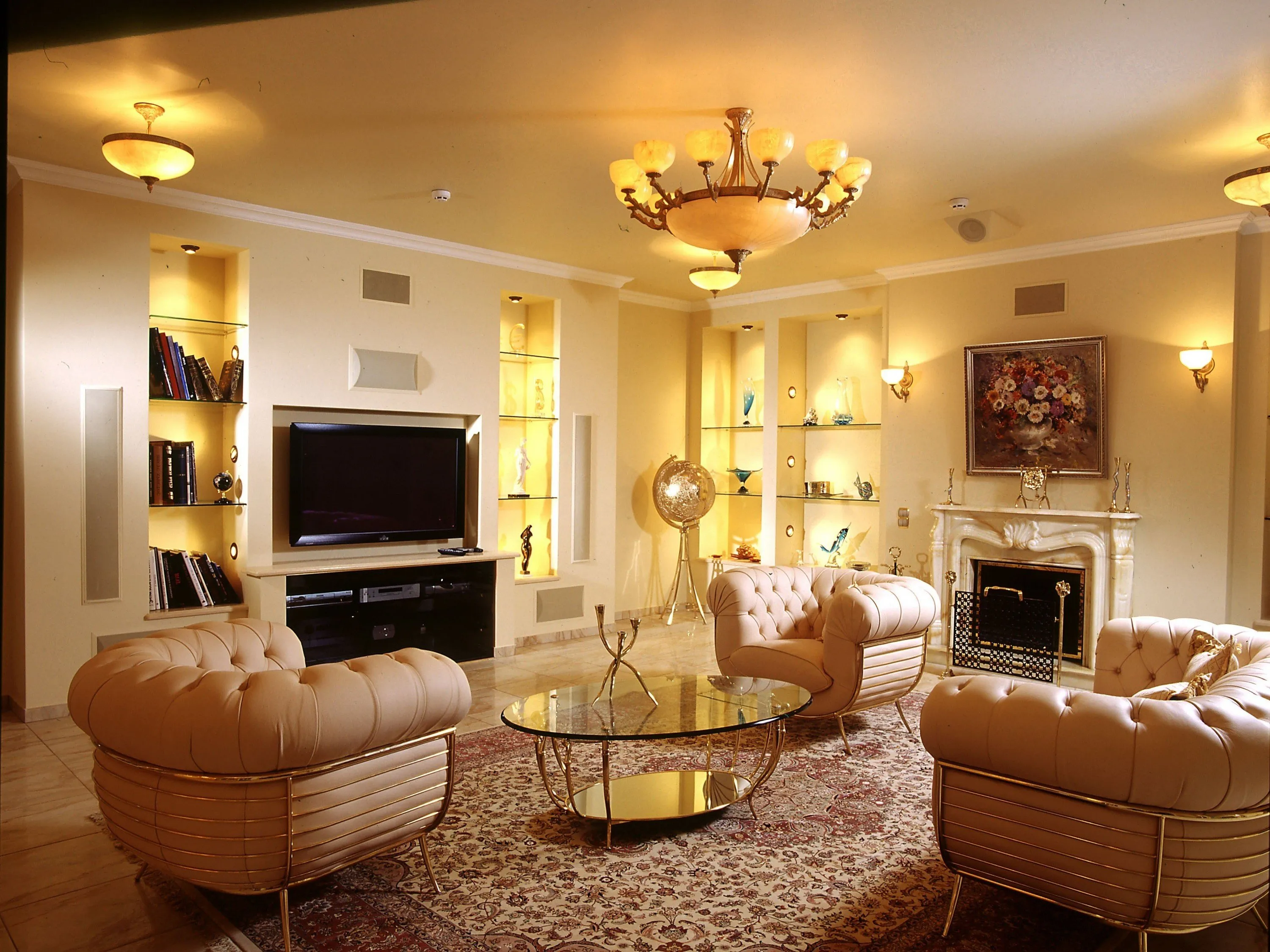
Luxury Living Room Furniture
High-end pieces spanning modern, neo-classical, and Italian Gothic styles — craftsmanship, leathers, and refined artistry.
Read More →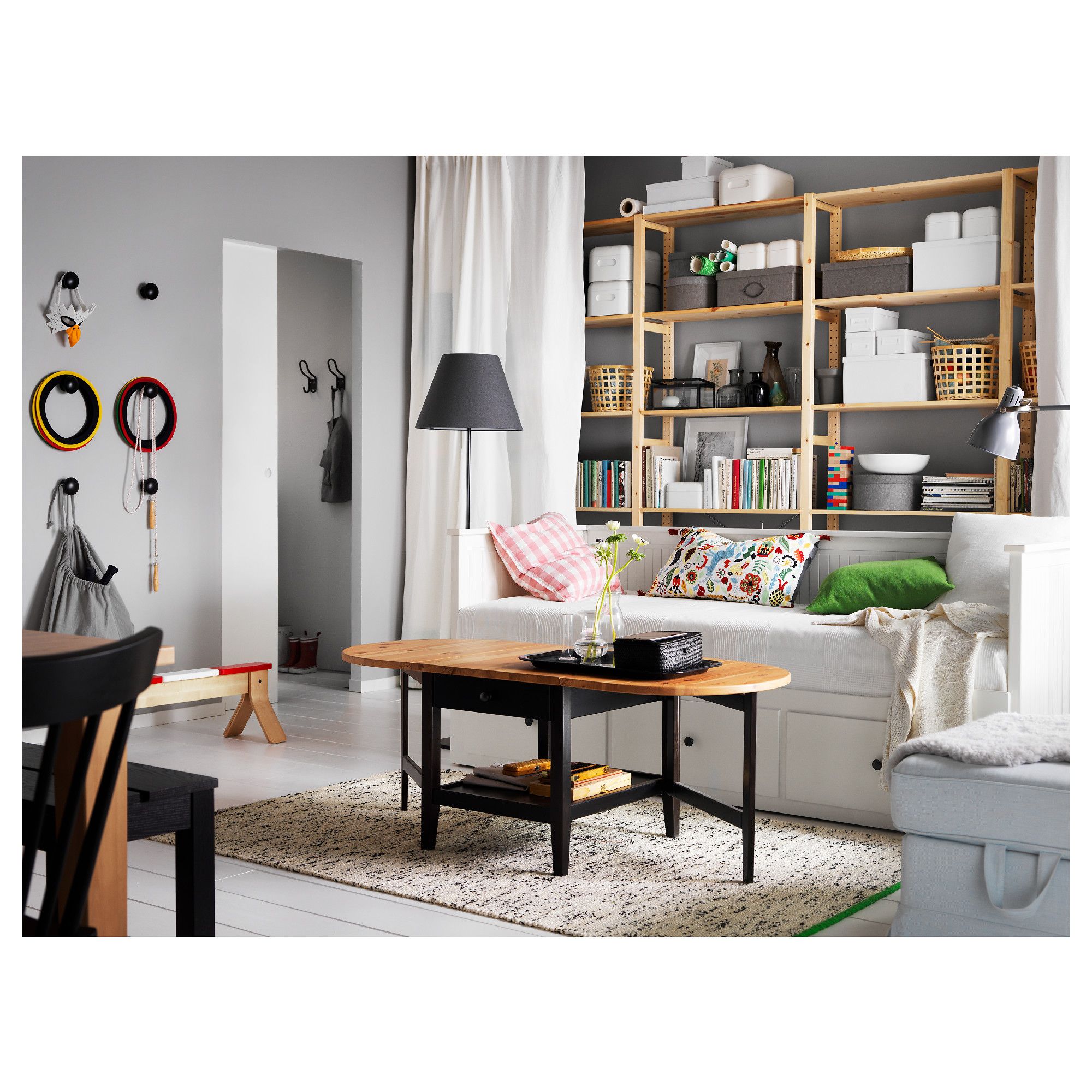
White Living Room Storage Cabinets
Sideboards, curio cabinets, and high-gloss storage units that blend practical organization with decorative appeal.
Read More →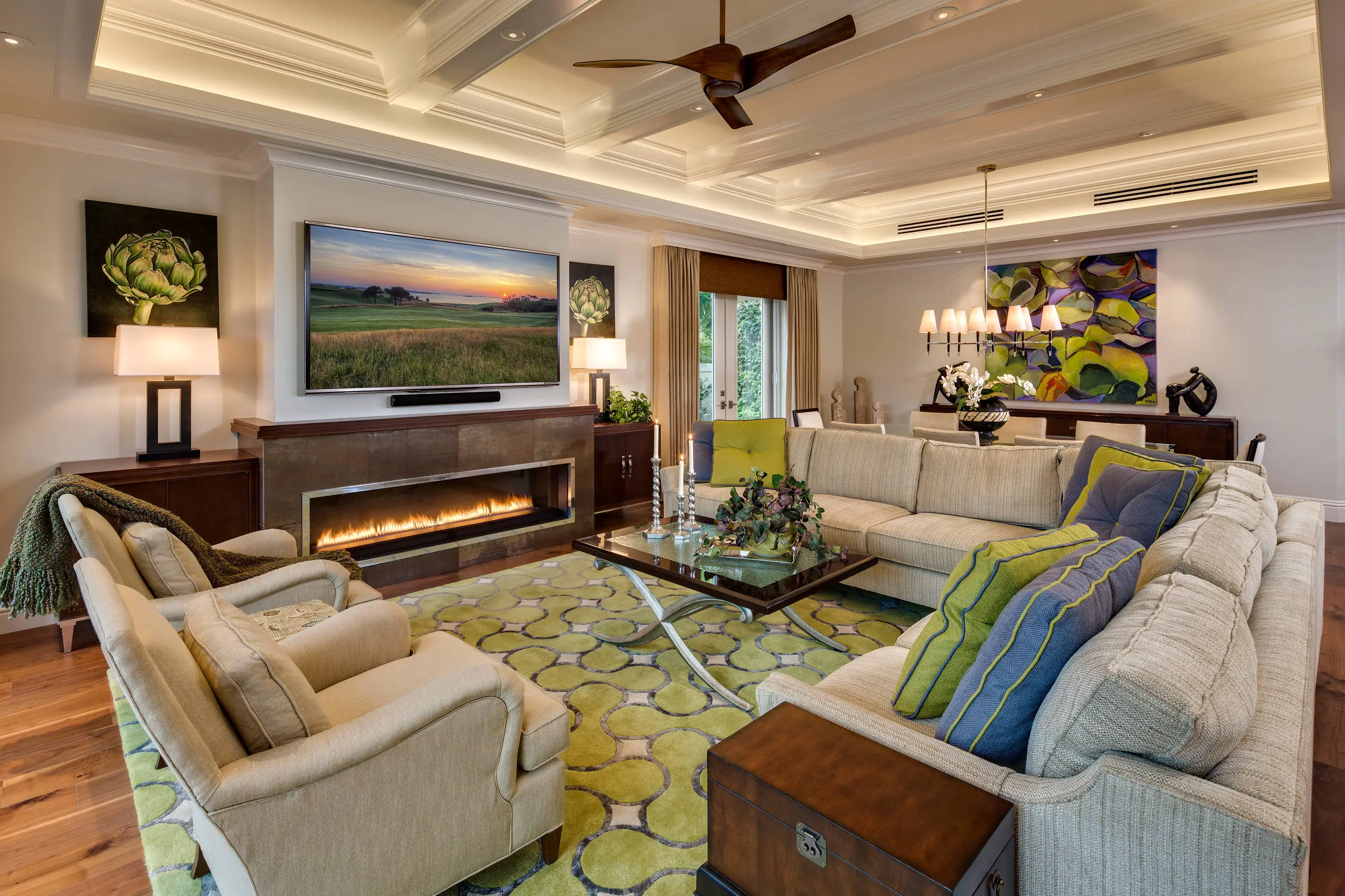
Living Room Decor Essentials
Rugs, pillows, art, lamps, and accent pieces that add layers of color, texture, and personality to any living space.
Read More →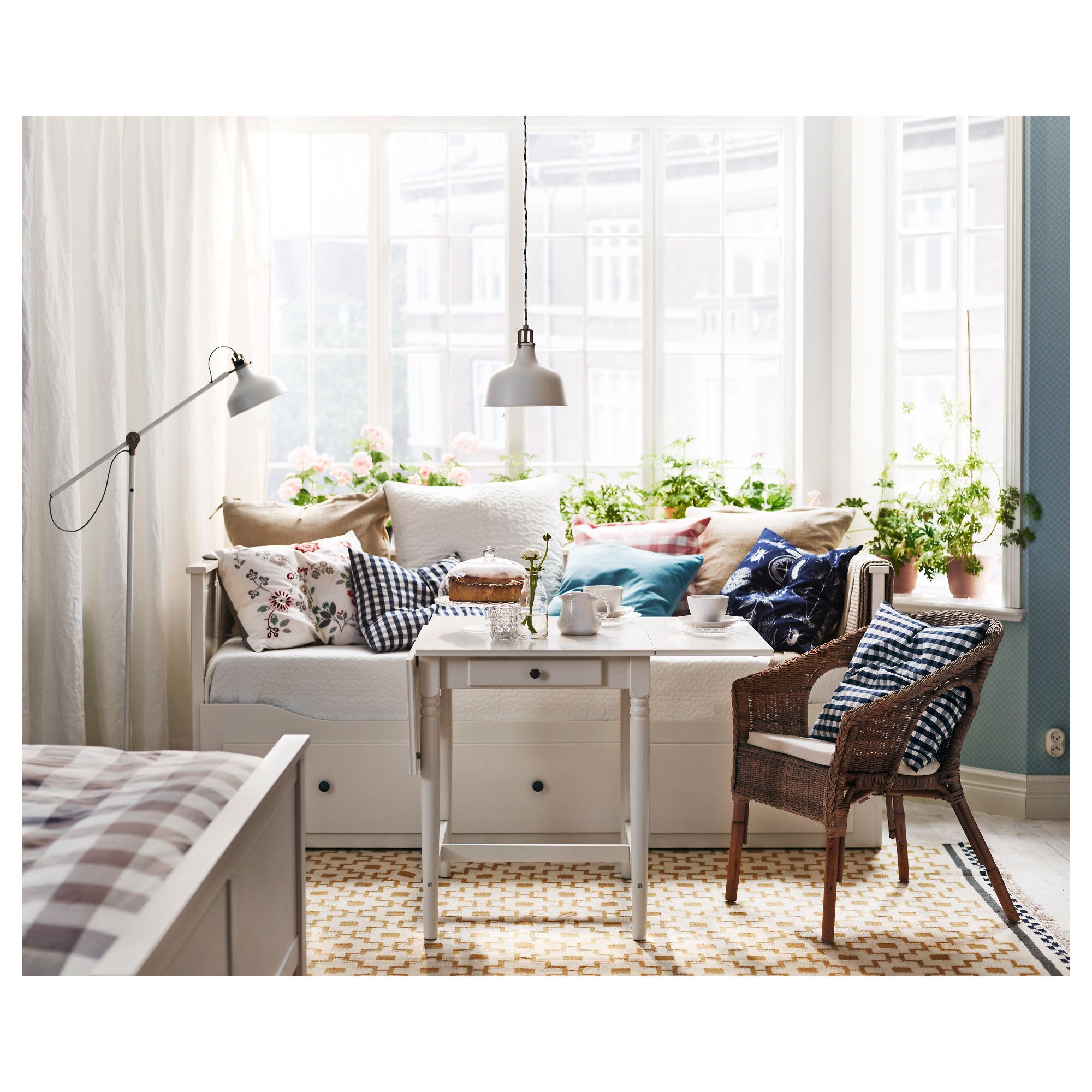
Natural Living Room Decor
Earthy elements, house plants, rustic touches, and organic materials that bring warmth and nature indoors.
Read More →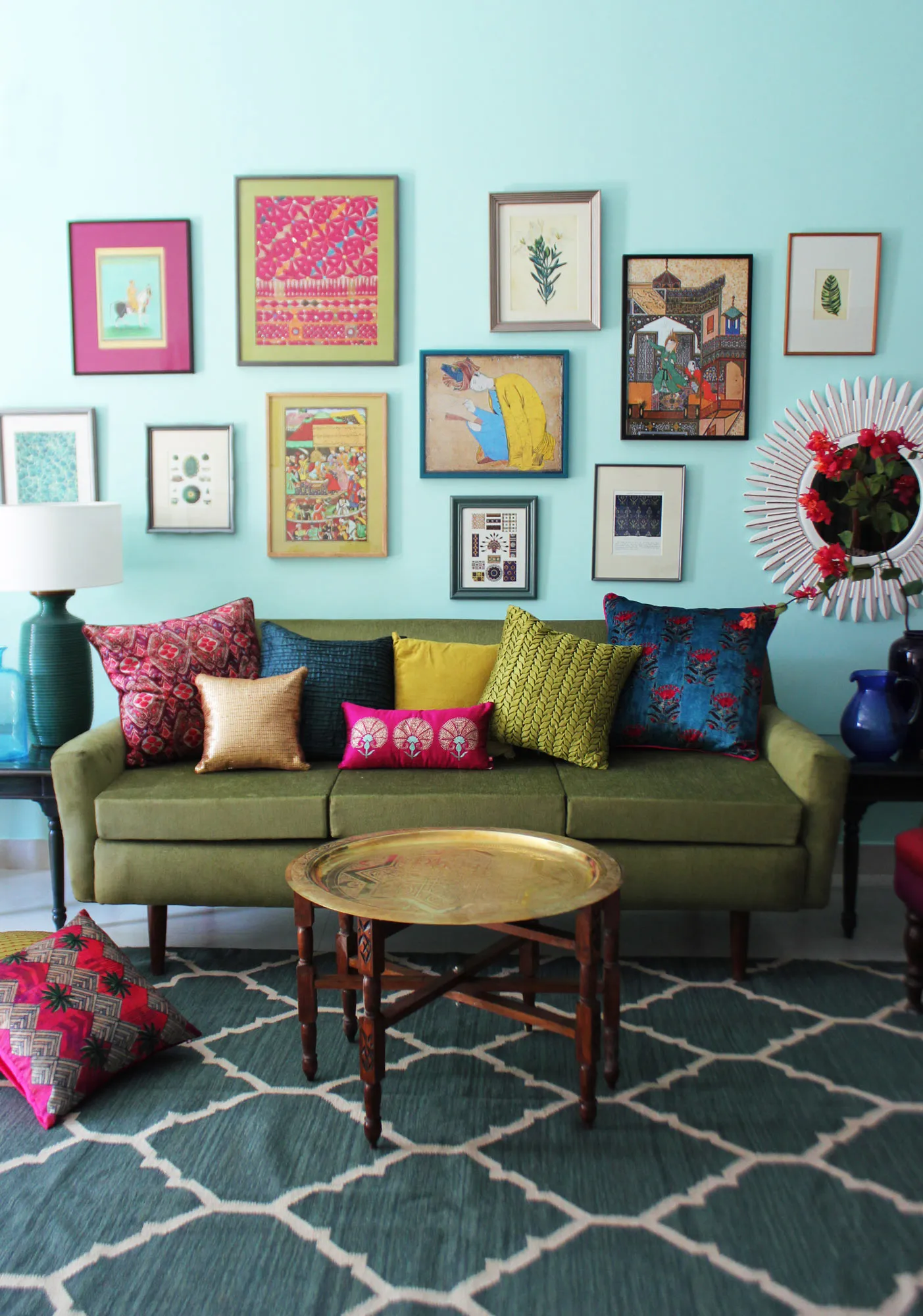
Living Room Ideas: Velvet Sofa
From classic red to trending green and blue, explore how a velvet sofa can transform your living room's character.
Read More →