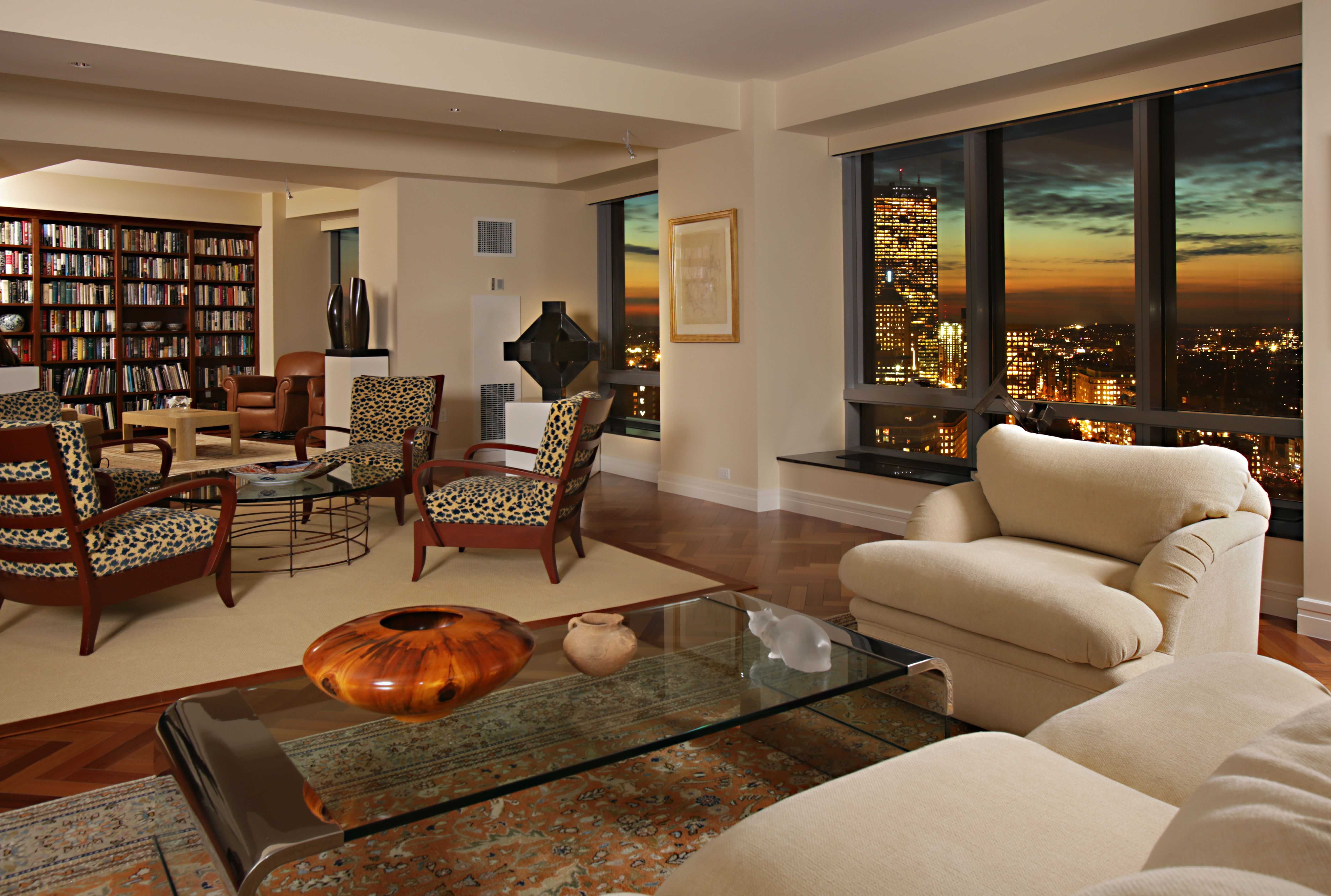
Living Room Design Ideas & Inspiration
Kumpulan Informasi, Tips dan Trik Terlengkap dan Terpercaya — explore curated ideas for sofas, storage, decor, and every style in between.
Explore Ideas →Get Design Inspiration
Tell us what you're looking for and we'll point you to the best articles.
Choosing the Right Height for a TV Stand in Your Living Room
A TV stand does far more than hold a screen. Its height shapes how comfortably you watch, how your room feels, and whether your back aches after a long streaming session. Get the measurement right and the whole living area settles into place; get it wrong and even a beautiful sofa arrangement feels off balance.
In Australian homes, where open-plan living rooms flow into kitchens and alfresco areas, the TV often anchors multiple sightlines at once. That makes the stand's height a decision that ripples through every seat in the space, from the main three-seater to the occasional armchair pulled in for movie nights.
Why TV Stand Height Matters
A screen mounted too high tilts your chin upward and pulls on the neck, while one sitting too low encourages you to slouch and squint. The right TV stand height keeps the screen centre in line with your seated eye line, which for most adults falls between 90 and 110 centimetres from the floor. Retailers such as Freedom and Harvey Norman recommend similar ranges, aligning with the depth of standard sofa seats sold locally.
Beyond comfort, height also affects the room's proportions. A low-slung console under a wall-mounted TV can make ceilings feel taller, which suits many new-build apartments in Melbourne and Sydney. A taller, cabinet-style stand grounds the space and adds visible storage, useful in heritage Queenslander lounges where original features deserve a less obtrusive screen position.
The Ideal Eye Level Rule
The simplest benchmark is to sit on your main sofa, close your eyes, then open them and mark the wall where your gaze settles. The middle of the TV should land within a few centimetres of that spot. For most living rooms, this means the screen centre sits between 100 and 120 cm from the floor once the stand is in place.
If you prefer watching from bed or a deep recliner, your eye line sits lower, around 80 to 95 cm, so the stand should follow suit. Many Australians now use modular lounges from retailers like Domayne or IKEA Marsden Park, which vary in seat height by 5 to 10 cm depending on the configuration. Measure the actual seat you own, not the showroom catalogue, because that small difference shifts the ideal stand height noticeably.
Measuring Your Seating and Viewing Distance
Stand height does not work in isolation. It connects directly to how far you sit from the screen. The THX-recommended viewing distance of roughly 1.5 to 2.5 times the screen's diagonal measurement gives a good starting point, and from there you can calculate where the centre of the screen should sit.
A practical approach is to grab a tape measure, sit in your usual spot, and measure from the floor to your eyes. Add half the TV height, since the screen centre is what you are aligning, not its base. For a 65-inch TV in a typical Brisbane or Perth lounge, the stand often needs to reach 45 to 60 cm to bring the centre into the sweet spot. If your curtains frame the wall behind the screen, consider best curtains for sliding glass doors in living rooms, since drapery height can compete visually with the TV zone.
Stand Styles and Their Default Heights
Different TV stand designs arrive at different heights out of the box, and understanding the categories helps narrow the choice quickly.
| Stand Style | Typical Height Range | Best Suited For |
|---|---|---|
| Low media console | 35–50 cm | Wall-mounted screens, minimalist apartments |
| Standard cabinet | 50–65 cm | Traditional lounges, family rooms |
| Tall display unit | 70–90 cm | Bedrooms, casual viewing chairs |
| Modular storage | 45–75 cm (adjustable) | Open-plan homes, mixed seating |
| Entertainment unit with hutch | 90–120 cm | Smaller screens, secondary rooms |
Low media consoles are popular in newer inner-city apartments in Sydney and Brisbane where residents want the screen integrated with art and shelving rather than dominating the wall. Standard cabinets suit most suburban family homes and pair well with a three-seater from Amart or a local Freedom showroom. Tall units work best when the screen doubles as a bedroom TV or sits in a rumpus room.
Room Layouts Common in Australian Homes
Australian living rooms tend to fall into recognisable patterns, each nudging the ideal stand height slightly differently. Open-plan family rooms, common across Melbourne's western suburbs and Sydney's Hills District, often have the kitchen bench at counter height. Viewers standing at the bench need a taller stand around 60 to 70 cm so the screen does not disappear behind a pile of chopping boards.
Heritage homes, particularly Californian bungalows and Queenslanders, often have higher ceilings and deeper window reveals. Here, a lower console preserves the architectural proportions and keeps the screen from competing with cornices. Coastal homes in places like Byron Bay or Noosa sometimes favour a relaxed, low-slung media unit that echoes the easy indoor-outdoor flow toward the deck.
Apartment living in cities such as Adelaide or Hobart brings its own constraint: limited wall space and strict body corporate rules about mounting. In those cases, a freestanding stand with built-in storage earns its keep, and the right height keeps the screen centred without a wall bracket.
Materials, Weight and Storage Considerations
The material of the stand influences how sturdy it feels at a given height. Solid timber units, common at places like Provincial Home Living and many Bunnings-sourced flatpacks, handle taller designs well. MDF and particleboard stands, while affordable, can wobble above 70 cm if the TV is heavy, so they suit lower profiles or smaller screens.
Weight distribution matters too. A 75-inch TV can weigh close to 30 kilograms, and that mass on a narrow tall stand creates tip risks, especially in homes with curious kids or visiting pets. Wider bases, cross-bracing, and anchoring the unit to the wall are wise precautions. Many insurance-savvy Australians treat anti-tip straps as standard in rental properties.
Storage is the final layer. If the stand holds a soundbar, gaming consoles, and streaming boxes, the internal shelves must still allow airflow so equipment does not overheat. A unit with a rear cable cutout keeps leads tidy, and pairing the stand with white living room storage cabinets along the adjoining wall extends practical storage without raising the screen.
Mistakes to Avoid When Choosing a Height
The most common error is matching the stand to the room rather than to the viewer. A symmetrical layout looks balanced on paper but can place the screen too high if the sofa is deeper than expected. Another slip is ignoring the mantel or shelving above; a TV near a fireplace surround needs extra clearance so heat and soot do not affect the screen and the proportions feel intentional.
Buyers overlook the remote-control sensor height. Once the stand is in place, the IR sensor on older TVs can sit behind a shelf lip or a soundbar, making everyday use frustrating. A quick test at home prevents that surprise. The same eye for proportion appears in older decorative traditions, such as the memento mori carvings of Irish churches, where every motif sat at the right height for the viewer to read its meaning.
Finally, resist the urge to chase a trend if it fights the room. A Scandinavian-low console suits a coastal renovation but can feel swallowed inside a Federation lounge with high ceilings. Trust the eye-line test over the catalogue photo, and the rest of the styling will follow.
Take a tape measure to your sofa this weekend, mark the eye-line on the wall, and start narrowing your stand height from there. Browse the curated TV stand guides at Sibabeh, save favourites to a mood board, and book a weekend trip to a showroom like IKEA Tempe, Harvey Norman, or Freedom to test a few units in person before committing.
What We Cover
Living Room Topics & Ideas
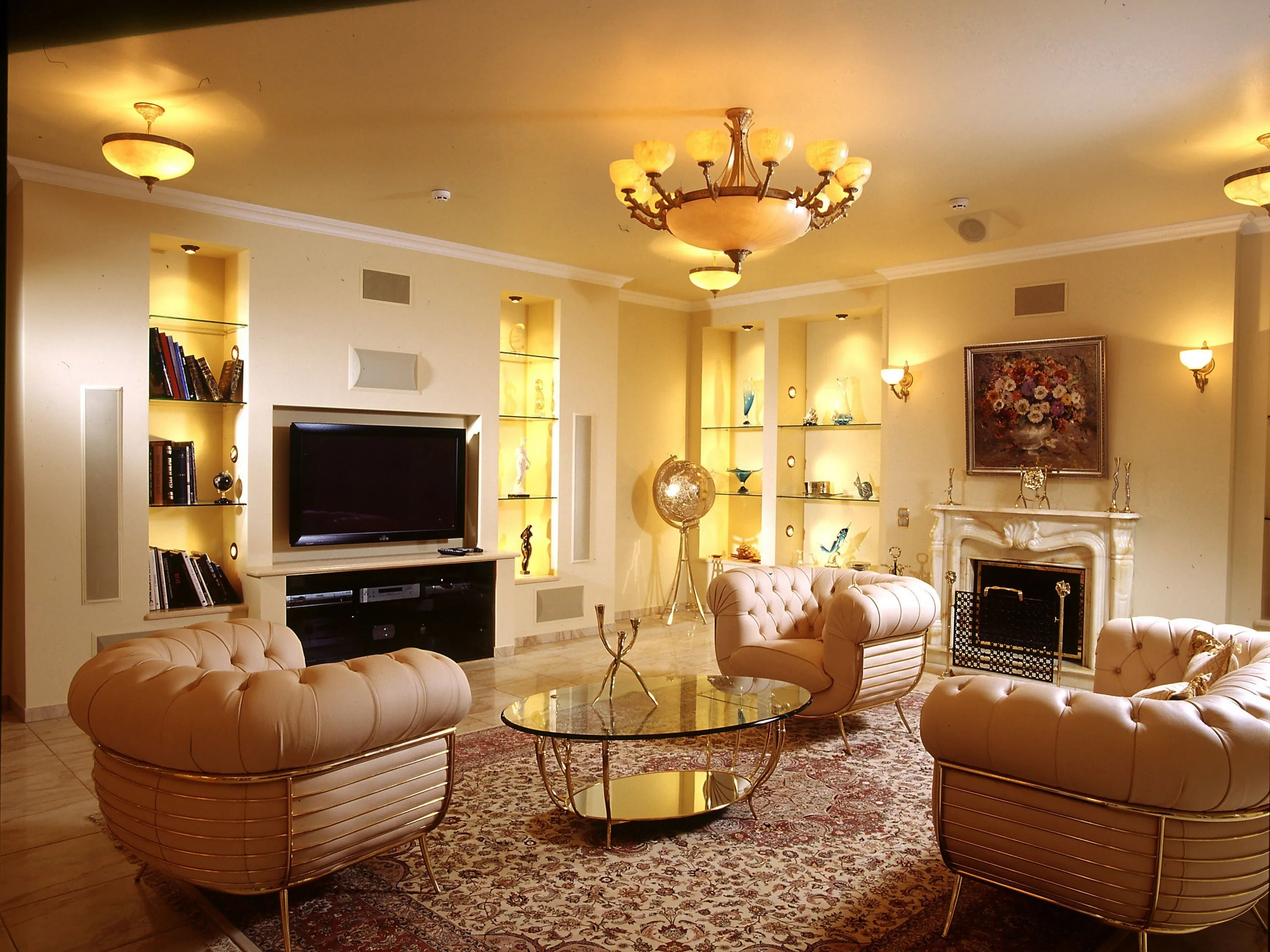
Luxury Living Room Furniture
High-end pieces spanning modern, neo-classical, and Italian Gothic styles — craftsmanship, leathers, and refined artistry.
Read More →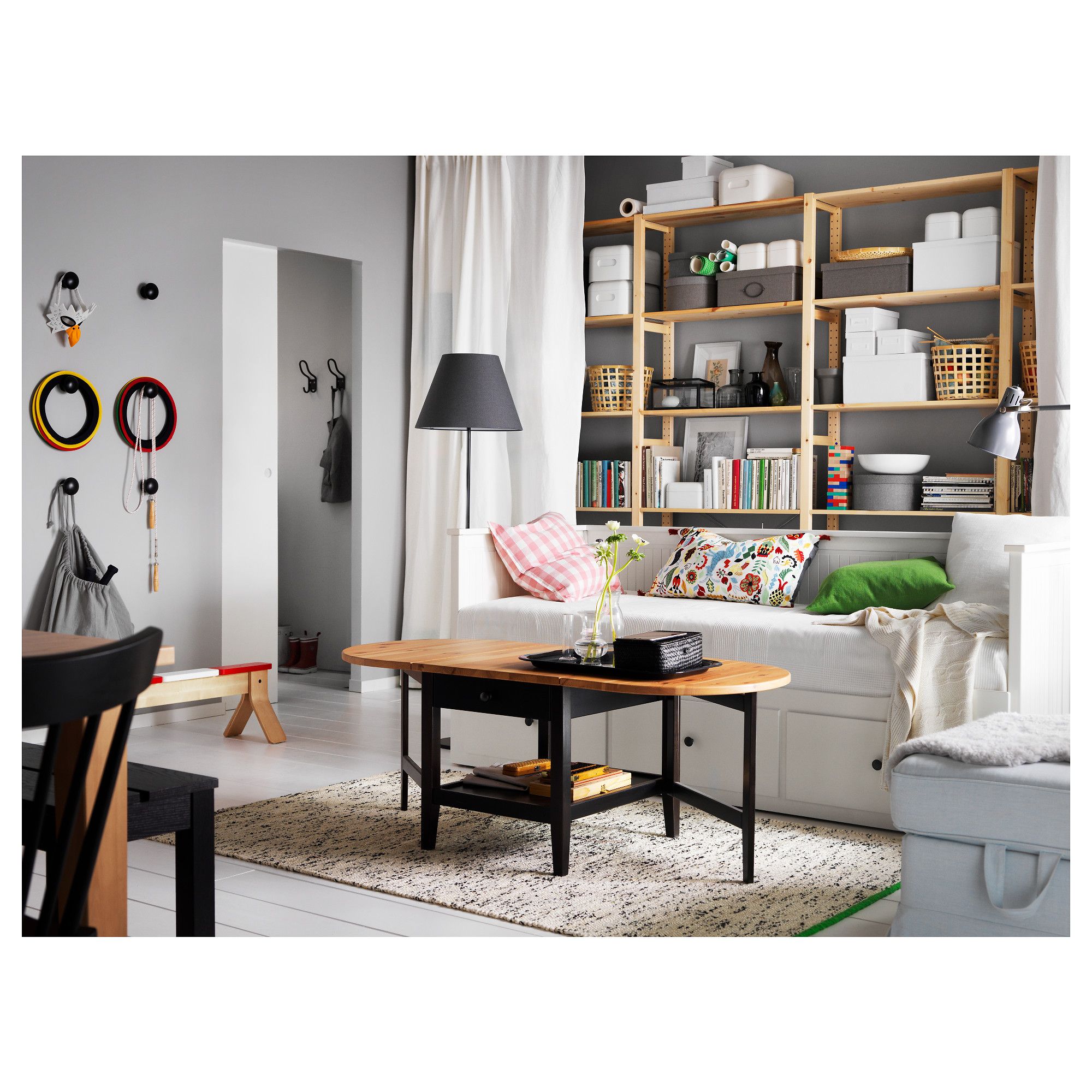
White Living Room Storage Cabinets
Sideboards, curio cabinets, and high-gloss storage units that blend practical organization with decorative appeal.
Read More →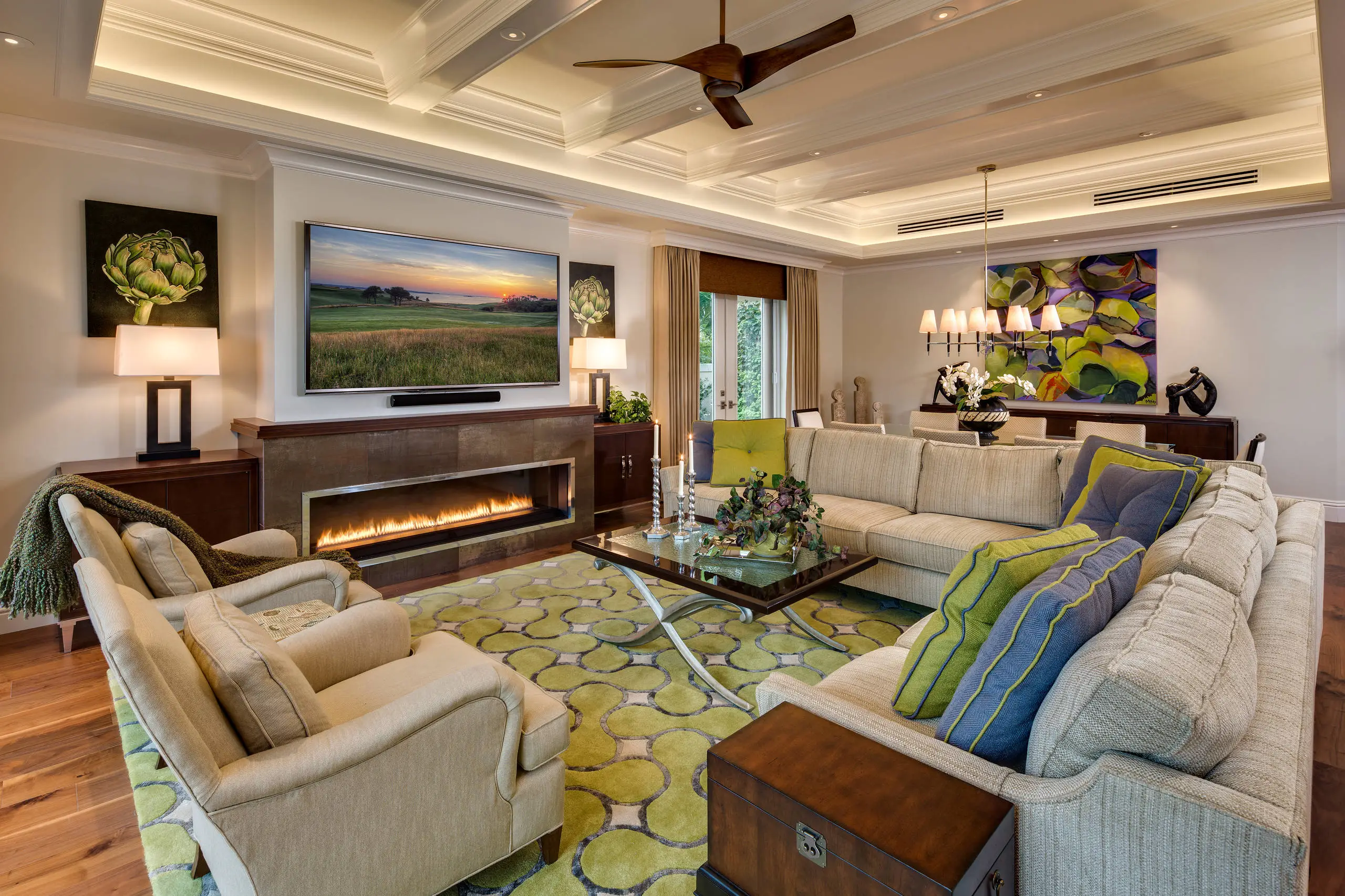
Living Room Decor Essentials
Rugs, pillows, art, lamps, and accent pieces that add layers of color, texture, and personality to any living space.
Read More →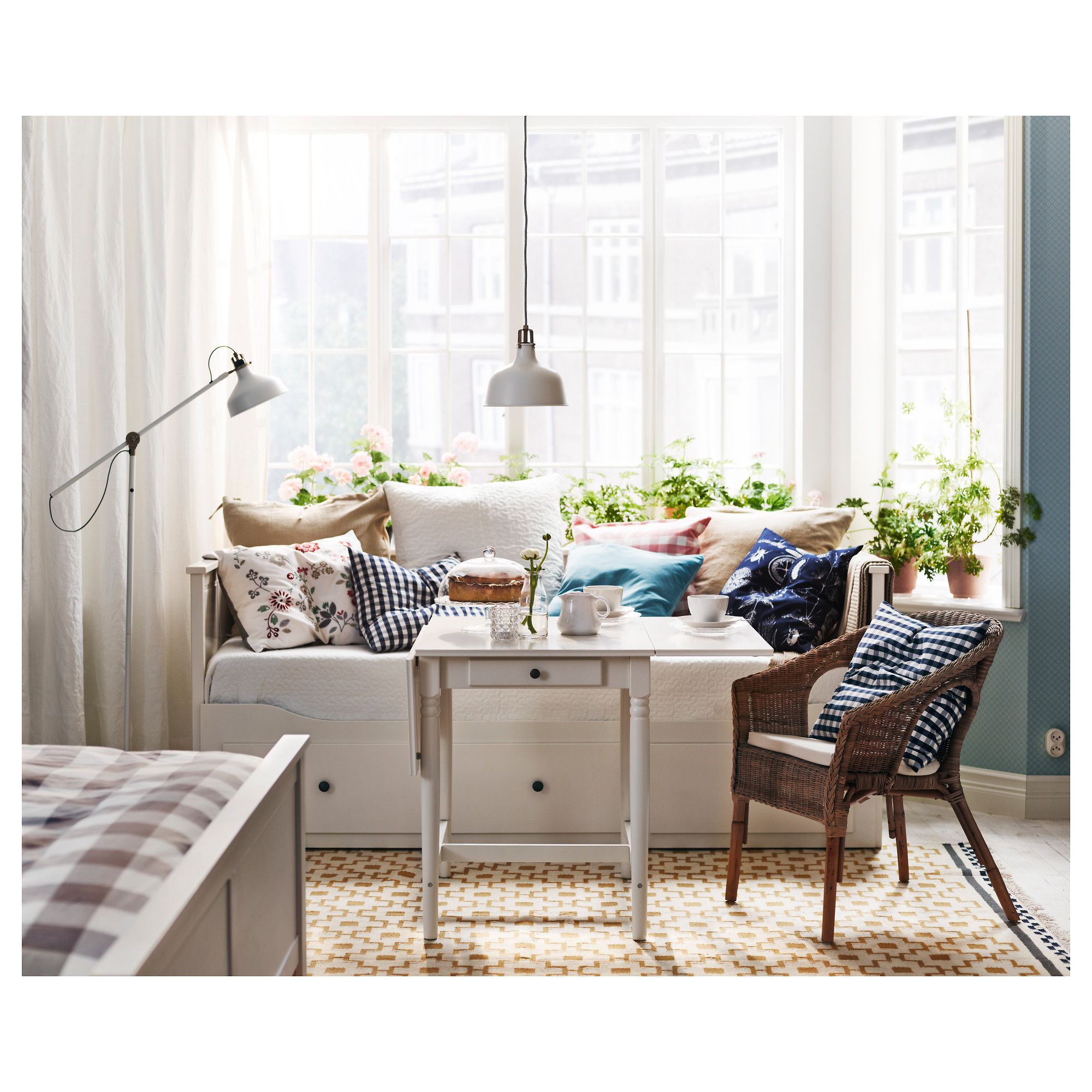
Natural Living Room Decor
Earthy elements, house plants, rustic touches, and organic materials that bring warmth and nature indoors.
Read More →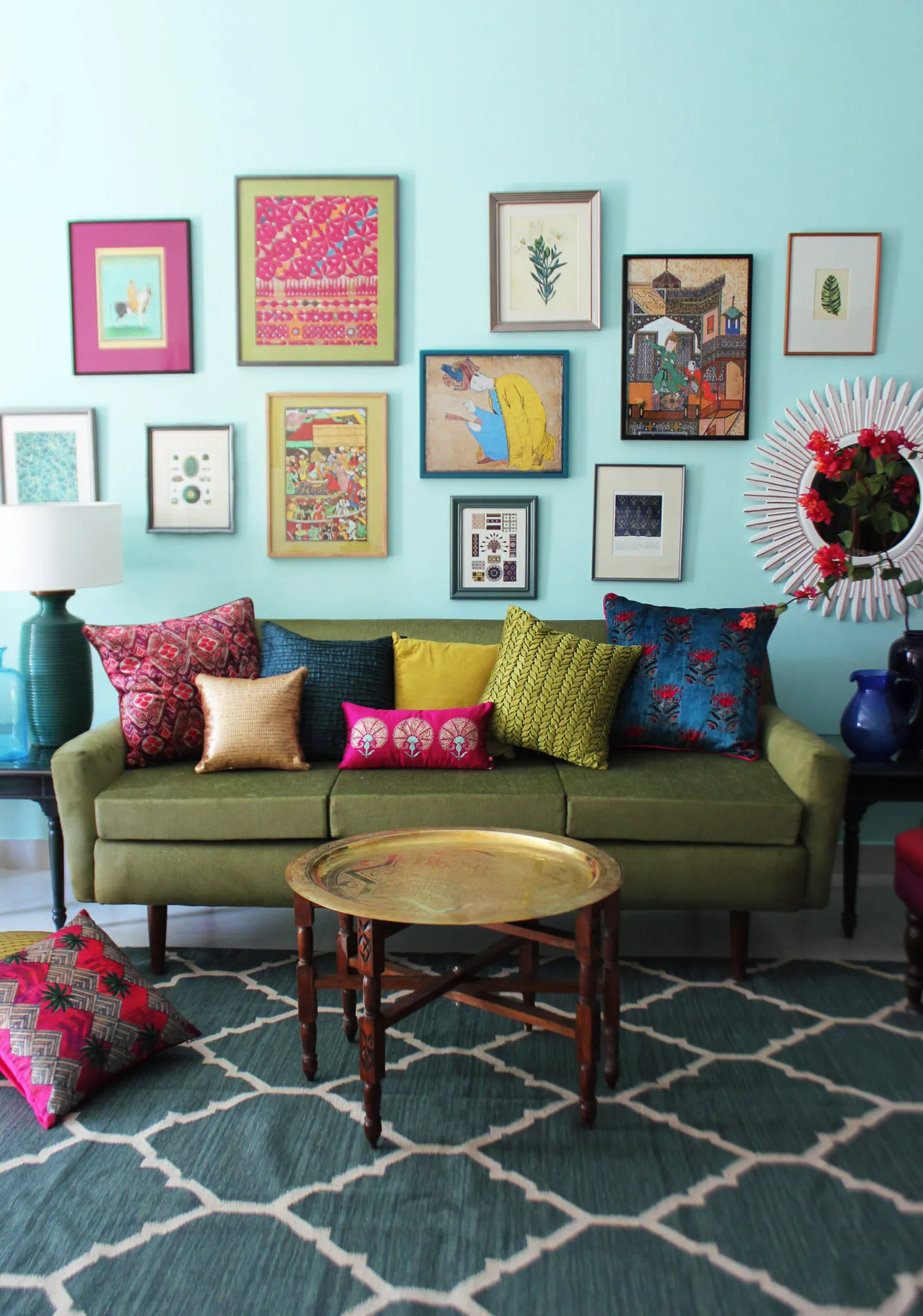
Living Room Ideas: Velvet Sofa
From classic red to trending green and blue, explore how a velvet sofa can transform your living room's character.
Read More →