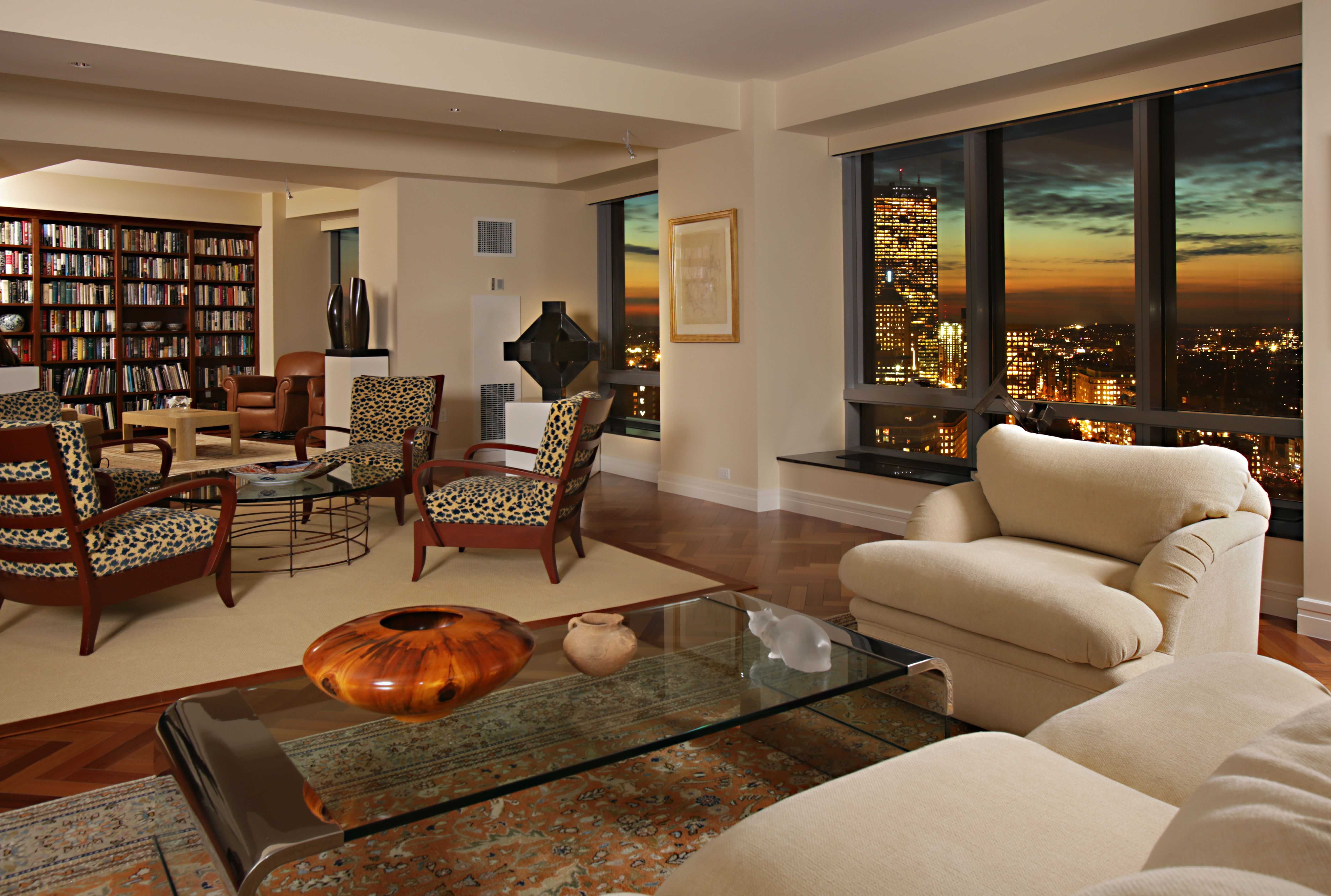
Living Room Design Ideas & Inspiration
Kumpulan Informasi, Tips dan Trik Terlengkap dan Terpercaya — explore curated ideas for sofas, storage, decor, and every style in between.
Explore Ideas →Get Design Inspiration
Tell us what you're looking for and we'll point you to the best articles.
Choosing a Ceiling Fan Style That Complements Your Living Space
A ceiling fan is one of the few fixtures that pulls double duty in an Australian home, moving air while quietly anchoring the visual rhythm of a room. The right model can feel like it has always belonged above the sofa, while the wrong one can clash with the cabinetry, throw the colour palette off balance, or look stubbornly out of place. Choosing well is less about chasing the latest look and more about reading the room you already have.
Australian homes live through long, bright summers and shoulder seasons that swing from mild to muggy, which makes the humble overhead fan a near-permanent feature in living areas from Brisbane to Perth. The challenge is finding a design that disappears into a coastal Bondi apartment, a heritage Queenslander, or a new build in the western suburbs of Melbourne without becoming a noisy distraction. Style, finish, scale, and functionality all need to align with how the room is actually used.
This guide walks through the practical choices that make a ceiling fan feel like part of the decor rather than an afterthought. From blade materials and motor types to sizing rules and pairing with lighting, the aim is to help you shortlist fans that look considered and perform reliably.
Reading the Style of Your Room
Before browsing fan catalogues, take a long look at the existing furniture, flooring, and architectural details. A coastal retreat in Byron Bay built on whitewashed walls, rattan chairs, and bleached oak floors will look awkward with a heavy industrial fan in matte black, just as a warehouse-style apartment in Fitzroy would feel mismatched with a frilled, traditional timber fan. The fan should echo at least one of the dominant textures in the room.
A useful exercise is to identify the room's existing metal finishes. If your light fittings, door handles, and tapware lean towards brushed brass or aged bronze, a fan with matching hardware will tie the scheme together. If the space skews more minimalist Scandi with pale timbers and soft greys, a clean white or pale oak fan tends to feel cohesive. Homes leaning towards the ever-popular Hamptons look often pair beautifully with a fan in matte white, soft taupe, or weathered timber blades, especially when the rest of the room is layered with linen and pale stone.
It also helps to look up. The ceiling itself, whether tongue-and-groove pine, exposed beams, or a smooth plaster finish, sets the tone for any overhead fixture. A solid timber blade fan can enhance a beamed ceiling, while a low-profile hugger fan in white is a quieter match for a flat modern ceiling.
Materials, Finishes, and Blade Designs
The material and finish of the blades and motor housing do most of the visual work, so they deserve careful attention. Timber blades in oak, walnut, or painted finishes bring warmth and suit coastal, Hamptons, and traditional interiors. Metal or moulded ABS blades tend to read more contemporary or industrial and often come in matte black, brushed nickel, or crisp white. Some Australian fans, such as those from local brands like Fanaway and Fanco, offer reversible blade colours so you can flip between a darker and lighter tone depending on the season or mood.
Finishes should always relate to other metallic elements in the room. Brushed nickel pairs naturally with stainless steel appliances and chrome tapware, while matte black fans sit well in spaces with black-framed windows, iron pendant lights, or dark cabinetry hardware. Coastal homes often reach for white or weathered timber finishes that recede against pale walls and linen curtains.
| Fan Finish | Best Room Styles | Pairs Well With |
|---|---|---|
| Matte white | Coastal, Hamptons, Scandi | Linen sofas, white walls, pale oak floors |
| Brushed nickel | Contemporary, transitional | Chrome tapware, glass pendants, grey tones |
| Matte black | Industrial, modern, urban | Black window frames, iron light fittings, concrete |
| Timber (oak or walnut) | Hamptons, traditional, coastal | Leather lounges, jute rugs, warm neutrals |
| Aged brass or bronze | Mid-century, classic, eclectic | Velvet upholstery, warm whites, dark timber |
Choosing a fan that already echoes a colour or finish elsewhere in the room removes the need for it to compete for attention. A moment of incorporating a statement mirror above a console table nearby, for instance, can repeat the same metal finish and quietly anchor the wall the fan sits over.
Sizing Your Fan to the Room
A fan that is too small will look lost in a large open-plan living area, while an oversized one can dominate a compact room and feel oppressive. Australian retailers like Beacon Lighting generally recommend a blade span of around 122 cm for rooms up to 15 square metres, 132 cm for 15 to 20 square metres, and 152 cm or larger for open-plan spaces over 25 square metres. These numbers are a reliable starting point, though ceiling height also matters.
For standard 2.4-metre ceilings, a flush-mount or hugger fan keeps the blades a safe distance from people walking underneath. Higher ceilings, common in many newer Sydney and Brisbane homes, benefit from a downrod to drop the fan to an effective height of around 2.1 to 2.4 metres above the floor. Using an extension pole that is too long can cause wobble, so it is worth checking the manufacturer's recommended downrod length for your specific ceiling pitch.
A simple rule of thumb is to leave at least 30 centimetres between the tip of the blade and the nearest wall. This keeps airflow efficient and prevents the blades from appearing to crowd the room. In long, narrow living rooms, two smaller fans spaced evenly often perform better than a single oversized one.
Integrated Lighting or Fan-Only
Deciding whether the fan should also light the room changes both the visual weight and the practical layout. A fan with an integrated LED light kit can replace a central ceiling light, which is useful in renovations where you want to keep the ceiling clean and avoid extra fittings. LED kits are also energy efficient and align with Australian standards for residential lighting, particularly as more households move away from halogen globes.
A fan without a light, paired with a separate pendant or wall lights, often gives a more curated, layered look. This approach is popular in homes where the lighting design is already established around statement pendants above a dining table or feature wall sconces. If you already have a strong ceiling feature, a fan-only model keeps the visual field calm and lets other elements lead.
For homes chasing a coastal or Hamptons feel, an integrated light with a simple opal diffuser tends to feel softer than exposed bulbs. For industrial or modern spaces, exposed Edison-style LED globes in a fan light kit can become a feature in their own right. The choice usually comes down to whether the fan is the hero of the ceiling or a supporting player.
Pairing the Fan With Your Existing Decor
Once the fan is installed, the way it interacts with surrounding pieces is what really sells the look. In a symmetrical living room, centring the fan on the longest axis of the space, often above the main seating zone, creates a sense of order. The fan should also relate to other vertical elements, particularly tall floor lamps, bookshelves, or curtains, so the eye moves smoothly around the room.
In open-plan homes that combine living and dining areas, a fan above the lounge paired with a pendant above the dining table is a common and effective Australian solution. The two fixtures do not need to match exactly, but repeating a finish or material between them helps the spaces feel connected. A how to style a living room with two couches layout, for example, often benefits from a fan centred between the two seating pieces, with lighting that mirrors the symmetry.
Energy performance is also worth weighing when pairing. Modern DC motor fans, widely available through Australian retailers, use a fraction of the electricity of older AC models and often include reverse functions for winter use. Choosing a fan with a high star rating and a winter and summer reverse switch is a small step that pays off across the long Australian cooling and heating seasons, especially with the cost of electricity continuing to climb in states like South Australia and New South Wales.
Take a slow walk through your living room, note the finishes, colours, and architectural details already at play, and use them as a filter for every fan you consider. A well-chosen overhead fan will feel like a natural extension of the decor, working quietly in the background while pulling the whole room together. Start with one room, refine the choices that suit your style and climate, and the result will be a fan that looks like it was always meant to be there.
What We Cover
Living Room Topics & Ideas
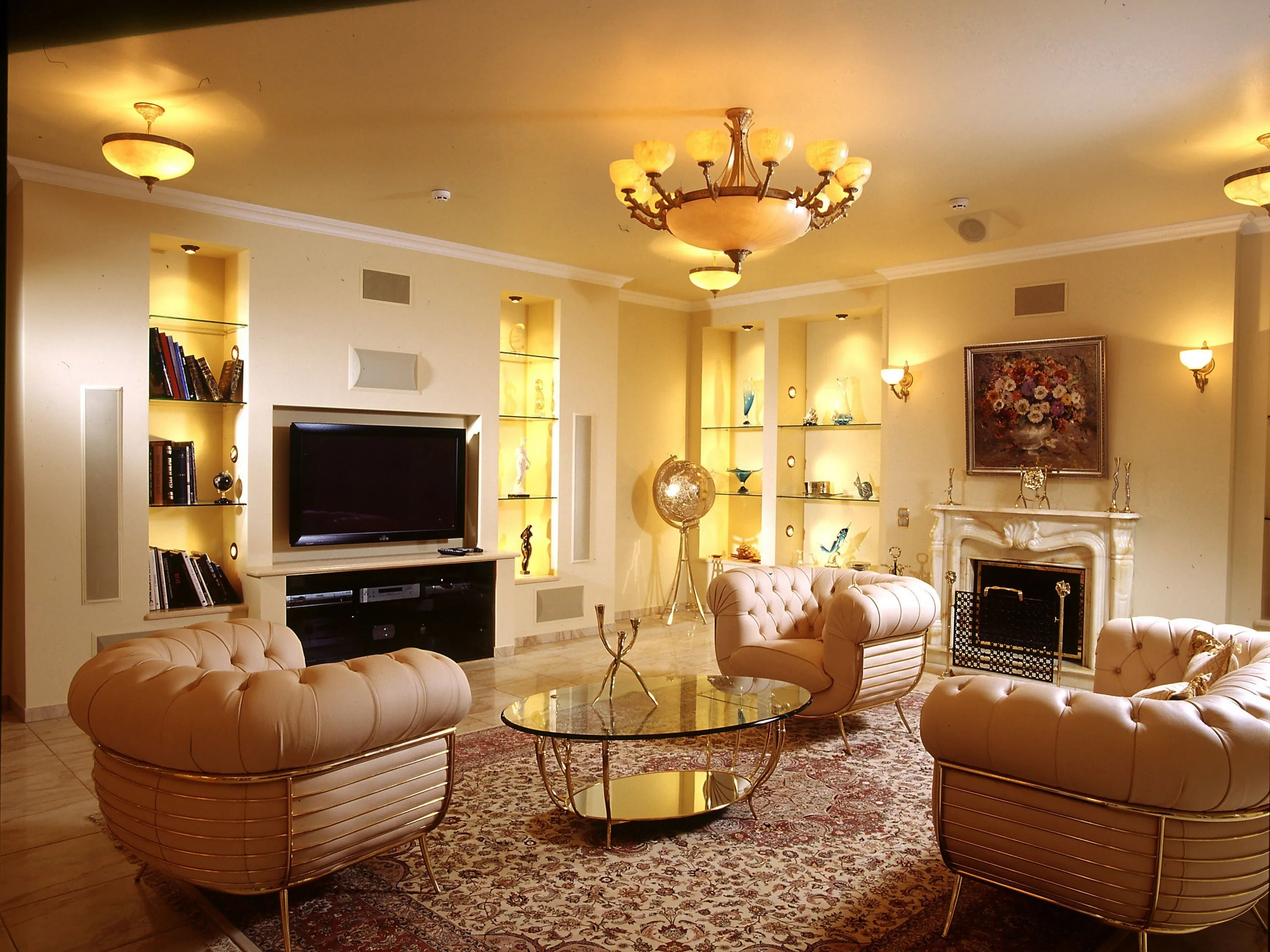
Luxury Living Room Furniture
High-end pieces spanning modern, neo-classical, and Italian Gothic styles — craftsmanship, leathers, and refined artistry.
Read More →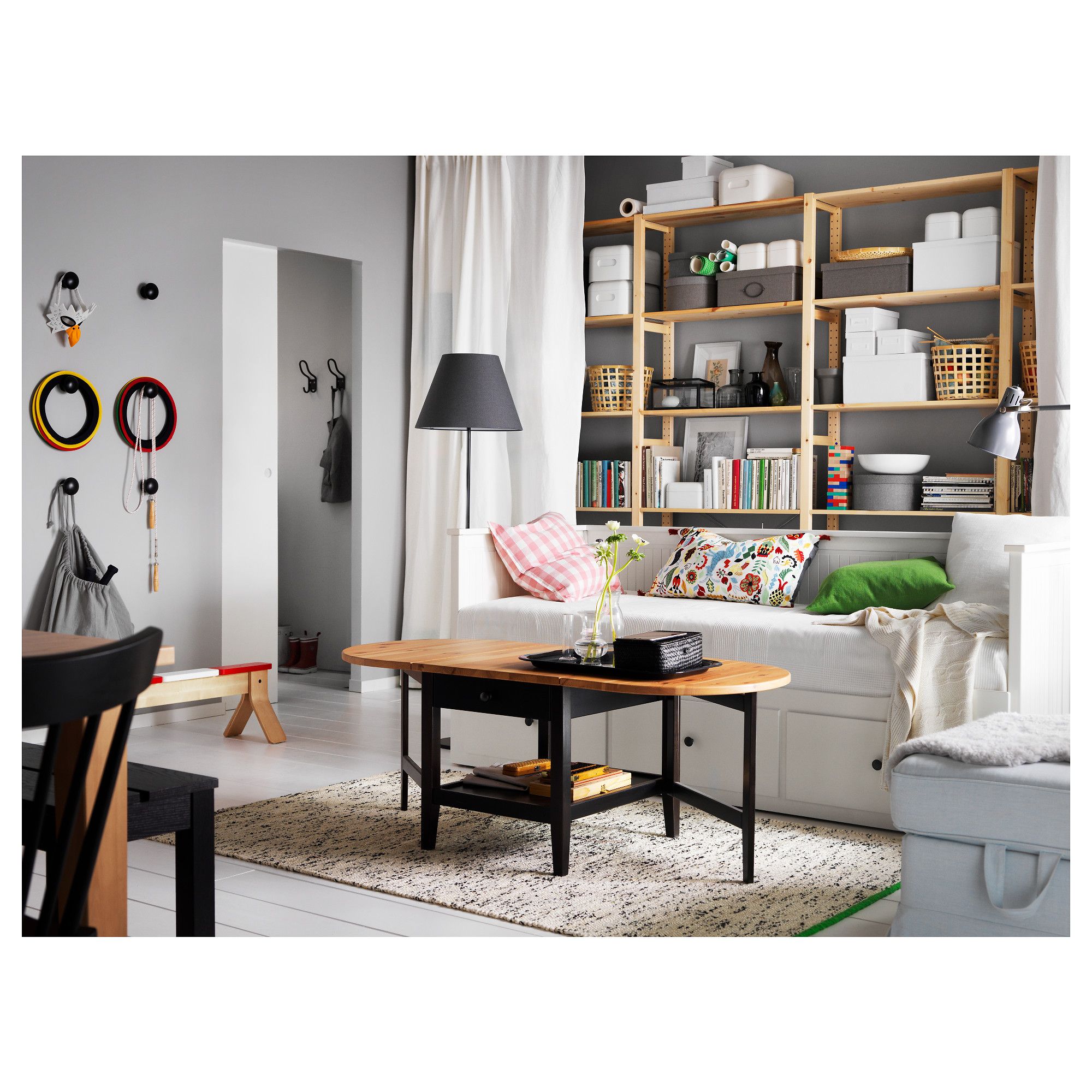
White Living Room Storage Cabinets
Sideboards, curio cabinets, and high-gloss storage units that blend practical organization with decorative appeal.
Read More →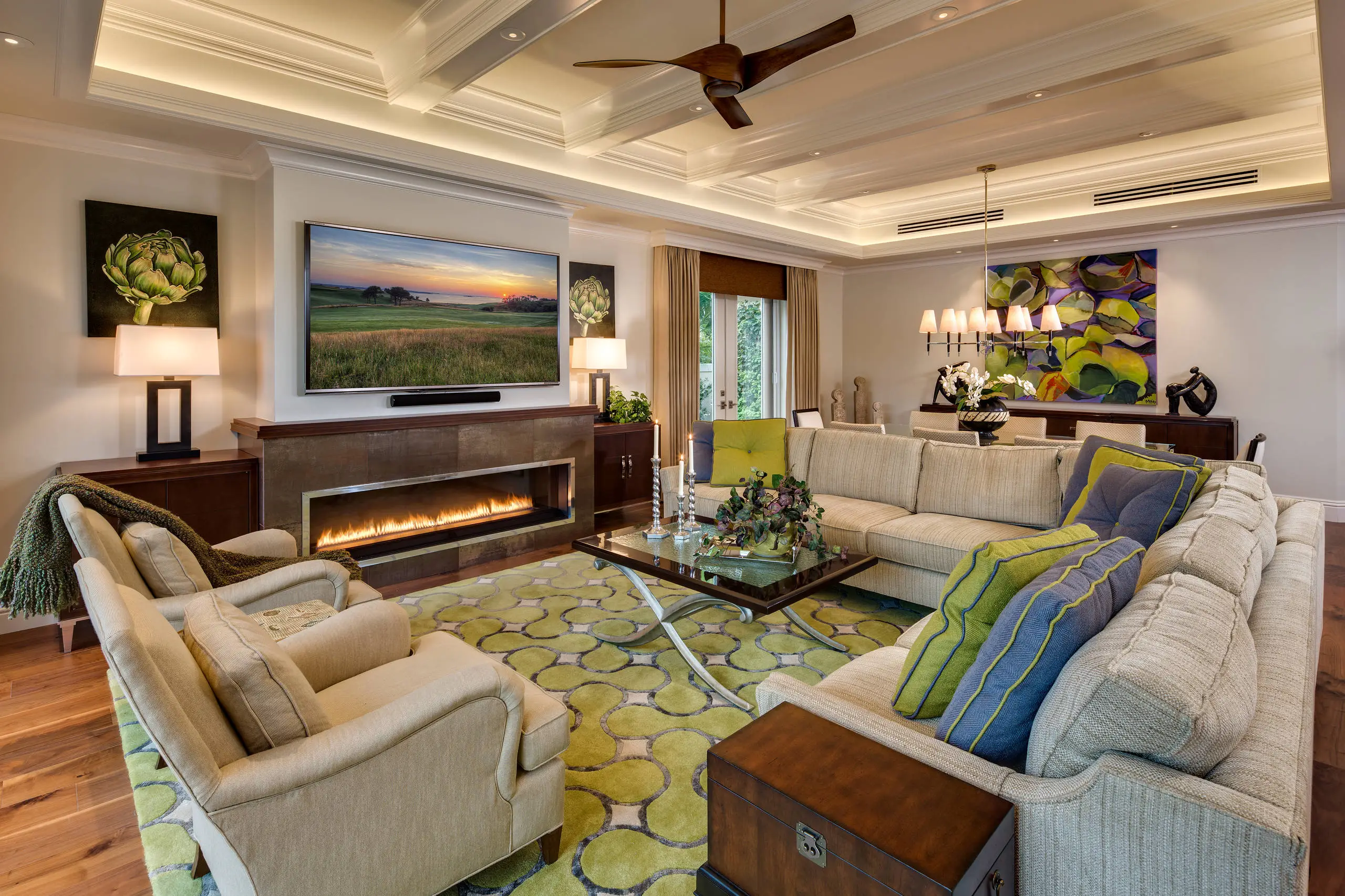
Living Room Decor Essentials
Rugs, pillows, art, lamps, and accent pieces that add layers of color, texture, and personality to any living space.
Read More →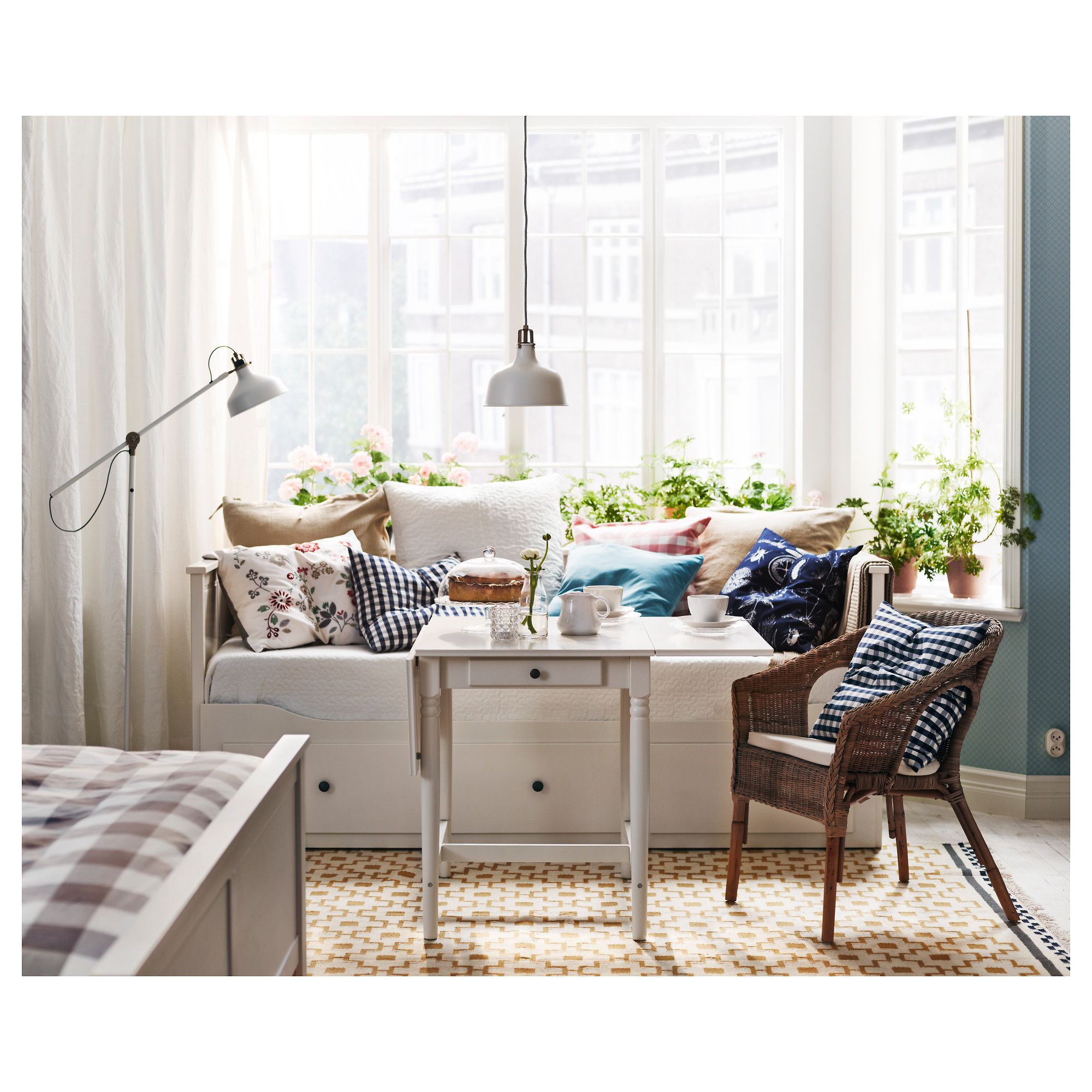
Natural Living Room Decor
Earthy elements, house plants, rustic touches, and organic materials that bring warmth and nature indoors.
Read More →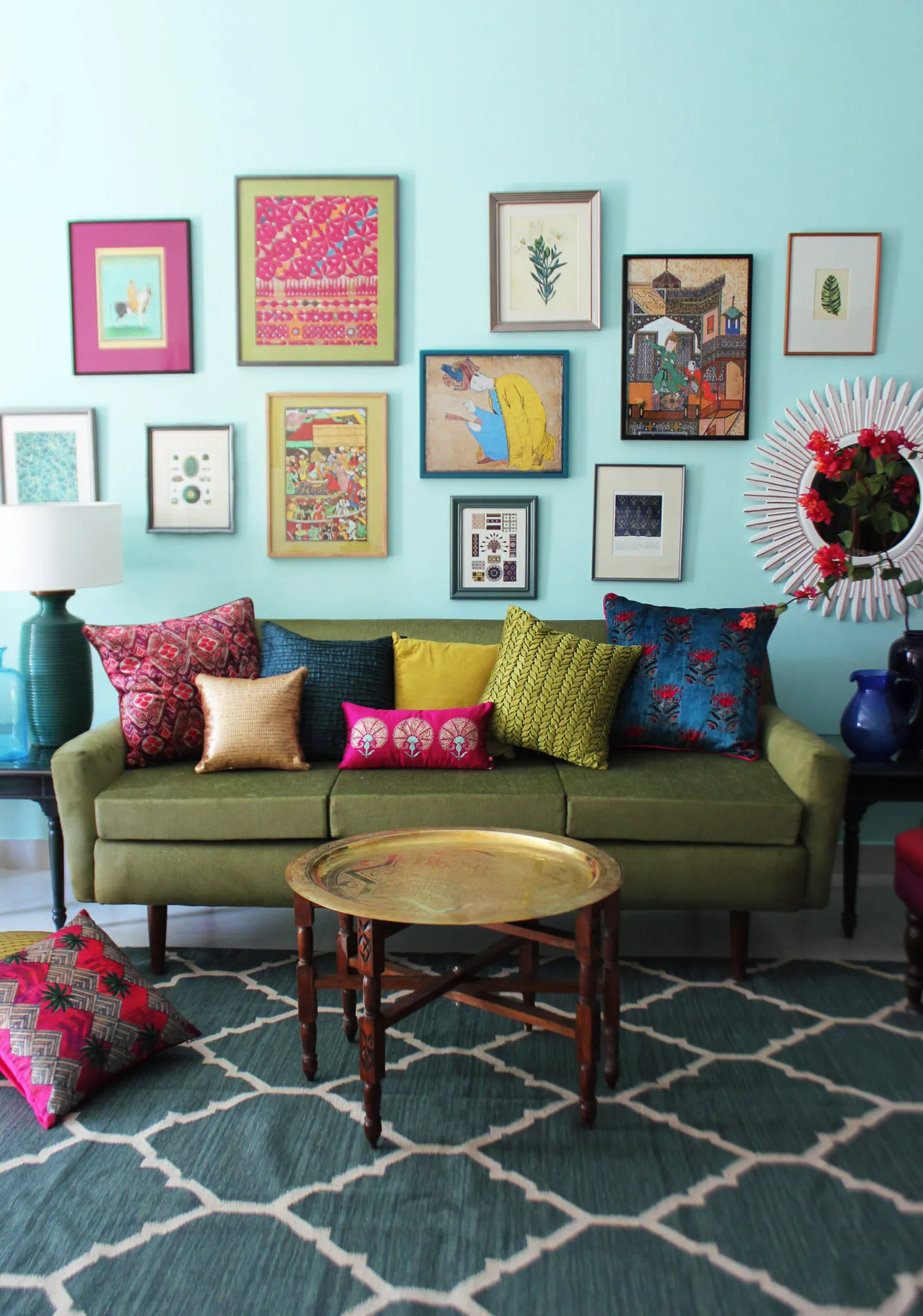
Living Room Ideas: Velvet Sofa
From classic red to trending green and blue, explore how a velvet sofa can transform your living room's character.
Read More →