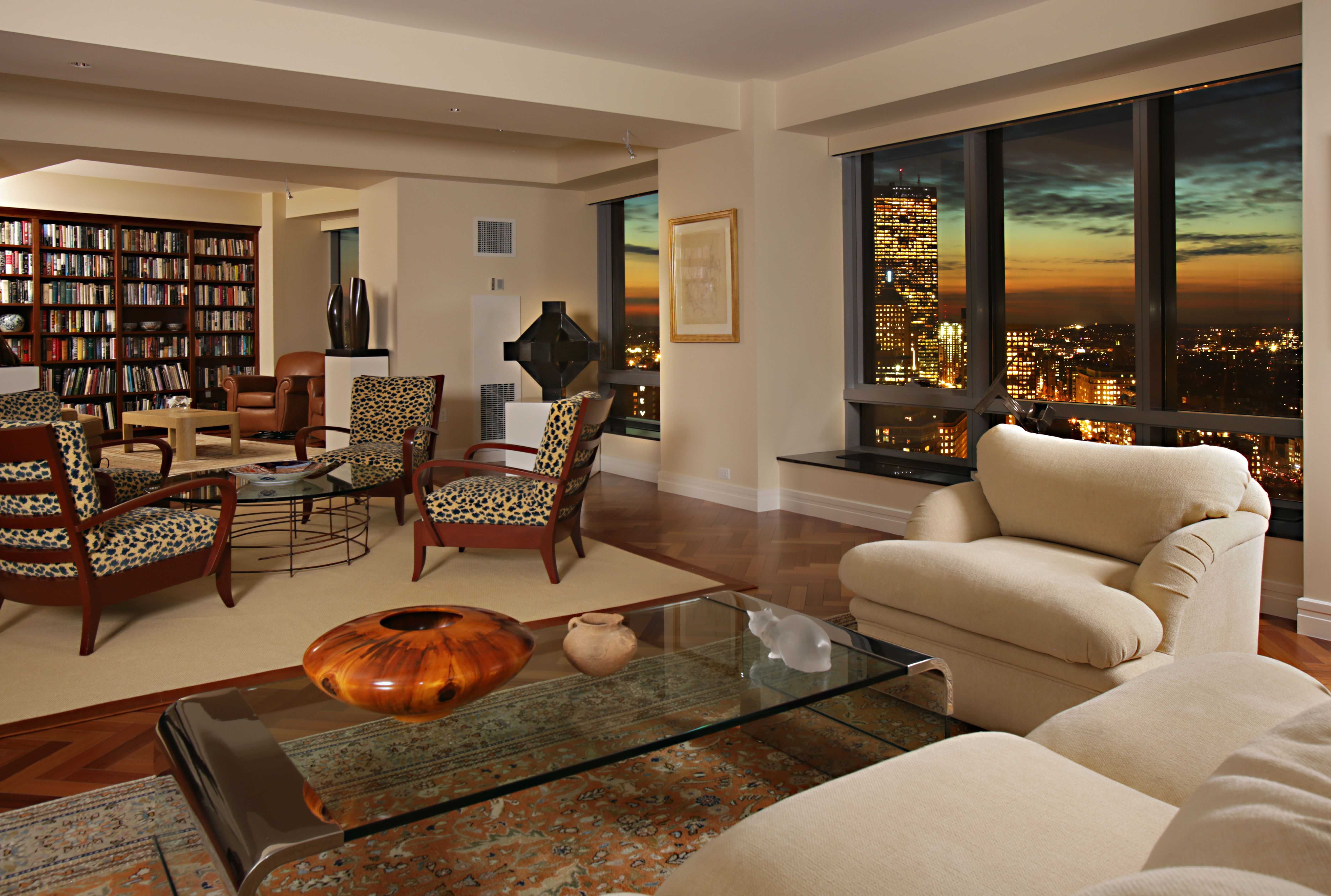
Living Room Design Ideas & Inspiration
Kumpulan Informasi, Tips dan Trik Terlengkap dan Terpercaya — explore curated ideas for sofas, storage, decor, and every style in between.
Explore Ideas →Get Design Inspiration
Tell us what you're looking for and we'll point you to the best articles.
How to Arrange a Corner Sofa with a Chaise for Better Flow
A corner sofa with a chaise can make a living room feel generous, relaxed and beautifully furnished. It provides plenty of seating without requiring several separate chairs, yet its L-shaped footprint needs careful planning. Place it poorly and the chaise can interrupt a walkway or make the room feel narrower than it is.
The best arrangement supports how people move through the space. In an Australian home, that may mean leaving a clear route from the front door to the kitchen, keeping access to an alfresco area open, or allowing room for family life around a coffee table. The aim is a layout that looks balanced while remaining easy to use every day.
Before moving heavy furniture, measure the room, note every doorway and mark the sofa’s proposed outline with painter’s tape. This simple step shows whether the chaise blocks circulation, clashes with a television or crowds a dining zone. It also helps you compare left-hand and right-hand configurations before committing.
Measure The Room And Mark The Main Routes
Begin with a scaled sketch or a digital floor plan. Record wall lengths, window positions, radiator or air-conditioning vents, power points and the swing of each door. In Sydney and Melbourne apartments, where open-plan living areas often share space with a kitchen or dining zone, a few centimetres can determine whether the room feels comfortable or congested.
Allow a practical walkway around the sofa rather than measuring only the furniture itself. A passage of about 75 to 90 centimetres generally feels comfortable for regular movement, while a tighter route may work beside a rarely used wall. Keep the main path visually obvious, particularly if it connects the entry with a balcony, courtyard or kitchen.
Use masking tape to outline the full dimensions, including the chaise. Walk around it carrying a basket, opening cupboards and pulling out dining chairs. This reveals problems that a plan may hide, such as a chaise corner catching a door or forcing people to squeeze between the sofa and coffee table.
Choose The Chaise Direction With Purpose
The chaise should support the room’s natural orientation. If the living room leads towards a balcony or garden, place the chaise where it creates a comfortable lounging edge without narrowing the access route. If the television is on a short wall, orient the longer sofa section towards it and keep the chaise to the side rather than directly in front of the screen.
Consider the habits of everyone using the room. A household that watches films together may prefer the chaise facing the television, while a home that entertains may benefit from an arrangement that opens towards guests. In warmer Queensland homes, positioning the chaise away from direct afternoon sun can also reduce fading and make the seating cooler.
Check the manufacturer’s terminology carefully. “Left-hand facing” and “right-hand facing” can describe the sofa from the front or while sitting on it, depending on the retailer. Ask for a diagram before ordering, and confirm delivery access through lifts, stairwells and narrow hallways.
Keep Furniture In Conversation
A floating sofa can define a living area more effectively than pushing every piece against the walls. Leave enough space behind it for circulation only if that route is genuinely useful; otherwise, placing the back close to a wall can preserve valuable floor area. In a Melbourne terrace or compact Brisbane lounge, an efficient wall position may leave more room for storage and play.
Anchor the sofa with a rug that extends beneath at least the front legs. This visually connects the seating, coffee table and occasional chair. Keep the coffee table far enough away for comfortable legroom, but close enough that people can reach it without leaning. Rounded or oval tables are especially useful where an L-shaped sofa creates a busy corner.
For a large room, add one or two lightweight chairs opposite the sofa to form a conversational grouping. Avoid filling every empty spot. Open floor space around the main seating makes the room appear calmer and keeps the circulation route legible.
| Living room condition | Useful sofa position | Supporting choice |
|---|---|---|
| Narrow open-plan room | Keep the chaise along the least-used wall | Slim coffee table and wall-mounted storage |
| Large square room | Float the sofa to define the lounge zone | Rug, two occasional chairs and a console |
| Balcony or garden access | Keep the route beside the shorter sofa section | Low-profile furniture and clear doorway |
| Television on a short wall | Face the long sofa section towards the screen | Swivel chair or compact side table |
| Small apartment | Use a compact chaise and avoid deep arms | Nesting tables and vertical shelving |
Balance Storage, Technology And Focal Points
The sofa should relate to a clear focal point, such as a television, fireplace, artwork or view. Avoid placing it so the chaise hides a feature window or creates an awkward sightline to the room’s main attraction. If the television is necessary, centre it to the seating area rather than automatically centring it on the wall.
Storage can improve flow when it uses vertical space. Floor-to-ceiling shelving keeps books and decorative pieces organised without adding several low cabinets, and these floor-to-ceiling bookshelves can make a living room feel more intentional around a large sofa.
Keep power cords away from the principal walkway. A slim console behind a floating sofa can hide charging equipment, while a floor lamp beside the chaise supplies focused light without requiring a bulky table. For connected lighting, speakers or automated blinds, the edge computing association provides useful background on how local processing supports responsive smart-home systems.
Layer Texture Without Adding Visual Weight
The upholstery, rug and curtains should create contrast without making the corner feel heavy. A pale rug can visually enlarge a charcoal sofa, while timber accents and woven baskets soften a strong modular shape. In a coastal Australian scheme, linen-look fabrics, pale oak and muted blue can feel relaxed without relying on a beach-themed palette.
Velvet can bring richness to a living room, particularly in deep green, rust or navy. It is worth considering how the fabric will handle pets, children and strong sunlight before choosing it; a guide to velvet sofa ideas can help compare colour, styling and placement options.
Keep accessories concentrated rather than scattered. One substantial artwork above the sofa usually has more impact than several undersized frames, and a single tall plant can soften the chaise corner. Leave the arm and seat edges clear so the furniture retains its generous, usable appearance.
Check Everyday Comfort Before Finalising
Live with the taped layout for a day if possible. Notice whether someone has to walk in front of the television, whether the coffee table interrupts the quickest route, and whether the chaise becomes a place where bags and laundry collect. A successful plan should accommodate real routines, not just look attractive in a photograph.
Think about cleaning and maintenance as well. Leave enough clearance to vacuum beneath and beside the sofa, and avoid trapping the chaise against an air-conditioning vent. In homes with polished timber or hard flooring, use suitable felt pads and a non-slip rug underlay to protect surfaces and reduce movement.
Renters should check their lease and relevant state tenancy rules before drilling into walls or fixing anti-tip hardware. Owners in apartments may also need to review strata by-laws, particularly when deliveries, lift protection or flooring changes are involved. When purchasing locally, retain receipts and product information because the Australian Consumer Law provides consumer guarantees for goods that are safe, durable and fit for purpose.
Mark the preferred sofa footprint, rug position and walking routes on the floor before arranging the room. Then adjust one element at a time until the chaise offers a comfortable place to relax without taking over the room. A considered layout will make the living area easier to navigate, more welcoming to guests and better suited to everyday Australian life.
What We Cover
Living Room Topics & Ideas
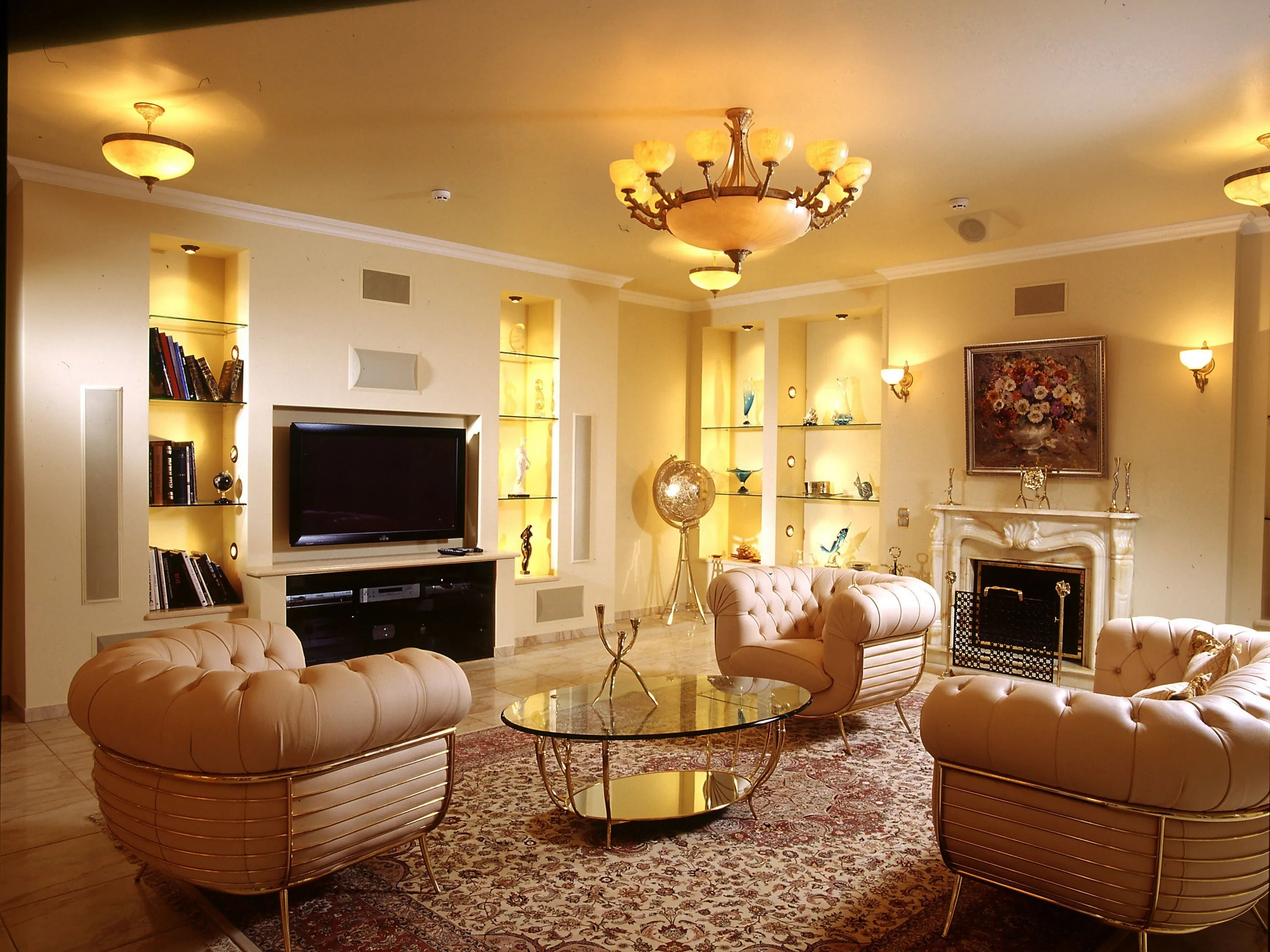
Luxury Living Room Furniture
High-end pieces spanning modern, neo-classical, and Italian Gothic styles — craftsmanship, leathers, and refined artistry.
Read More →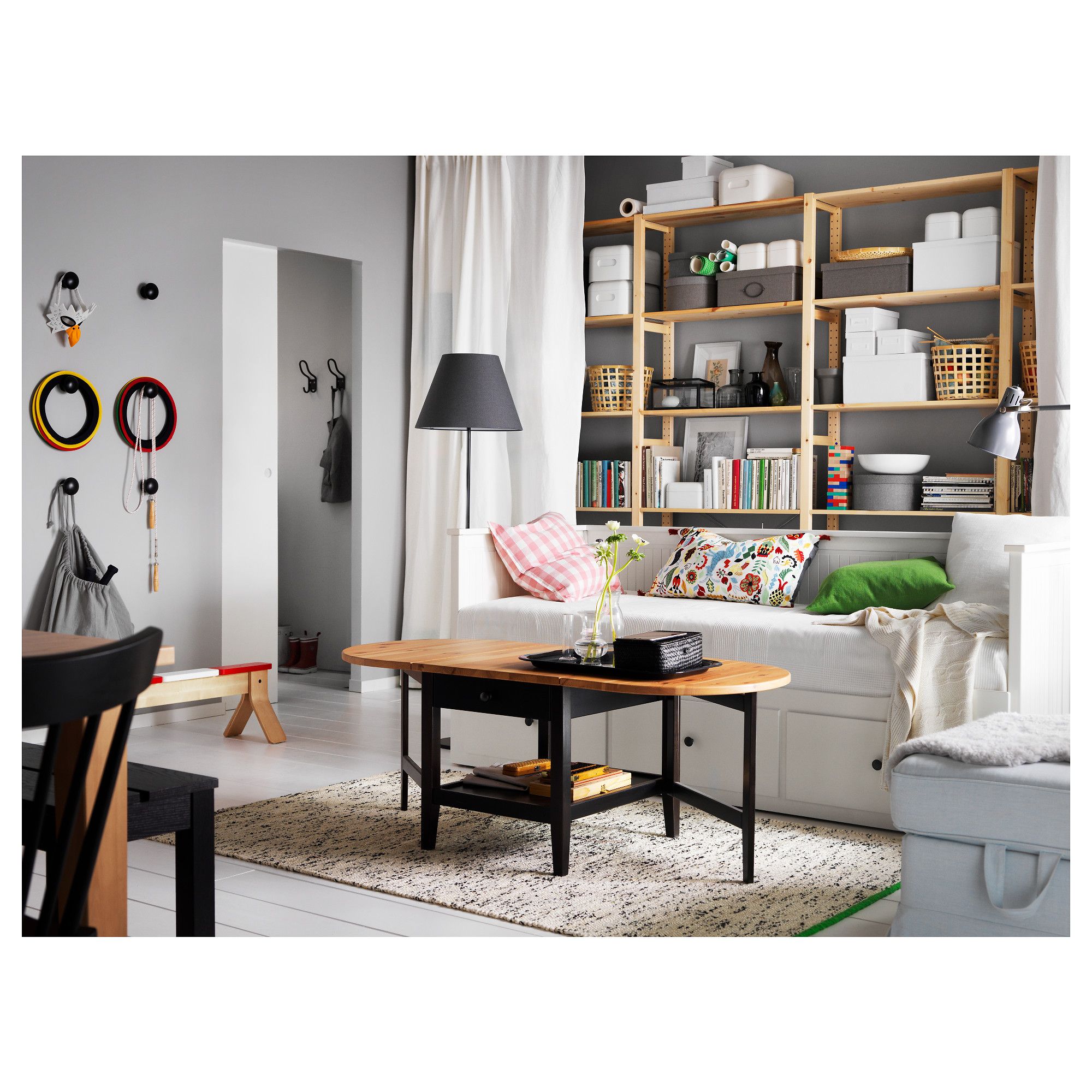
White Living Room Storage Cabinets
Sideboards, curio cabinets, and high-gloss storage units that blend practical organization with decorative appeal.
Read More →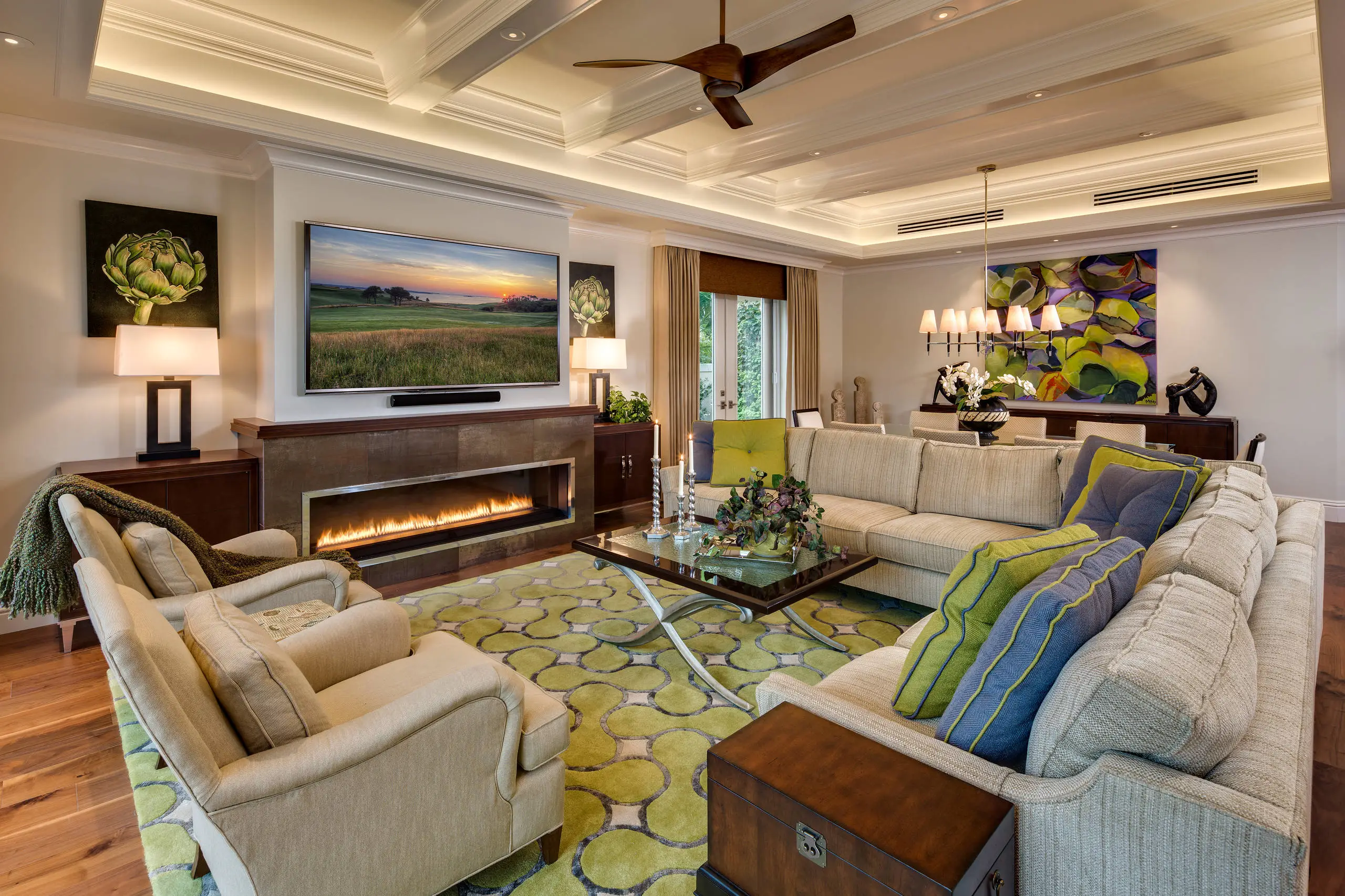
Living Room Decor Essentials
Rugs, pillows, art, lamps, and accent pieces that add layers of color, texture, and personality to any living space.
Read More →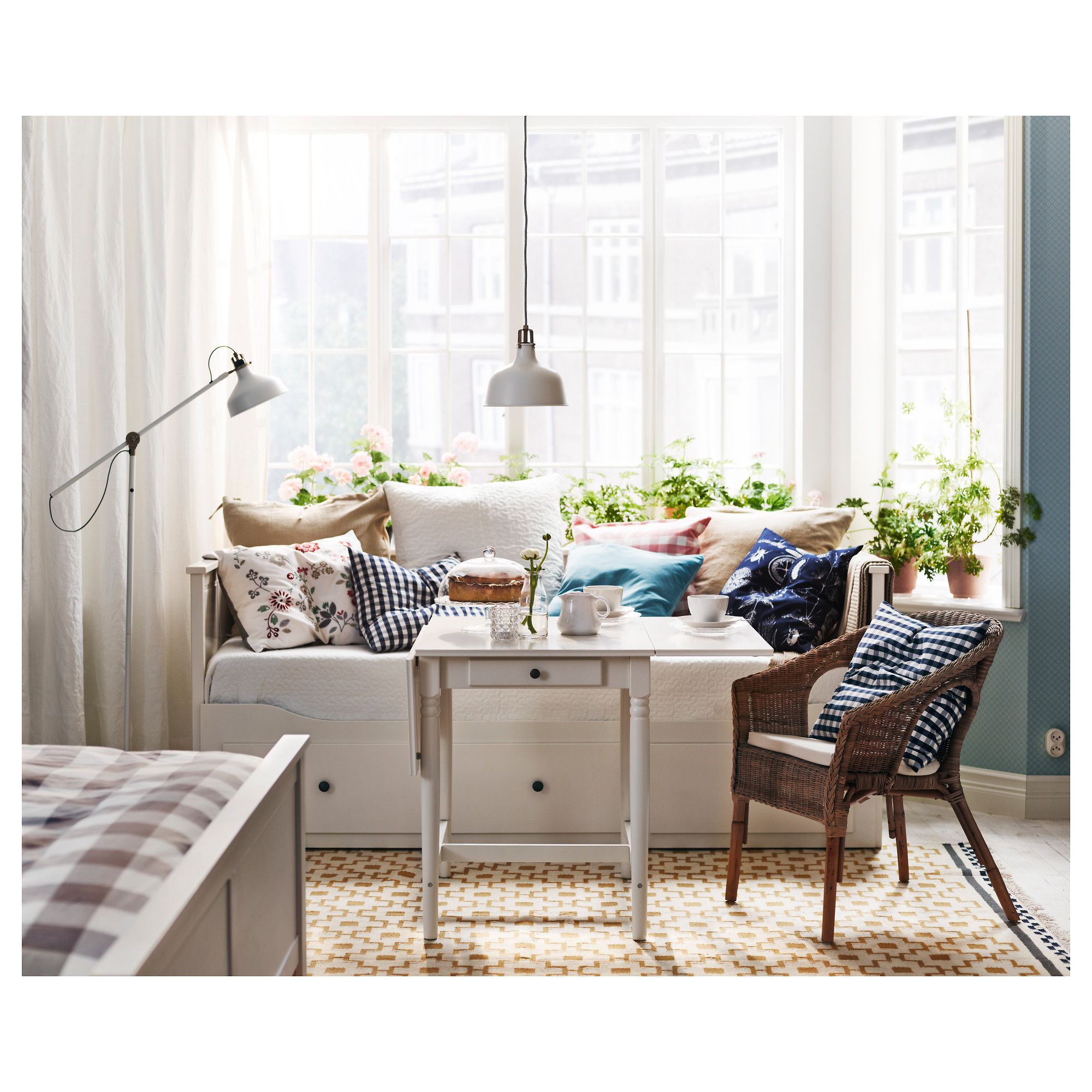
Natural Living Room Decor
Earthy elements, house plants, rustic touches, and organic materials that bring warmth and nature indoors.
Read More →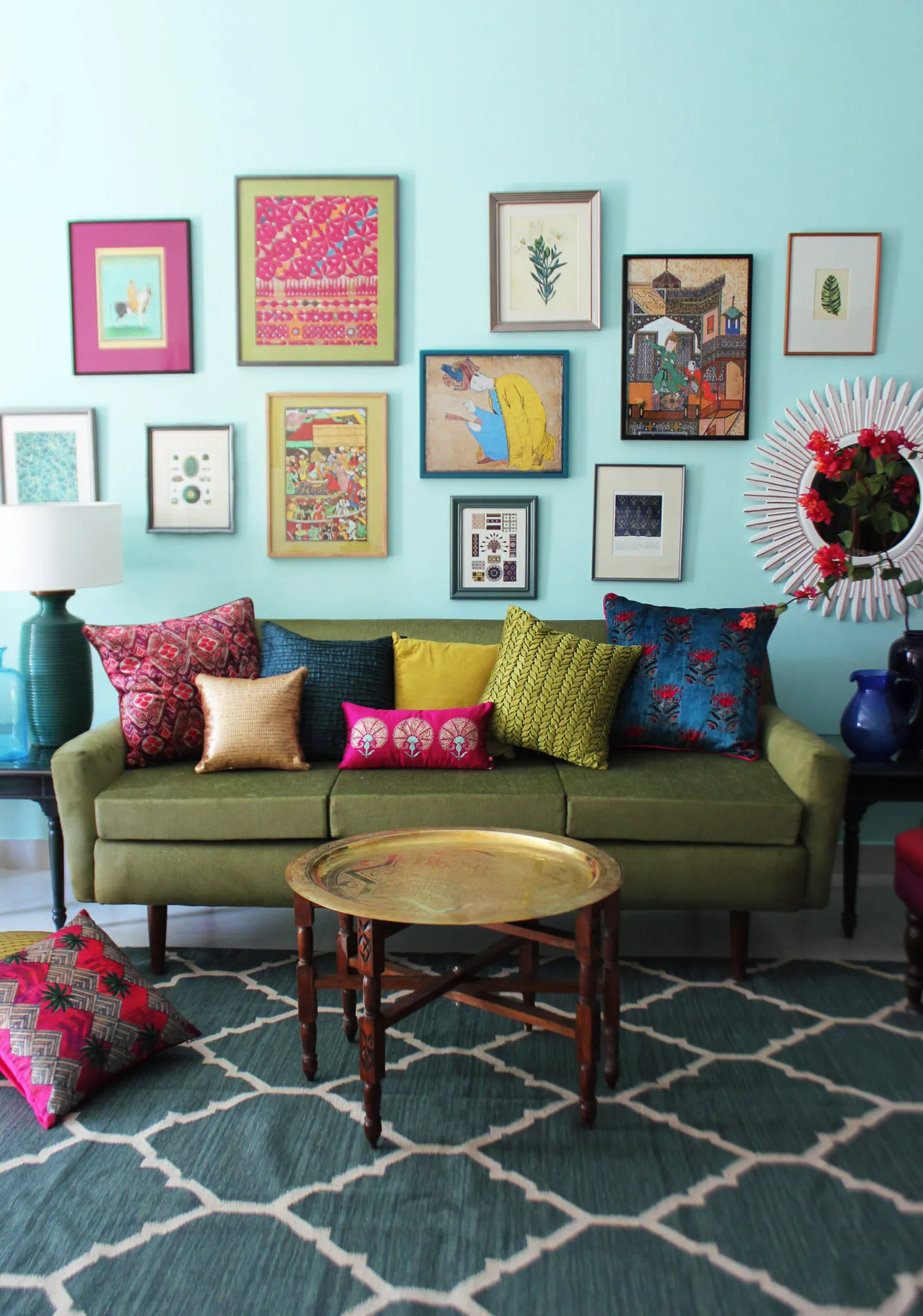
Living Room Ideas: Velvet Sofa
From classic red to trending green and blue, explore how a velvet sofa can transform your living room's character.
Read More →