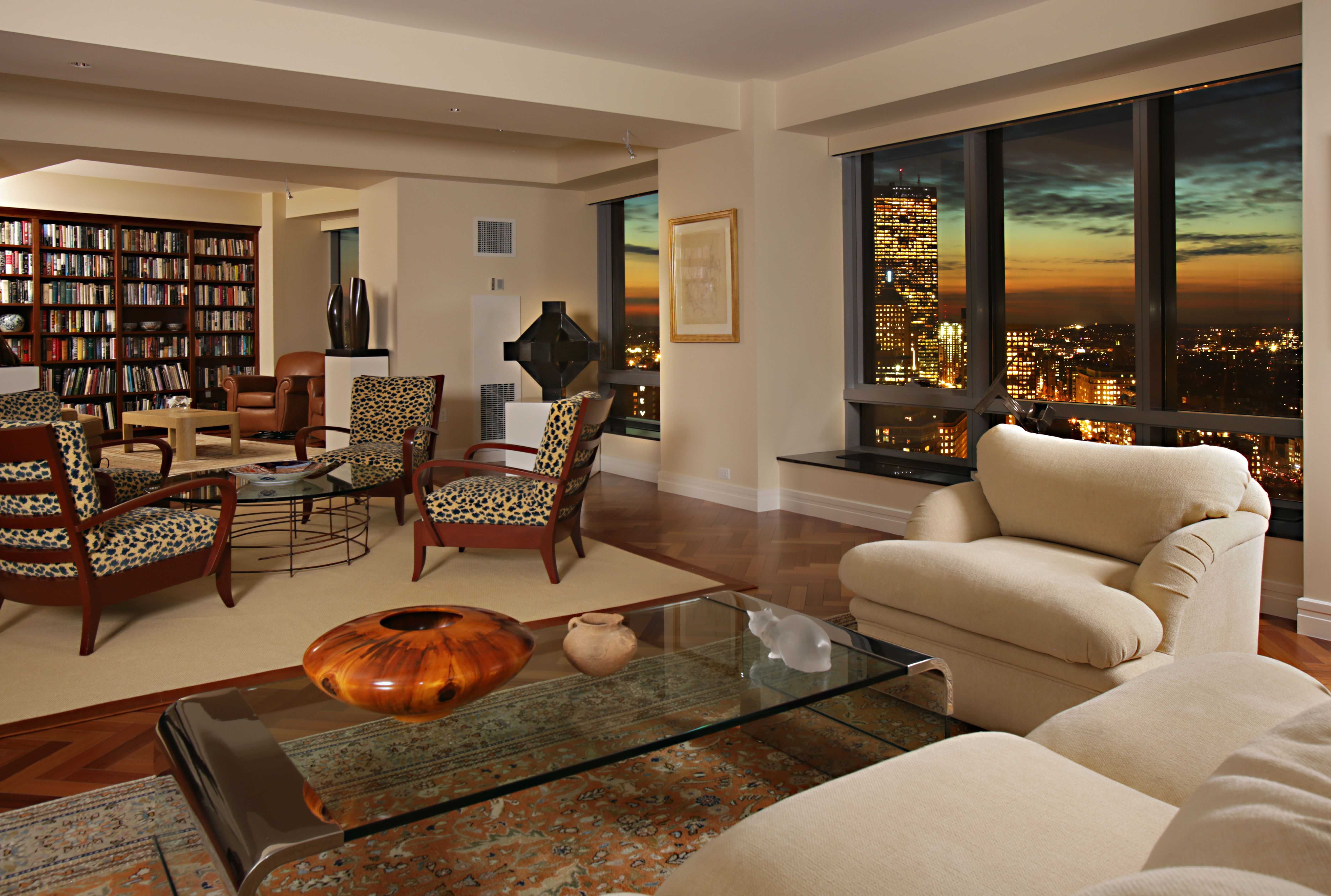
Living Room Design Ideas & Inspiration
Kumpulan Informasi, Tips dan Trik Terlengkap dan Terpercaya — explore curated ideas for sofas, storage, decor, and every style in between.
Explore Ideas →Get Design Inspiration
Tell us what you're looking for and we'll point you to the best articles.
Creating a minimalist living room with clean lines and few decor items
A minimalist living room is less about owning almost nothing and more about giving every piece a clear purpose. Clean-lined furniture, an edited colour palette and generous breathing space can make a room feel calm without making it cold or unfinished. The aim is a comfortable space where light, proportion and texture do most of the decorating.
This approach works particularly well in Australian homes, from compact Sydney apartments to open-plan houses in Brisbane and Perth. Strong daylight, warm summers and a preference for relaxed entertaining all influence how a pared-back room should be planned. A minimalist scheme needs to feel practical enough for everyday life, whether the sofa hosts weekend guests or the coffee table becomes a place for schoolwork.
The best results come from making decisions in the right order. Start with the room’s layout and storage, then choose large furniture, lighting and a restrained selection of accessories. This prevents a collection of attractive items from becoming visual clutter and helps the finished space feel intentional.
Start with the room’s natural structure
Before buying anything, study the room’s proportions, walkways and sources of daylight. In a Melbourne terrace, a narrow living area may benefit from a sofa placed along the longest wall, while a broad Queensland room could suit a floating seating arrangement that divides the lounge from the dining zone. Leave clear paths between doors, windows and frequently used furniture.
Clean lines are easiest to appreciate when the background is quiet. Consider warm white, pale greige, soft sand or a muted grey for the walls, depending on the amount of sun the room receives. Australian north-facing rooms can handle cooler neutrals, while darker south-facing spaces often look more welcoming with creamy undertones. Keep skirting boards, architraves and larger built-ins close in colour to the walls for a seamless effect.
Natural materials add character without introducing visual noise. Timber flooring, woven rugs, linen curtains and stone surfaces bring subtle variation to a simple room. Choose one or two dominant finishes rather than mixing several wood tones and competing patterns. This creates a refined backdrop for furniture and makes future changes easier.
Build a restrained colour palette
A reliable minimalist palette usually contains three layers: a quiet base, a mid-tone and a small accent. For example, ivory walls can be paired with a pale oak coffee table, a mushroom-coloured sofa and a few charcoal details. The accent might appear in a cushion, artwork frame or ceramic object rather than across every surface.
White is not the only option for a pared-back interior. Clay, eucalyptus green, dusty blue and warm ochre can all work beautifully in Australian homes, especially when balanced with natural timber. These colours reflect local landscapes without turning the room into a themed space. If you prefer a monochromatic scheme, vary the texture through boucle, wool, matte ceramics and smooth leather.
Use pattern sparingly. A plain rug and solid upholstery can make a room feel settled, while one geometric cushion or softly striped throw provides enough interest. For a useful checklist of foundational pieces, browse these living room essentials before adding decorative extras.
Choose furniture with visual discipline
The sofa should be the anchor, so prioritise a simple silhouette, durable fabric and a size that leaves comfortable circulation around it. Low-profile designs with straight arms create a contemporary look, while a softly curved sofa can prevent a minimalist room from feeling too rigid. In busy Australian households, performance upholstery or washable covers are worth considering, particularly where children, pets or sandy feet are part of daily life.
Avoid filling every corner with a matching furniture set. A sofa, one occasional chair and a compact coffee table may be enough for a small room. In a larger space, add a slender side table or a low bench rather than several bulky pieces. Furniture raised on legs can make a compact Sydney apartment appear more spacious because more flooring remains visible.
Pay attention to scale as much as style. A tiny rug under a large sofa will make the room feel disconnected, while an oversized coffee table can interrupt movement. As a general guide, select a rug large enough for at least the front legs of the main seating, and leave enough space around tables for people to sit and pass comfortably.
Make storage and technology disappear
A minimalist room needs effective storage because stray objects are more noticeable against a clean background. Look for a low sideboard, built-in cabinetry or a media unit with closed doors. Open shelving can be attractive, but reserve it for a few books and carefully selected objects instead of using it as a holding area for everything that lacks a home.
Cable management is equally important. Televisions, speakers and lamps can quickly undermine an otherwise orderly layout. Conceal cords behind furniture, use cable sleeves in a matching colour and plan power access before positioning the media unit. If you want a detailed solution for a clean wall without major building work, these cord-hiding ideas can help.
Australian homes often need flexible storage for entertaining supplies, board games, throws and seasonal items. A storage ottoman or a coffee table with a discreet shelf can handle these everyday needs while keeping surfaces clear. The goal is not to hide every sign of living, but to give ordinary belongings a defined place.
Add warmth through light and a few objects
Layered lighting keeps a minimalist lounge inviting after sunset. Combine ceiling lighting with a floor lamp, a table lamp or discreet wall lights so the room does not rely on one harsh central fitting. Warm bulbs generally suit timber, linen and neutral upholstery, while dimmers make it easier to shift from daytime brightness to relaxed evening lighting.
Decorative items should be selected for shape, material or personal meaning. One large artwork often has more impact than several small prints scattered across a wall. A substantial vase, a sculptural lamp or a leafy indoor plant can provide a focal point without crowding the room. Native-inspired forms, such as a simple branch arrangement or a textured ceramic vessel, can connect the interior to the Australian landscape without feeling forced.
Personal details still belong in a minimalist home. A framed photograph, a handmade bowl or an object associated with family life can make the room feel lived-in. Thoughtful reflection on everyday personal meaning may help you decide which possessions deserve a visible place and which can be stored. Keep the display edited, then leave some surfaces empty so each chosen item can be appreciated.
Walk through the room at different times of day and remove anything that feels repetitive, obstructive or purely decorative. Check that the seating is comfortable, the lighting is useful and storage is easy to access. Then shop with a short list, choosing pieces that support the room’s function and will continue to suit your home over time.
What We Cover
Living Room Topics & Ideas
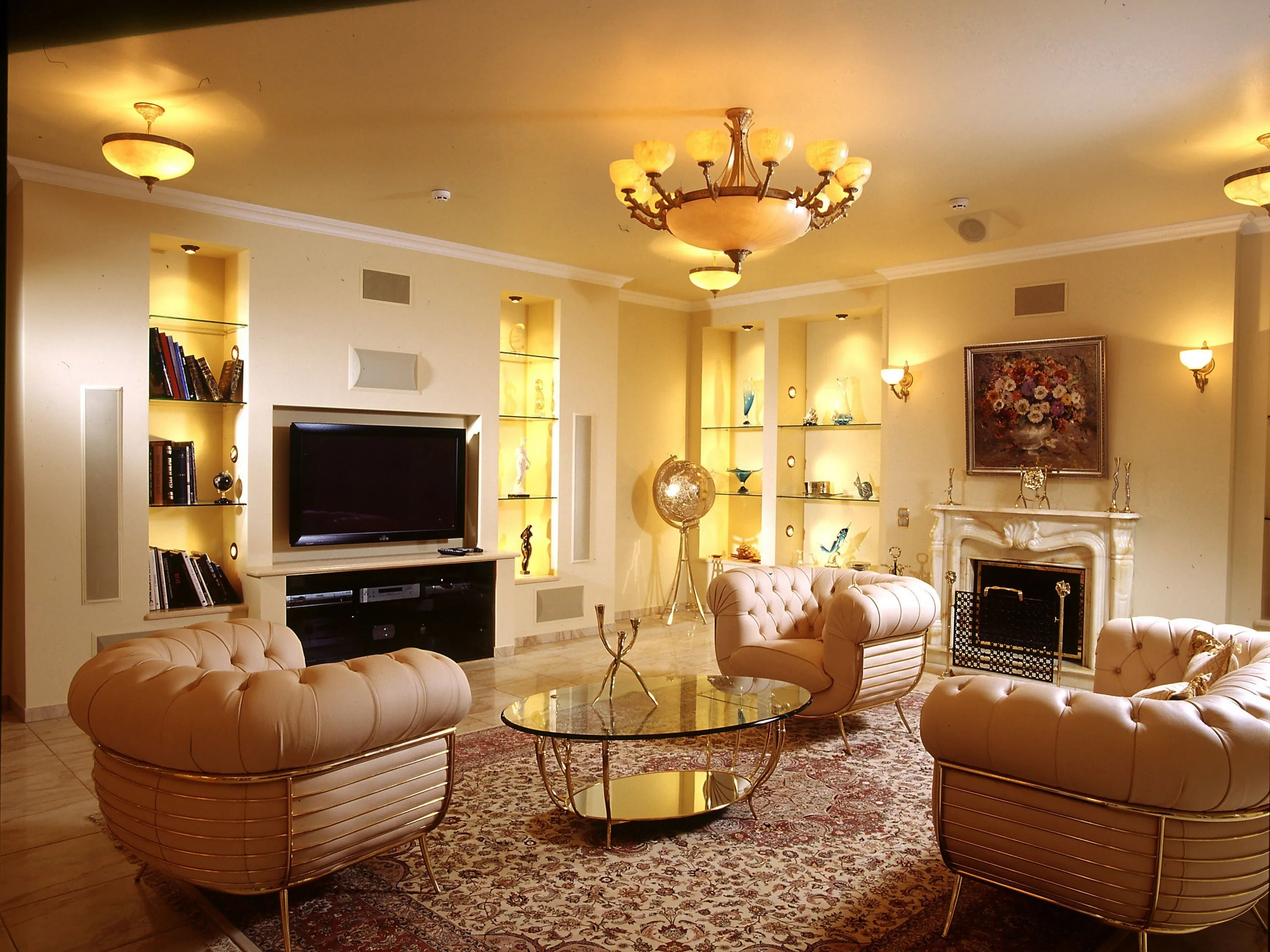
Luxury Living Room Furniture
High-end pieces spanning modern, neo-classical, and Italian Gothic styles — craftsmanship, leathers, and refined artistry.
Read More →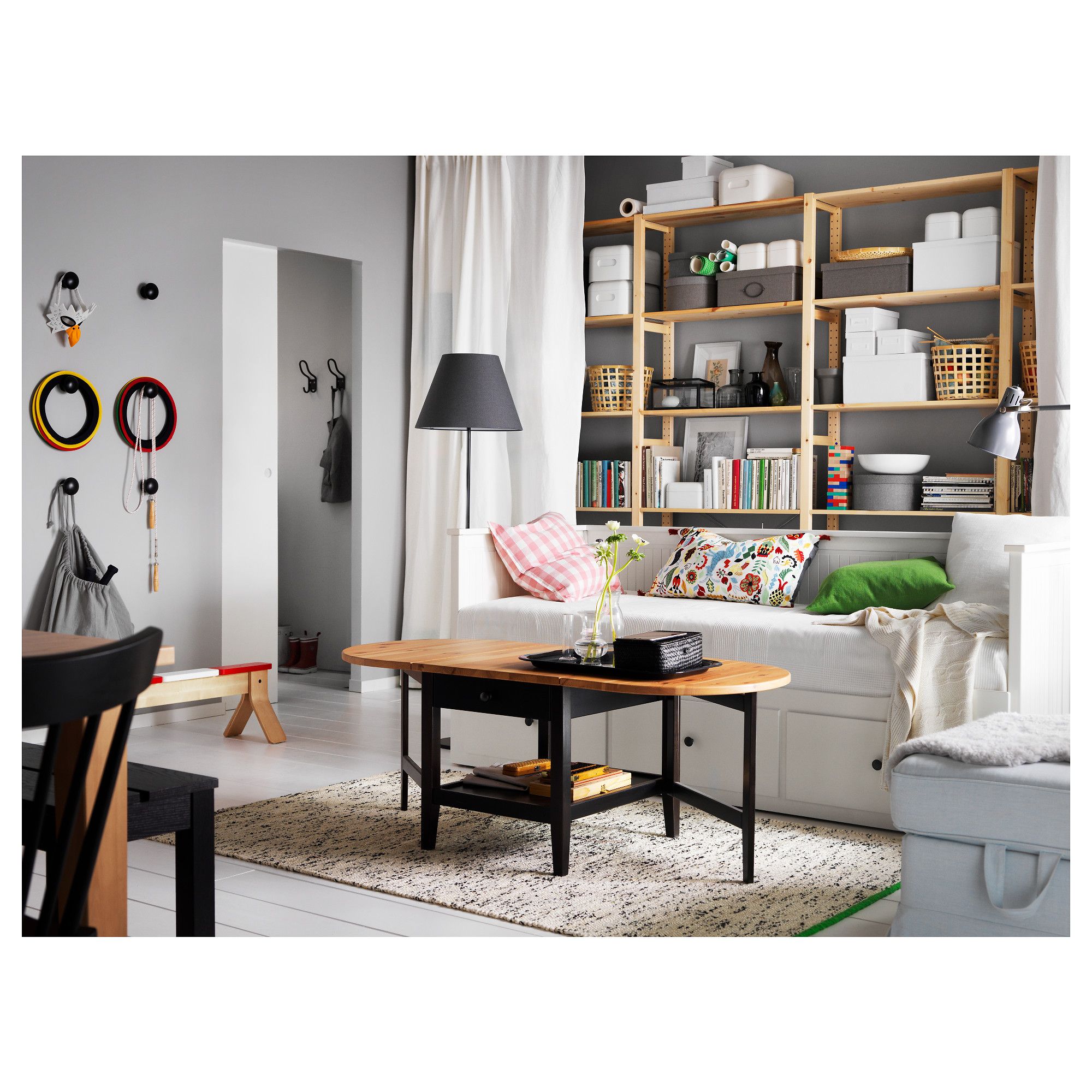
White Living Room Storage Cabinets
Sideboards, curio cabinets, and high-gloss storage units that blend practical organization with decorative appeal.
Read More →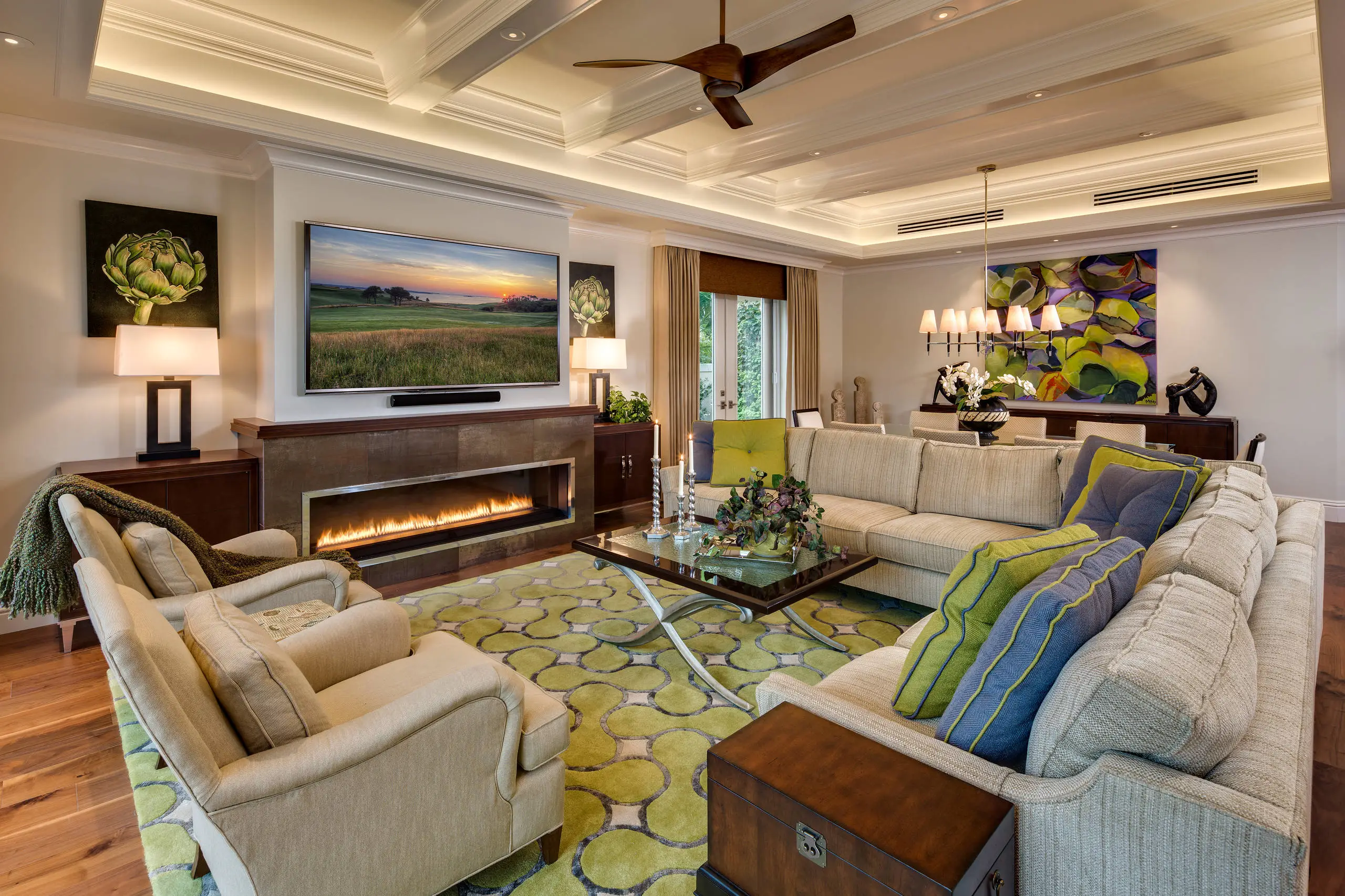
Living Room Decor Essentials
Rugs, pillows, art, lamps, and accent pieces that add layers of color, texture, and personality to any living space.
Read More →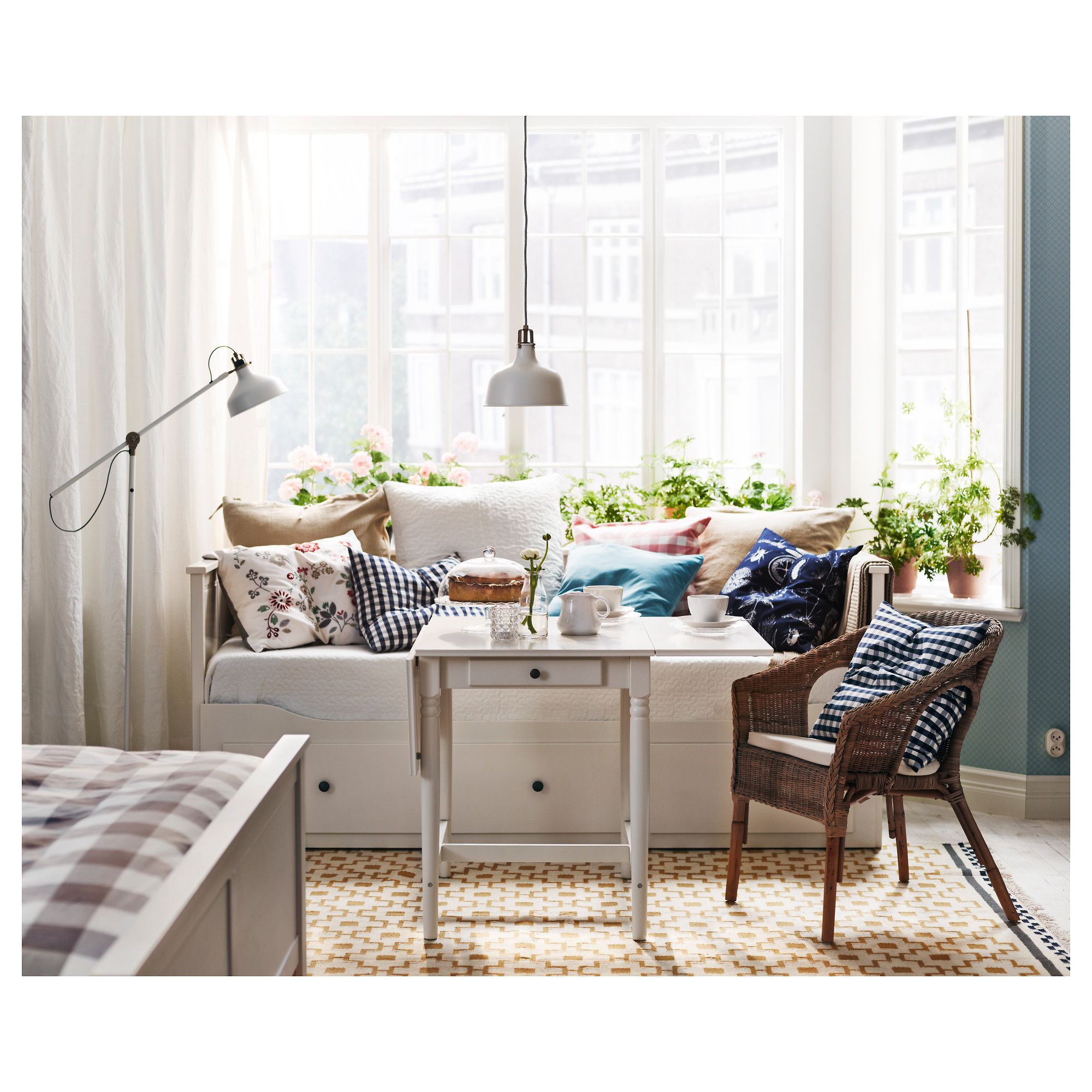
Natural Living Room Decor
Earthy elements, house plants, rustic touches, and organic materials that bring warmth and nature indoors.
Read More →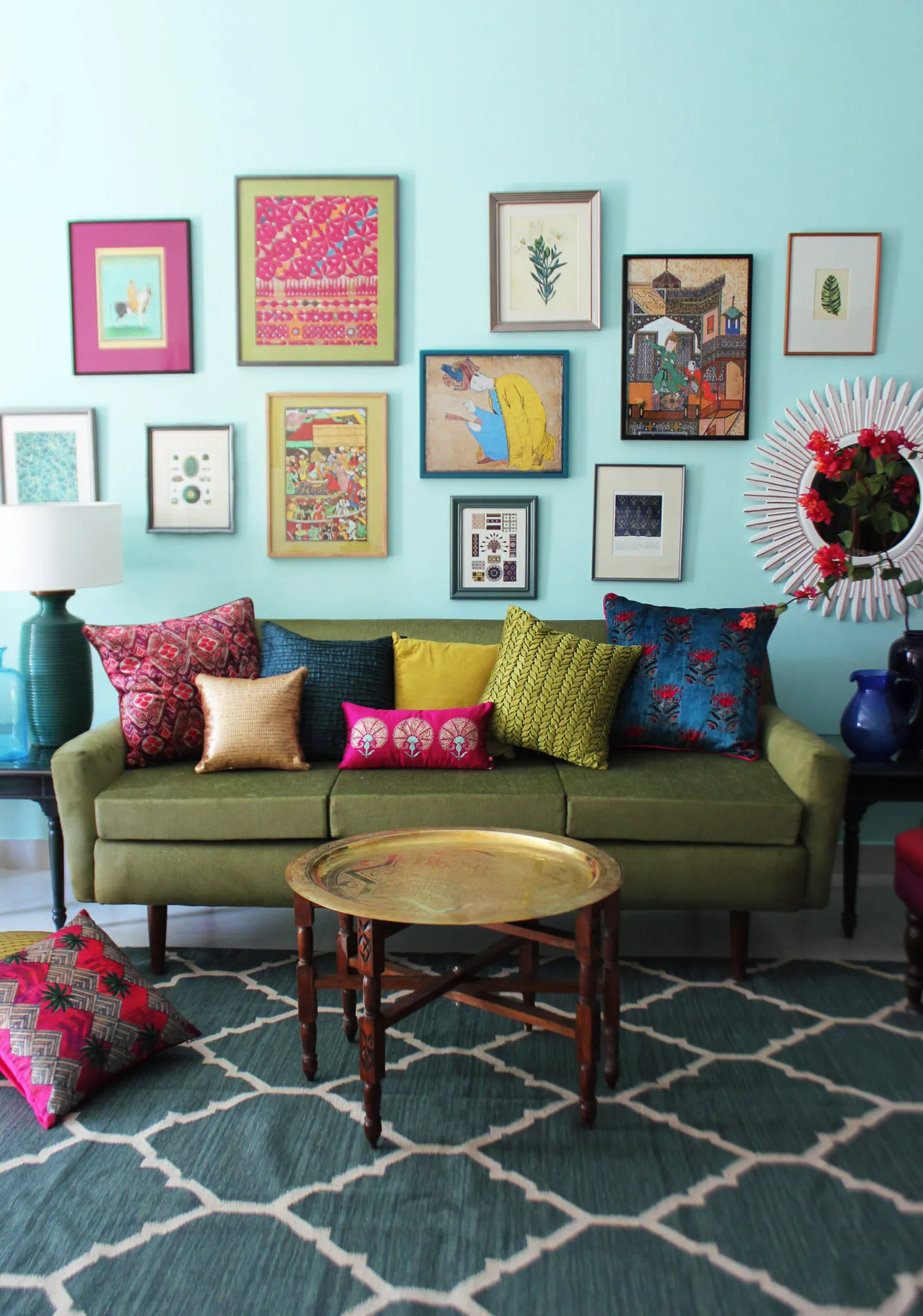
Living Room Ideas: Velvet Sofa
From classic red to trending green and blue, explore how a velvet sofa can transform your living room's character.
Read More →