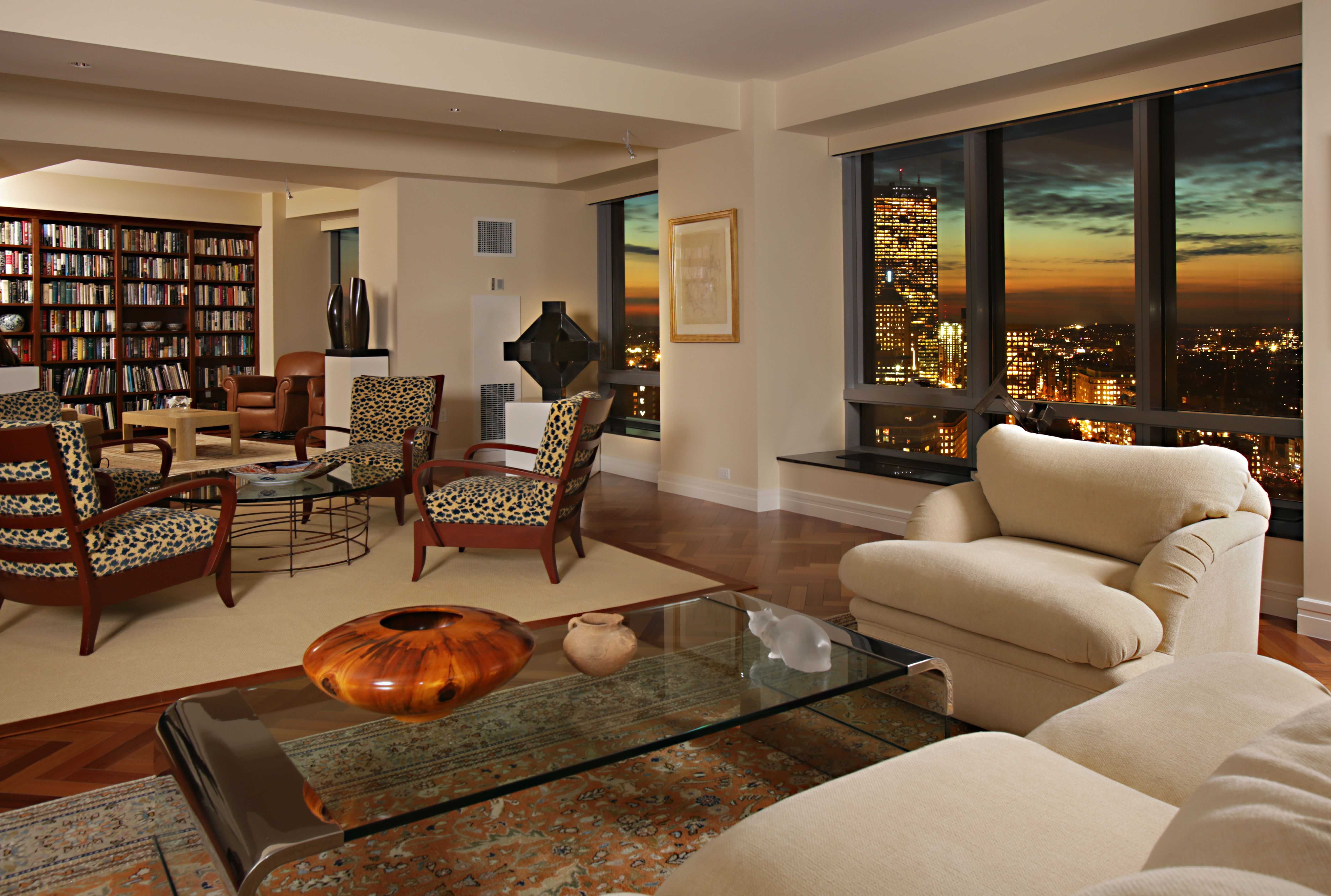
Living Room Design Ideas & Inspiration
Kumpulan Informasi, Tips dan Trik Terlengkap dan Terpercaya — explore curated ideas for sofas, storage, decor, and every style in between.
Explore Ideas →Get Design Inspiration
Tell us what you're looking for and we'll point you to the best articles.
Wall art sizes that flatter a queen-size sofa
A bare wall behind the sofa is the most common missed opportunity in Australian lounges. The right piece, hung at the right height, ties the seating zone to the rest of an open-plan home and makes a three-seater feel deliberate rather than dropped into the room.
In newer builds around Sydney, Brisbane, and the Mornington Peninsula, the lounge often flows into the kitchen and dining zone, so the sofa acts as a visual anchor. Choosing art that scales to a queen-size sofa, roughly 210 to 230 centimetres wide, helps the whole room feel composed from the first step inside.
Understanding queen-size sofa dimensions down under
A queen-size sofa in the Australian market is one of the most common seating choices for family lounges, and its footprint sets the scale for everything above it. Most models from Freedom, Temple & Webster, and Domayne run between 210 and 230 centimetres wide, with a depth of 90 to 100 centimetres and a back height that lands between 85 and 90 centimetres off the floor. Because Australian Standard sizing tends to be a touch roomier than European equivalents, the wall behind the sofa usually offers a generous canvas for art.
When planning a refresh, the first step is always to measure your specific sofa rather than rely on catalogue numbers. Older Queenslanders and federation semis sometimes house a slightly narrower or deeper frame, while new apartments in Melbourne's inner west often squeeze a full queen into a tight wall. Knowing the exact width of the seating helps you avoid choosing art that disappears into the wall or, just as often, crowds the sofa and makes the whole arrangement feel top-heavy.
The two-thirds rule and why it works
Interior designers have settled on a simple proportion for art above a sofa: the artwork should measure roughly two-thirds the width of the seating beneath it. For a standard 220-centimetre queen sofa, that puts the ideal art width somewhere between 140 and 150 centimetres, a guideline that holds true whether the piece is a single canvas, a diptych, or a tight grid of frames.
This ratio creates visual balance because the eye reads the combined shape of sofa and art as one unit. A piece that is closer to the full width of the sofa can feel like a headboard, while anything under half the sofa width tends to look like an afterthought. For homeowners sourcing from Australian print studios or browsing the curated selection at vchristenson.com, keeping a tape measure handy while scrolling prevents the common mistake of falling for a piece that simply will not work on the wall.
Single statement piece sizing
A single oversized artwork is the easiest solution for a queen-size sofa, especially in homes with higher ceilings, which are common in new builds across Perth and Adelaide. A canvas or framed print measuring around 100 by 140 centimetres, or even 120 by 160 centimetres in rooms with 2.7-metre ceilings, fills the wall without crowding the sofa. Centred directly above the middle cushion, it reads as a calm focal point.
Local buyers often source oversized canvases from Adairs, Harvey Norman, or independent printmakers at markets like the Finders Keepers in Sydney. If a single piece feels too plain, a diptych of two 70 by 100-centimetre frames hung 5 centimetres apart achieves a similar footprint while adding a little rhythm. The key is to keep the total combined width inside the two-thirds guideline so the arrangement never feels improvised.
Building a cohesive gallery wall
A gallery wall is a favourite in family homes where the lounge doubles as a relaxed entertaining zone. The trick is to lay the frames out on the floor first and measure the total arrangement, treating the cluster as a single shape. Aim for a combined width of 140 to 180 centimetres, with even spacing of 5 to 8 centimetres between each frame, so the cluster sits with the same proportion as a single statement piece.
Gallery walls also work well above cabinetry, where art can share the wall with functional storage. If you are planning a joinery run beneath the sofa, it is worth mixing open and closed storage in the cabinetry so the gallery wall above does not compete with cluttered shelves. A few closed cupboards below keep the eye drawn upward to the frames.
Hanging height, spacing, and frame choices
Hanging height matters as much as width. The centre of the artwork should sit roughly 15 to 20 centimetres above the back of the sofa, or about 145 to 150 centimetres from the floor in most Australian lounges. This keeps the art connected to the seating without forcing viewers to crane their necks, and it leaves enough breathing room for the occasional decorative cushion.
Frame weight and material also shift the look. Slim matte-black or raw timber frames from places like Kmart and Bunnings suit contemporary builds, while thicker ornate profiles feel right in a federation home. Whichever you choose, use two D-rings and a single wire for larger pieces rather than a single nail, especially in older plaster walls that tend to crumble around Hampton and Brighton-style beach houses.
Styling open-plan lounges and tricky wall widths
Open-plan layouts, the default in most new Australian homes, can complicate the wall behind a sofa because the same wall often continues into a hallway or window seat. When a bay window or a built-in bench interrupts the run, the art can shift off-centre and still feel balanced, provided the largest piece anchors the middle of the sofa rather than the middle of the wall.
For tricky walls, designers often plan around a bay window layout by placing a vertical stack of two frames above the sofa and a single horizontal piece on the adjacent flat wall. Narrow walls call for portrait-oriented art, while extra-wide walls benefit from a long horizontal canvas or a wide diptych. The sofa, not the wall, should always dictate the scale.
| Configuration | Total width range | Best for | Visual effect |
|---|---|---|---|
| Single statement piece | 120–160 cm | Minimalist lounges, new builds | Calm, focused |
| Diptych (two panels) | 140–170 cm | Traditional and federation homes | Balanced, formal |
| Gallery wall | 140–180 cm | Family rooms, eclectic styling | Personal, layered |
| Oversized single canvas | 150–200 cm | High ceilings, open-plan zones | Bold, dramatic |
| Vertical stack | 60–80 cm | Narrow walls, awkward corners | Elegant, tall |
A few hours at your local Bunnings, a quick scroll through Temple & Webster, or a Saturday morning at the Adelaide Hills or Paddy's Markets can help you source the right frame, hanging hardware, and artwork without overthinking it. Measure your sofa, sketch the wall, and pull a few options together before committing. For more ways to refine the zone behind your seating, explore the rest of our living room guides at Sibabeh.
What We Cover
Living Room Topics & Ideas
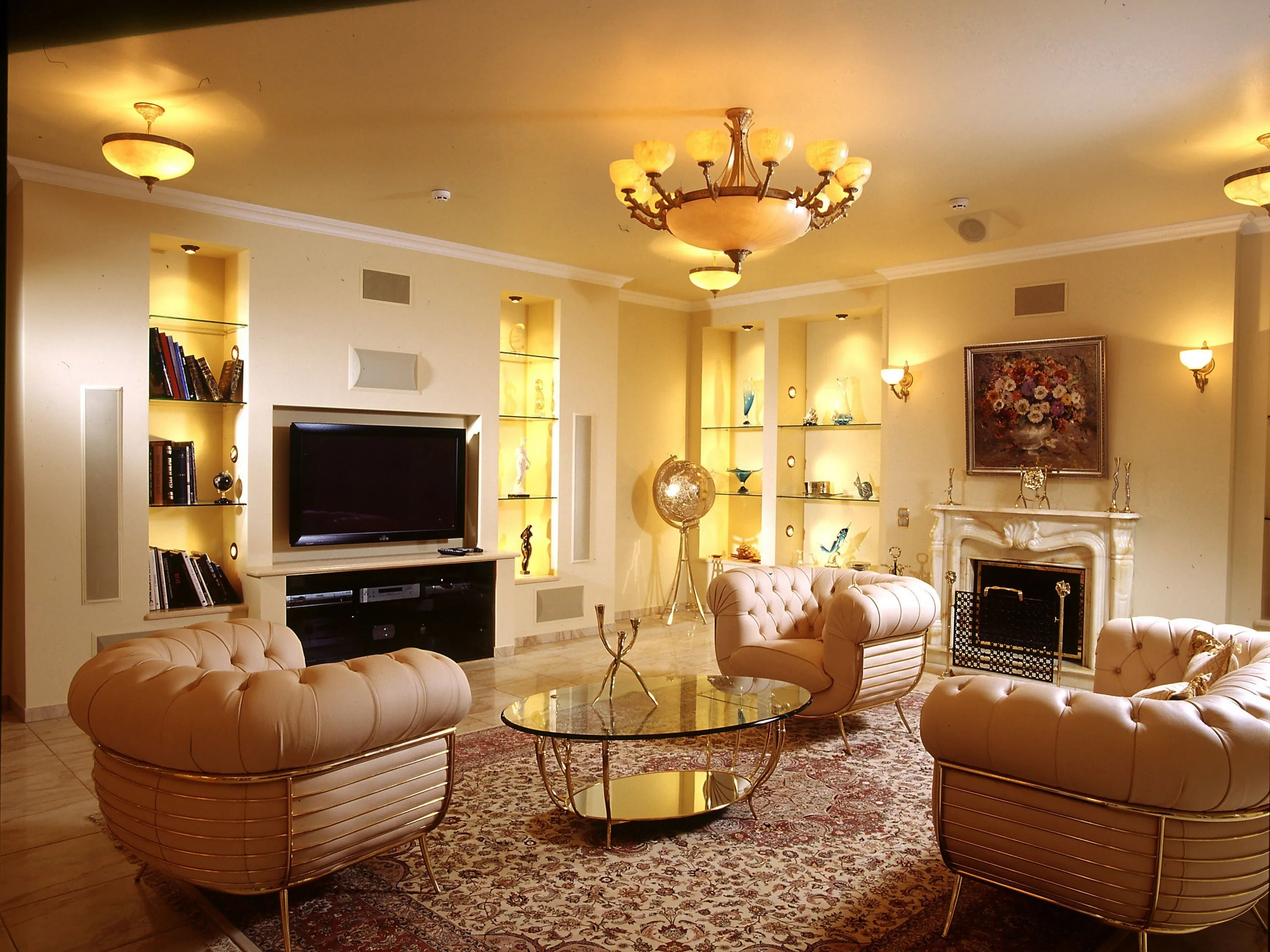
Luxury Living Room Furniture
High-end pieces spanning modern, neo-classical, and Italian Gothic styles — craftsmanship, leathers, and refined artistry.
Read More →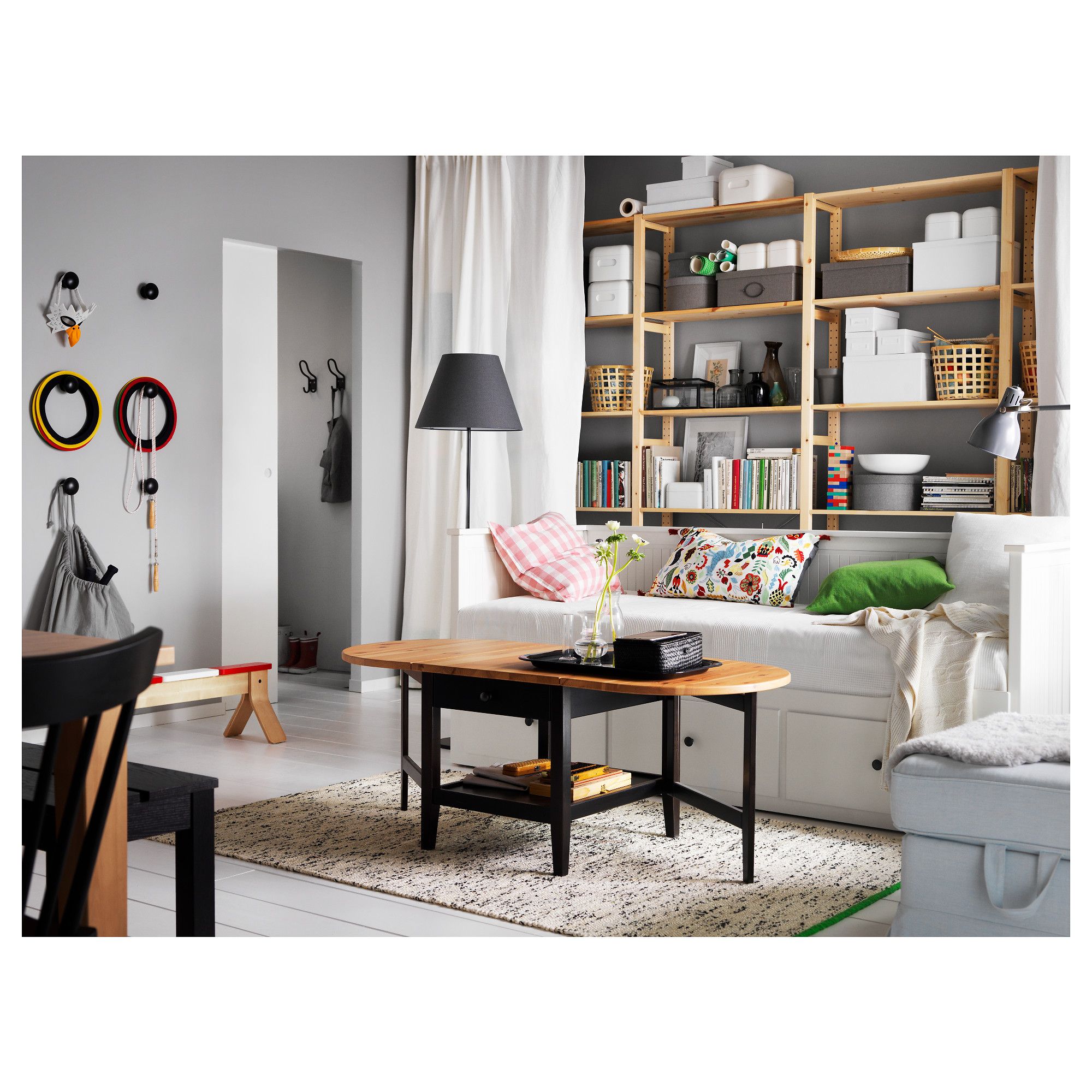
White Living Room Storage Cabinets
Sideboards, curio cabinets, and high-gloss storage units that blend practical organization with decorative appeal.
Read More →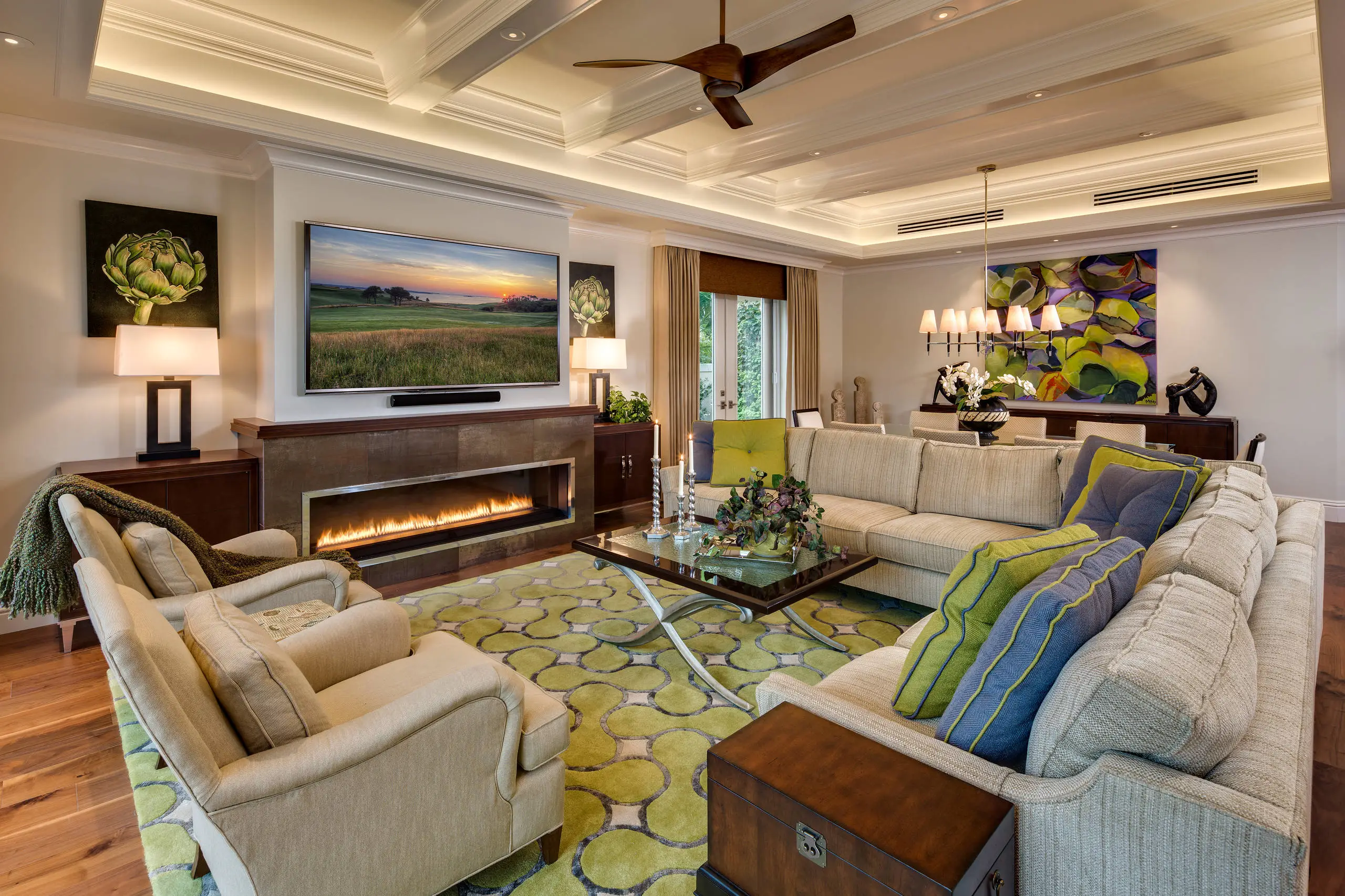
Living Room Decor Essentials
Rugs, pillows, art, lamps, and accent pieces that add layers of color, texture, and personality to any living space.
Read More →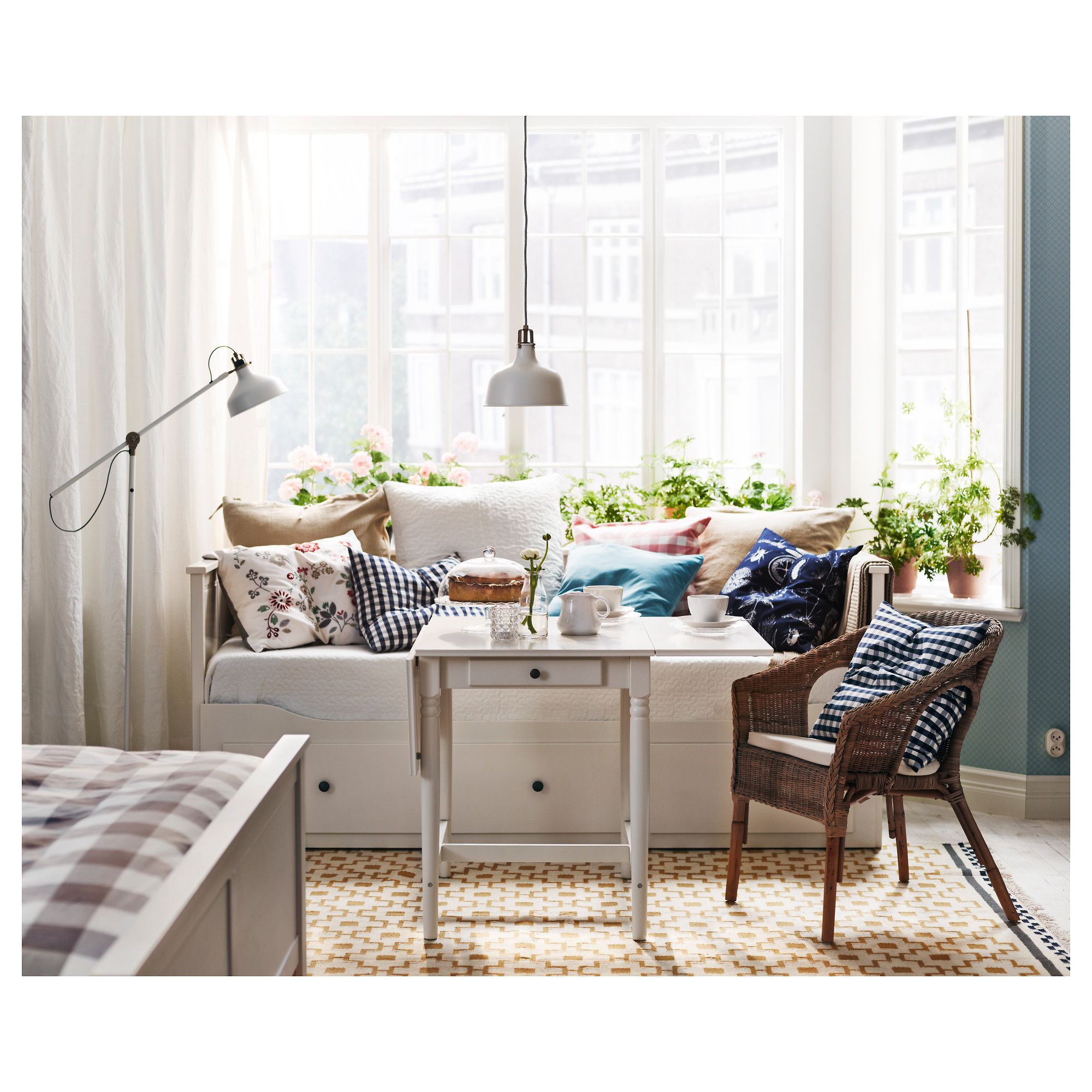
Natural Living Room Decor
Earthy elements, house plants, rustic touches, and organic materials that bring warmth and nature indoors.
Read More →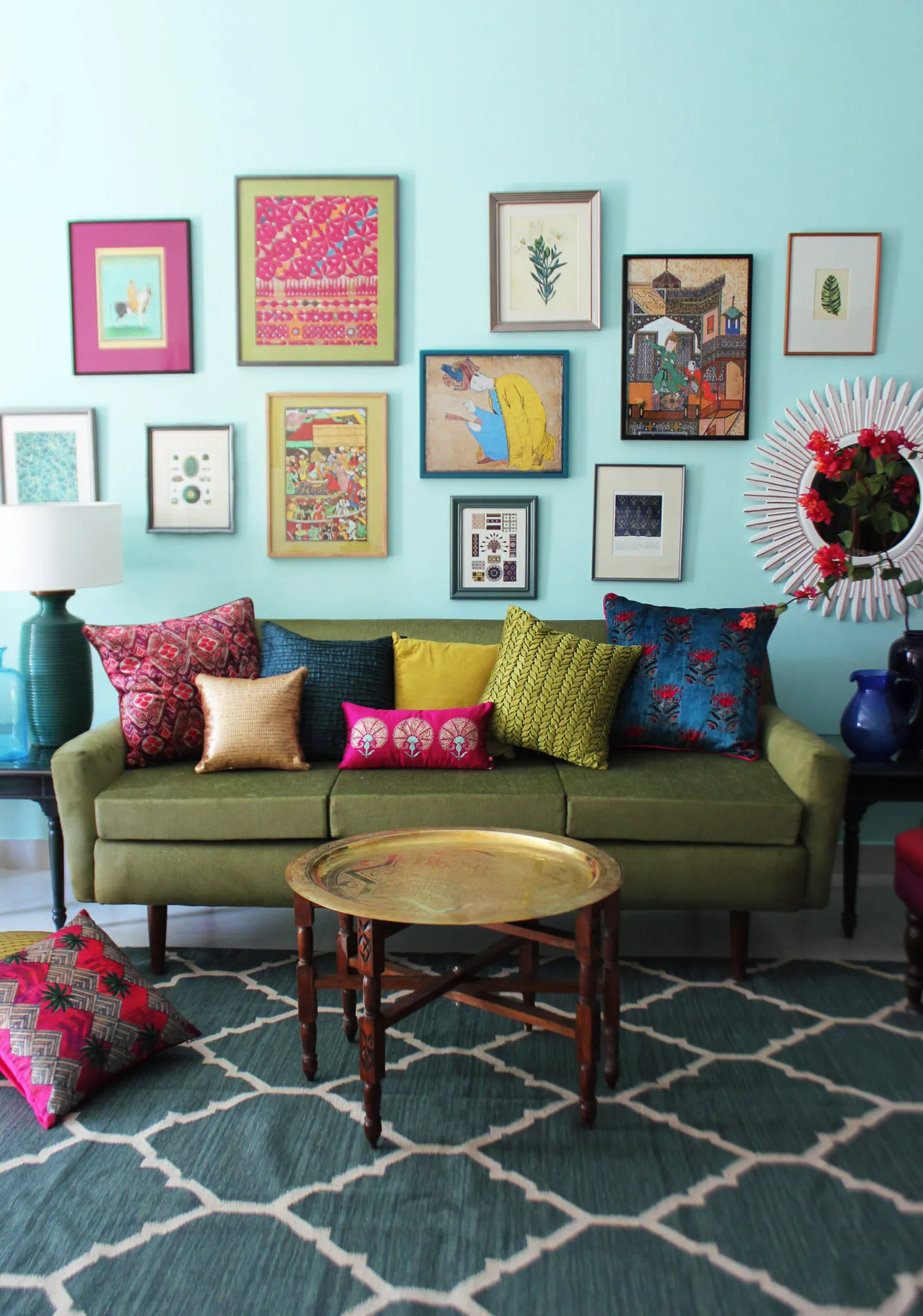
Living Room Ideas: Velvet Sofa
From classic red to trending green and blue, explore how a velvet sofa can transform your living room's character.
Read More →