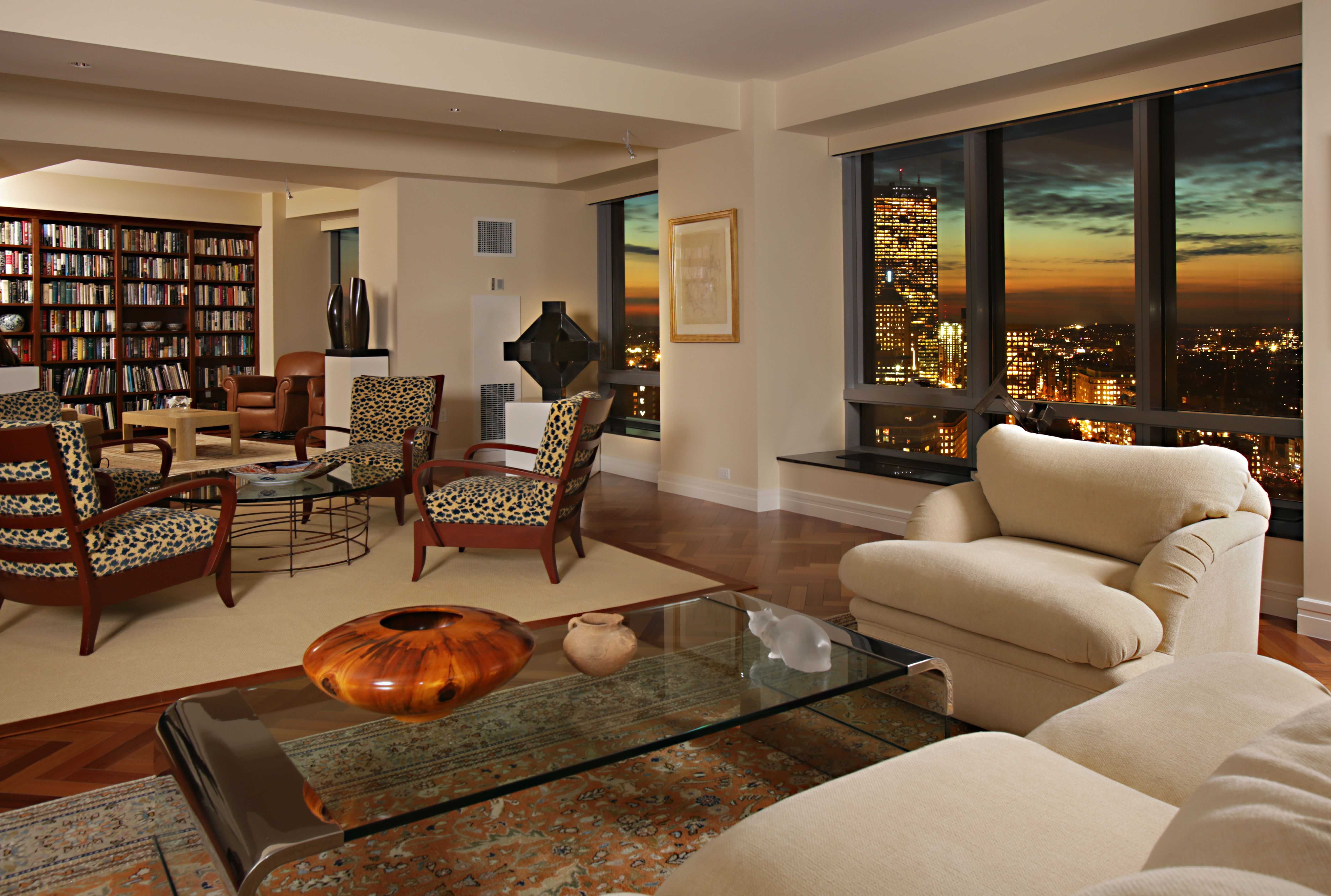
Living Room Design Ideas & Inspiration
Kumpulan Informasi, Tips dan Trik Terlengkap dan Terpercaya — explore curated ideas for sofas, storage, decor, and every style in between.
Explore Ideas →Get Design Inspiration
Tell us what you're looking for and we'll point you to the best articles.
Best plants for a low-light living room that thrive indoors
Indoor greenery has become a bit of an Aussie obsession, with everyone from first-home buyers in Melbourne apartments to downsizers on the Sunshine Coast filling their lounges with leafy accents. Yet many local homes are shaded for long periods, with older Queenslander verandahs, south-facing townhouse windows, or living rooms tucked behind a small courtyard wall leaving even the keenest plant parent struggling. The good news is that several houseplants are perfectly happy without direct sun, and they suit the way most of us furnish our living spaces today.
Choosing the right greenery for a dim corner is less about luck and more about matching the plant to the room. Below are seven reliable species, plus a few care pointers shaped by Australian conditions such as heated winter rooms, dry air-conditioning, and the way we source plants from Bunnings, local nurseries, and weekend market stalls. For more inspiration on styling greenery around sofas, sideboards, and rugs, sibabeh.com is a handy starting point.
Why low-light rooms are common in Australian homes
Many Australian lounges sit behind deep eaves, north-facing verandas, or double-brick walls that were built to keep out the summer heat. In Brisbane and Sydney, federation and California bungalow homes often have compact living areas with small windows, while newer apartments in Melbourne's inner suburbs rely on slim sidelights to let in light. Add a tall bookcase, a potted fiddle leaf fig, or a media unit, and the room quickly slips into shadow.
This is why shade-loving houseplants have earned their place in local homes. They cope with filtered light from a frosted window, the glow of a lamp in the evening, or even the soft wash of an open hallway. Choosing species that evolved on forest floors means they photosynthesise efficiently without needing hours of harsh sun. Most will tolerate a north-facing room with sheer curtains or a north-east aspect that only catches morning rays, which mirrors the layout of many Aussie flats and terraces.
| Plant | Light needs | Watering | Mature size | Pet-safe |
|---|---|---|---|---|
| Snake plant | Low to bright indirect | Every 3-4 weeks | 60-90 cm | No |
| ZZ plant | Low to bright indirect | Every 2-3 weeks | 60-90 cm | No |
| Pothos | Low to medium | Weekly in summer | Trails 1-3 m | No |
| Cast iron plant | Very low | Every 2 weeks | 50-70 cm | Yes |
| Peace lily | Low to medium | Weekly | 40-65 cm | No |
Snake plant: tough as a Bunnings special
The snake plant, or Sansevieria, is almost impossible to harm. Its stiff, sword-like leaves come in greens, silvers, and a mottled cultivar called Laurentii that suits neutral-toned lounges. A snake plant will sit happily in a hallway corner for weeks with little water, making it a favourite for people who travel or forget to water between weekends.
In Australian homes, snake plants handle dry air-conditioned units in Darwin, cool Canberra winters, and the warmer coastal air of Perth. Water sparingly, roughly every three weeks in summer and once a month in cooler months, and let the soil dry completely between drinks. A free-draining mix from any local nursery works well, and a terracotta pot keeps the roots from sitting wet.
ZZ plant: glossy leaves for shaded corners
The ZZ plant, or Zamioculcas zamiifolia, has waxy, almost plastic-looking leaves that bounce light around a dark room. It grows from thick rhizomes that store water, so it forgives long gaps between watering. Many first-time plant parents at weekend markets in Adelaide or Sydney pick up a ZZ because it looks healthy from day one and rarely drops a leaf.
Place a ZZ plant on a low cabinet, side table, or the floor beside an armchair where it can stretch to around seventy centimetres tall. It copes with fluorescent office light, which makes it a good pick for a study nook off the lounge. Avoid direct sun, which scorches the leaves, and wipe them down occasionally with a damp cloth to keep the shine.
Pothos and philodendron: trailing greenery on shelves
The golden pothos, with its heart-shaped, variegated leaves, is one of the easiest trailing plants to grow indoors. It tolerates a shaded bookshelf, drapes neatly from a hanging planter, or weaves along a mantlepiece. The devil's ivy, as locals often call it, sends out long vines that can be trained along a curtain rod or trimmed back to keep the shape tidy.
Philodendrons such as the heart-leaf or Brasil varieties offer a similar look with slightly more colour. Both enjoy a drink when the top centimetre of soil feels dry and benefit from a monthly feed of diluted liquid fertiliser during warmer months. A clear pot with a water reservoir, available at most Bunnings stores, helps prevent the overwatering that often finishes off these plants during a busy week.
Cast iron plant: heritage style for shaded rooms
Aspidistra, the cast iron plant, has a long history in Australian verandahs and Federation-era hallways. Its broad, deep green blades bring a calm, leafy feel without the fuss of flowering plants. The cast iron plant copes with deep shade, dry air, and the occasional missed watering, which is why you still see it growing in older pub corridors and hotel lobbies around Sydney and Melbourne.
Plant an aspidistra in a heavy ceramic pot to anchor a quiet corner near a fireplace or beside a reading chair. It grows slowly, so it won't crowd a small space, and rarely attracts pests. If leaves brown at the tips, the room is probably too dry, so a quick mist or a tray of pebbles and water nearby will lift the humidity.
Peace lily: a flower without the sun
The peace lily, or Spathiphyllum, produces elegant white spathes that rise above dark, glossy foliage. It brings a soft contrast to a neutral-toned lounge and works well beside a sofa or in a quiet corner near a bookshelf. Peace lilies prefer consistently moist soil, so they suit someone who waters regularly rather than occasionally.
Place a peace lily where the leaves can be admired at eye level, on a pedestal, a console table, or a low stool. It tells you when it's thirsty by gently drooping, then perks back up after a thorough soak. In warmer parts of Australia, keep it away from heating vents, and in cooler regions, lift it off cold tile in winter with a felt pad under the pot.
Keeping low-light plants healthy year-round
Low light does not mean no care. A few small habits keep indoor greenery thriving through an Australian year. Rotate pots a quarter turn each week so plants don't lean toward a window, dust them so they can absorb available light, and trim any yellowing growth at the base to redirect energy. Group plants together to create a humid microclimate, particularly useful when the heater runs through July or the air conditioner cools the room in January.
When choosing pots, pick ones with drainage holes and pair them with a simple saucer from any local hardware store. Refresh the top three centimetres of potting mix each spring and feed lightly during the warmer months. If a plant starts to struggle, move it closer to a window for a few weeks before shifting it back, since most low-light species tolerate a brighter spot for a short period, which often resets their growth.
Bring home a snake plant or a hardy pothos this weekend, pop it in a simple pot, and watch your living room come alive.
What We Cover
Living Room Topics & Ideas
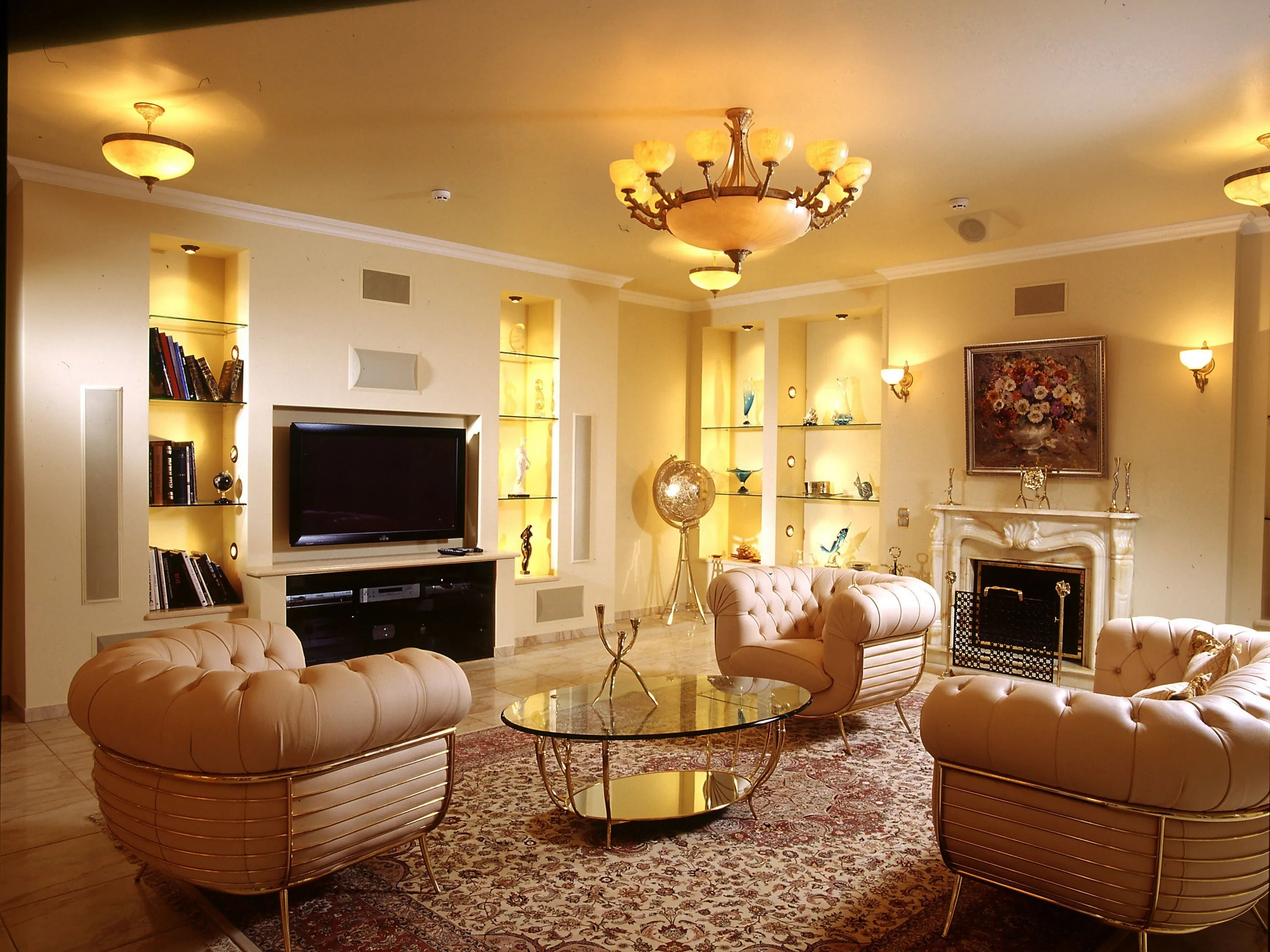
Luxury Living Room Furniture
High-end pieces spanning modern, neo-classical, and Italian Gothic styles — craftsmanship, leathers, and refined artistry.
Read More →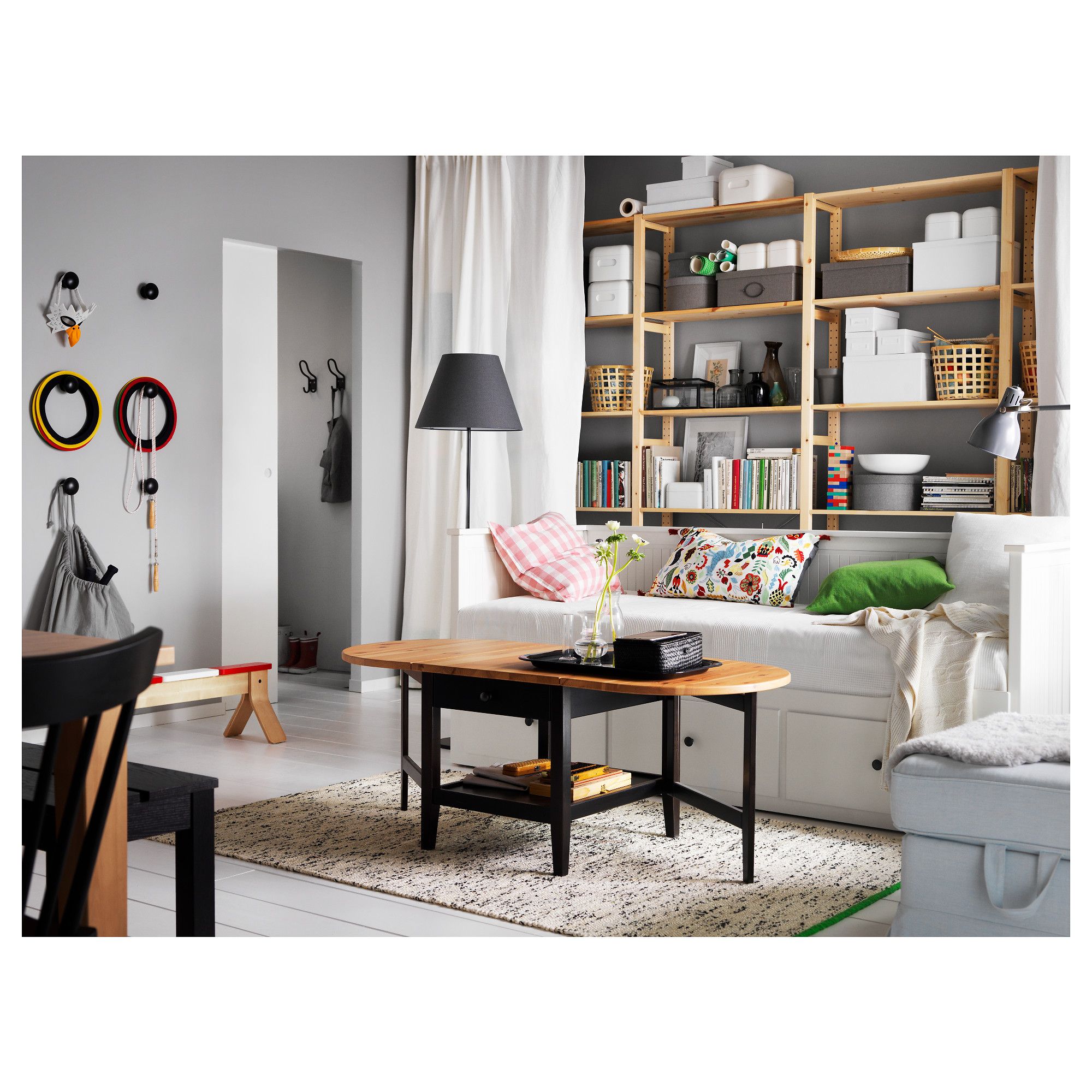
White Living Room Storage Cabinets
Sideboards, curio cabinets, and high-gloss storage units that blend practical organization with decorative appeal.
Read More →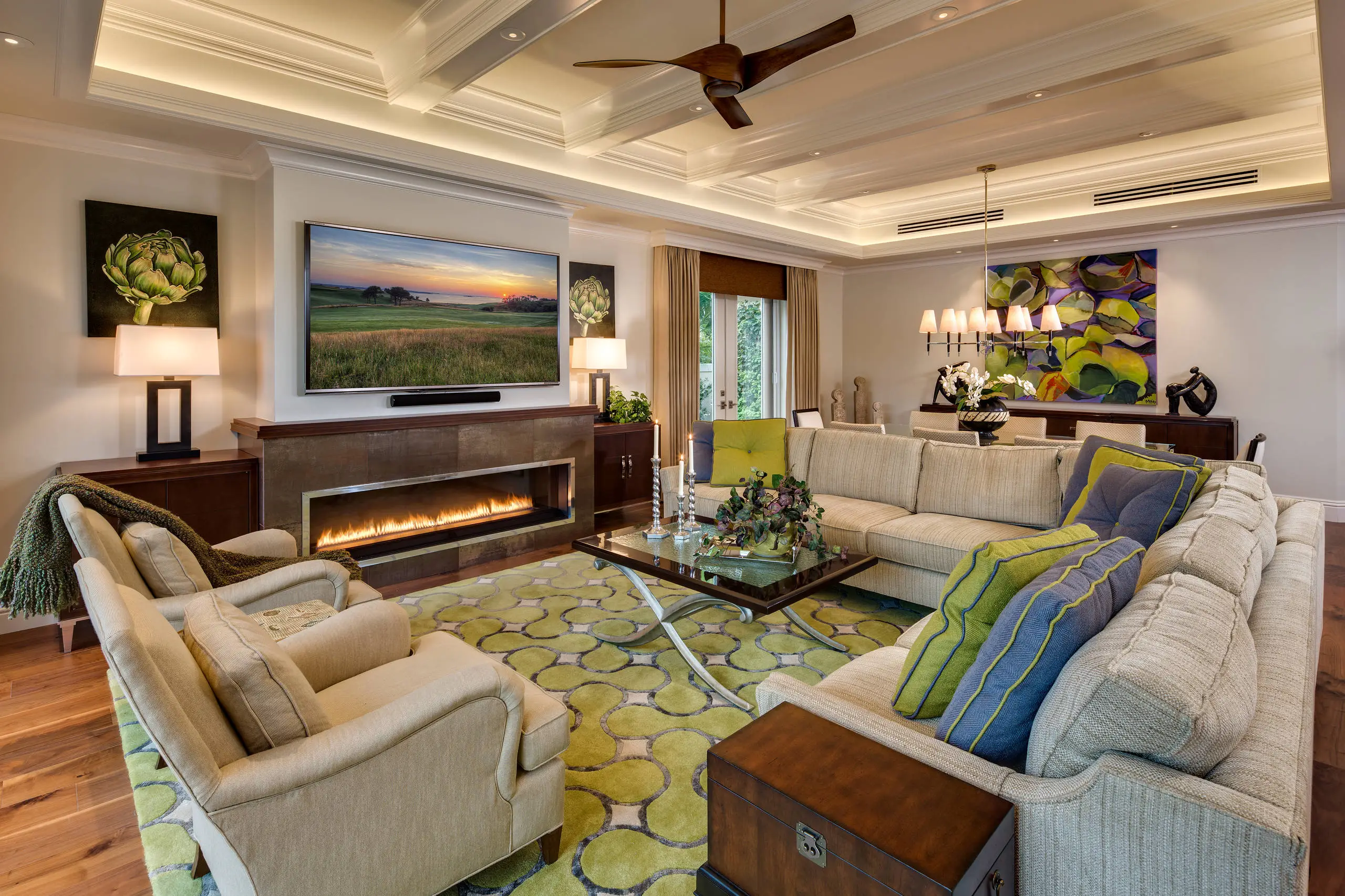
Living Room Decor Essentials
Rugs, pillows, art, lamps, and accent pieces that add layers of color, texture, and personality to any living space.
Read More →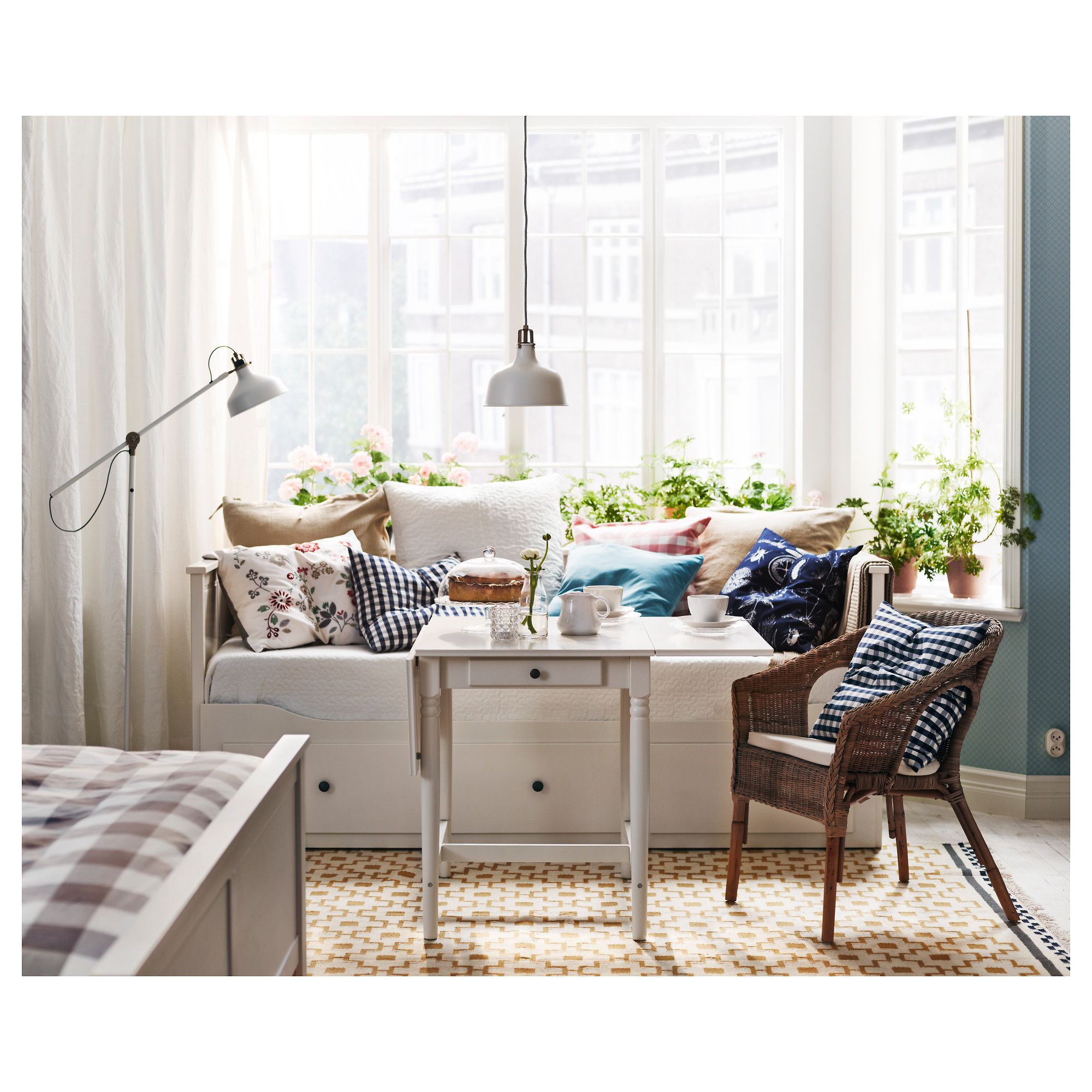
Natural Living Room Decor
Earthy elements, house plants, rustic touches, and organic materials that bring warmth and nature indoors.
Read More →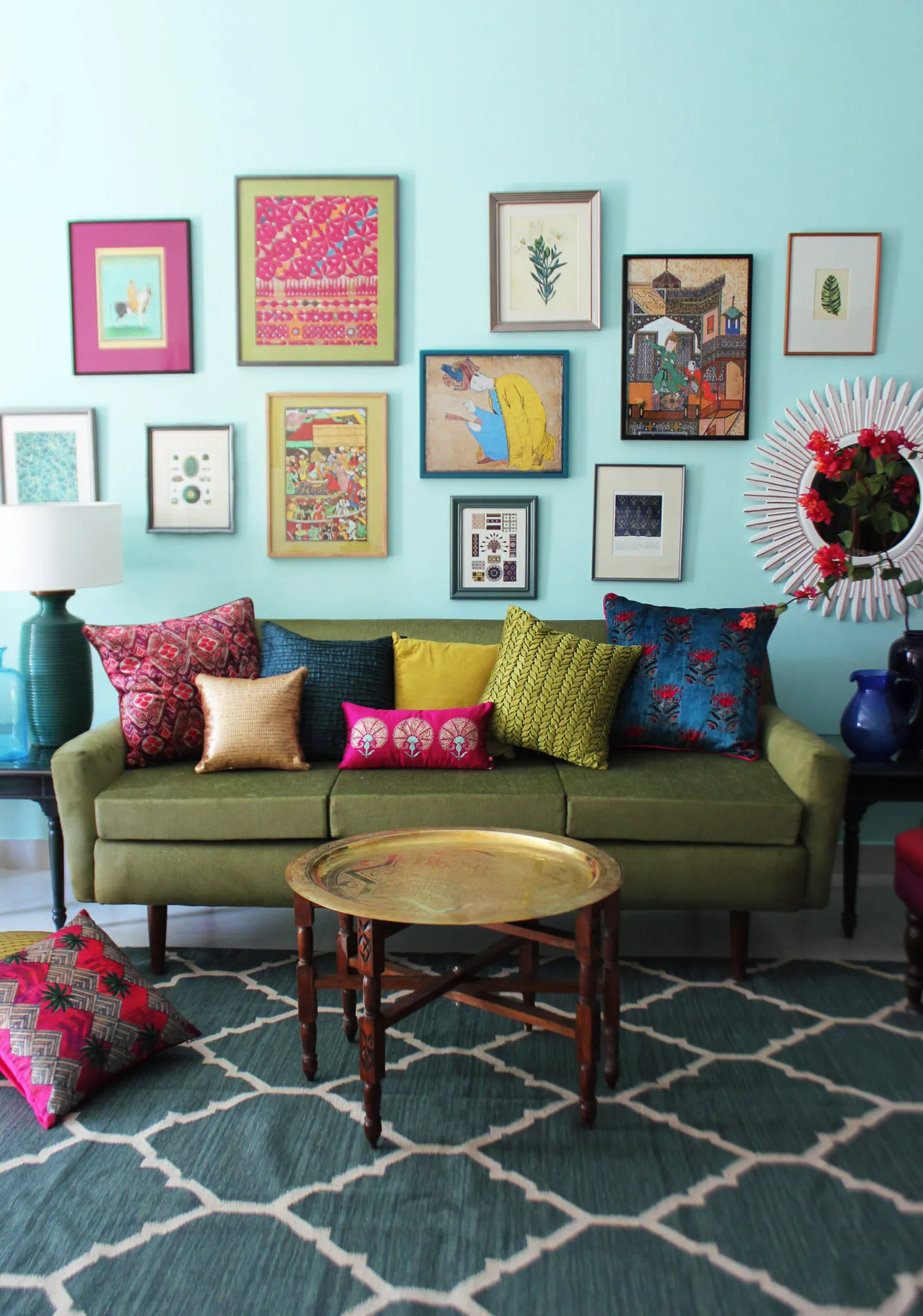
Living Room Ideas: Velvet Sofa
From classic red to trending green and blue, explore how a velvet sofa can transform your living room's character.
Read More →