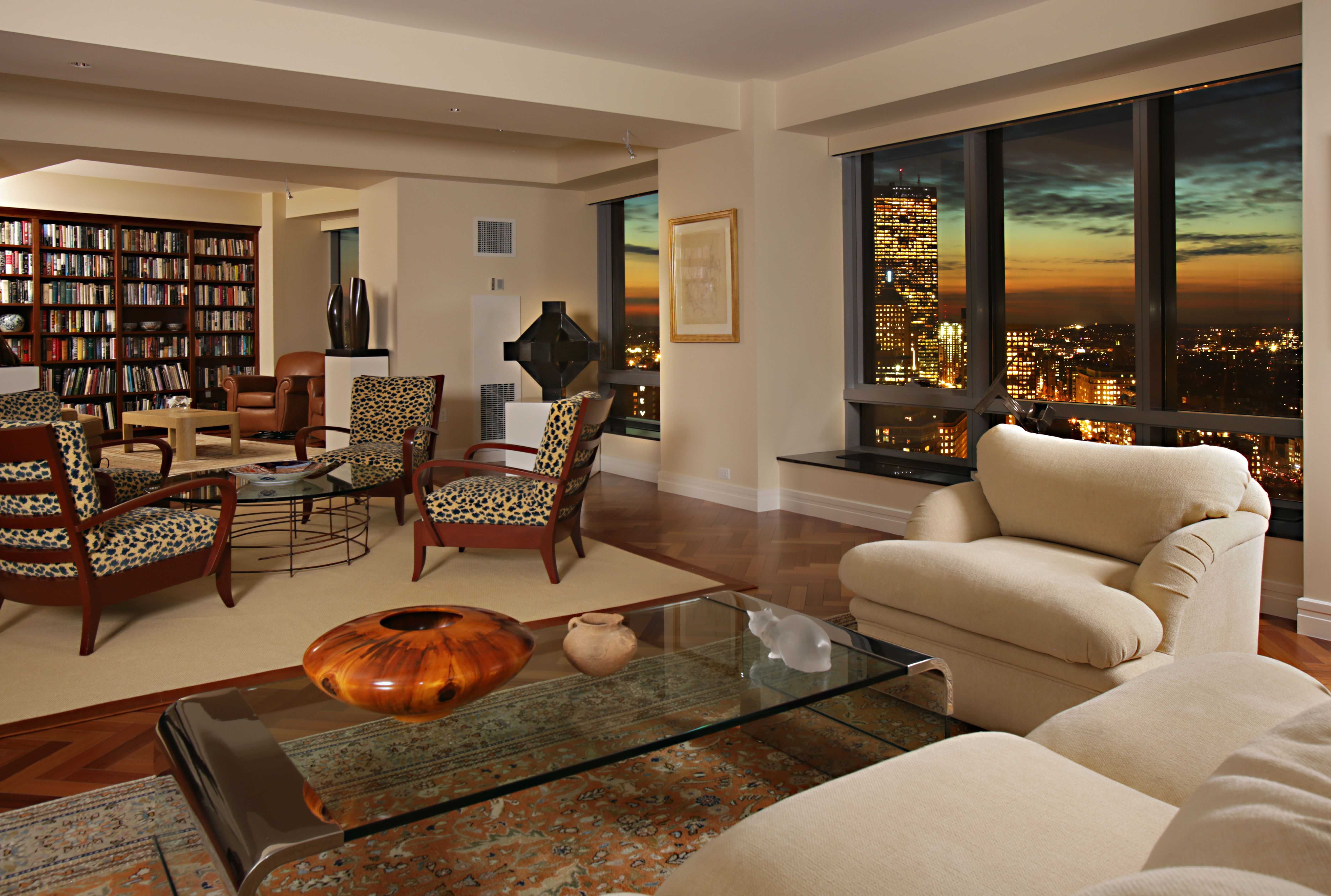
Living Room Design Ideas & Inspiration
Kumpulan Informasi, Tips dan Trik Terlengkap dan Terpercaya — explore curated ideas for sofas, storage, decor, and every style in between.
Explore Ideas →Get Design Inspiration
Tell us what you're looking for and we'll point you to the best articles.
Styling a slim console table behind your sofa for extra surface space
A slim console table tucked behind a sofa solves one of the most common layout puzzles in Australian homes. Picture an inner-Sydney terrace where the lounge room opens straight onto the dining area, or a Brisbane family house where the back of the couch floats in the middle of an open-plan zone. The wall behind the seating suddenly becomes prime real estate for a tray of drinks, a lamp, or a curated row of objects — without sacrificing a centimetre of floor space.
Because most Australian lounges lean toward generous proportions and open layouts, homeowners often wrestle with that awkward strip of wall. A narrow console offers a quiet, low-profile surface that visually anchors the sofa, frames the seating zone, and gives you somewhere to put things down without reaching for the coffee table.
Why a slim console works behind a sofa
The slim console earns its place behind a sofa for three practical reasons. First, the depth is shallow enough — usually between 25 and 35 centimetres — to leave the walkway clear between the seating area and the wall behind it. In a narrow Melbourne terrace or a one-bedroom apartment in Surry Hills, that bit of clearance matters.
Second, the long, horizontal line of a console complements the shape of most sofas, repeating the same proportions and creating visual calm. Third, it draws the eye across the room, which makes a long, narrow space feel balanced rather than stretched. Think of it as the low-rise cousin of a sideboard, designed to live where a sideboard simply would not fit.
For homeowners building around a generous L-shape or modular sofa, a slim table can also help define a transition between the lounge and the dining space, especially in renovations where the kitchen, meals area, and TV room share one open footprint.
Getting the sizing and height right
The most common mistake is choosing a console that is too tall. Ideally, the top of the table sits roughly 5 to 8 centimetres below the back of the sofa cushions, so the seat still feels like the focal point and you can see over it from a standing position at the dining table. Going taller cuts the sofa in half visually and blocks light from crossing the room.
Width should match or slightly exceed the sofa, but never by more than about 15 centimetres on each end. Anything wider and the table starts to fight the sofa for attention. In a Brisbane weatherboard with a deep, plush three-seater, a 180-centimetre console feels right; in a Sydney apartment with a compact two-seater, 120 centimetres is often plenty.
Depth is the easiest to get wrong. Measure the room from the back of the sofa to the nearest wall, subtract the leg depth of the sofa itself plus a few centimetres to nudge it away from the wall, and that gives you the maximum depth for the table. Twenty-five centimetres is a safe minimum for everyday objects, while 30 to 35 centimetres gives breathing room for a lamp base or a row of books.
Styling the surface without cluttering it
The console looks best when about a third of the surface stays clear. Grouping objects in odd numbers, varying their heights, and keeping the palette tight keeps the styling calm. A simple rule of thumb: one tall element such as a lamp, vase, or candlestick, one mid-height object like a tray or stack of books, and one low accent such as a small ceramic, candle, or sculptural shell creates a balanced vignette.
Common surface zones and what to put on them:
| Zone | Best for | Watch out for |
|---|---|---|
| Left third | Tall lamp, vase with single branch, sculptural object | Going so tall it tips the visual balance |
| Centre third | Trays, candles, books stacked horizontally | Blocking conversation lines between people on the sofa |
| Right third | Lower accent, framed photo, small pot | Crowding the lamp shade into the wall |
| Behind the sofa back | Items you reach for often: remotes, a folded throw | Anything that can scratch the upholstery when you lean back |
Greenery also earns its keep. A single eucalyptus stem in a stoneware vase nods to the Australian landscape without fighting coastal or minimalist palettes, and a small potted plant brings warmth to a console that sits in a darker corner of the room.
Layering wall decor, art, and clocks above
The wall above the console is a second canvas, and the table beneath it acts as a visual anchor for whatever you hang. In coastal homes from Coogee to Cottesloe, oversized round mirrors are popular because they bounce the bright Australian light deeper into the room and make narrow living zones feel wider. In a federation home in Adelaide, a series of botanical prints or a long horizontal landscape can carry the eye along the length of the sofa.
Where the wall is too small for a cluster, one statement piece does the heavy lifting. A large wall clock has long been a favourite in Australian decorating circles, and there is good guidance on using a decorative wall clock piece to anchor a console setup without dominating the room. Hang it so the centre sits roughly 15 to 25 centimetres above the tallest object on the console, and remember that clocks read clearly at eye level, which suits both seated guests and people standing at the dining table.
Pairing the console with your sofa type
Behind every slim console lives a sofa, and the choice of upholstery shapes how the table gets used day to day. A leather sofa in a Perth coastal home is robust against scratches from vases and trays, but a textured fabric or bouclé seat shows every bumped object in the room. If you have curious kids or shedding pets, the styling tends to stay simpler, because there is less time to fuss over delicate ceramics. For households with cats and dogs, leaning towards forgiving upholstery makes the whole behind-the-sofa zone easier to maintain, and there is practical merit to slipcovered sofas for pet owners in this exact scenario.
In sun-soaked rooms, think twice before placing a delicate timber console under a west-facing window. Aussie UV is intense, and even Australian hardwoods like blackbutt or spotted gum can fade or crack without a sheer blind. A console with a sealed surface, or one placed out of direct sun, will look better for longer.
For everyday care, wipe the console down weekly, lift rather than slide objects across the surface, and consider felt pads under anything ceramic or metallic. These small habits keep the table looking fresh and protect the sofa behind it from scuffs. Try the layout for a few weeks before committing to final styling: a console earns its place when the things on it are the things you actually reach for.
Subscribe to the Sibabeh newsletter for weekly inspiration shaped around Australian homes, or share a photo of your own console-and-sofa setup in the comments below.
What We Cover
Living Room Topics & Ideas
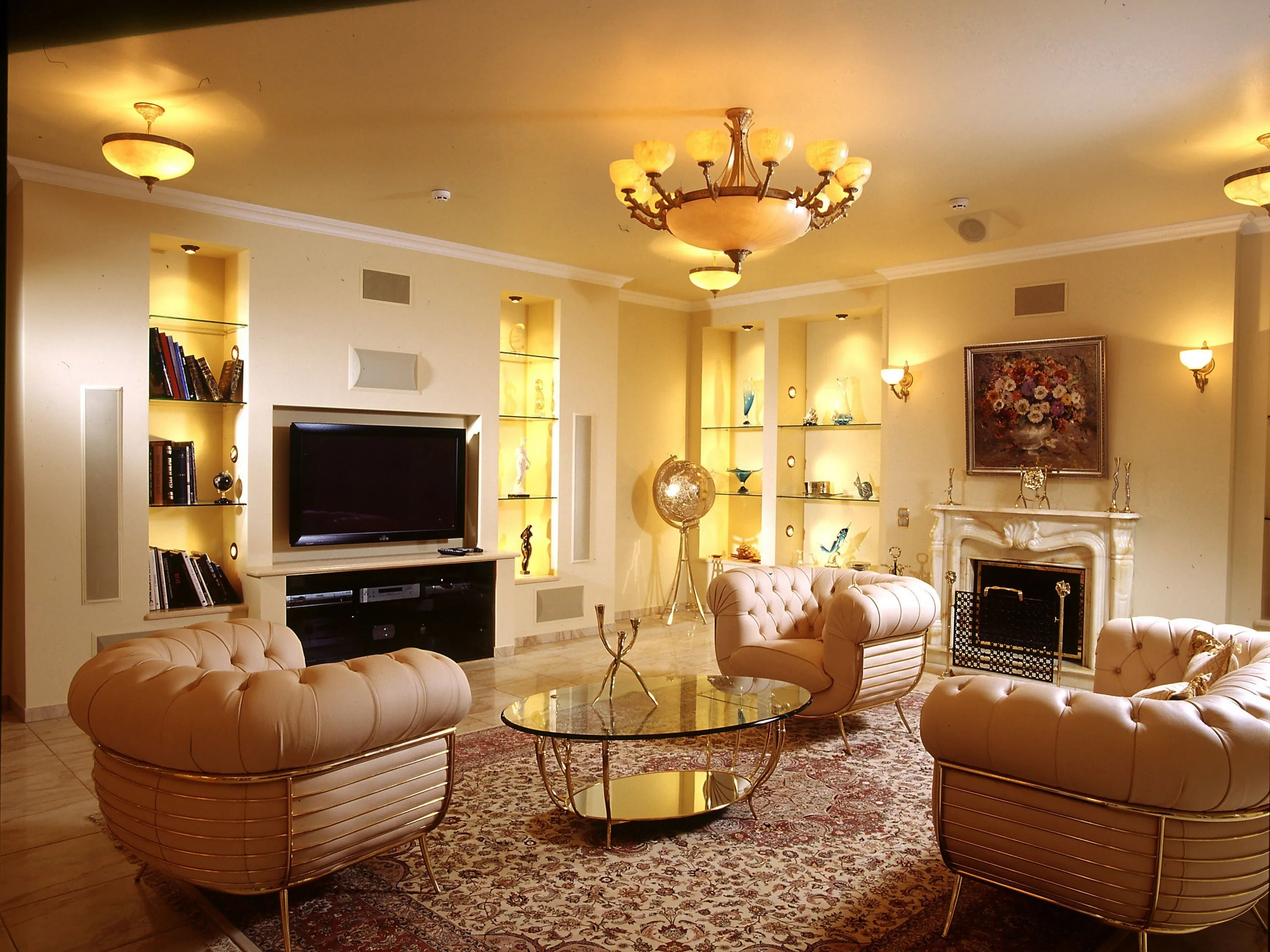
Luxury Living Room Furniture
High-end pieces spanning modern, neo-classical, and Italian Gothic styles — craftsmanship, leathers, and refined artistry.
Read More →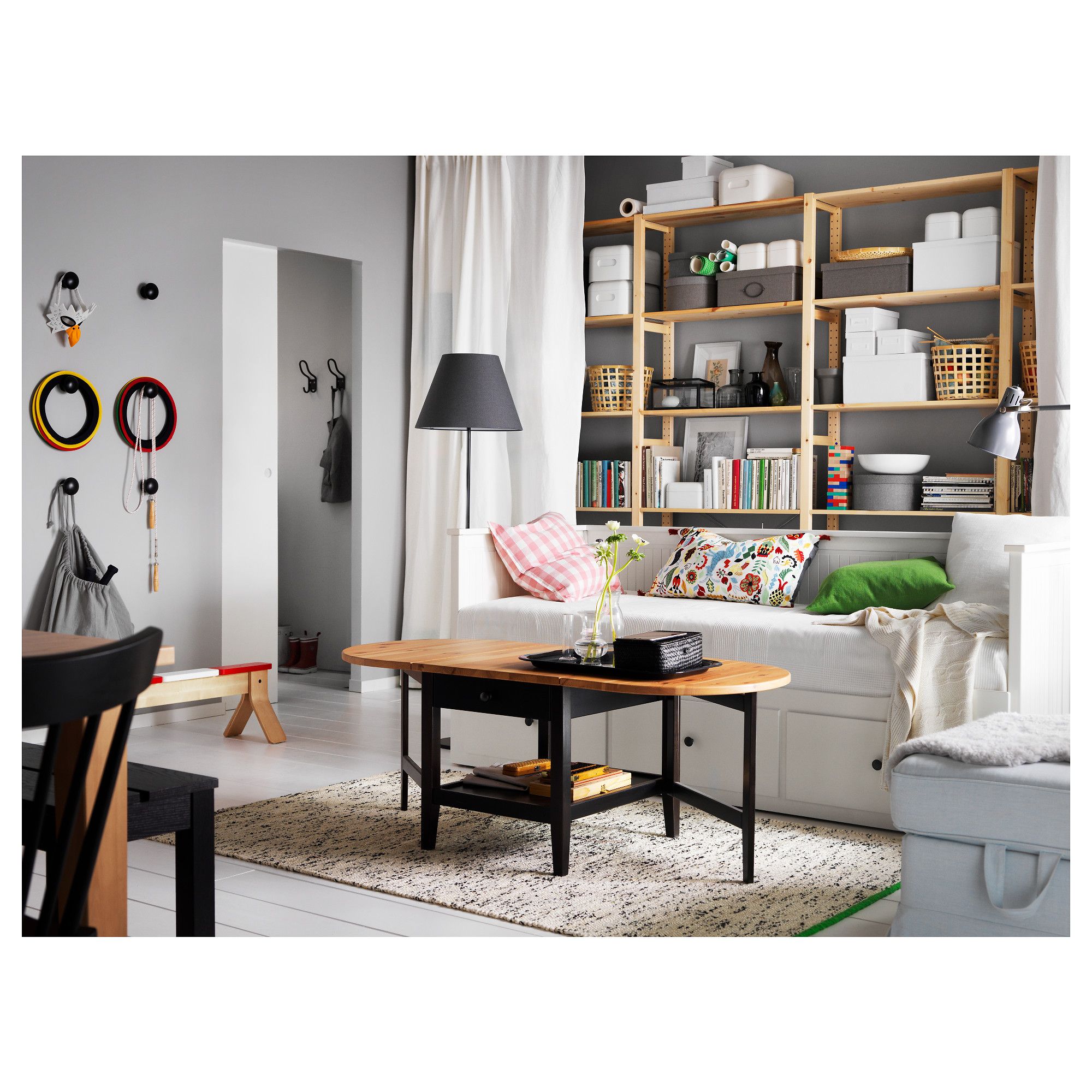
White Living Room Storage Cabinets
Sideboards, curio cabinets, and high-gloss storage units that blend practical organization with decorative appeal.
Read More →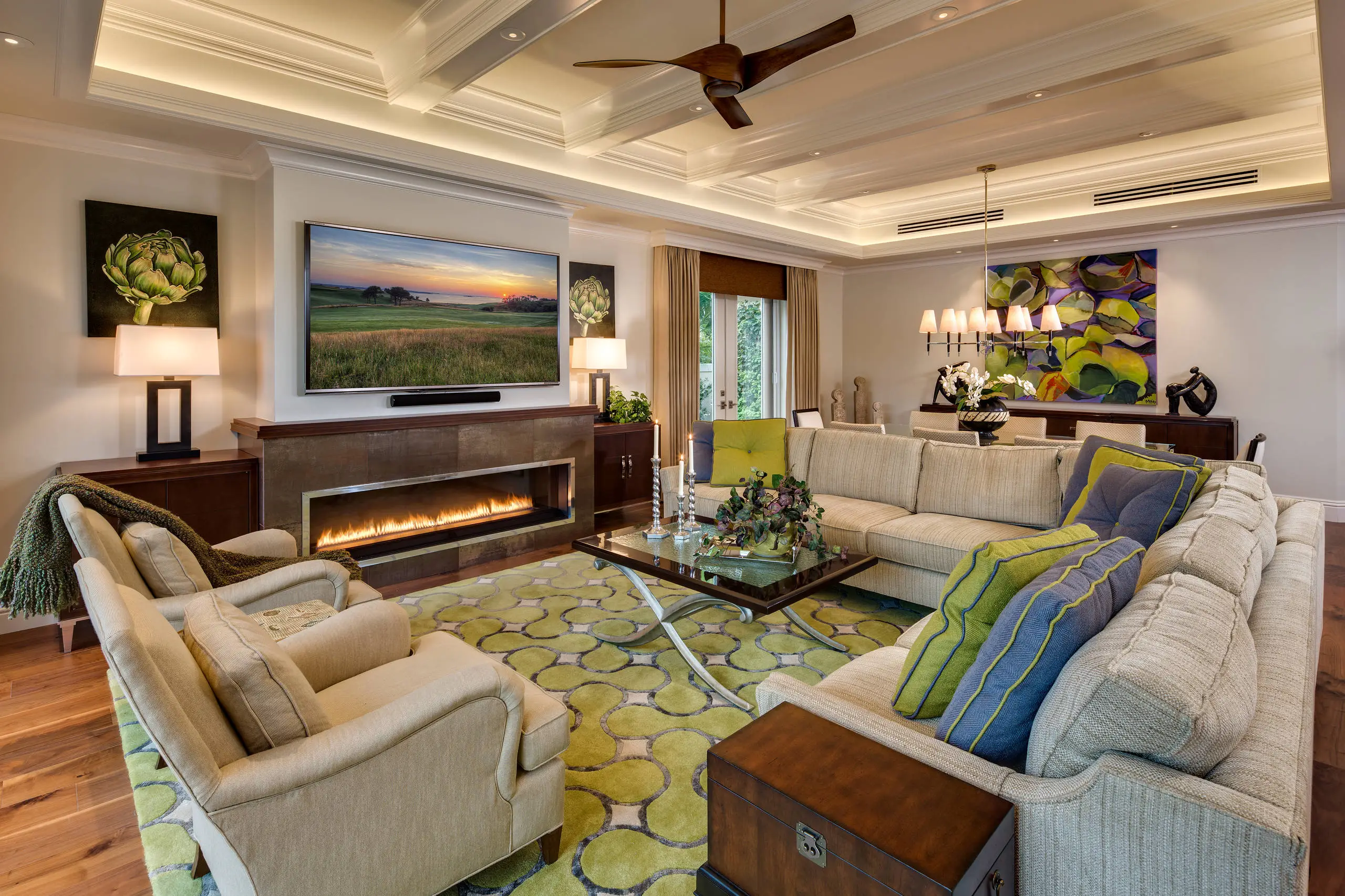
Living Room Decor Essentials
Rugs, pillows, art, lamps, and accent pieces that add layers of color, texture, and personality to any living space.
Read More →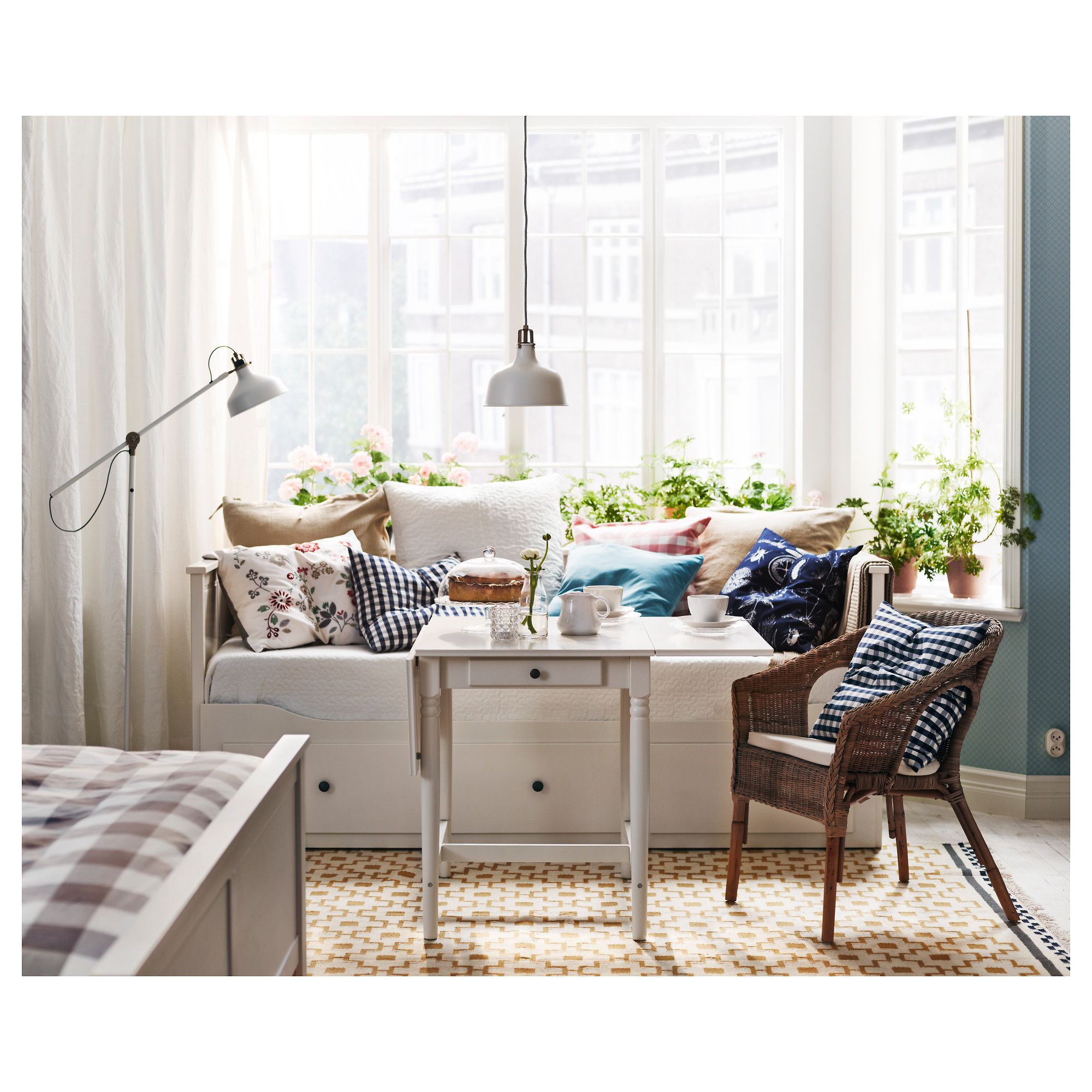
Natural Living Room Decor
Earthy elements, house plants, rustic touches, and organic materials that bring warmth and nature indoors.
Read More →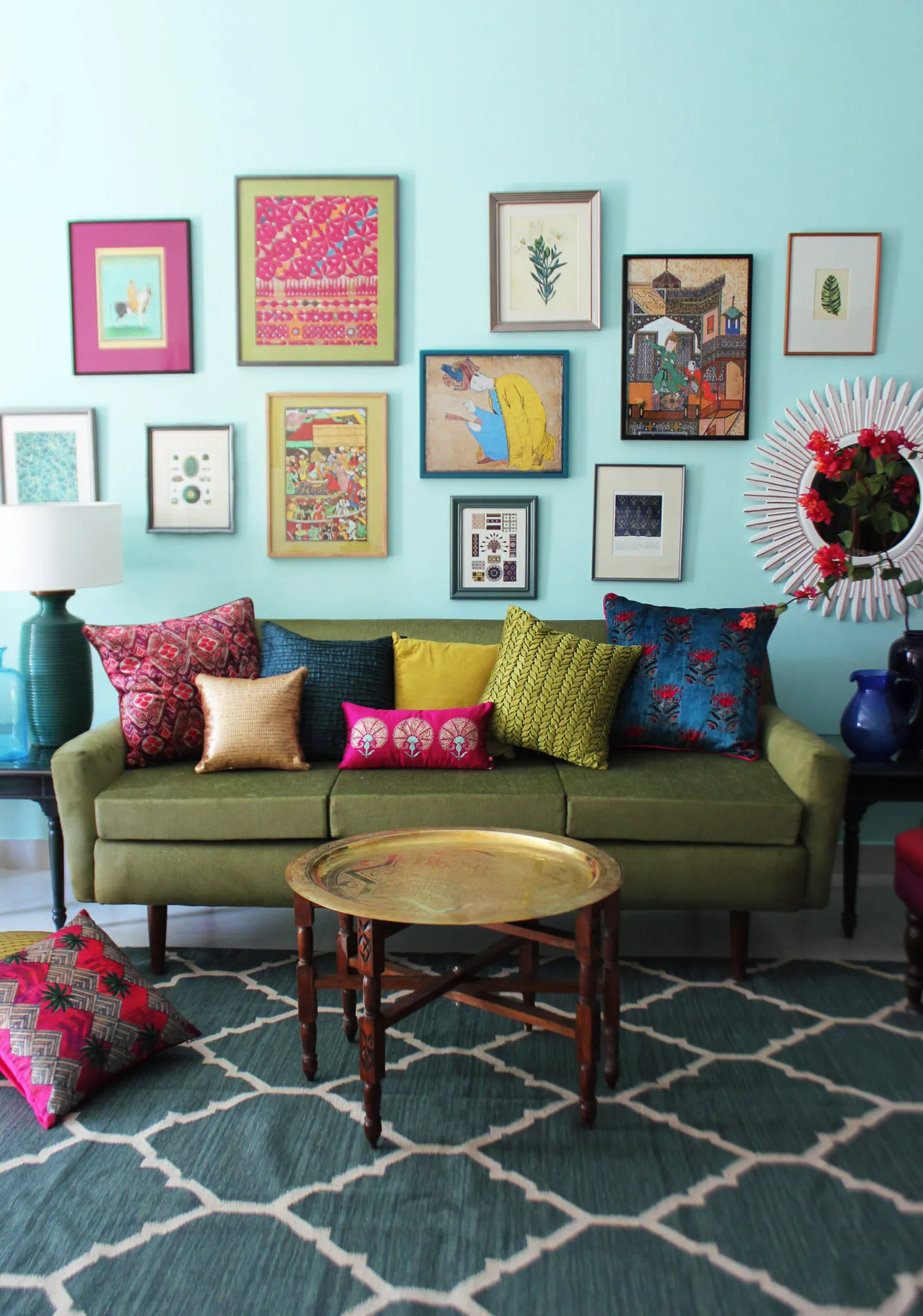
Living Room Ideas: Velvet Sofa
From classic red to trending green and blue, explore how a velvet sofa can transform your living room's character.
Read More →