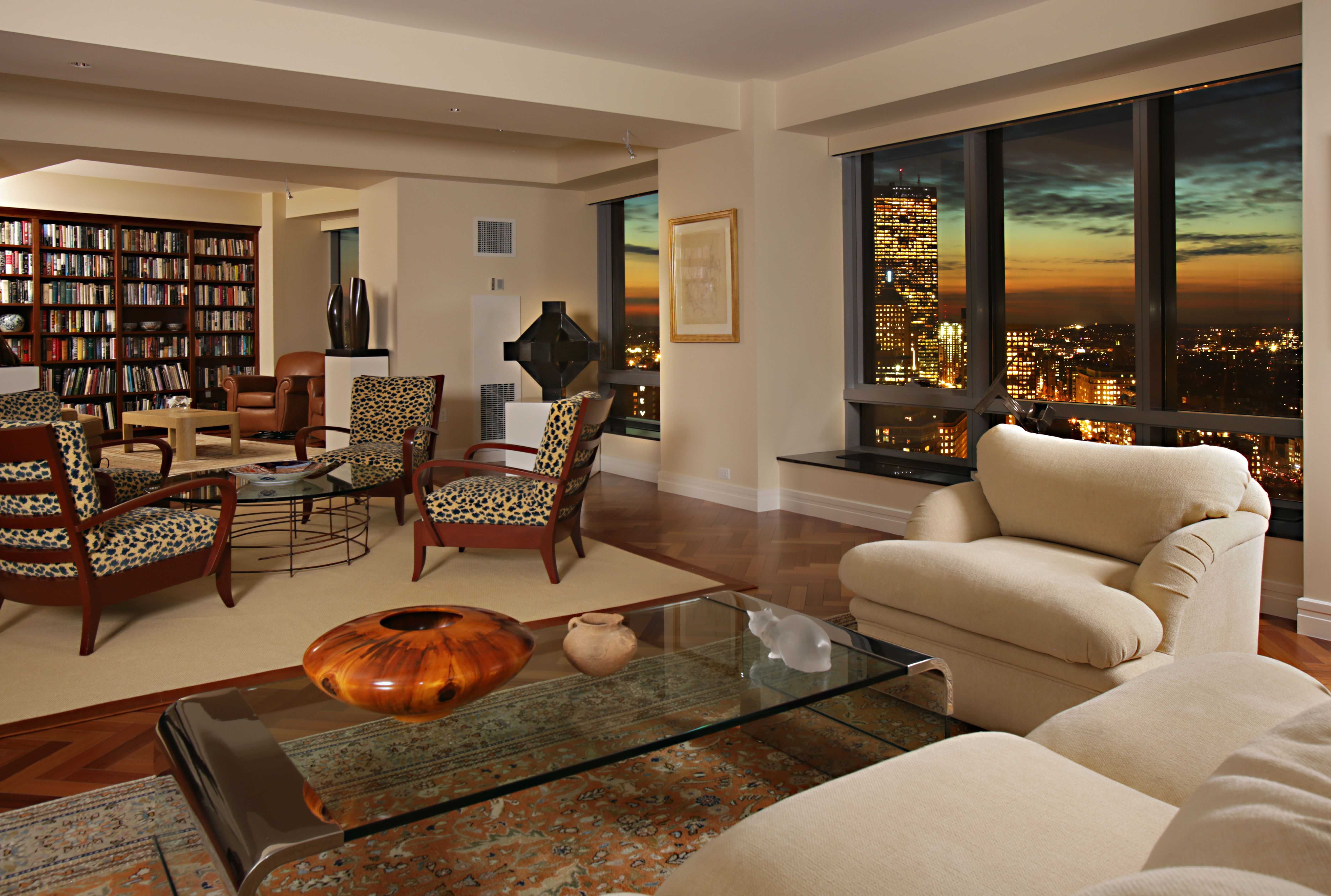
Living Room Design Ideas & Inspiration
Kumpulan Informasi, Tips dan Trik Terlengkap dan Terpercaya — explore curated ideas for sofas, storage, decor, and every style in between.
Explore Ideas →Get Design Inspiration
Tell us what you're looking for and we'll point you to the best articles.
Using a Rug to Define a Seating Area in an Open-Plan Living Room
Open-plan living has become the default layout in new Australian builds, particularly in suburban developments stretching from the outer fringes of Melbourne to the family-friendly estates around Brisbane's Moreton Bay. Knockdown-rebuild projects in heritage suburbs like those sprinkled across Sydney's Inner West often strip out walls to create a flowing kitchen-dining-lounge expanse that suits how modern families actually live. The catch is that without those walls, the space can feel like a vast, undefined hangar rather than a welcoming home.
This is where a thoughtfully chosen rug earns its keep. A rug underfoot is one of the few soft furnishings that can quietly mark a boundary, anchor a cluster of furniture, and signal "this is the lounge zone" without ever needing a stud wall or a half-height partition. For homeowners wrestling with the proportions of a sprawling north-facing living area, a rug can do the heavy lifting that architecture forgot.
In a country where the sun pours in generously for most of the year, flooring choices have to work harder. Rugs soften the glare bouncing off polished concrete or blonde timber, absorb echoes in double-height voids, and add the kind of tactile warmth Australians crave once winter rolls through the Blue Mountains. They are also one of the easiest pieces to swap when the season, or the sofa, changes.
The guide below walks through sizing, shape, material, and styling decisions that work specifically with the way open-plan homes are planned Down Under. Whether the floor is spotted gum, blackbutt, or polished concrete, the right rug can carve out a usable, intimate seating zone in almost any footprint.
Why a Rug Works as an Invisible Wall
Flooring transitions are one of the most underrated zoning tools in interior design. The eye reads a change in surface as a change in function, which is why tiled entryways lead into timber kitchens in so many display homes across the Sunshine Coast. A rug replicates that visual cue without any structural work. Drop one into the centre of a lounge grouping and the room instantly understands where conversation is meant to happen.
Rugs also create a psychological edge. Studies on spatial perception suggest people feel more enclosed when their feet meet a defined surface, even if the ceiling soars above them. In open-plan homes where the living zone flows directly off the kitchen island, that sense of containment makes the difference between a room that feels like a public thoroughfare and one that invites you to sink into the sofa with a cuppa.
The flexibility is the real appeal. A rug can be repositioned for a larger Christmas crowd, swapped out during a renovation, or rolled up entirely when the kids decide the floor is a racetrack. Few zoning solutions offer that level of low-commitment impact.
Sizing Rules for Australian Living Rooms
Rugs that are too small are the single most common mistake in open-plan lounges. The standard rule is that the front legs of all major seating should sit on the rug, which usually translates to at least 300 cm by 200 cm for a three-seater sofa paired with armchairs. Anything smaller looks like a bathmat lost under a coffee table.
Measure the seating cluster first, not the empty floor. Walk the tape from the outer edge of one armchair to the opposite end of the sofa, then add roughly twenty centimetres on each side for breathing room. In larger new builds around Perth's northern corridor or in Adelaide's newer master-planned estates, lounge zones can easily stretch four metres across, which means a generous 350 by 250 cm piece or even a 400 by 300 cm statement rug is often justified.
Leave a consistent border of visible flooring around the rug to keep the room from feeling cluttered. Aim for roughly forty to sixty centimetres of exposed timber, tile, or polished concrete between the rug edge and the next architectural feature, whether that's a hallway, a sliding door to the alfresco, or the kitchen island bench.
| Rug Size | Best For | Front Legs On? | Room Feel |
|---|---|---|---|
| 200 x 150 cm | Single armchair + side table | Sofa fully on, chair partial | Compact, snug |
| 240 x 170 cm | Two-seater sofa, two chairs | All legs on | Balanced, traditional |
| 300 x 200 cm | Three-seater sofa, one chair | All legs on | Generous, anchored |
| 350 x 250 cm or larger | Modular sofas, family rooms | All legs plus coffee table | Spacious, luxurious |
Choosing Materials That Handle the Climate
Australian conditions are tough on natural fibres. Humidity along the Queensland coast can make jute and sisal buckle, while the dry heat of inland regions like Dubbo or Mildura causes wool to dry out if positioned too close to large west-facing windows. Cotton rugs work in milder climates but stain easily in households with red-wine-loving guests or sandy-footed kids returning from the beach.
Wool remains the most versatile pick for most Aussie homes, and locally produced pieces from makers in the Barossa and through retailers such as Adairs are easy to find. Wool tolerates temperature swings, resists crushing under heavy sofas, and has a natural fire resistance that suits local building codes for rental properties. It also ages gracefully, softening rather than wearing out.
Synthetic blends have improved dramatically in recent years and suit busy family zones, particularly in beach houses where sand gets tracked in daily. Look for polypropylene or recycled PET rugs at places like Carpet Court if low maintenance is the priority. For a layered approach, a flatwoven cotton dhurie can sit over a larger neutral wool piece, giving depth without bulk.
Shape and Placement Strategies
Rectangular rugs are the safe default, but in homes with curved island benches, rounded dining tables, or kidney-shaped lounges, an oval or round rug often feels more intentional. Round rugs work beautifully under circular coffee tables in heritage Queenslanders where the lounge bay is already a soft shape.
In a long, narrow open-plan space, run the rug parallel to the longest wall and align it with the sofa rather than the room's centre. This pulls the seating area forward and away from the kitchen footprint, which helps the lounge feel like its own destination. Centring a rug in a perfectly symmetrical room can look overly staged; a slight offset feels relaxed and more in keeping with the easygoing Australian aesthetic.
If the seating cluster includes a daybed or a chaise, treat the rug as the foundation for the entire grouping. Many homeowners extend the rug far enough under a living room daybed to create a reading nook that feels anchored rather than floating awkwardly at the edge of the room.
Colour Coordination With Australian Light
North-facing rooms flooded with daylight can wash out pale rugs, while south-facing lounges need warmer tones to avoid feeling cold and flat. Test rug swatches in the actual room at different times of day before committing. The same rug can look chalky at noon and golden at sunset, which is why borrowing samples from a local showroom beats relying on website imagery alone.
Layered neutrals — oatmeal, putty, soft taupe — suit the classic coastal palette popular from Byron Bay to Fremantle. For more contemporary builds in inner-city Melbourne apartments, high-contrast geometric patterns in charcoal and bone create a focal point against minimalist joinery. Earthy reds, terracottas, and muted ochres echo the Australian landscape and pair well with blackbutt timber floors.
Remember that the rug is the largest single block of colour in the seating zone. Pull one accent from the artwork above the sofa or the cushions on the armchairs to tie the palette together. This small step keeps the open-plan space feeling cohesive as the eye travels from kitchen to lounge.
Layering Rugs Over Existing Flooring
Layering is a designer trick that solves the problem of a too-small rug without buying a new one. Start with a large, inexpensive jute or sisal base rug in a neutral tone, then top it with a smaller patterned or vintage piece that anchors the seating cluster. The combination reads as one intentional element rather than two separate rugs.
This approach also protects delicate hand-knotted rugs from heavy foot traffic, an important consideration in homes where the lounge opens straight onto a tiled alfresco. The base rug catches the grit before it reaches the prized silk piece. Many Australians layer a flat dhurie over wall-to-wall carpet to refresh a rental without losing the existing flooring underneath.
For homes with polished concrete — a staple of modern Queensland and Western Australian builds — a thick wool rug plus a quality rug pad prevents the slippery sliding that makes furniture feel unstable. A good underlay also adds cushioning underfoot and extends the life of the rug by reducing friction against the hard surface below.
Pairing Rugs With Other Zoning Elements
A rug is rarely the only zoning tool in a successful open-plan home. Pair it with overhead pendant lighting that drops lower over the lounge than over the dining table, which creates a vertical line that reinforces the floor-level boundary. Heavy drapes hung close to the ceiling can achieve a similar effect when drawn at night, and choosing the right curtain rods for drapes ensures they hang properly and frame the seating zone rather than collapsing under their own weight.
Open shelving units placed perpendicular to the sofa back, tall indoor plants in statement pots, and a console table behind the sofa all reinforce the rug's boundary without adding walls. The goal is to repeat the zoning message through texture, height, and light so the room reads clearly from every angle.
Larger furniture pieces — a media unit, a tall bookcase, even a sizeable indoor tree — work alongside the rug to wrap the seating zone in a sense of enclosure. In sprawling family homes from the Hills District to the Mornington Peninsula, these layered cues are what transform a vast room into a series of inviting destinations.
Ready to rethink the lounge zone? Order a few rug swatches this weekend, tape out the dimensions on the floor with masking tape, and live with the layout for a day or two before clicking checkout. The right rug will make the open-plan room feel like it finally has the walls it was missing — without the cost of an extension or the headache of a renovation.
What We Cover
Living Room Topics & Ideas
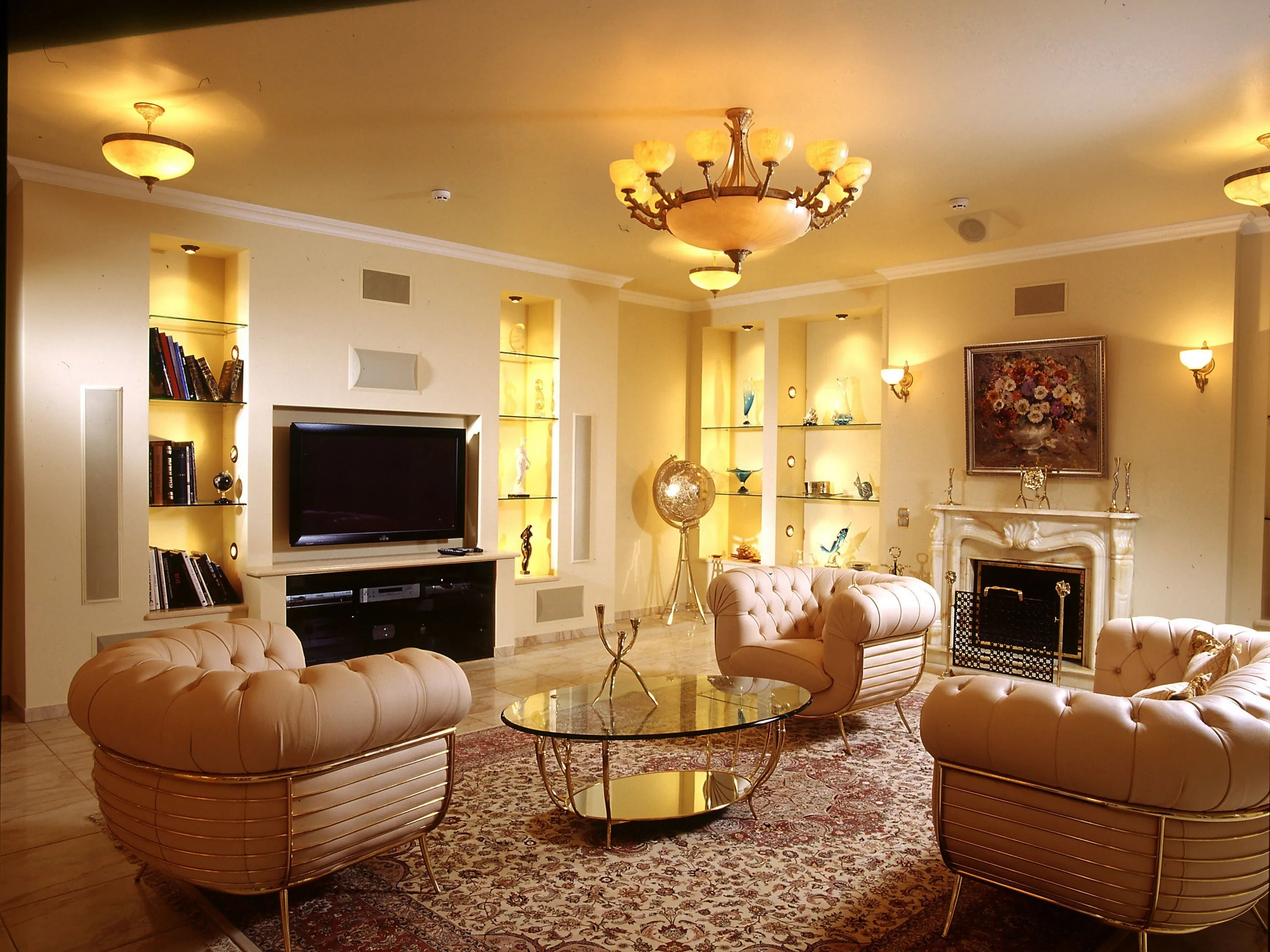
Luxury Living Room Furniture
High-end pieces spanning modern, neo-classical, and Italian Gothic styles — craftsmanship, leathers, and refined artistry.
Read More →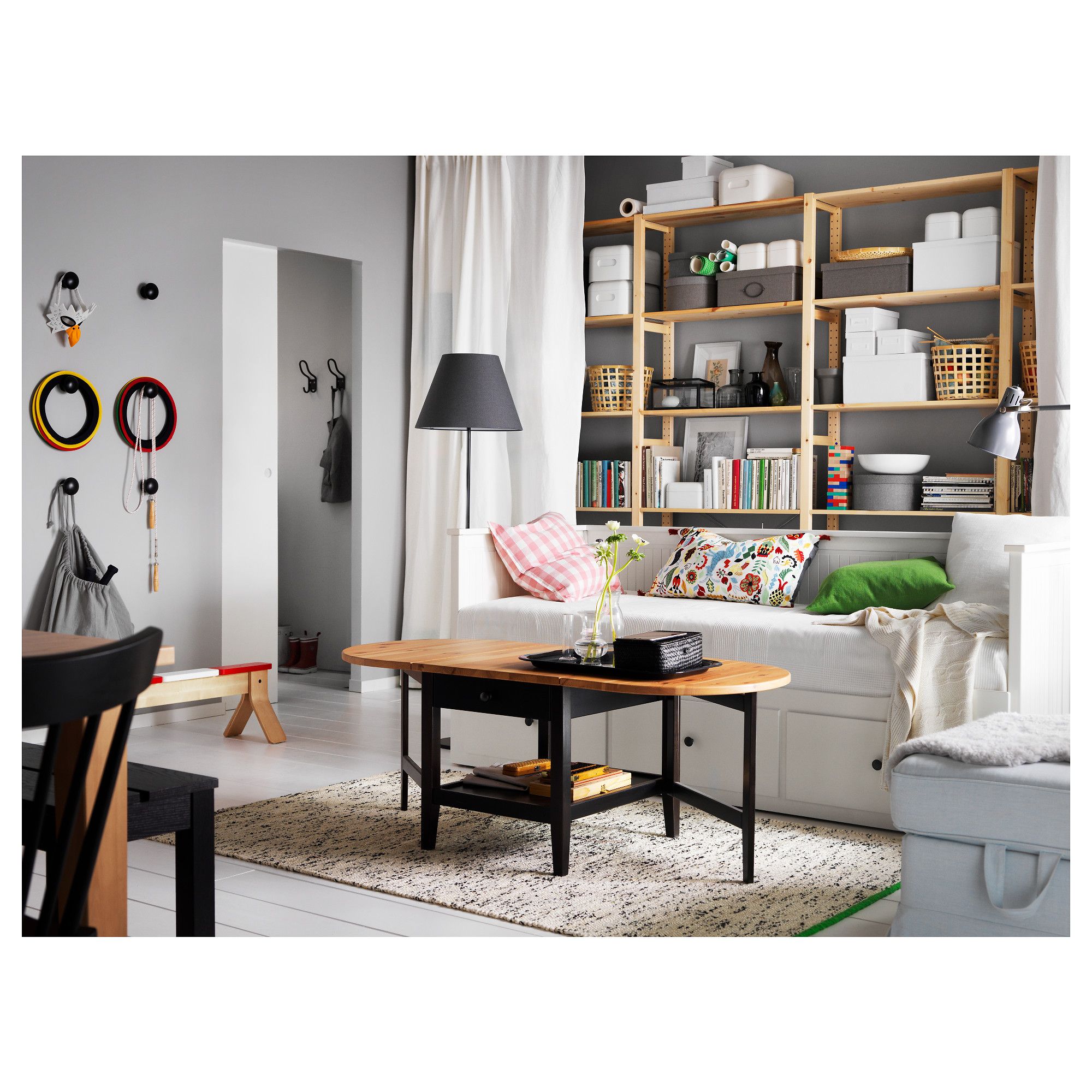
White Living Room Storage Cabinets
Sideboards, curio cabinets, and high-gloss storage units that blend practical organization with decorative appeal.
Read More →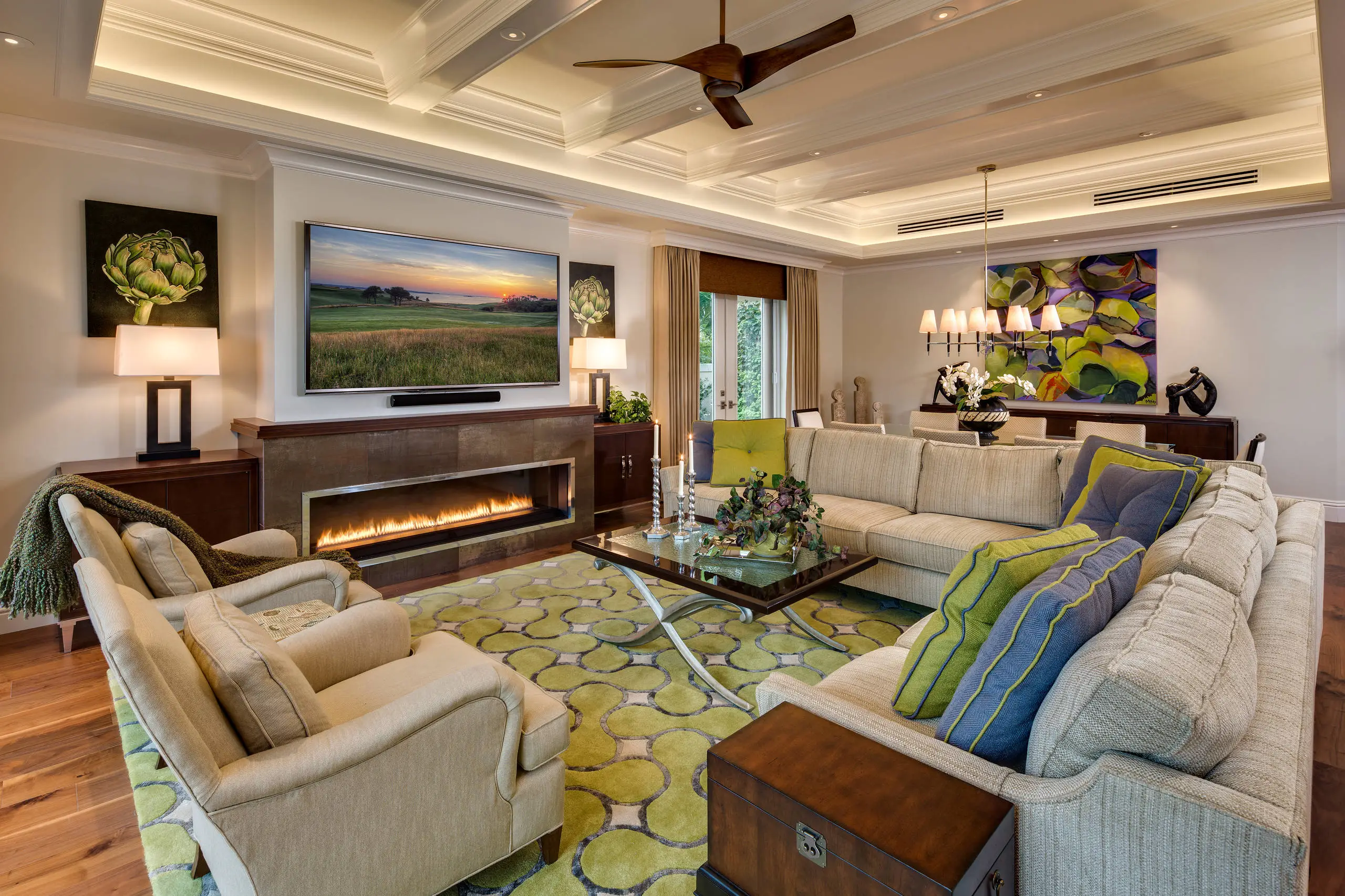
Living Room Decor Essentials
Rugs, pillows, art, lamps, and accent pieces that add layers of color, texture, and personality to any living space.
Read More →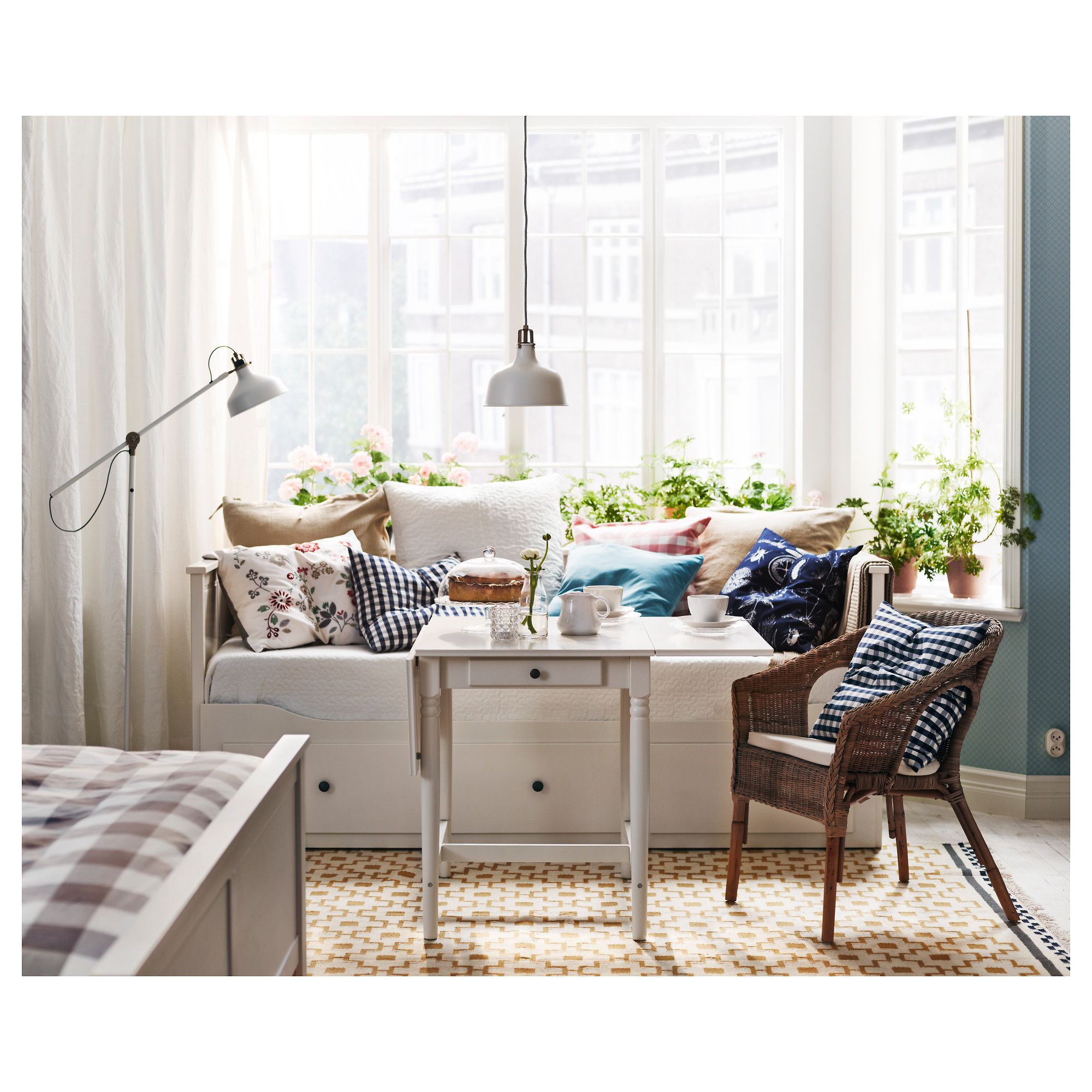
Natural Living Room Decor
Earthy elements, house plants, rustic touches, and organic materials that bring warmth and nature indoors.
Read More →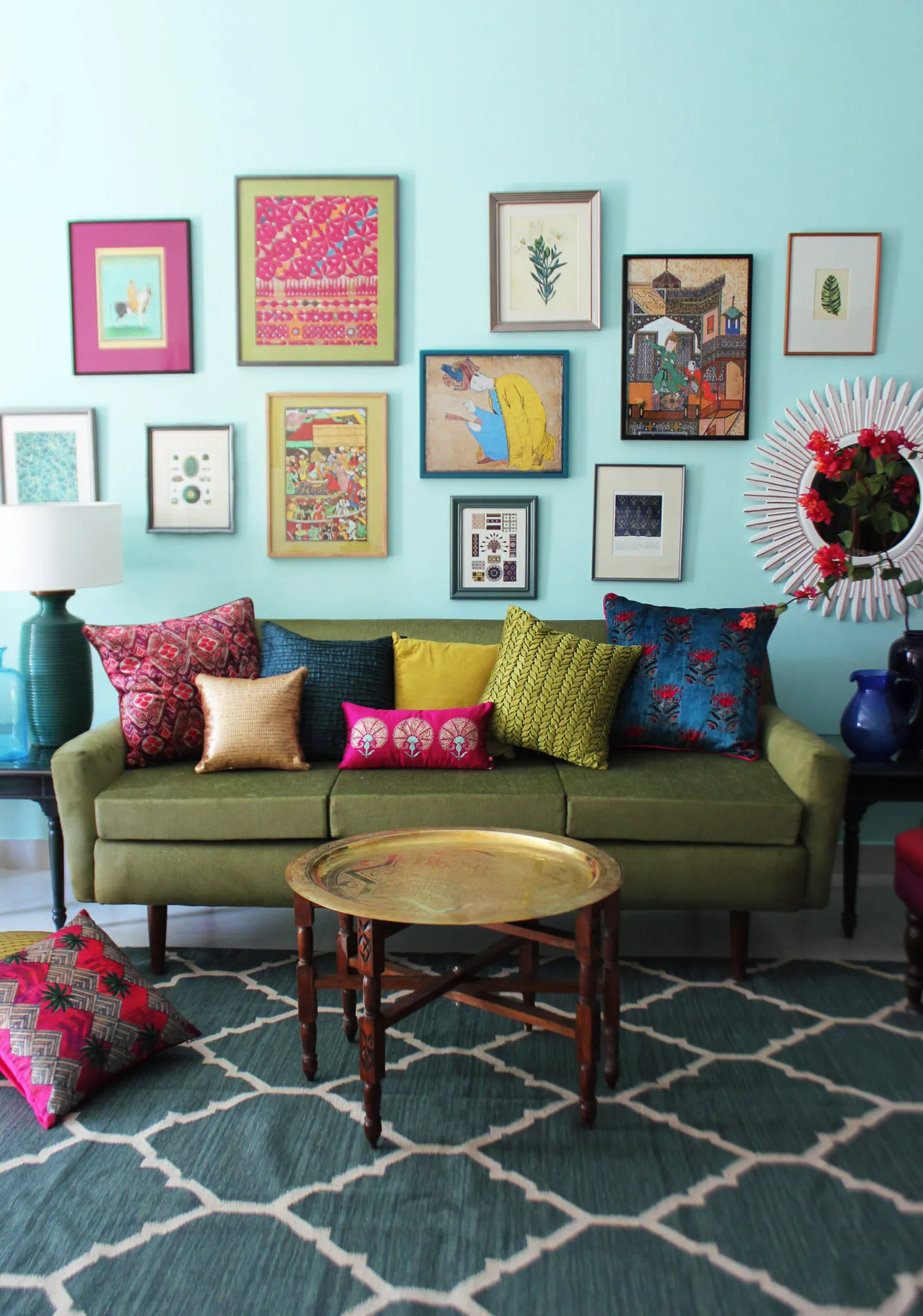
Living Room Ideas: Velvet Sofa
From classic red to trending green and blue, explore how a velvet sofa can transform your living room's character.
Read More →