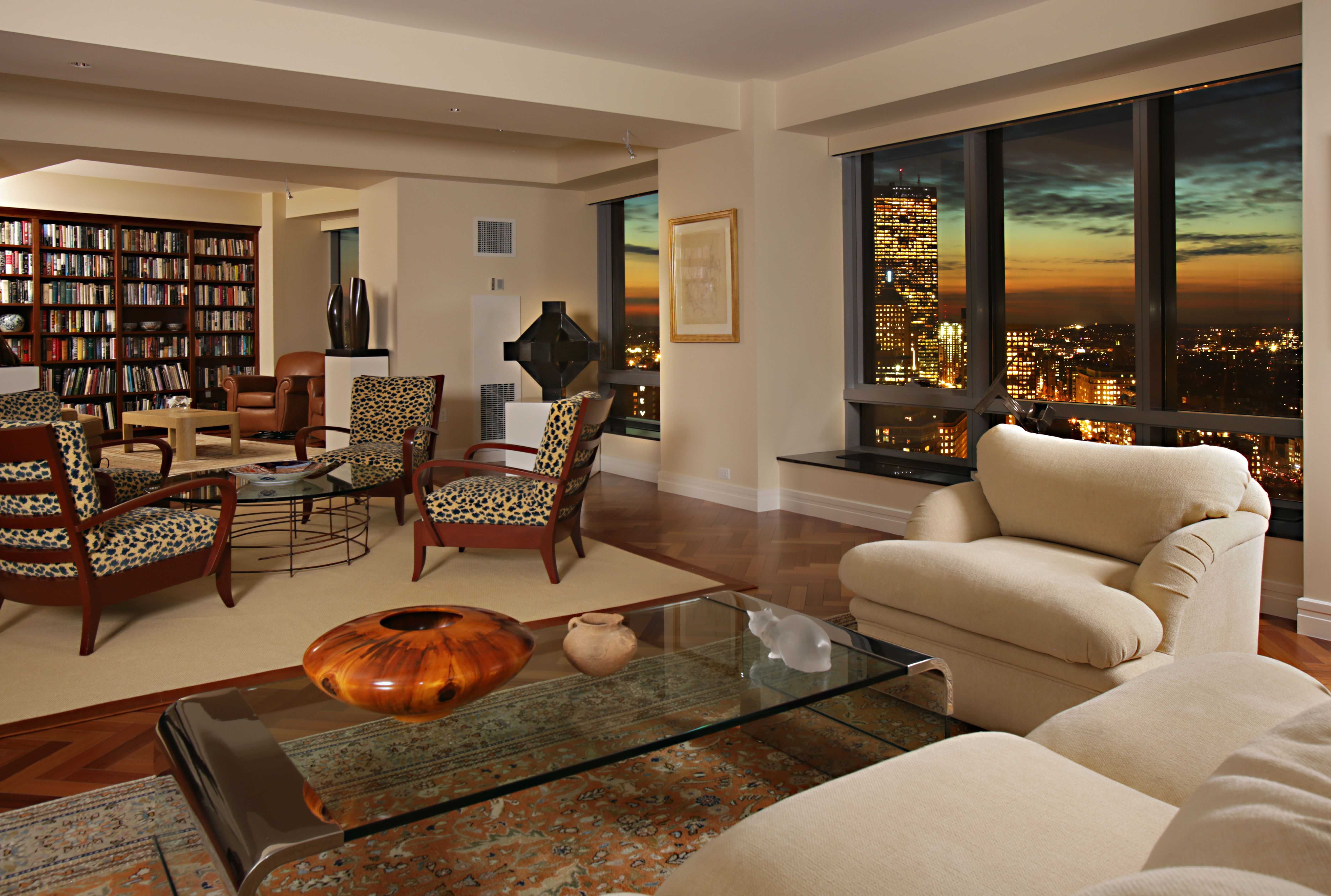
Living Room Design Ideas & Inspiration
Kumpulan Informasi, Tips dan Trik Terlengkap dan Terpercaya — explore curated ideas for sofas, storage, decor, and every style in between.
Explore Ideas →Get Design Inspiration
Tell us what you're looking for and we'll point you to the best articles.
A large wall tapestry instead of paint or wallpaper
A large wall tapestry can transform a living room in a single afternoon, adding colour, pattern and softness without the permanence of a painted feature wall or wallpaper installation. It is especially useful when a room feels plain but the existing sofa, flooring and joinery are still worth keeping.
Textiles bring a different quality to interiors. They absorb some sound, conceal uneven walls and introduce visual warmth that hard surfaces cannot easily provide. A woven design can also become the focal point above a sofa, sideboard or low media unit without making the room feel over-decorated.
For Australian homes, this approach suits renters, apartment dwellers and homeowners who want flexibility. A tapestry can move with you, change seasonally and work across different decorating styles, from coastal and relaxed to industrial and richly layered.
| Feature | Large wall tapestry | Paint | Wallpaper |
|---|---|---|---|
| Installation | Rod, hooks or concealed rail | Preparation and several coats | Careful measuring and pasting |
| Flexibility | Easy to remove or relocate | Usually permanent | Difficult to remove cleanly |
| Texture | Adds softness and depth | Flat finish | Depends on surface and paper |
| Cost control | Available across many price points | Materials plus labour | Paper, tools and installation |
| Best for | Rentals, feature walls and layered rooms | Full-room colour changes | Patterned, polished schemes |
Why fabric changes the room
A tapestry works as oversized wall art, but its impact goes further than a framed print. The weave creates texture, while folds and irregular edges stop a large surface from looking too rigid. This is valuable in living rooms with hard floors, glass doors and minimal furniture, where the acoustics can otherwise feel sharp.
A textile backdrop can also visually connect separate pieces. Pick up one tone from the tapestry in the cushions, rug or ceramics, then repeat a quieter shade elsewhere. This creates cohesion without requiring every item to match. In an open-plan Australian home, the artwork can help define the lounge zone within a larger kitchen and dining area.
Choose the right scale and position
The artwork should relate to the main furniture rather than simply fill the biggest empty wall. Above a sofa, aim for a width of roughly two-thirds to three-quarters of the sofa’s length. Leave enough breathing room around it so the textile feels intentional instead of squeezed into the available space.
A low ceiling benefits from a vertically oriented design, while a long wall may suit a horizontal landscape or abstract composition. Centre the tapestry with the seating arrangement, not necessarily the entire room. In a narrow Sydney or Melbourne apartment, this simple adjustment can make the living area feel more balanced and considered.
Before buying, cut a paper template to the proposed size and attach it to the wall with removable tape. View it from the sofa, hallway and adjacent dining area. This reveals whether the pattern is too dominant and helps you choose the correct hanging height.
Match colour with your existing furniture
Begin with the colours already present in the room. A neutral sofa can support a bold geometric tapestry, while a patterned sofa usually looks better with a quieter woven design. If the room contains timber, rattan or cane, earthy ochre, clay, olive and sand tones will create a naturally connected palette.
For a cooler scheme, look for charcoal, dusty blue, eucalyptus green or soft cream. These colours sit comfortably with Australian coastal interiors without making the room feel themed. A tapestry with rust or terracotta accents can also bring warmth to rooms that receive limited winter sun.
Use the 60-30-10 approach as a loose guide: a dominant background colour, a secondary furniture or textile tone, and a smaller accent shade. The tapestry does not need to contain every colour in the room. A restrained design often gives you greater freedom to update cushions and accessories later.
Select a material that suits the space
Cotton and cotton blends are generally practical choices for a living room because they are lighter, easier to handle and available in many patterns. Wool offers a richer surface and excellent visual warmth, although it can be heavier and more expensive. Linen has a relaxed appearance that works well with coastal, Scandinavian and contemporary interiors.
Check the hanging weight before choosing hardware. A substantial wool or handwoven piece may need a timber batten, secure wall plugs or a professional fixing method rather than a lightweight picture hook. For renters, a lighter textile with a removable rod system may be a safer option, subject to the property agreement.
Sun exposure is another consideration. Strong western light in Perth, Adelaide or Brisbane can fade saturated dyes over time, especially near large windows. Position the tapestry away from direct afternoon sun where possible, or choose a piece with colourfast fibres and a naturally muted palette.
Create a polished hanging arrangement
A timber dowel threaded through a sleeve gives a relaxed, gallery-like finish and allows the lower edge to hang freely. A concealed magnetic hanger creates a cleaner appearance, while a slim curtain rod can work when its brackets are discreet and properly anchored. The hardware should support the design rather than compete with it.
For a more architectural effect, mount the textile inside a shallow frame or stretch it over a backing board. This makes the surface flatter and gives the room a tailored appearance, though it also increases weight and reduces portability. A framed textile suits formal living rooms and homes with refined joinery.
Avoid hanging a tapestry directly behind a fireplace, heater or damp exterior wall. Keep it clear of high-traffic corners where bags, children or pets may catch the fabric. When placing it above a sideboard, leave room for a lamp, vase or small sculpture without obscuring the central pattern.
Build a style around the focal wall
In an industrial scheme, a tapestry can soften exposed brick, black metal and concrete finishes. For inspiration on balancing rugged surfaces with comfortable furniture, explore these industrial living room ideas. Choose a graphic print, washed textile or monochrome design rather than adding several competing patterns.
A botanical or abstract tapestry can support a contemporary room with a simple modular sofa and low-profile coffee table. In a bohemian setting, layer it with baskets, ceramic vessels and cushions in related tones, keeping the furniture layout fairly calm so the wall remains the anchor.
The same idea can work in a traditional home. Select a tapestry with faded colour, landscape imagery or an intricate border, then pair it with timber furniture and aged brass details. The result feels collected rather than overly coordinated.
Keep the wall useful and easy to change
One advantage of fabric wall decor is its reversibility. You can replace a winter-weight wool piece with a lighter cotton design in summer, or move the tapestry to a bedroom, study or covered entertaining area. Store it rolled around an acid-free tube rather than folded for long periods, which helps prevent deep creases.
Dust the surface gently with a low-suction upholstery attachment, and follow the maker’s cleaning instructions before spot-treating. Avoid spraying household cleaner directly onto dyed fibres. If the piece is valuable or handwoven, professional textile cleaning is the safest choice.
A tapestry can also be combined with practical storage. In a compact lounge, place it above streamlined cabinetry so the wall contributes both personality and balance. White storage units can keep the base visually light; these living room storage cabinets are a useful reference for creating that clean foundation.
A large wall tapestry offers an adaptable way to refresh a living room without committing to paint or wallpaper. Start by measuring the furniture, testing the colour beside your existing finishes and checking the wall for suitable fixings. Choose a piece with enough presence to anchor the room, then let the rest of the styling remain simple so the textile can do its work.
What We Cover
Living Room Topics & Ideas
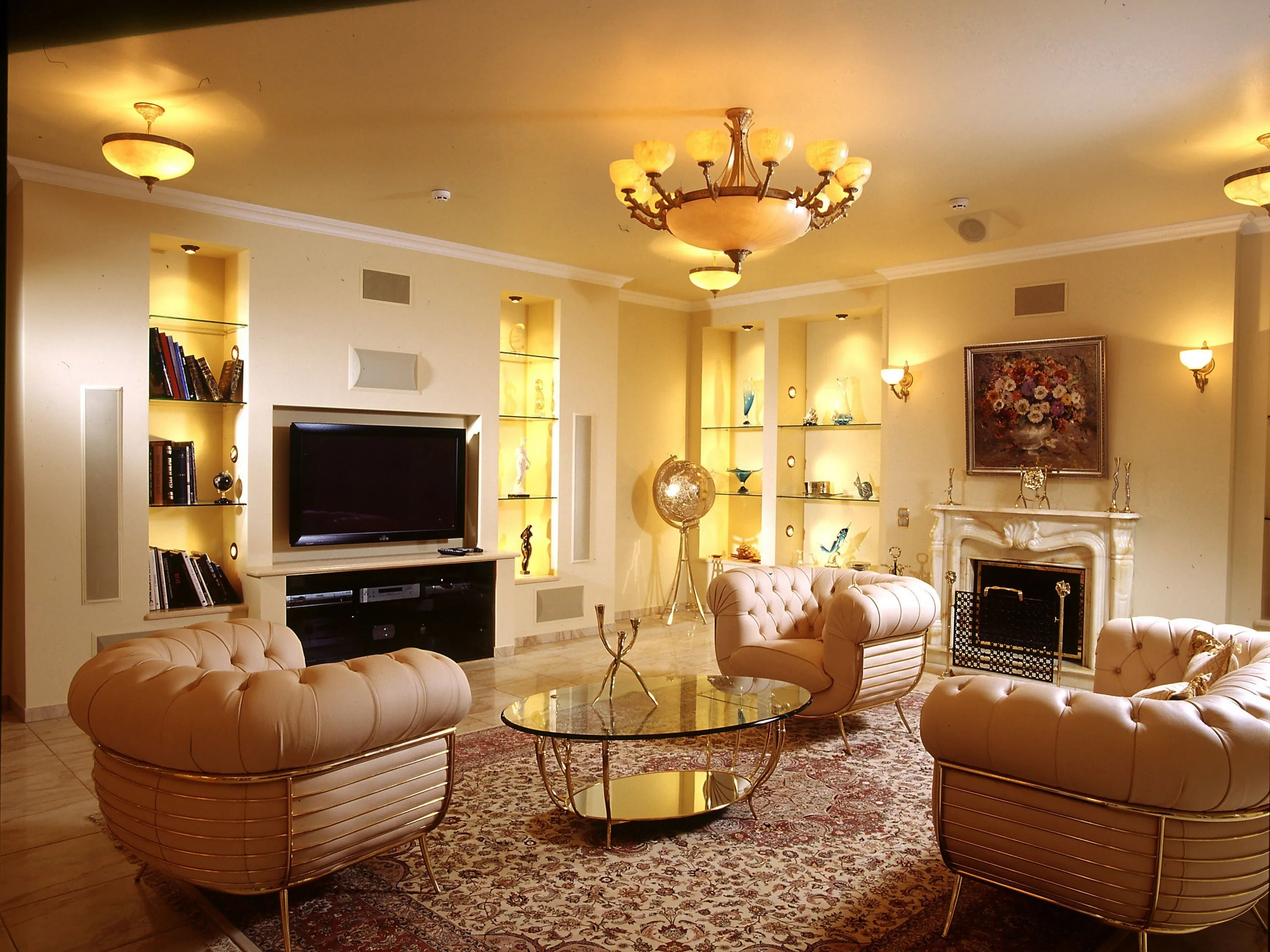
Luxury Living Room Furniture
High-end pieces spanning modern, neo-classical, and Italian Gothic styles — craftsmanship, leathers, and refined artistry.
Read More →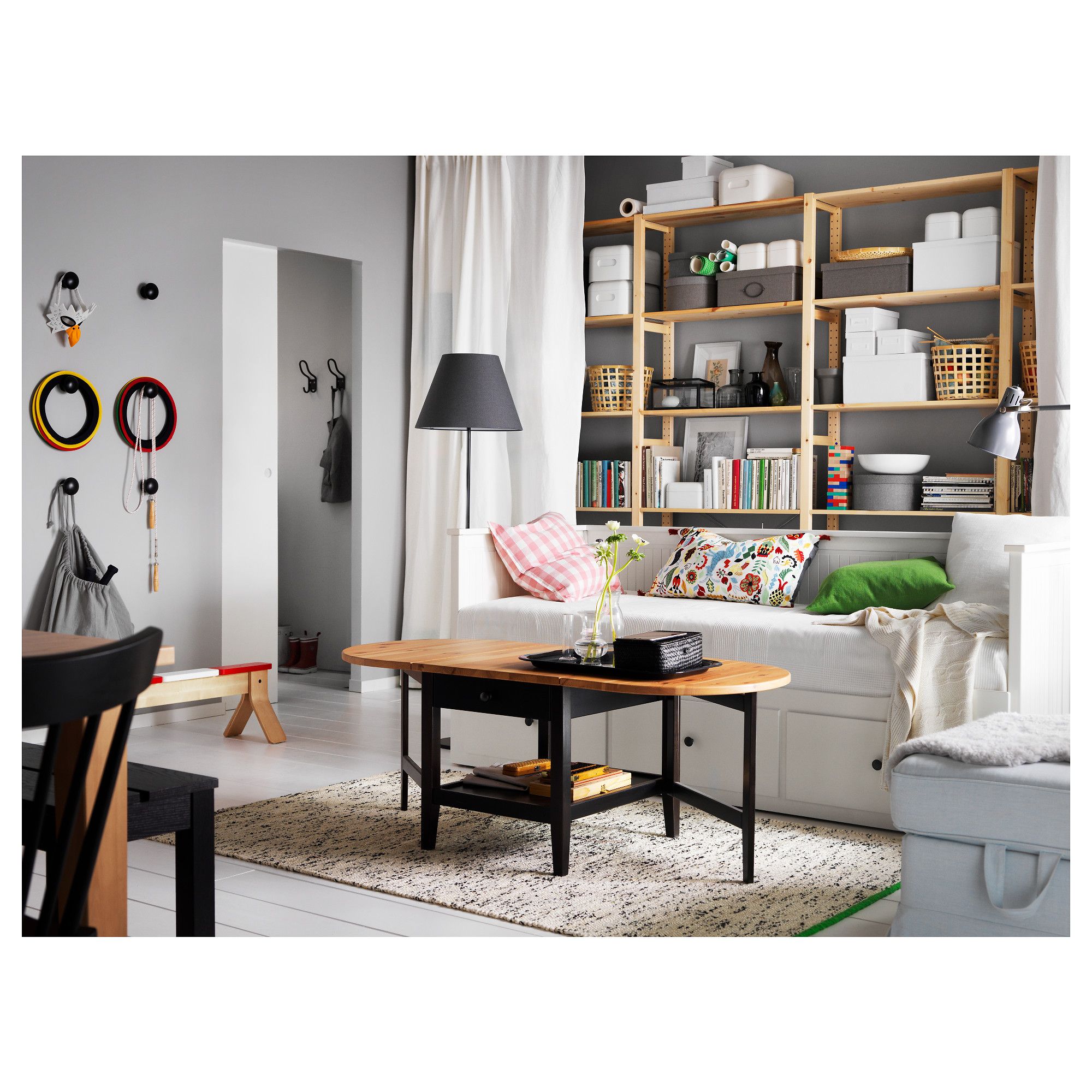
White Living Room Storage Cabinets
Sideboards, curio cabinets, and high-gloss storage units that blend practical organization with decorative appeal.
Read More →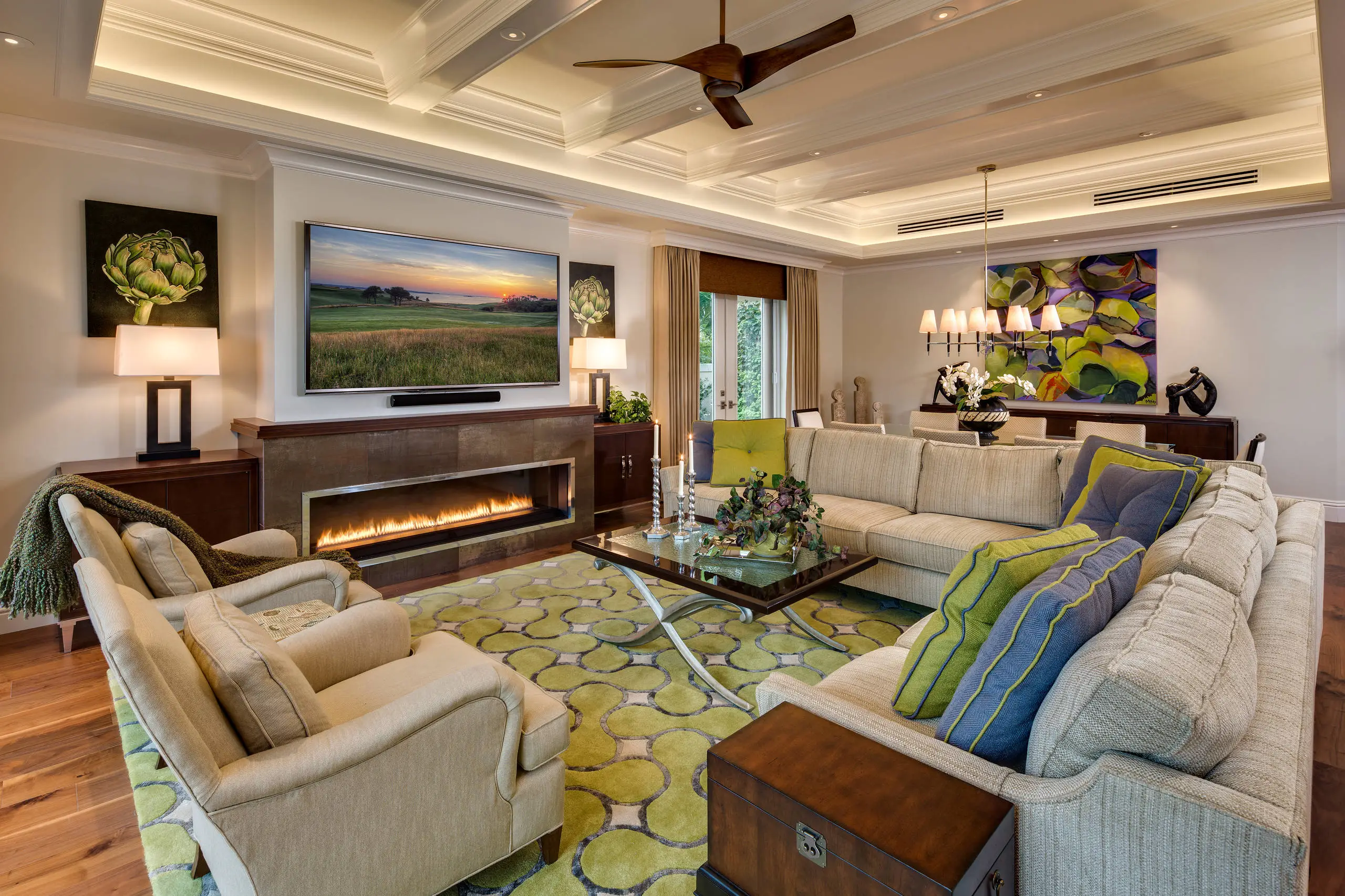
Living Room Decor Essentials
Rugs, pillows, art, lamps, and accent pieces that add layers of color, texture, and personality to any living space.
Read More →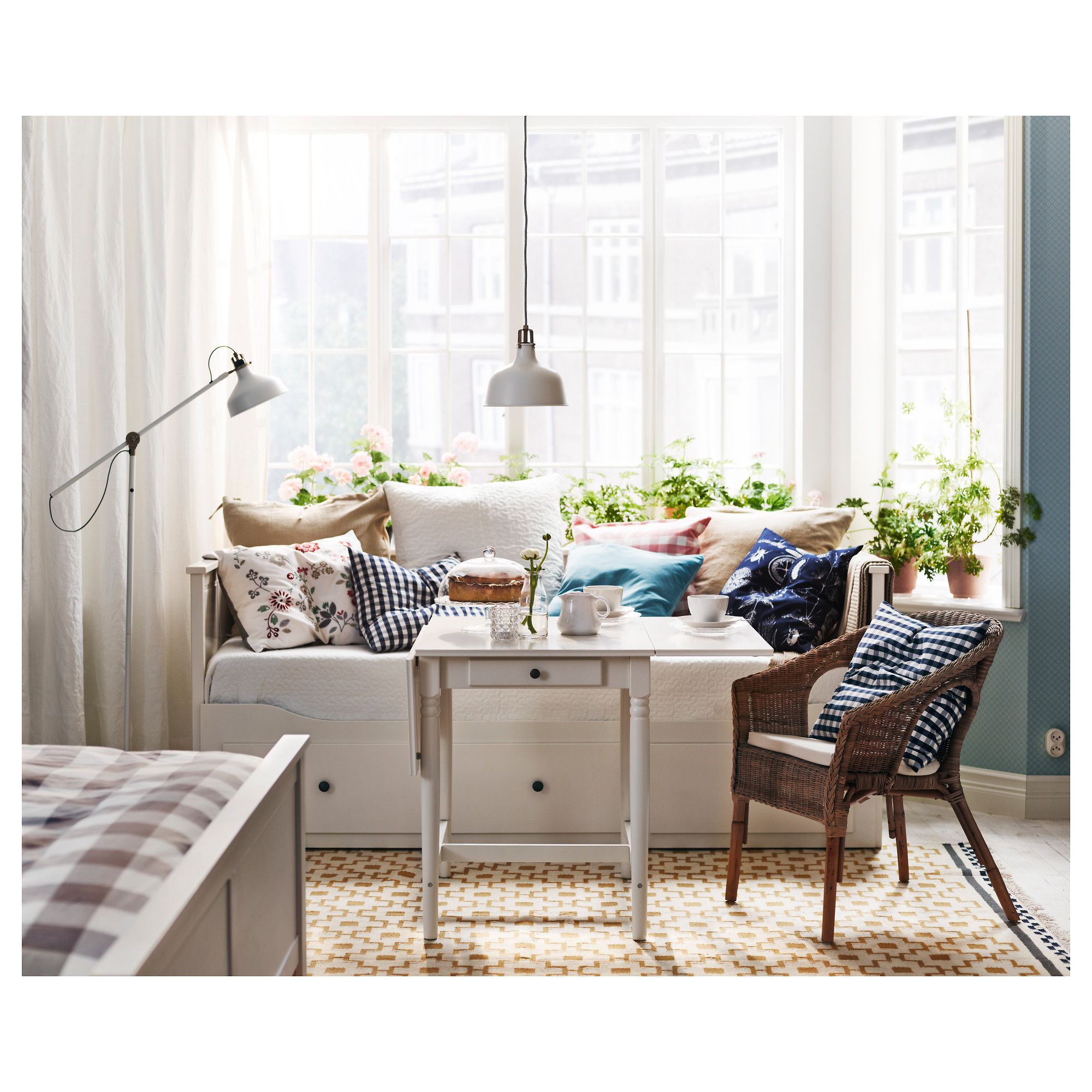
Natural Living Room Decor
Earthy elements, house plants, rustic touches, and organic materials that bring warmth and nature indoors.
Read More →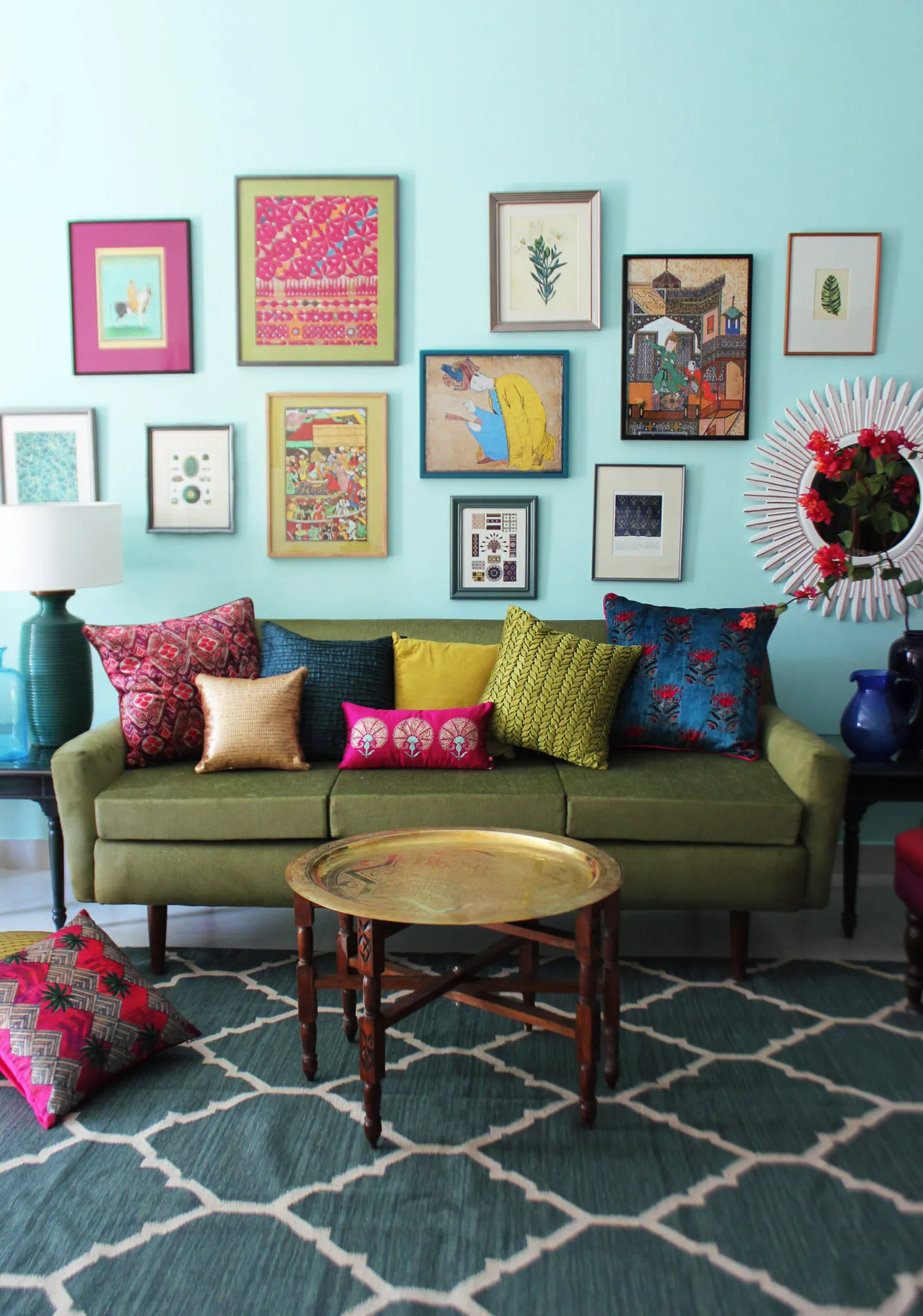
Living Room Ideas: Velvet Sofa
From classic red to trending green and blue, explore how a velvet sofa can transform your living room's character.
Read More →