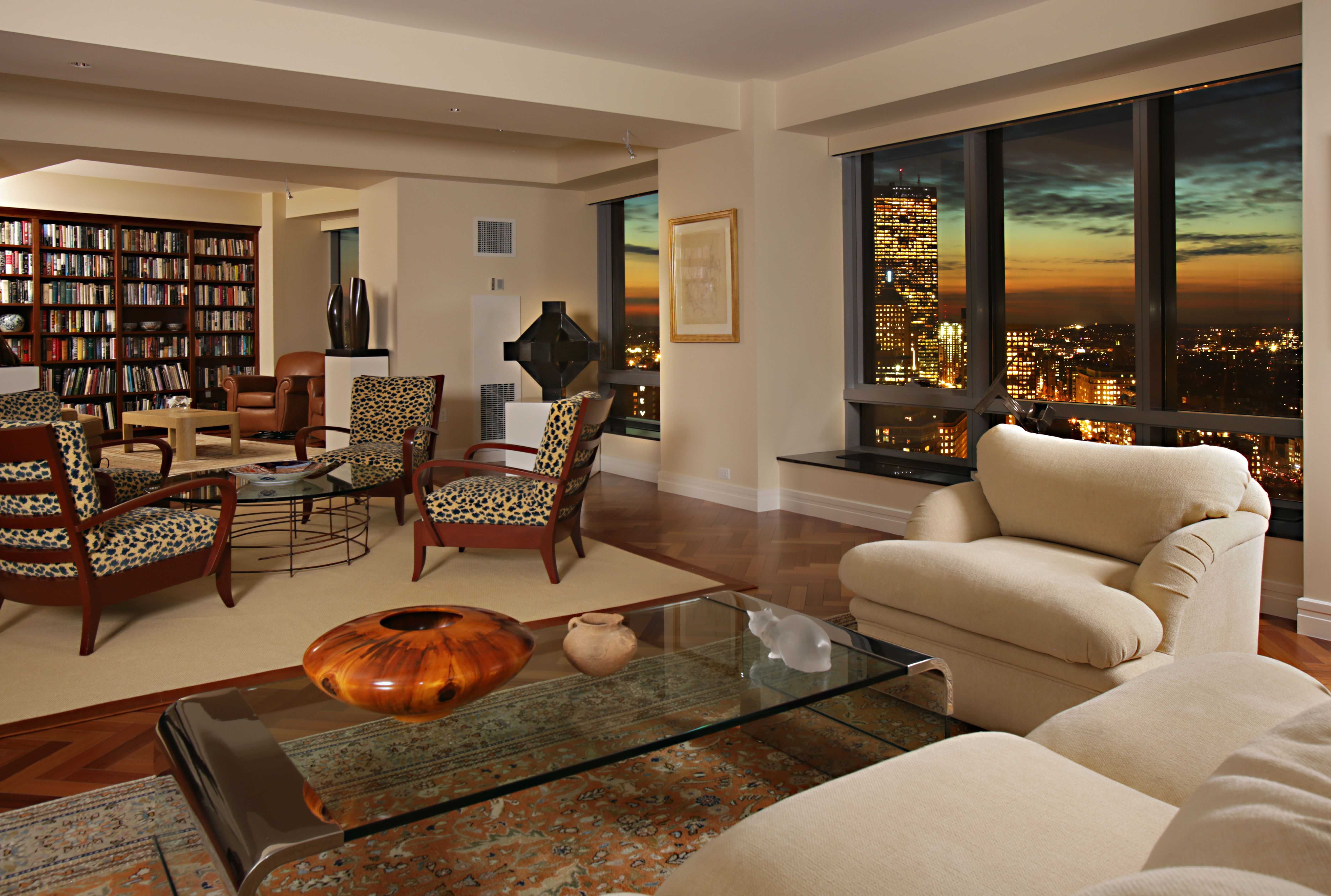
Living Room Design Ideas & Inspiration
Kumpulan Informasi, Tips dan Trik Terlengkap dan Terpercaya — explore curated ideas for sofas, storage, decor, and every style in between.
Explore Ideas →Get Design Inspiration
Tell us what you're looking for and we'll point you to the best articles.
Floor mirrors that make a narrow living room look instantly wider
Aussie homes, particularly terrace-lined streets of Sydney or snug apartments popping up around Brisbane and Perth, often come with living rooms that feel more like hallways than gathering spaces. Narrow footprints, big windows on just one wall, and a doorway that eats into usable floor area can make even generously sized homes feel pinched.
A floor-length mirror is one of the most underrated tools Australian homeowners have for opening up these spaces. Unlike a small mirror above the sofa, a leaning or wall-mounted floor mirror doubles the visual depth of a room by reflecting light back at it. The trick is knowing which mirror to choose, where to put it, and how to style around it.
This guide walks through the practical side of using a large mirror to widen a slim lounge. We’ll look at local housing realities that make this trick useful, the science of why it works, and placement rules designers rely on in compact Australian homes. There’s also a comparison table near the end to help you decide between styles.
Whether you live in a one-bedroom unit in Melbourne’s inner suburbs or a renovated Queenslander in Adelaide, the principles hold up. A well-placed mirror quietly solves a layout problem without major renovation costs or body corporate headaches.
Why narrow living rooms feel cramped in Australian homes
Australian housing has a long love affair with open-plan living, but in older stock and inner-city apartments, the lounge is often a leftover rectangle behind the kitchen. In a heritage terrace in Newtown or a 1970s walk-up in Fitzroy, you might get three metres of width and five metres of length, which sounds generous until you try to fit a three-seater sofa, a TV unit, a coffee table, and a side chair.
Add in Australian balcony safety regulations that push furniture away from sliding doors, plus a rental market in cities like Sydney and Hobart where built-in joinery is rare, and you’re left with a room doing heavy lifting. Window placement often follows the street frontage, so light enters from one direction only. The opposite wall tends to feel dark and closed in, even on a bright summer afternoon.
This is exactly where a floor mirror thrives. It bounces daylight deeper into the room and tricks the eye into thinking there is more wall behind the reflection. The result is a softer, airier space that feels far more comfortable for daily life.
The optical illusion of mirrors in small spaces
Mirrors work because of a simple visual rule: the brain assumes what it sees behind a reflection is real space. When a mirror sits on the longest wall of a narrow lounge and faces a window, the eye reads the view beyond the glass as if it has been doubled. Suddenly that single window becomes two, and the back of the room feels further away than it actually is.
This effect is strongest when the reflective surface is large and clean. A floor mirror sitting flush with the wall, with no frame interrupting the glass, creates a more convincing depth illusion than a busy ornate frame. Designers working on tight floor plans often specify frameless or thin-frame options for exactly this reason.
Light behaves the same way. A tall mirror on a dim wall picks up spill from a nearby floor lamp or pendant and redistributes it through the rest of the room. In Australian homes where south-facing lounges are common, this gentle lift can make winter afternoons far more pleasant.
Choosing the right floor mirror for your room
Not every floor mirror suits a narrow living room. Oversized arched styles are striking, but in a slim space they can dominate and make the wall feel busier than it should be. A simpler rectangle with rounded corners reads as cleaner and more architectural, especially when paired with contemporary or coastal interiors popular across Australia.
Frame material matters too. Black metal suits modern and industrial homes, while warm timber frames echo mid-century pieces sold at retailers like Domayne or Freedom. If you’re working with a tighter budget, IKEA’s HÖSSJÖ or STOCKHOLM ranges offer tall options that look more expensive than they are. For a softer touch, brass or pale oak finishes bring warmth without darkening the wall.
Think about safety, especially in rentals or apartments under body corporate rules. A wall-mounted mirror with proper anchors is safer than a leaning mirror if you have curious pets or small kids. Most Australian building guidelines for apartments require furniture to be secured, and a tall, top-heavy leaning mirror can become a hazard in earthquake-prone zones. A wall-mounted version with D-rings and proper wall plugs is the safest long-term choice.
Placement strategies that maximise the effect
The single best spot for a floor mirror in a narrow lounge is on the longest wall, perpendicular to the window. This catches the most daylight and creates the strongest sense of depth. If your window sits at one end of the room, place the mirror on the opposite end wall so the light bounces straight back.
Avoid placing the mirror directly opposite another mirror, which creates a distracting tunnel effect, and don’t put it where it reflects clutter like the TV cable box or a stack of magazines. The reflection should show something pleasant, like a leafy indoor plant, a piece of artwork, or a styled shelving unit.
In open-plan Australian homes where the lounge flows into the kitchen or dining area, you can also use the mirror to anchor a zone. Place it on the wall behind the sofa to subtly separate the seating area from the rest of the space, especially when paired with a slim rug.
Styling around the mirror without cluttering
Once the mirror is in place, resist the urge to crowd it. A narrow lounge benefits from negative space, and the area around the mirror should breathe. Leave at least 30 centimetres of clear wall above and to the sides so the glass reads as a deliberate feature rather than being squeezed into a busy wall.
A slim console table or a pair of low stools in front of the mirror works beautifully in homes where you want a drop zone for keys and mail. Just keep the height of any object in front below the bottom of the mirror, or the depth illusion breaks down. For renters, removable hooks and leaning mirrors are a smart compromise.
Plants look fantastic near a floor mirror because their organic shapes soften the hard geometry of the glass. A tall fiddle leaf fig or a cluster of native grevillea stems in a simple ceramic vase gives the reflection a leafy backdrop that feels distinctly Australian. Layer in a textured throw and a couple of cushions in earthy tones to complete the look.
Common mistakes and how to fix them
The biggest mistake is choosing a mirror that is too small. A tiny mirror on a big wall reads as an afterthought rather than a feature. Go for something at least two-thirds the height of your tallest furniture, or full floor-to-ceiling if the ceiling is the standard Australian 2.7 metres.
Another frequent error is poor lighting around the mirror. A mirror sitting in a dark patch of wall will only reflect darkness back. Add a floor lamp or wall sconce nearby so the glass has something interesting to catch. Warm white globes around 2700K work well in living areas.
Finally, don’t forget maintenance. Smudges, dust, and water spots reduce reflective quality quickly, especially in coastal homes where salt residue builds up. A quick weekly wipe with a microfibre cloth keeps the mirror working at full strength.
| Style | Best for | Frame material | Approx. height | Avg AUD price |
|---|---|---|---|---|
| Frameless rectangle | Modern, minimalist, coastal lounges | None or thin aluminium | 150–180 cm | $180–$350 |
| Black metal frame | Industrial, contemporary, Hamptons | Powder-coated steel | 160–190 cm | $220–$450 |
| Warm timber frame | Mid-century, Scandi, coastal | Solid oak or beech | 150–170 cm | $300–$600 |
| Arched with detail | Heritage terraces, traditional homes | Brass or stained timber | 170–200 cm | $400–$850 |
| Leaning wall-mounted | Rentals, apartments, family homes | Mixed, often metal | 160–180 cm | $250–$500 |
If you’re planning a wider refresh, browse white living room storage cabinets to find pieces that complement your mirror and tie the whole room together.
What We Cover
Living Room Topics & Ideas
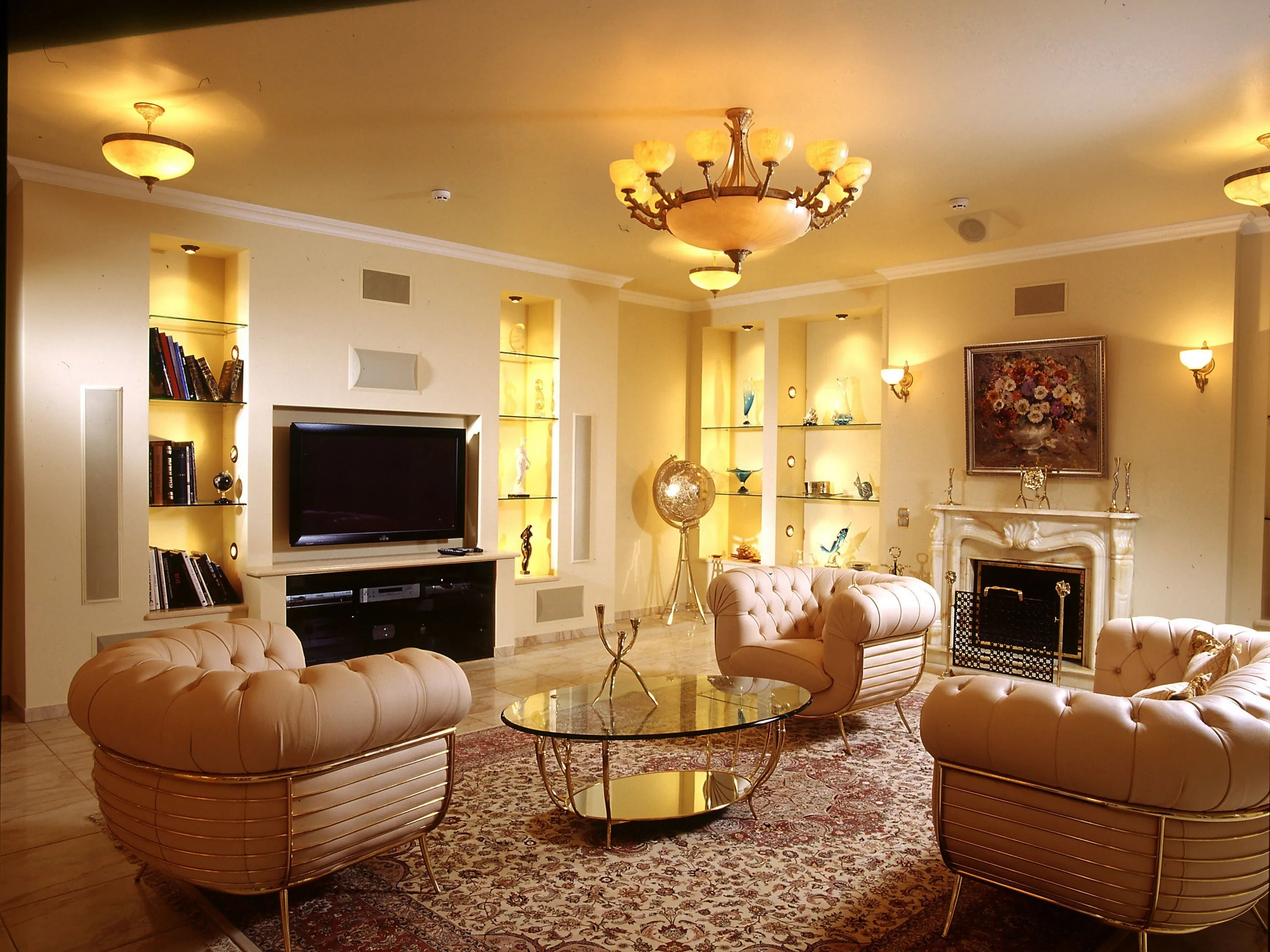
Luxury Living Room Furniture
High-end pieces spanning modern, neo-classical, and Italian Gothic styles — craftsmanship, leathers, and refined artistry.
Read More →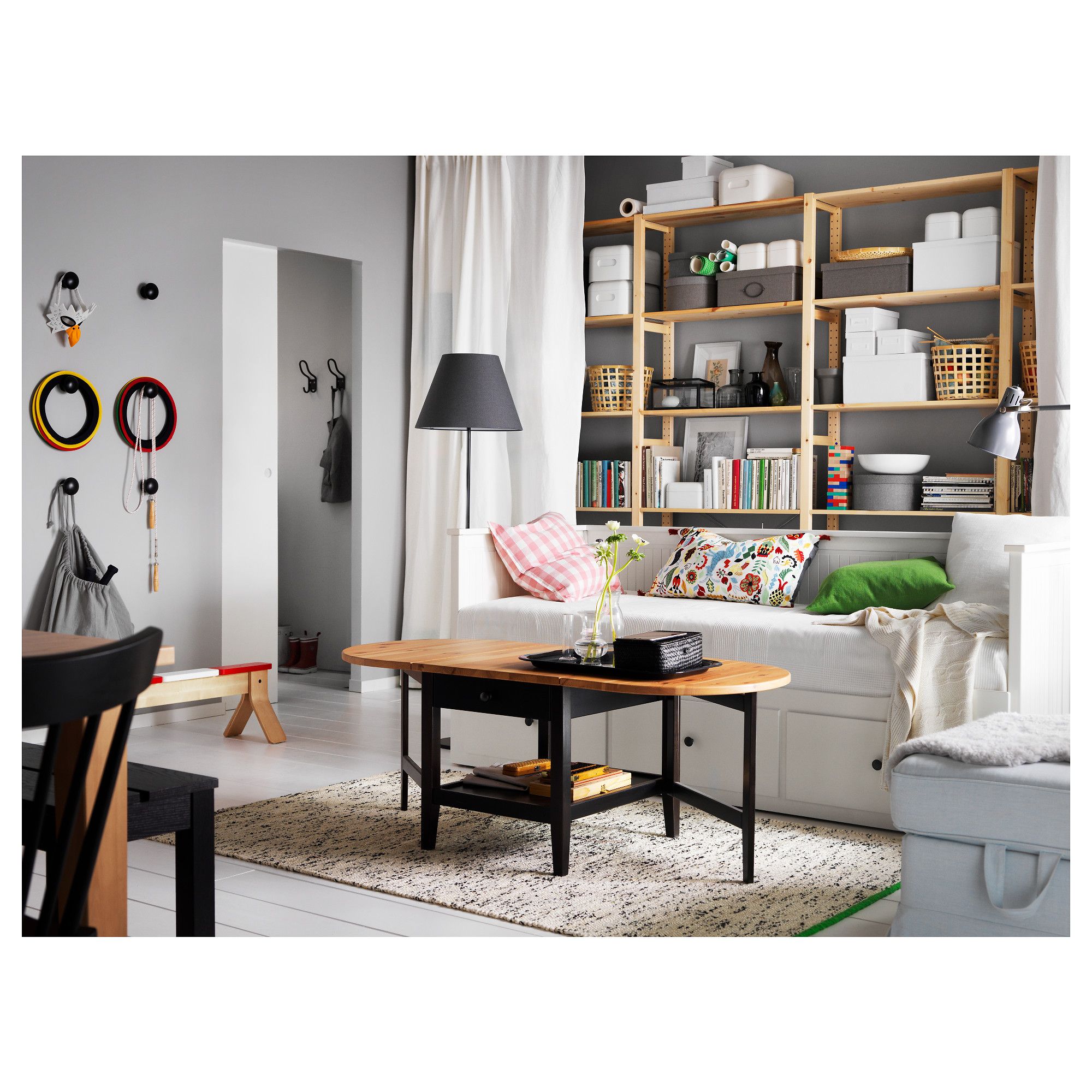
White Living Room Storage Cabinets
Sideboards, curio cabinets, and high-gloss storage units that blend practical organization with decorative appeal.
Read More →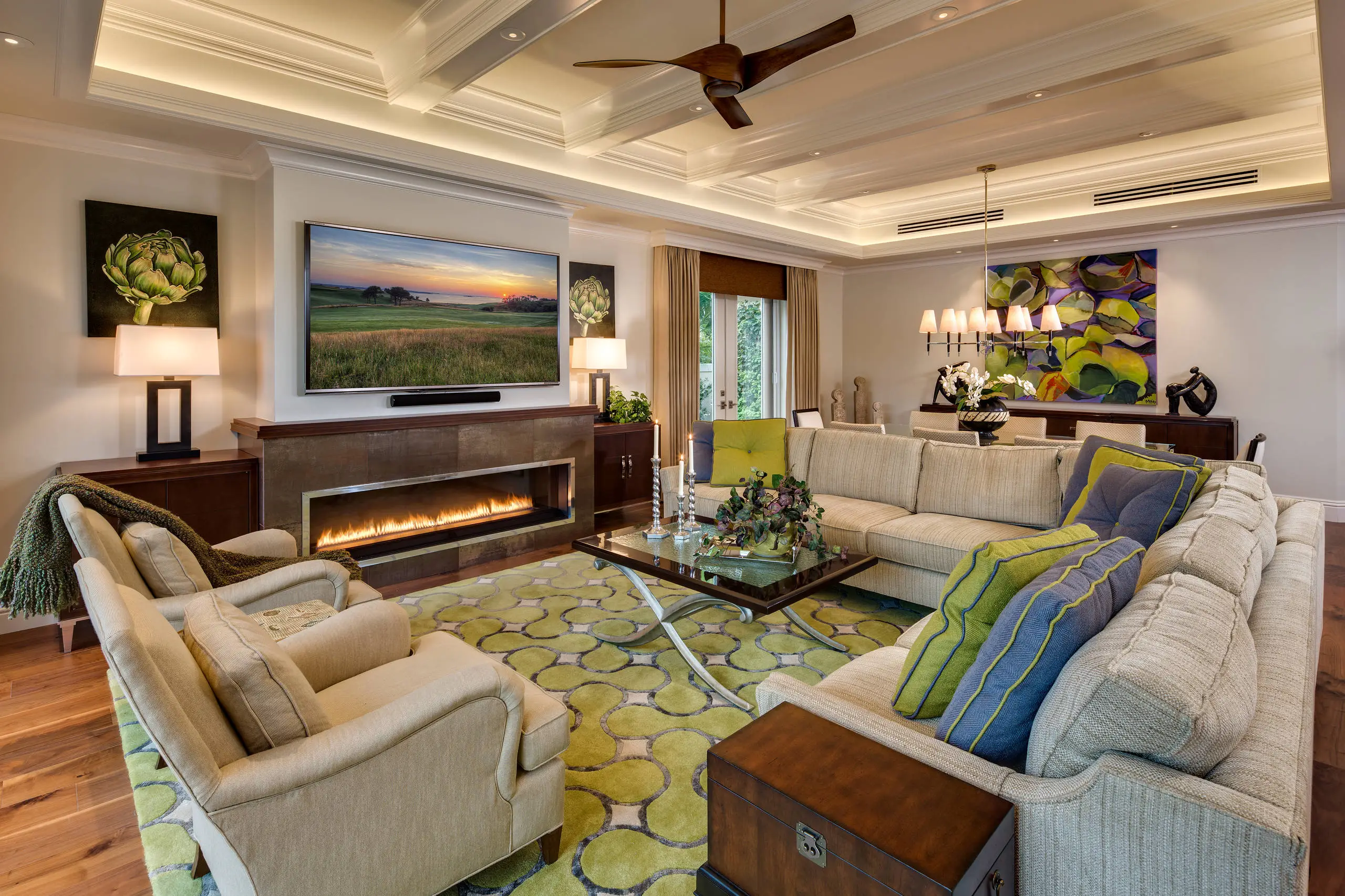
Living Room Decor Essentials
Rugs, pillows, art, lamps, and accent pieces that add layers of color, texture, and personality to any living space.
Read More →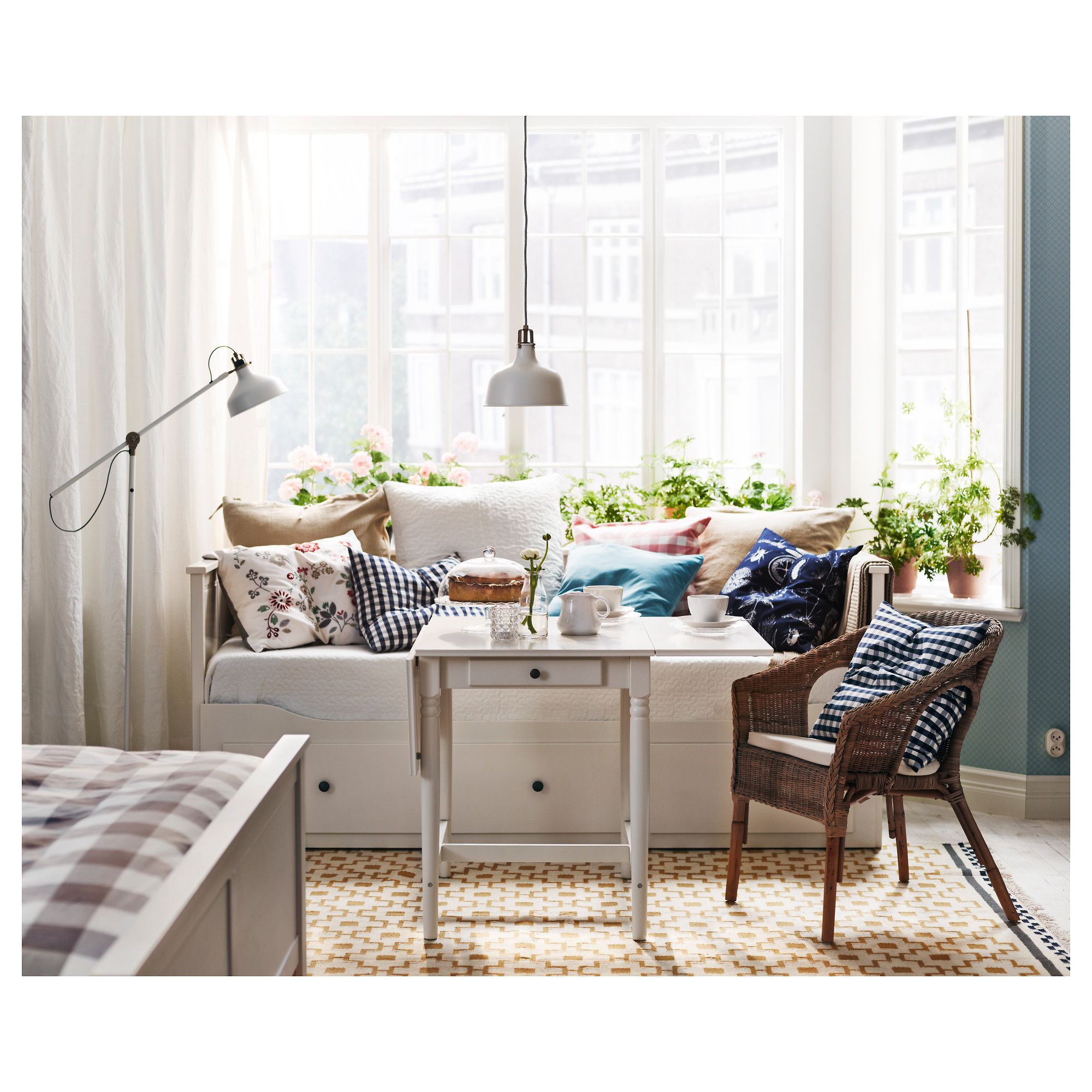
Natural Living Room Decor
Earthy elements, house plants, rustic touches, and organic materials that bring warmth and nature indoors.
Read More →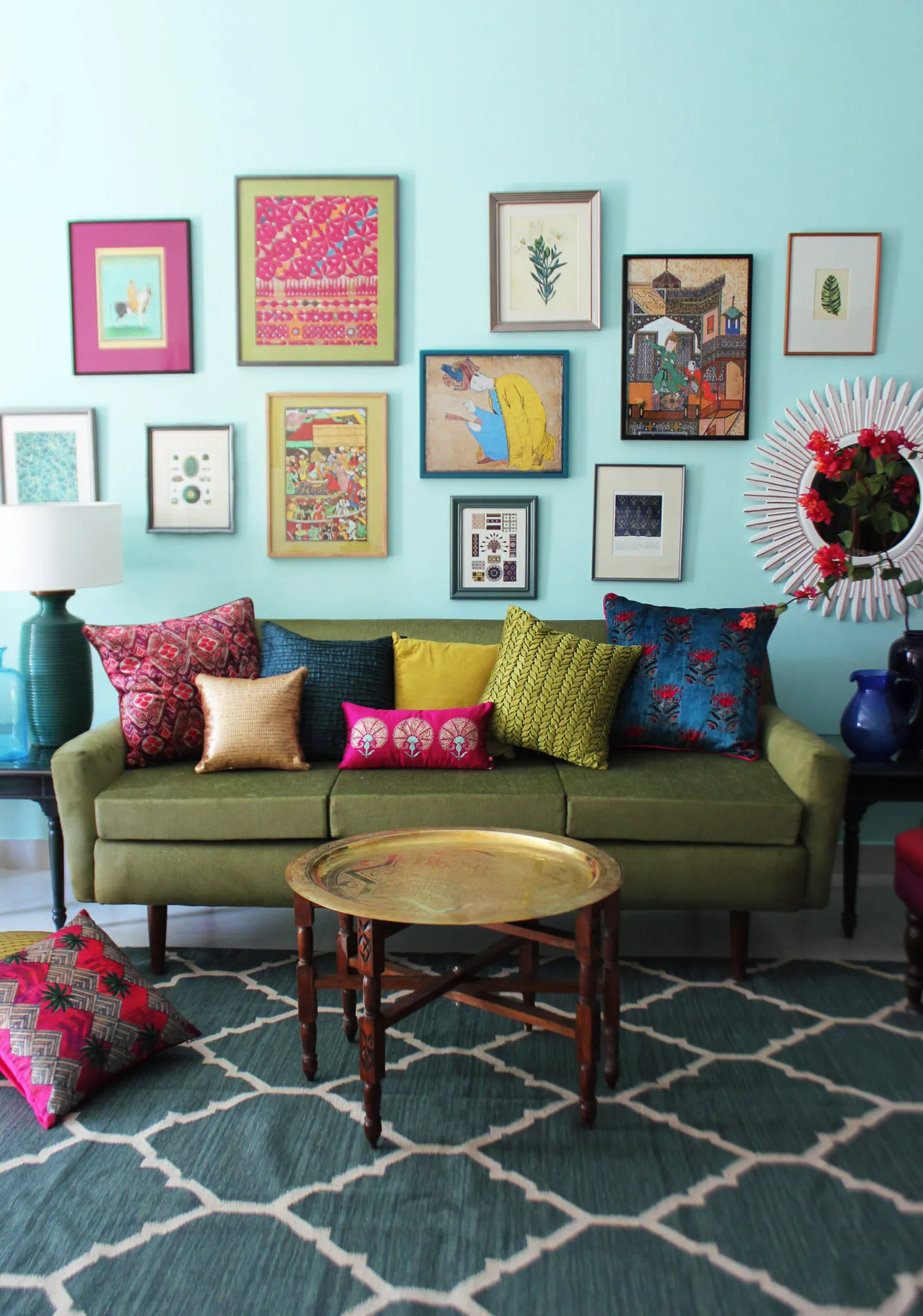
Living Room Ideas: Velvet Sofa
From classic red to trending green and blue, explore how a velvet sofa can transform your living room's character.
Read More →