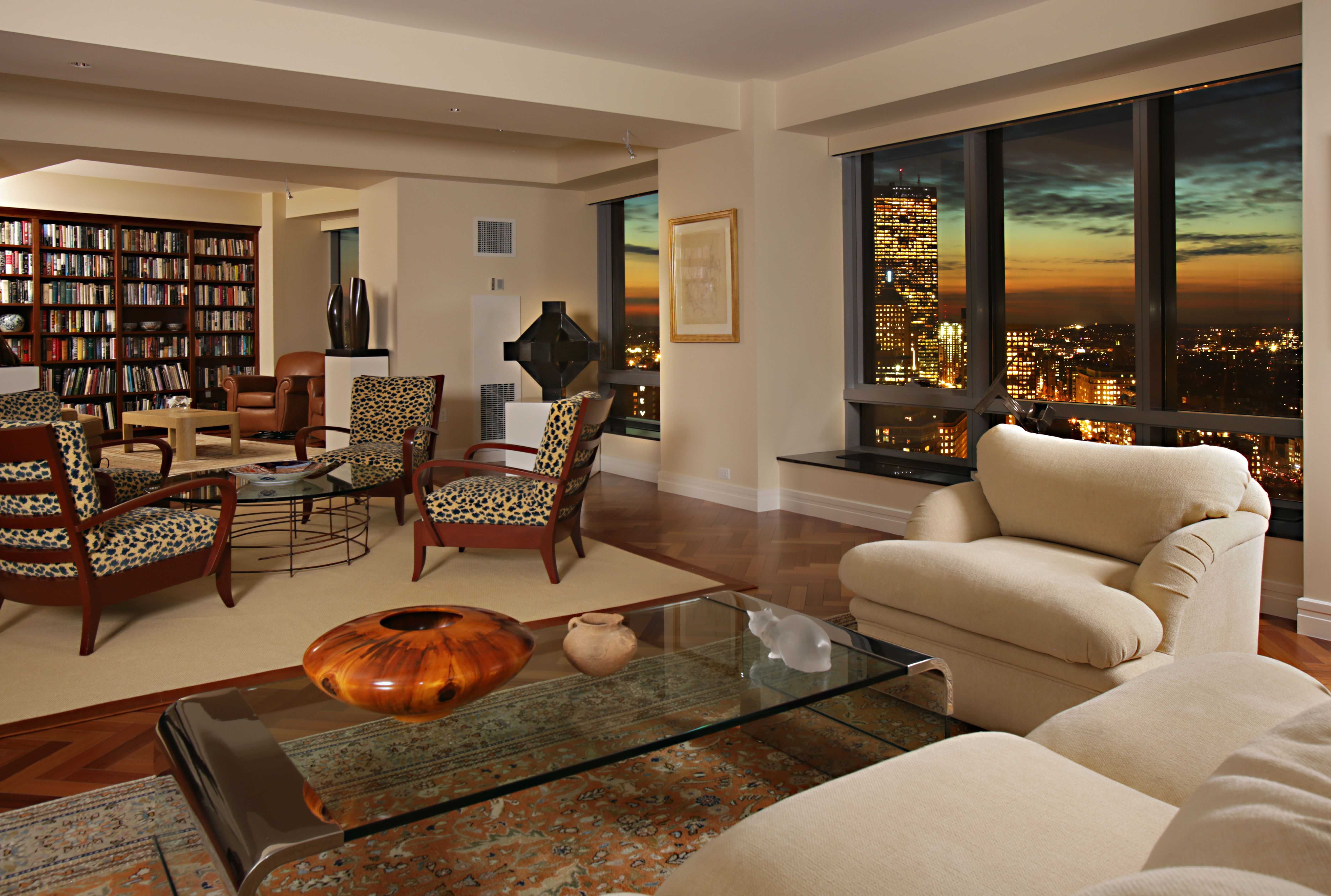
Living Room Design Ideas & Inspiration
Kumpulan Informasi, Tips dan Trik Terlengkap dan Terpercaya — explore curated ideas for sofas, storage, decor, and every style in between.
Explore Ideas →Get Design Inspiration
Tell us what you're looking for and we'll point you to the best articles.
Selecting the perfect wall sconce placement for a dark corner
A dark corner can make a living room feel unfinished, even when the rest of the space has thoughtful furniture and decor. The right wall sconce adds a warm pool of light, highlights a forgotten architectural feature and gives the room greater depth after sunset. Learn more about Vchristenson.com.
Placement matters as much as the fitting itself. A sconce that sits too high can feel disconnected from the furniture, while one mounted too close to a sofa, artwork or curtain may create glare and visual clutter. In Australian homes, where open-plan living rooms, compact apartments and strong natural light are common, careful positioning helps balance daytime brightness with comfortable evening illumination.
Start with the corner’s purpose
First decide what the dark area needs to do. A corner beside an armchair may benefit from focused reading light, while a space beside a television should receive soft, indirect illumination to reduce contrast without creating reflections on the screen. A sconce near a console, plant or artwork can work primarily as an accent light.
Measure the nearby furniture before choosing the wall position. For a lounge chair, leave enough clearance for a person to sit comfortably and move their arm without touching the fitting. Beside a sofa, centre the light over a side table or place it slightly towards the outer edge of the armrest. This creates a visual relationship between the sconce, table lamp and seating rather than making the fitting appear randomly attached to the wall.
Corners with tall ceilings, such as those found in renovated Queenslanders, can handle a larger vertical fitting or a pair of sconces. In a Melbourne apartment with lower ceilings, a compact, shallow-profile design usually feels more proportional and leaves valuable wall space available for art or shelving.
Get the height and direction right
For general ambient lighting, a wall sconce is commonly positioned with its centre around 1.5 to 1.7 metres from the floor. The ideal height depends on the fitting, ceiling height and the eye level of people using the room. The globe should generally sit above eye level when someone is seated, particularly if the shade is open or the bulb is visible.
Reading sconces need more precision. Position the light so it falls over the shoulder or beside the chair, rather than directly into the reader’s eyes. An adjustable arm or swivel head is useful in a multipurpose living room, especially when the same corner is used for reading, video calls or relaxing.
The direction of the beam changes the character of the room. Upward light can visually lift a low ceiling, downward light creates a more intimate pool, and a frosted shade spreads a gentler glow across a bare wall. A dimmer allows the same fitting to shift from practical illumination during a gathering to a subdued evening accent.
| Corner situation | Useful sconce position | Recommended light effect |
|---|---|---|
| Beside a reading chair | Above shoulder height and slightly behind the seat | Adjustable, focused beam |
| Behind a sofa | Centre above the side table or open end | Soft downward or diffused light |
| Beside a television | Off to the side, not directly opposite the screen | Low-glare ambient glow |
| Near artwork | Aligned with the artwork’s centre or upper third | Narrow accent beam |
| Empty architectural corner | Balanced with nearby furniture height | Upward or diffuse illumination |
Match the fitting to the room’s style
The sconce should support the living room’s palette and materials without competing with larger pieces such as the sofa, rug or entertainment unit. Black metal works well with contemporary interiors, aged brass adds warmth to neutral rooms, and ceramic or timber details suit relaxed coastal schemes. For ideas using linen, timber and woven finishes, explore this coastal living room inspiration.
Scale is especially important in a dark corner. A tiny fitting can disappear beside a large modular sofa, while an oversized shade may make a narrow passage feel crowded. As a practical guide, compare the sconce width with the side table or nearby artwork. The fitting does not need to match every metal finish in the room, but repeating its material in a lamp base, frame or cabinet handle creates cohesion.
Consider the colour temperature as well. Warm white light around 2700K to 3000K usually complements Australian living rooms with timber floors, cream upholstery and earthy colours. Cooler light can appear stark at night, particularly in rooms decorated with terracotta, ochre, tan or native botanical tones.
Plan wiring, switches and safety
Many wall sconces are hardwired, so electrical planning should happen before painting or installing wall panelling. In Australia, electrical work must be completed by a licensed electrician, and the circuit should comply with relevant local requirements, including AS/NZS 3000 where applicable. This is particularly important in older homes, where existing wiring may need inspection before a new fitting is added.
A wall switch near the room entrance is convenient for general lighting, but a second switching point beside the sofa or chair can make the corner easier to use. Plug-in sconces are a lower-commitment option for renters, although cords should be routed neatly and kept clear of walkways. Local hardware retailers offer cable covers, extension solutions and mounting accessories, but the product must still be suitable for the wall type.
Check the wall before drilling. Plasterboard, brick, concrete and timber panelling each require different fixings, while rental apartments may restrict hardwired changes. In Sydney and Brisbane high-rise buildings, body corporate rules can also affect alterations to shared walls or services. Confirm the fitting’s dimensions, heat clearance and bulb compatibility before installation.
Create a layered evening glow
One wall sconce rarely solves every lighting need. Pair it with ceiling light, floor lamps or concealed shelving illumination so the room has several levels of brightness. The sconce should fill the dark corner without becoming the only visible light source, which can make the rest of the living room feel flat.
Use the corner to reinforce the room’s composition. A tall plant beneath an upward-facing sconce creates moving shadows and texture, while a framed print can give a downward beam a clear focal point. In coastal interiors, woven baskets and pale timber reflect warm light softly; in industrial rooms, textured brick or charcoal paint can make the glow feel richer.
If you are comparing fittings, look beyond appearance. Review the bulb type, dimming compatibility, IP rating where relevant, replaceability and availability of globes through the Australian market. A design that is easy to service will remain useful longer than a decorative fitting with difficult-to-find components. Browse Sibabeh home ideas for further guidance on coordinating lighting, furniture and decor throughout the living space.
A carefully positioned wall sconce can turn an awkward recess into one of the most inviting areas in the room. Mark the proposed height with masking tape, test the light from seated and standing positions, and adjust the location before drilling. For hardwired installations, engage a licensed electrician and choose a dimmable fitting that suits both the room’s style and everyday routine.
What We Cover
Living Room Topics & Ideas
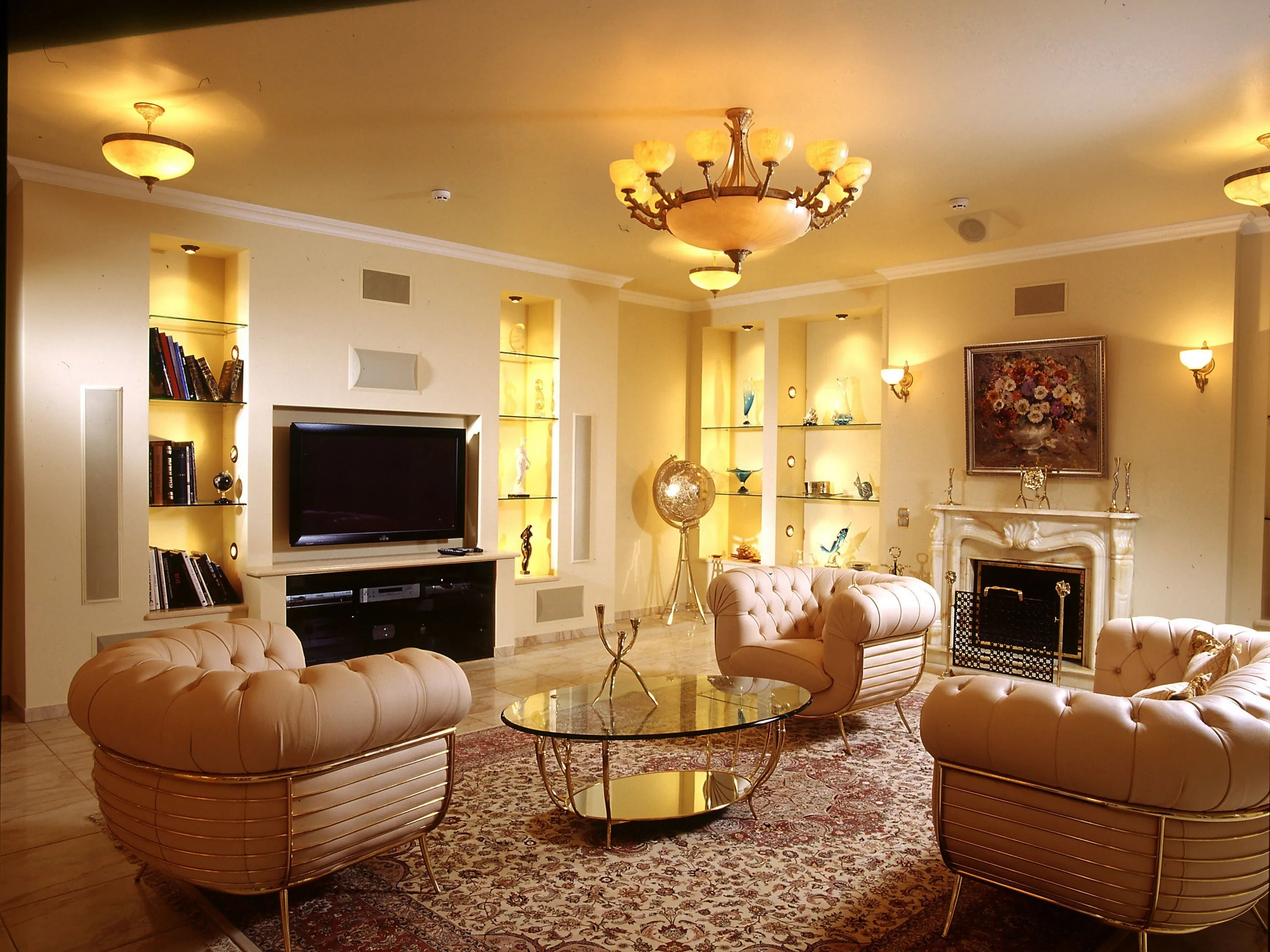
Luxury Living Room Furniture
High-end pieces spanning modern, neo-classical, and Italian Gothic styles — craftsmanship, leathers, and refined artistry.
Read More →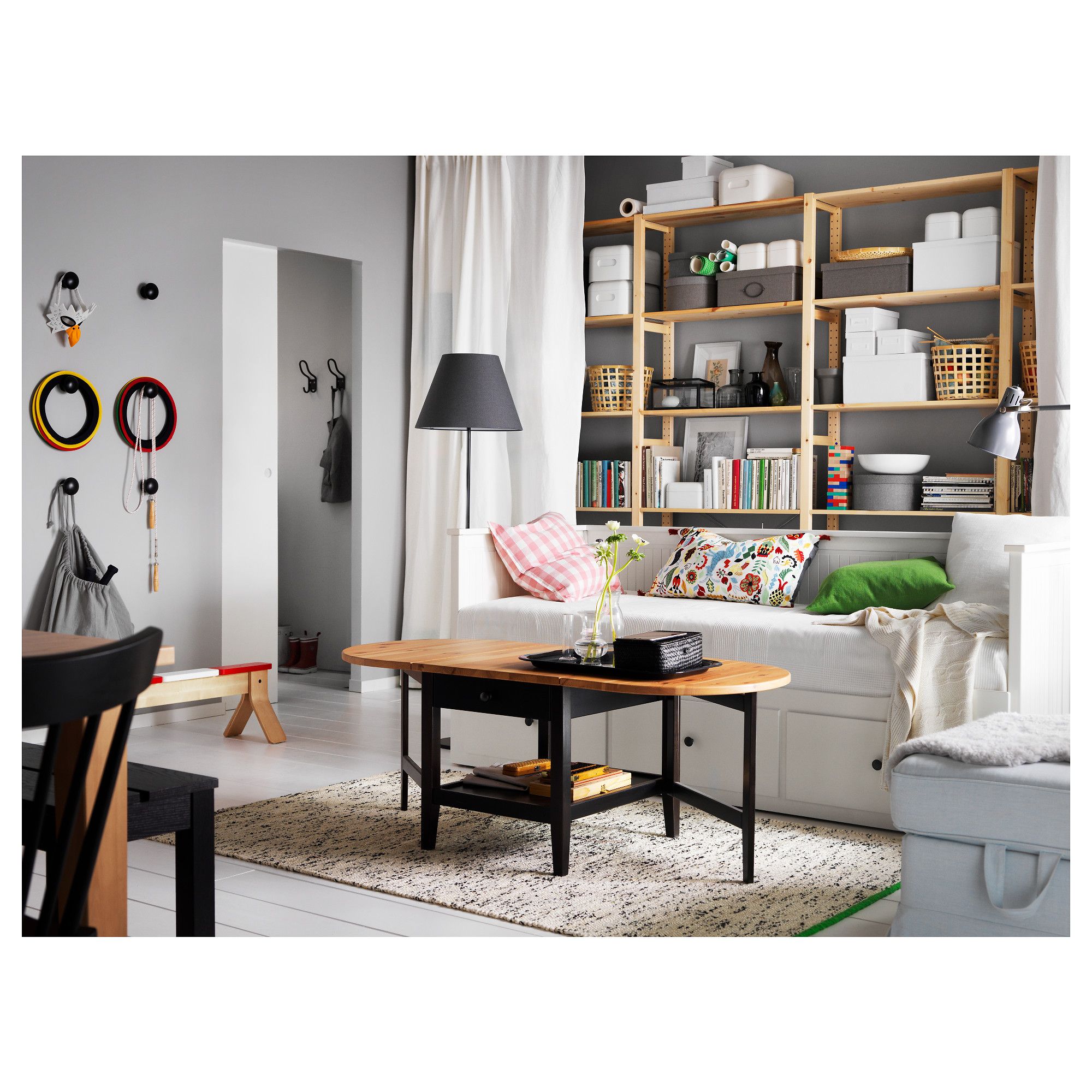
White Living Room Storage Cabinets
Sideboards, curio cabinets, and high-gloss storage units that blend practical organization with decorative appeal.
Read More →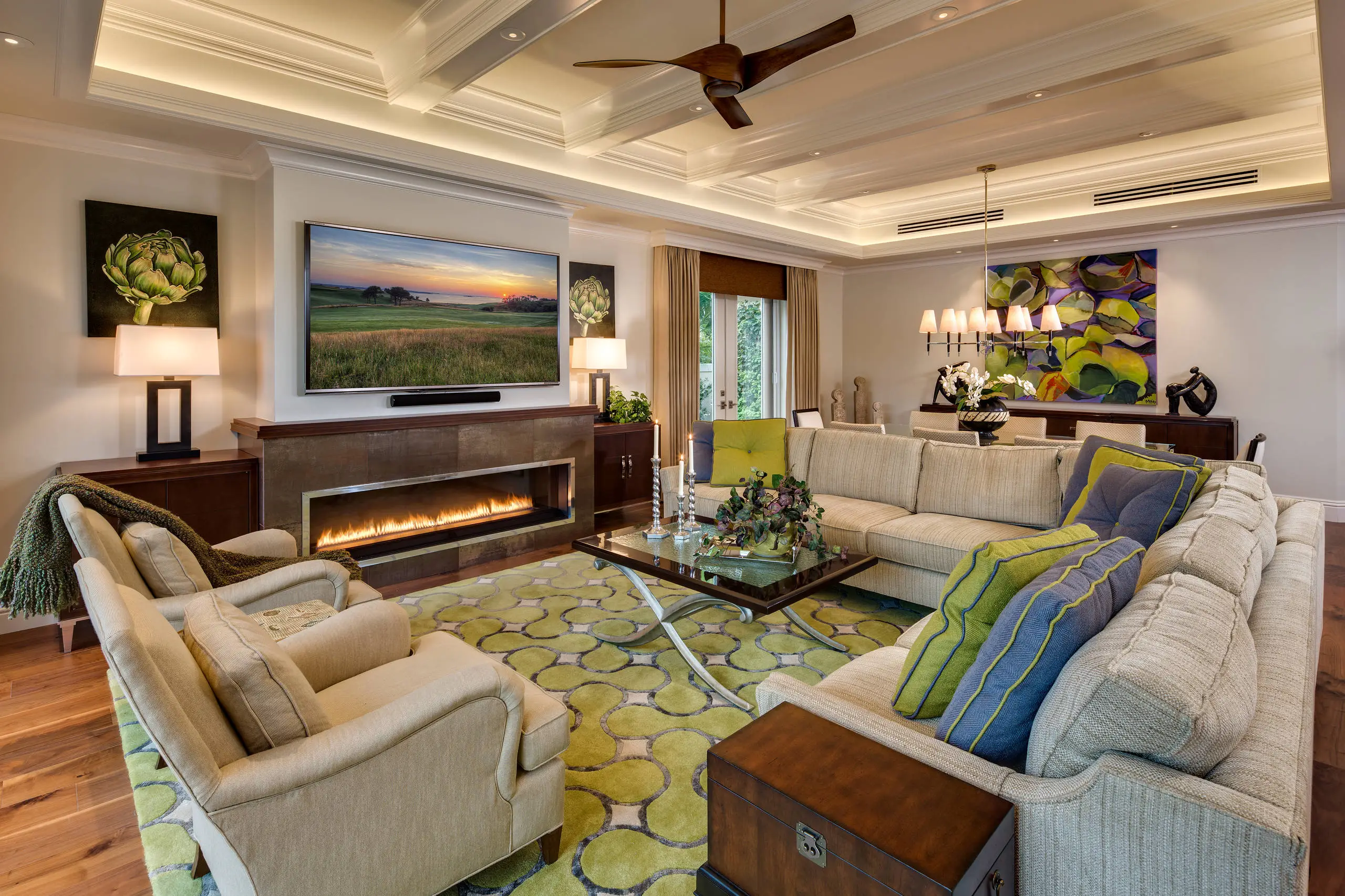
Living Room Decor Essentials
Rugs, pillows, art, lamps, and accent pieces that add layers of color, texture, and personality to any living space.
Read More →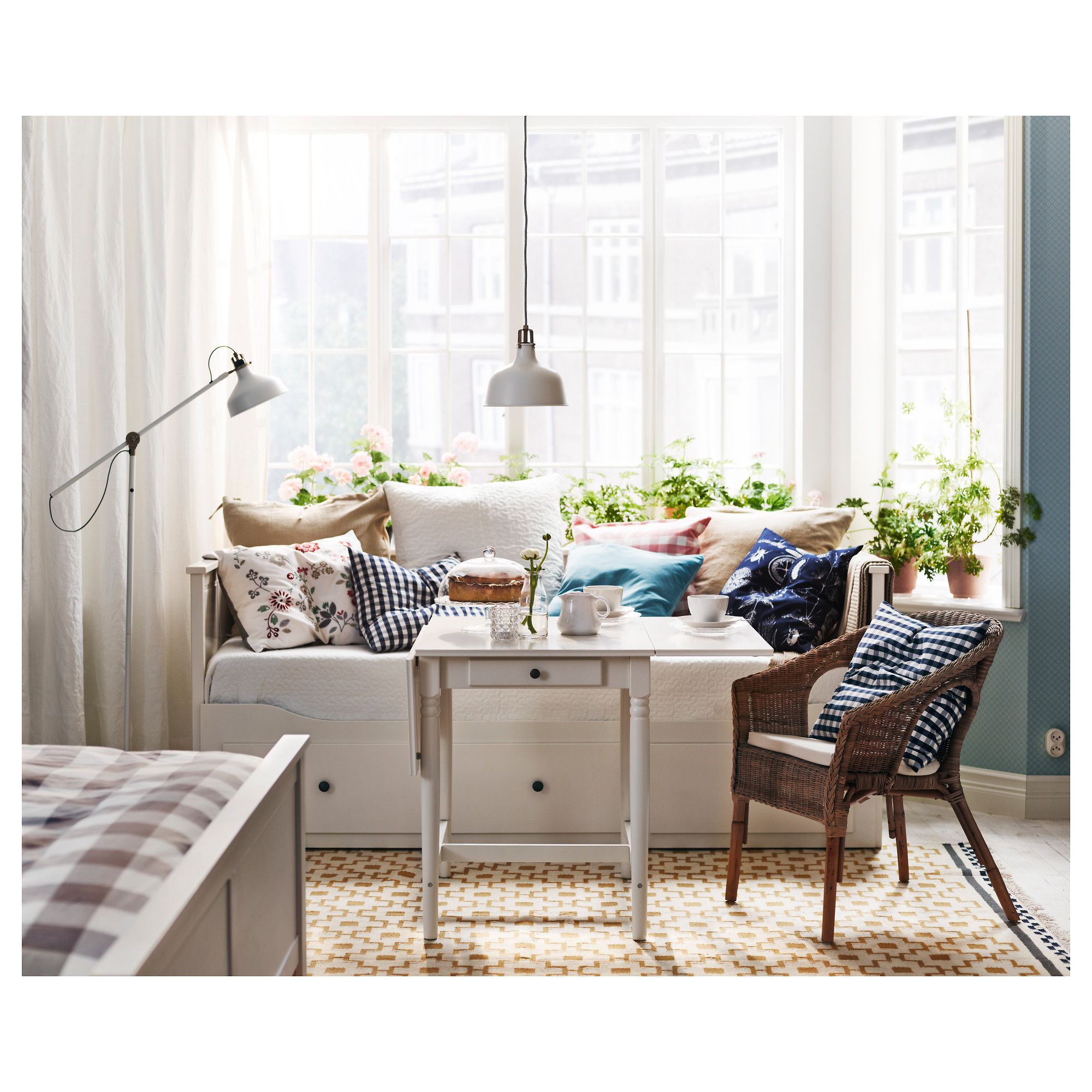
Natural Living Room Decor
Earthy elements, house plants, rustic touches, and organic materials that bring warmth and nature indoors.
Read More →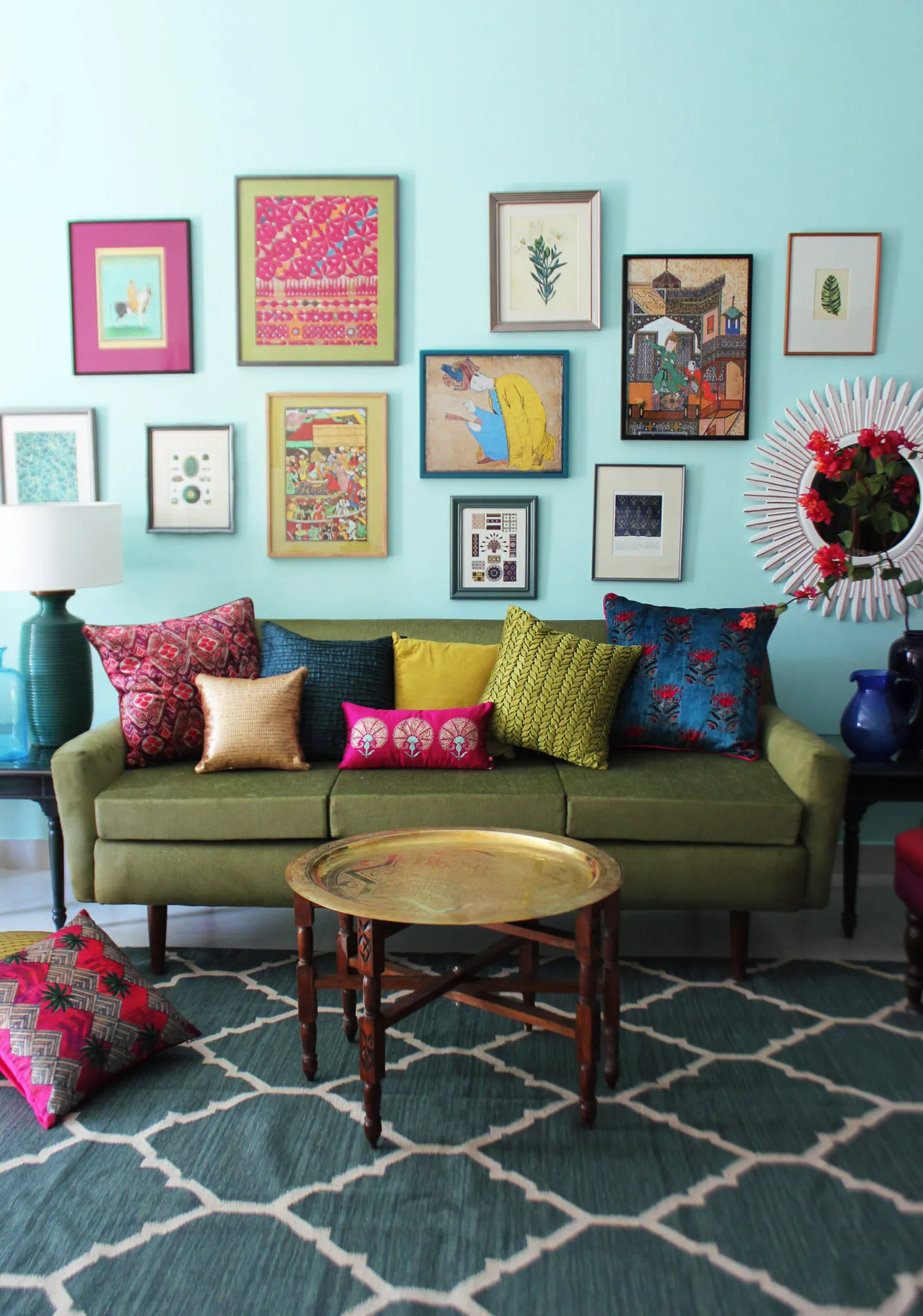
Living Room Ideas: Velvet Sofa
From classic red to trending green and blue, explore how a velvet sofa can transform your living room's character.
Read More →