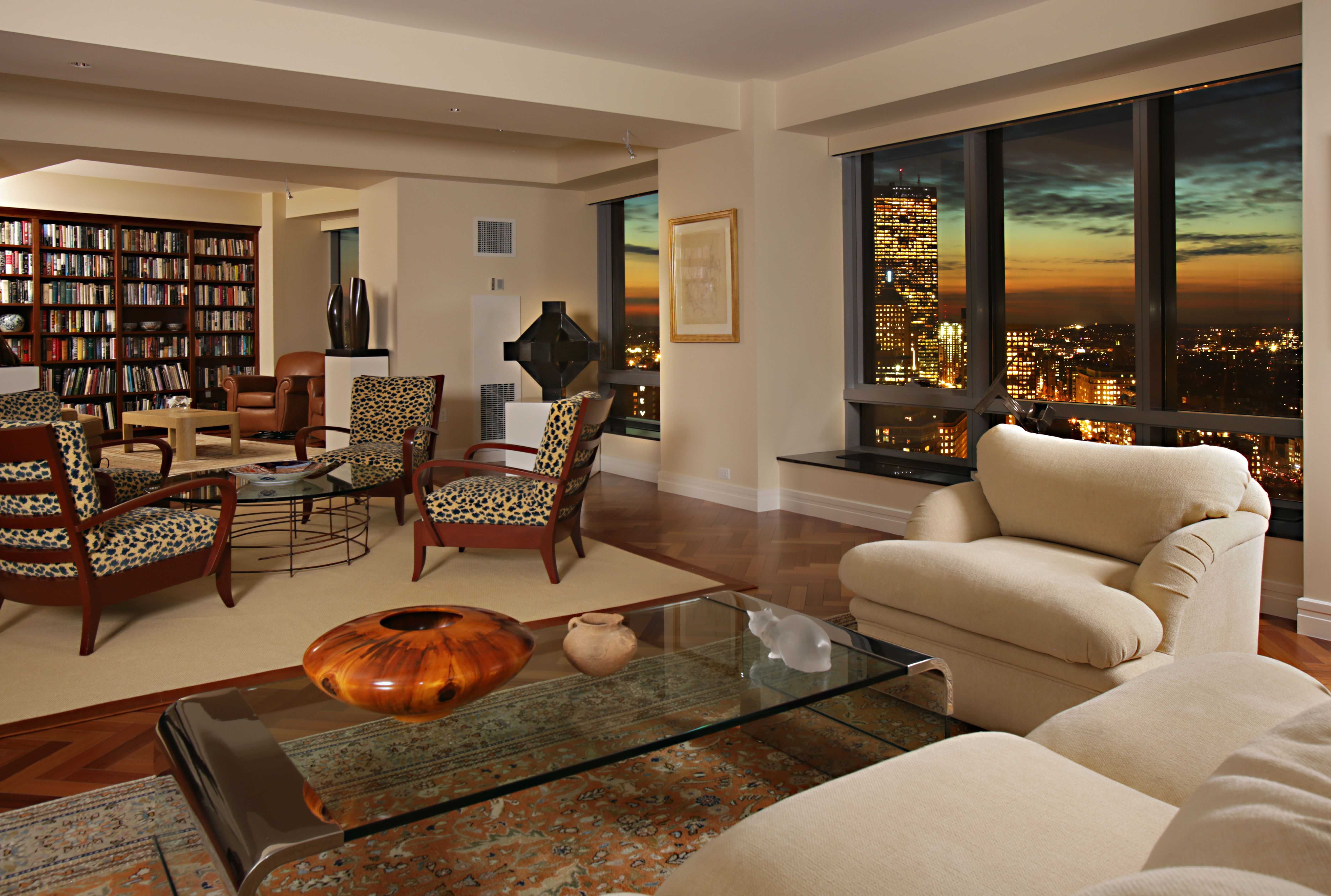
Living Room Design Ideas & Inspiration
Kumpulan Informasi, Tips dan Trik Terlengkap dan Terpercaya — explore curated ideas for sofas, storage, decor, and every style in between.
Explore Ideas →Get Design Inspiration
Tell us what you're looking for and we'll point you to the best articles.
How to choose the right curtain length for floor-to-ceiling windows
Tall windows transform an Australian home, drawing in natural light and framing garden views from a Brisbane Queenslander or a contemporary Sydney apartment. Yet the elegance of a soaring window relies on the curtain dropping in just the right way. A hemline that's a centimetre too short breaks the visual line, while an overly long panel pools awkwardly across the floor and collects debris.
Floor-to-ceiling glass has become a hallmark of modern Australian architecture, particularly in coastal builds around Noosa and Byron Bay and in renovated Victorian terraces in inner Melbourne. Because these windows are often a focal point, the window treatment carries more weight than usual, framing the architecture itself. Selecting the perfect curtain length isn't just a matter of taste; it's a practical decision that affects insulation, light control, and how the room feels throughout the day.
Why floor-to-ceiling windows demand special attention
Full-height windows typically run two and a half to three metres from floor to ceiling, and the framing material changes how the rod should mount. Aluminium frames common in mid-century homes and thermally broken profiles in newer builds sit at varying depths from the wall. Mounting the track as close to the ceiling as possible creates a clean, uninterrupted line and makes the window appear even taller, but it requires brackets capable of holding heavy fabric without flexing.
The proportions of the room also play a role. In open-plan living areas that stretch from kitchen to alfresco deck, which are common in newer Perth and Adelaide builds, the curtain needs to work with the broader architecture rather than just the window itself. Choosing a length that ties into skirting board heights or ceiling cornices keeps the design feeling cohesive.
Measuring the drop with precision
Before ordering any fabric, measure the drop in detail. Start at the top of the intended rod or track position, not from the window frame itself. Run the tape down to where you want the curtain to finish, then subtract a small allowance for the heading style. Pinch pleats consume a few extra centimetres, while a rod-pocket heading pulls the fabric slightly upward.
It's wise to measure each window individually, even in a row of identical panels. Concrete slabs in newer apartment towers are usually level, but timber floors in older Brisbane and Adelaide homes settle over time, and a difference of two or three centimetres is common. Mark the desired finish with sticky notes or painter's tape and view it from across the room before committing to a hemline. Many Australian curtain makers will fabricate to within a five-millimetre tolerance, so a precise measurement pays off in a polished result.
Curtain length styles for soaring windows
The kiss length rests one centimetre above the floor, creating a crisp, contemporary line that suits minimalist apartments in Melbourne's Docklands or Surfers Paradise. The break length, where the fabric just grazes the floor with a gentle bend, offers a softer, tailored look favoured in Hamptons-inspired coastal homes.
For a romantic, traditional feel, the puddle length allows excess fabric to pool on the floor, often fifteen to twenty centimetres of extra drop. This style works beautifully in formal sitting rooms and heritage homes, though it requires more maintenance and isn't ideal for high-traffic family zones. Hover lengths, sitting two or three centimetres above the floor, work well in coastal properties where sand and dust tend to gather on the tile or timber.
Australian climate and building standards
Australia's intense UV exposure, particularly in western Sydney and Perth, fades unprotected fabric quickly. Lining curtains or choosing lined fabrics extends their lifespan and also improves thermal performance. In regions with a Bushfire Attack Level rating, window treatments must comply with Australian Standard AS 3959, which may limit certain fabric types or require specific mounting to prevent ember ingress.
In tropical north Queensland, humidity encourages mildew, so breathable natural fibres or treated synthetics perform better than heavy velvets that trap moisture. Coastal homes benefit from curtains that allow gentle airflow while still providing privacy after dark. Across southern states, where winter nights dip below ten degrees in cities like Canberra and Hobart, lined floor-length panels help retain warmth, reducing heating costs in homes where double-glazing isn't always standard in older properties.
Headings, tracks and hardware choices
The heading style influences both the appearance and the functional length of the curtain. S-fold headings, sometimes called wave headings, create uniform folds and work well with floor-to-ceiling tracks. Pencil pleats remain popular in Australian homes for their traditional look, though they consume a little more vertical space. Eyelet headings offer a casual, modern finish and are easy to slide, making them a practical choice for children's bedrooms with tall windows.
Each heading style alters the measurement slightly. A pencil pleat panel sits a centimetre or two lower than the same fabric on an S-fold track, so the final length should be calculated with the chosen heading in mind. Track and rod selection quietly shapes the success of the whole installation. Ceiling-mounted tracks disappear behind the curtain and create the cleanest line, while rods mounted just below the ceiling line remain visible and can become a decorative element. For very tall windows, consider a wand or motorised operation rather than a draw cord, which can be awkward to reach. If you're styling a multi-functional room and want seating nearby, exploring IKEA daybed styling ideas can help position furniture without crowding the curtains.
Layering, lighting and the finishing touches
Layering sheer and opaque panels gives you flexibility throughout the day, particularly in open-plan living areas that double as media rooms. Sheers filter harsh afternoon sun while maintaining views, and heavier panels close for privacy and warmth after dark. This combination also reduces reliance on overhead lighting; if you're working without a ceiling fixture, these lighting strategies can complement your window choices beautifully.
When comparing the practical effect of different finishes, it helps to weigh the options side by side:
| Length Style | Distance Above Floor | Best For | Maintenance Level |
|---|---|---|---|
| Hover | 2–3 cm | Coastal homes, casual family rooms | Low |
| Kiss | 0–1 cm | Modern apartments, minimalist rooms | Low |
| Break | 1–2 cm | Contemporary family homes | Low |
| Floor | Just touching | Versatile, balanced look | Medium |
| Puddle | 15–20 cm below | Formal lounges, heritage interiors | High |
For homes where ceiling height is generous but not extreme, the floor length or break length tends to look most considered. Puddle lengths are best reserved for rooms used mainly in the evening, where the soft folds catch the light beautifully and hide uneven timber floors common in Queenslanders and Edwardian terraces.
Browse the Sibabeh home inspiration library to see how Australian designers are styling their tall windows, and start planning your floor-to-ceiling transformation with confidence.
What We Cover
Living Room Topics & Ideas
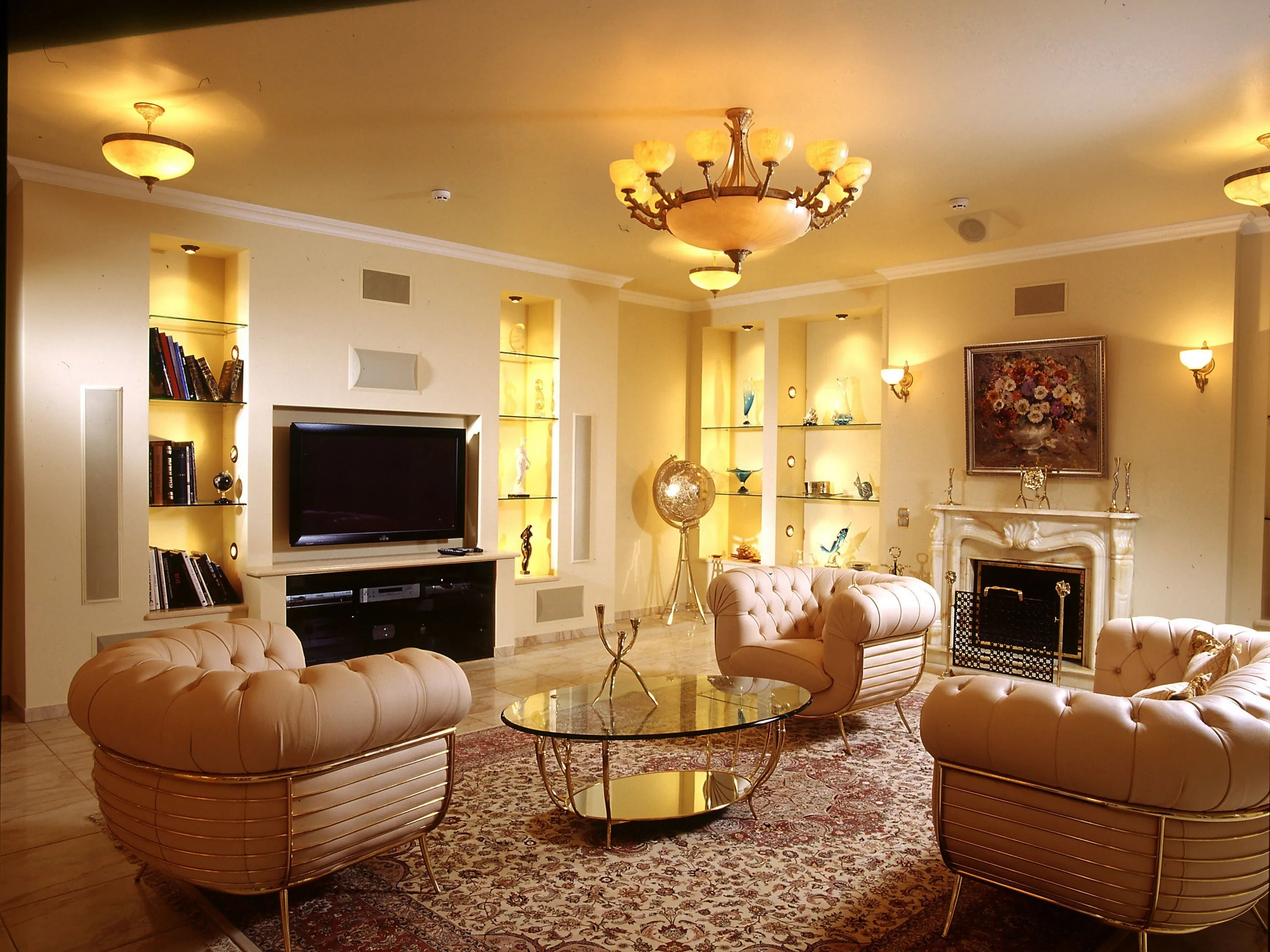
Luxury Living Room Furniture
High-end pieces spanning modern, neo-classical, and Italian Gothic styles — craftsmanship, leathers, and refined artistry.
Read More →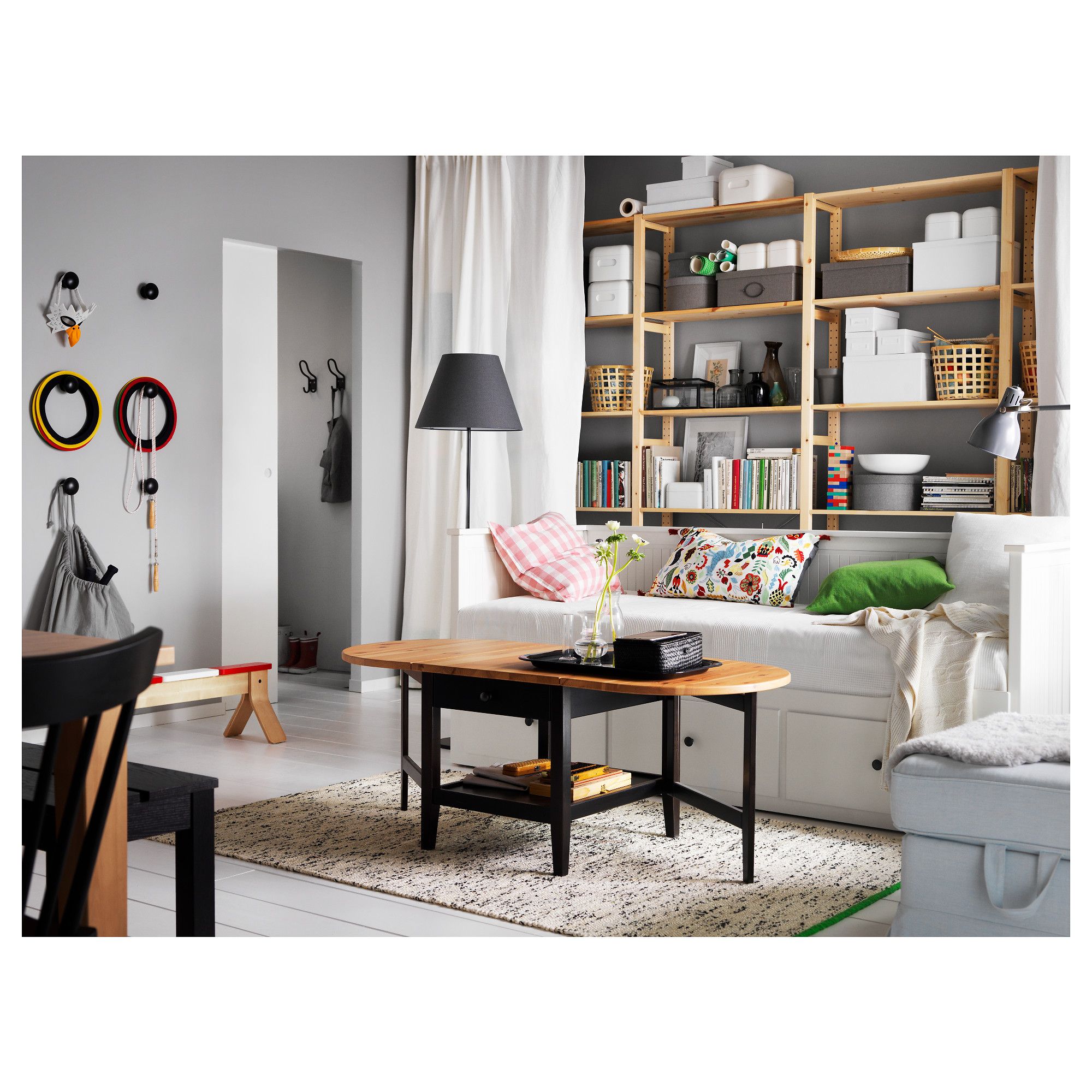
White Living Room Storage Cabinets
Sideboards, curio cabinets, and high-gloss storage units that blend practical organization with decorative appeal.
Read More →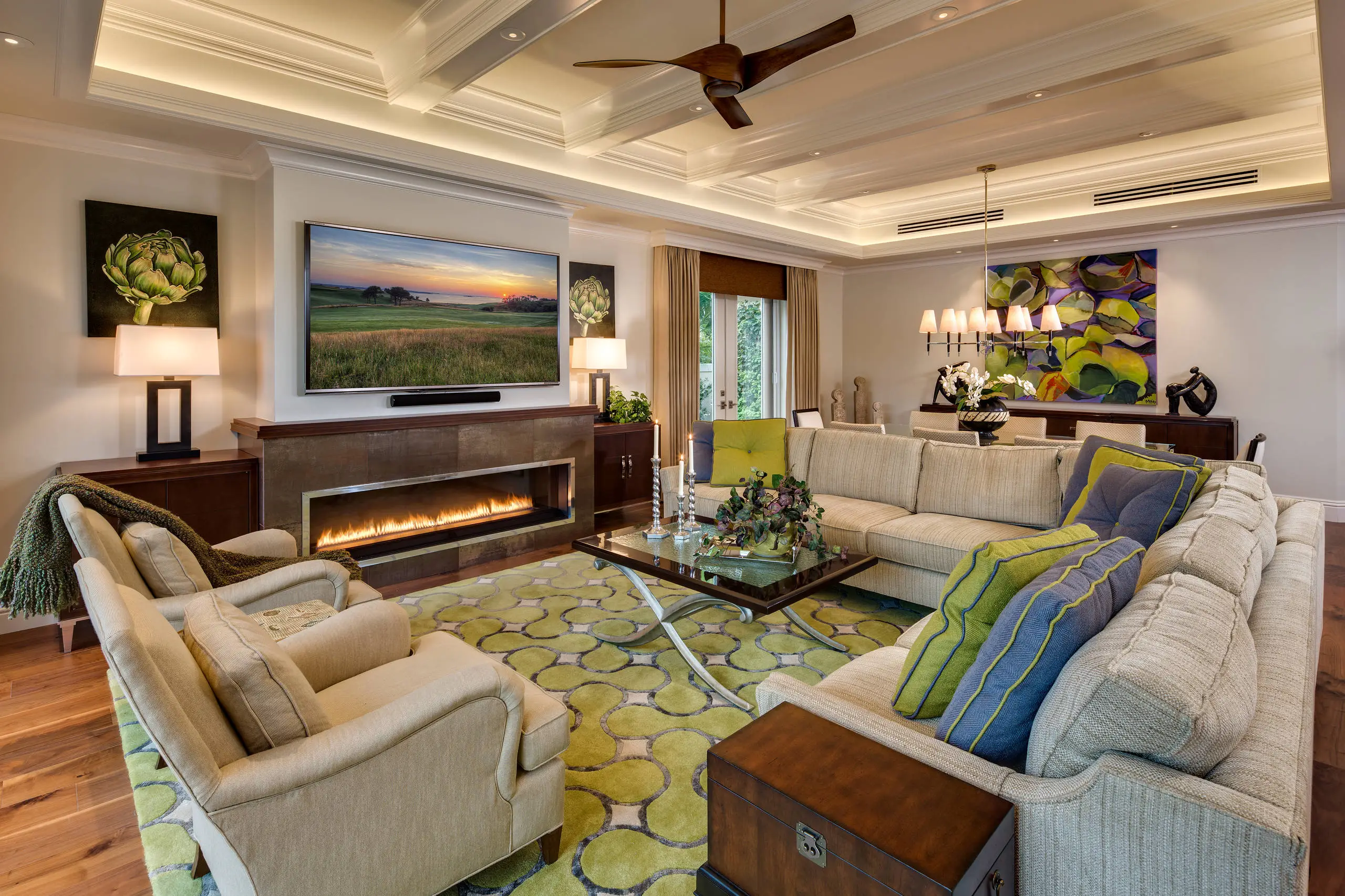
Living Room Decor Essentials
Rugs, pillows, art, lamps, and accent pieces that add layers of color, texture, and personality to any living space.
Read More →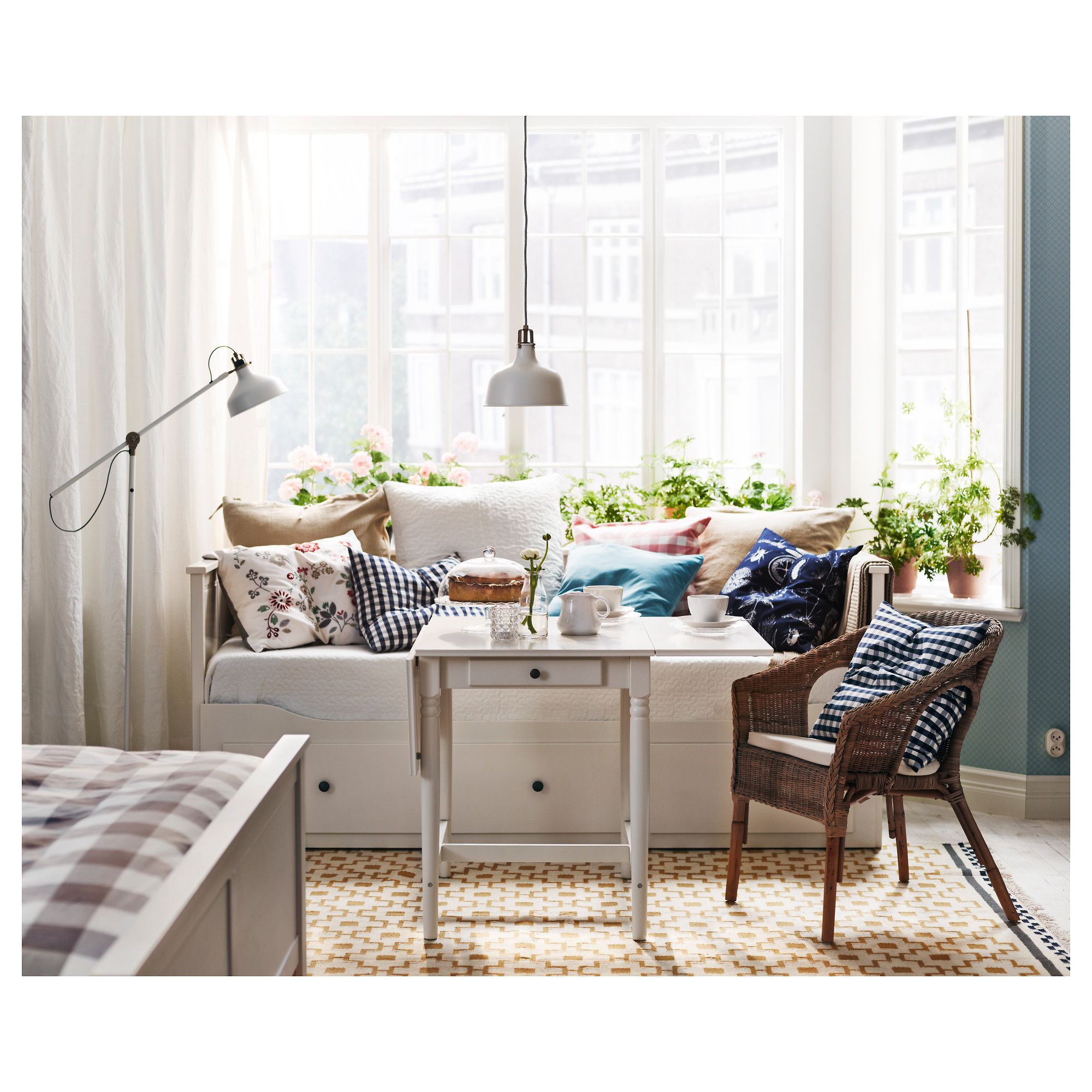
Natural Living Room Decor
Earthy elements, house plants, rustic touches, and organic materials that bring warmth and nature indoors.
Read More →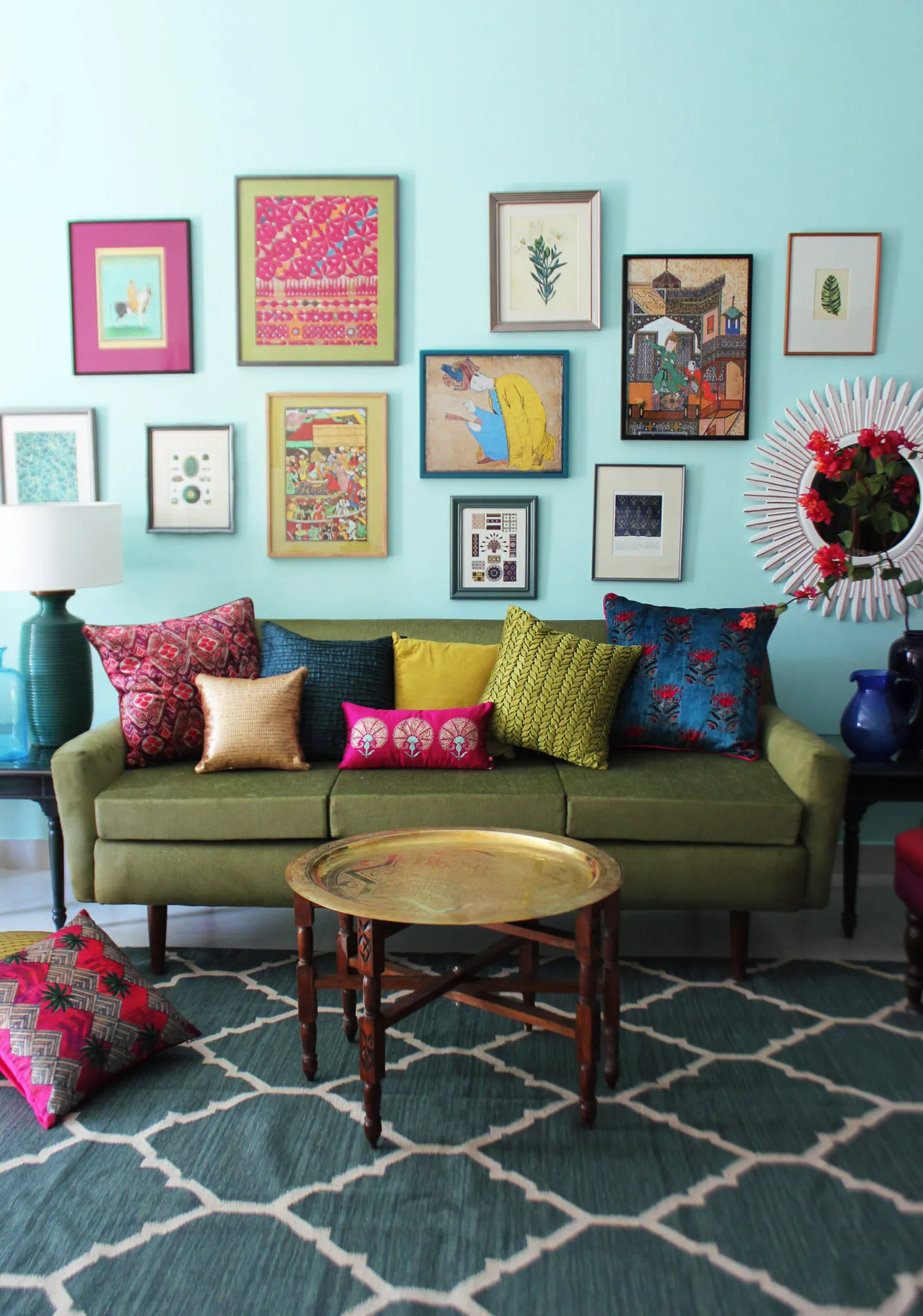
Living Room Ideas: Velvet Sofa
From classic red to trending green and blue, explore how a velvet sofa can transform your living room's character.
Read More →