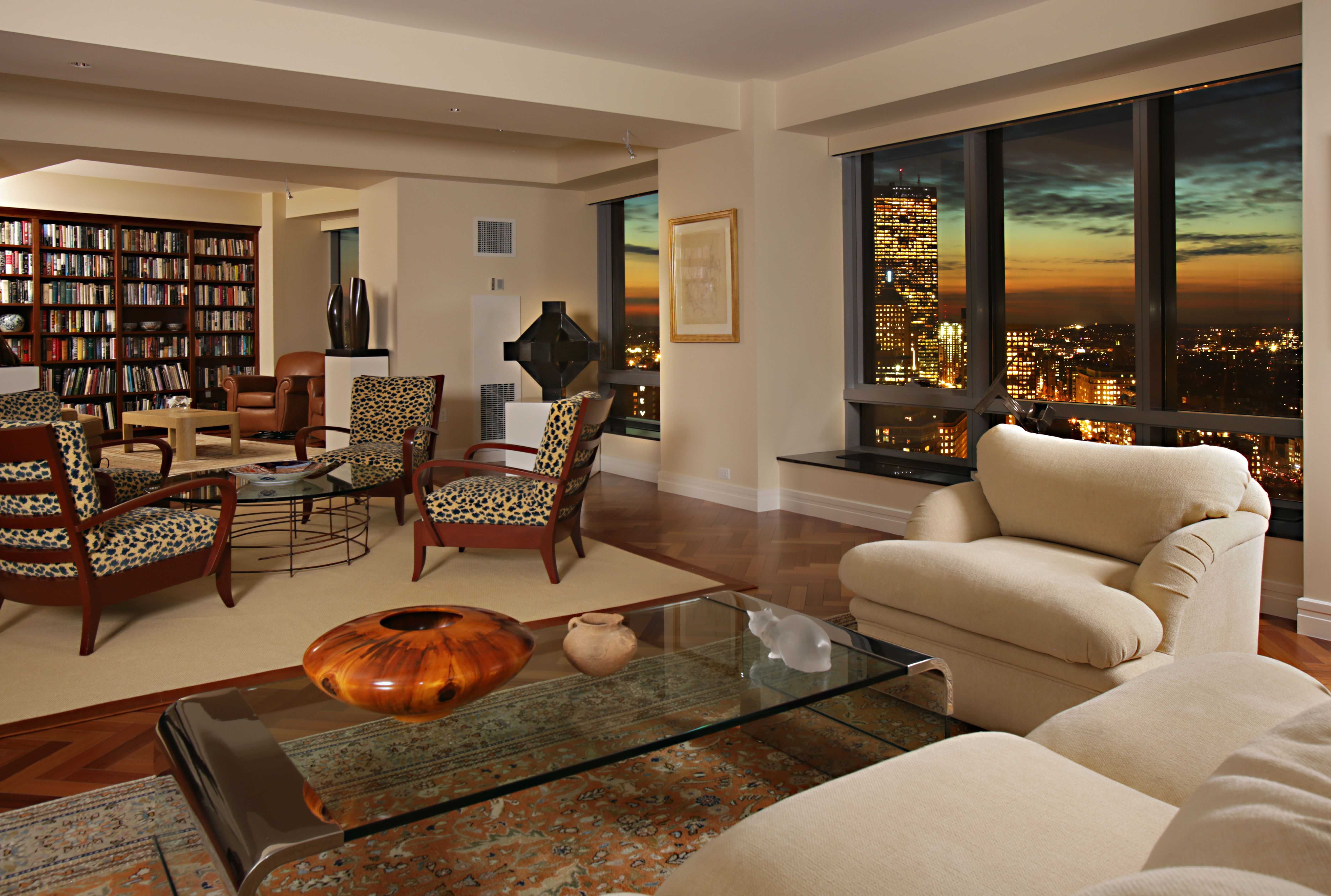
Living Room Design Ideas & Inspiration
Kumpulan Informasi, Tips dan Trik Terlengkap dan Terpercaya — explore curated ideas for sofas, storage, decor, and every style in between.
Explore Ideas →Get Design Inspiration
Tell us what you're looking for and we'll point you to the best articles.
How to Style a Built-In Bookshelf Without Clutter
A built-in bookshelf can give a living room architectural character, practical storage and a place to display the objects that make a home feel personal. Without a clear arrangement, however, open shelving can quickly become a crowded collection of books, ornaments and everyday items.
The most successful shelf styling combines restraint with variation. Books provide height and colour, while ceramics, framed art, baskets and greenery soften the straight lines of cabinetry. Leaving some areas empty is equally important because negative space allows each group to breathe.
Australian homes often need to work hard, particularly in compact Sydney or Melbourne apartments where storage, entertaining and relaxation share the same room. A considered display can make the shelving useful without allowing it to dominate the space.
Before placing anything, consider the room’s natural light, existing furniture and daily habits. A living room that receives strong western sun may need UV-aware artwork, while a household with children or pets will benefit from heavier objects placed on lower shelves and fragile pieces kept higher up.
| Styling approach | Best for | Visual effect | Maintenance |
|---|---|---|---|
| Symmetrical display | Formal living rooms | Calm and balanced | Easy to reset |
| Layered styling | Eclectic or relaxed homes | Collected and personal | Moderate dusting |
| Colour-coordinated display | Small rooms | Cohesive and spacious | Simple editing |
| Functional storage mix | Busy family rooms | Practical and tidy | Frequent organisation |
Begin With A Clear Shelf
Remove every item from the built-in bookshelf before restyling it. This gives you an accurate view of the shelf proportions and reveals whether the problem is too much decoration, poor scale or a lack of useful storage. Wipe the surfaces and check for uneven gaps, loose fixings or marks that need attention.
Sort your belongings into four groups: books, objects to display, items that need hidden storage and pieces that no longer suit the room. Keep only items with practical value, sentimental meaning or strong visual appeal. A bookshelf should support the living room rather than become a holding area for paperwork, cables and miscellaneous possessions.
Create A Simple Visual Rhythm
Start with the largest elements first. Place a few groups of books across the shelves rather than filling the entire back wall. Stack some horizontally and stand others vertically to create changes in height. A horizontal pile can act as a plinth for a small vase or sculpture, while tall books help draw the eye upwards.
Avoid repeating the same arrangement on every level. A balanced bookshelf usually has variation between shelves, with some areas carrying more visual weight than others. If one shelf has a large basket, balance it with a substantial stack of books or a broad artwork nearby instead of adding another matching basket.
Use Colour With Restraint
Choose a palette that relates to the rest of the room. Warm timber, cream, terracotta and muted green work well in relaxed Australian interiors, while charcoal, white and tan can suit a contemporary apartment. The aim is not to match every object, but to repeat two or three tones so the display feels intentional.
Book jackets can create visual noise, especially when every colour competes for attention. Turn some books spine-in, group similar shades together or cover a few with neutral paper if you prefer a quieter look. Keep brighter colours for small accents, such as a glass vessel or a framed print, so they become focal points rather than background clutter.
Mix Books With Decorative Objects
Books should remain the foundation of a styled bookshelf because they add personality and make the space feel lived in. Arrange titles by subject, size or colour, depending on the mood you want. Interior design books, travel guides and art monographs can be displayed openly, while less attractive storage materials can be placed in boxes or closed cupboards.
Introduce objects in different materials and shapes. Smooth ceramics, timber, woven baskets, stone, glass and metal each catch the light differently. Use pairs sparingly and combine rounded forms with angular ones. A small bowl beside a tall vase, for instance, creates a more natural composition than several objects of identical height.
Layer Artwork And Greenery
Leaning a small framed print against the back of a shelf adds depth without requiring a wall hook. Layer a smaller photograph or artwork in front, leaving enough of the rear piece visible to make both feel deliberate. For rental homes, this approach can reduce the need for additional holes, although heavy frames should still be secured where necessary.
Plants bring softness to cabinetry, particularly when the shelf design includes lots of timber, laminate or painted joinery. Choose low-maintenance varieties suited to the available light, such as a pothos, cast-iron plant or compact peperomia. In bright Queensland rooms, protect foliage from harsh direct afternoon sun and use a saucer to prevent water damage to the shelf.
Style Around The Sofa
The bookshelf should relate to the furniture positioned in front of it. A relaxed sofa with tactile upholstery can support a more layered display, while a streamlined modular sofa may look best with fewer, larger pieces. If the seating area has a generous profile, avoid filling the shelves with only tiny ornaments that will disappear from view.
For a comfortable living room arrangement, consider how the shelving looks from the main seating position. A well-proportioned Ainsley fabric sofa can provide a soft focal point beneath or beside open cabinetry, allowing the shelf display to act as a supporting feature rather than competing with the seating.
Leave enough clearance for people to move safely around the room. In narrow Brisbane terraces or compact inner-city apartments, keeping the walkway visually open may mean using fewer objects on the lowest shelves. Low baskets can hold throws and remote controls, while closed storage protects the room from everyday visual mess.
Plan For Light And Safety
Integrated lighting can make a built-in bookshelf feel custom-designed. Warm LED strip lighting beneath selected shelves highlights artwork and creates a gentle evening glow. Choose a warm colour temperature around 2700K to 3000K for a living room, and conceal cords wherever possible. Any new hardwired lighting in Australia should be installed by a licensed electrician under the relevant state or territory requirements.
Natural light also affects what belongs on display. Direct sunlight can fade book spines, photographs, rugs and timber finishes over time. Rotate vulnerable items, use archival-quality framing for valuable prints and position delicate objects away from the brightest section of the shelving.
If the unit is freestanding, unusually tall or loaded with heavy books, secure it to the wall using suitable fixings. For built-in cabinetry, confirm that it is properly anchored. Renters and apartment owners should check the lease or strata by-laws before drilling, altering joinery or adding permanent lighting; rules can differ between buildings and Australian states.
Keep The Arrangement Easy To Maintain
A clutter-free bookshelf needs a realistic reset routine. Return books to their groups, remove receipts and packaging, and dust objects during the same weekly clean as the rest of the living room. Baskets are useful for concealing small household items, but label or organise them so they do not become hidden junk drawers.
Review the display when the seasons change or when new furniture enters the room. Remove one item before adding another, and leave a few shelves partially empty at all times. This editing habit keeps the composition fresh and ensures the built-in storage remains useful for the way your household actually lives.
Measure each shelf, choose a restrained palette and begin with the pieces you genuinely value. Arrange the display from large forms to small accents, then step back from the sofa to check the balance. With thoughtful spacing and a regular edit, your built-in bookshelf can become an organised, welcoming feature of the living room.
What We Cover
Living Room Topics & Ideas
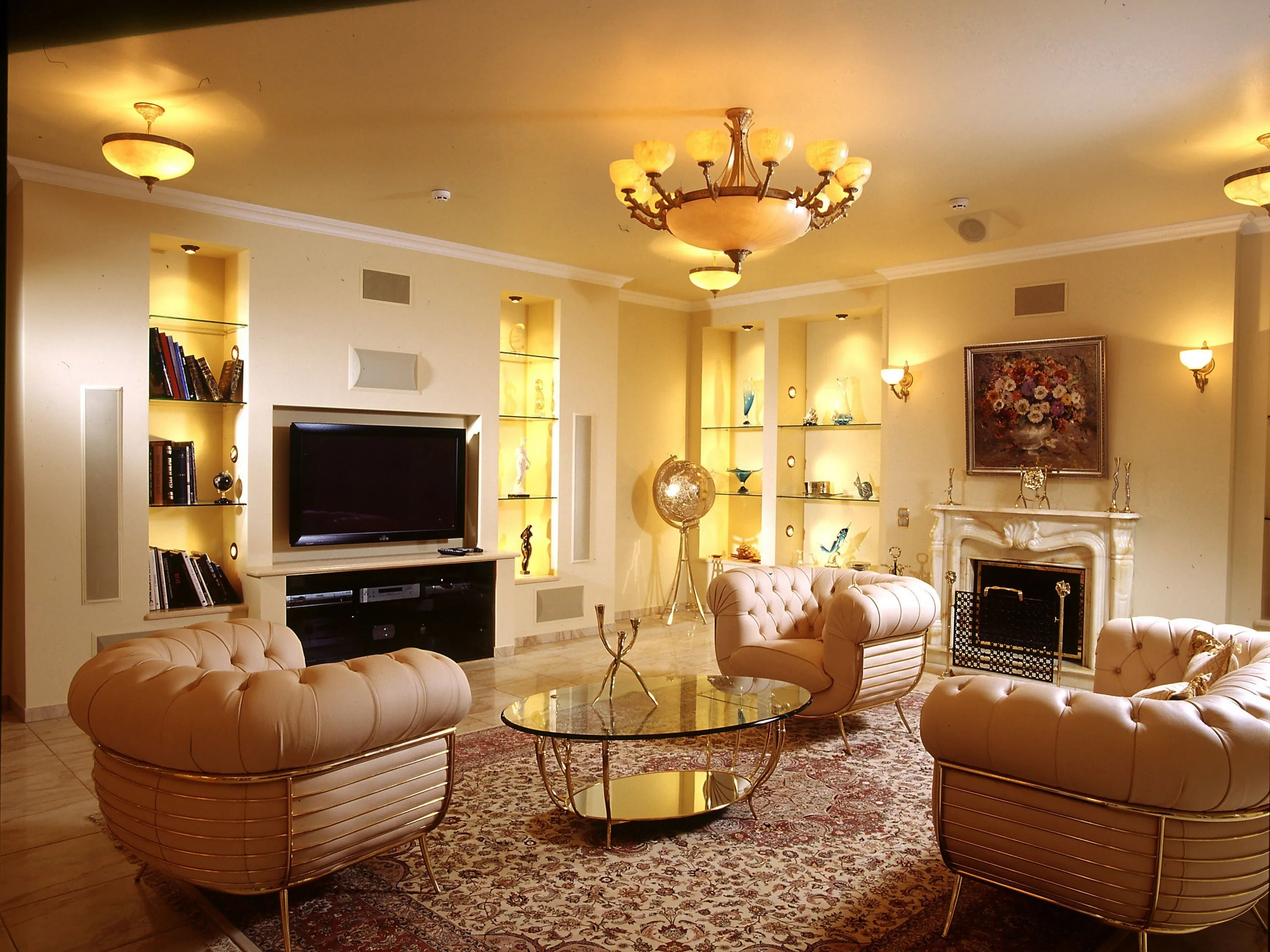
Luxury Living Room Furniture
High-end pieces spanning modern, neo-classical, and Italian Gothic styles — craftsmanship, leathers, and refined artistry.
Read More →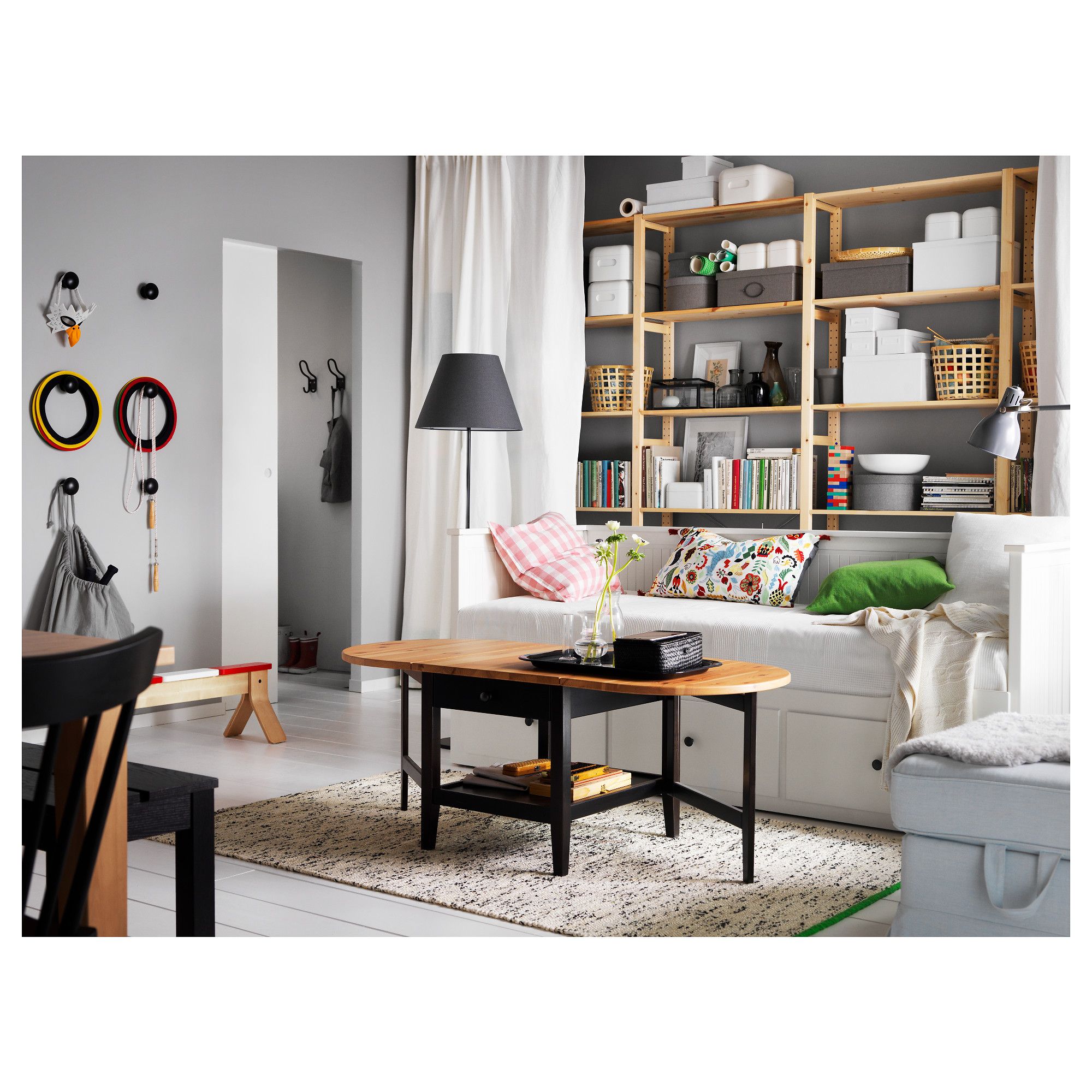
White Living Room Storage Cabinets
Sideboards, curio cabinets, and high-gloss storage units that blend practical organization with decorative appeal.
Read More →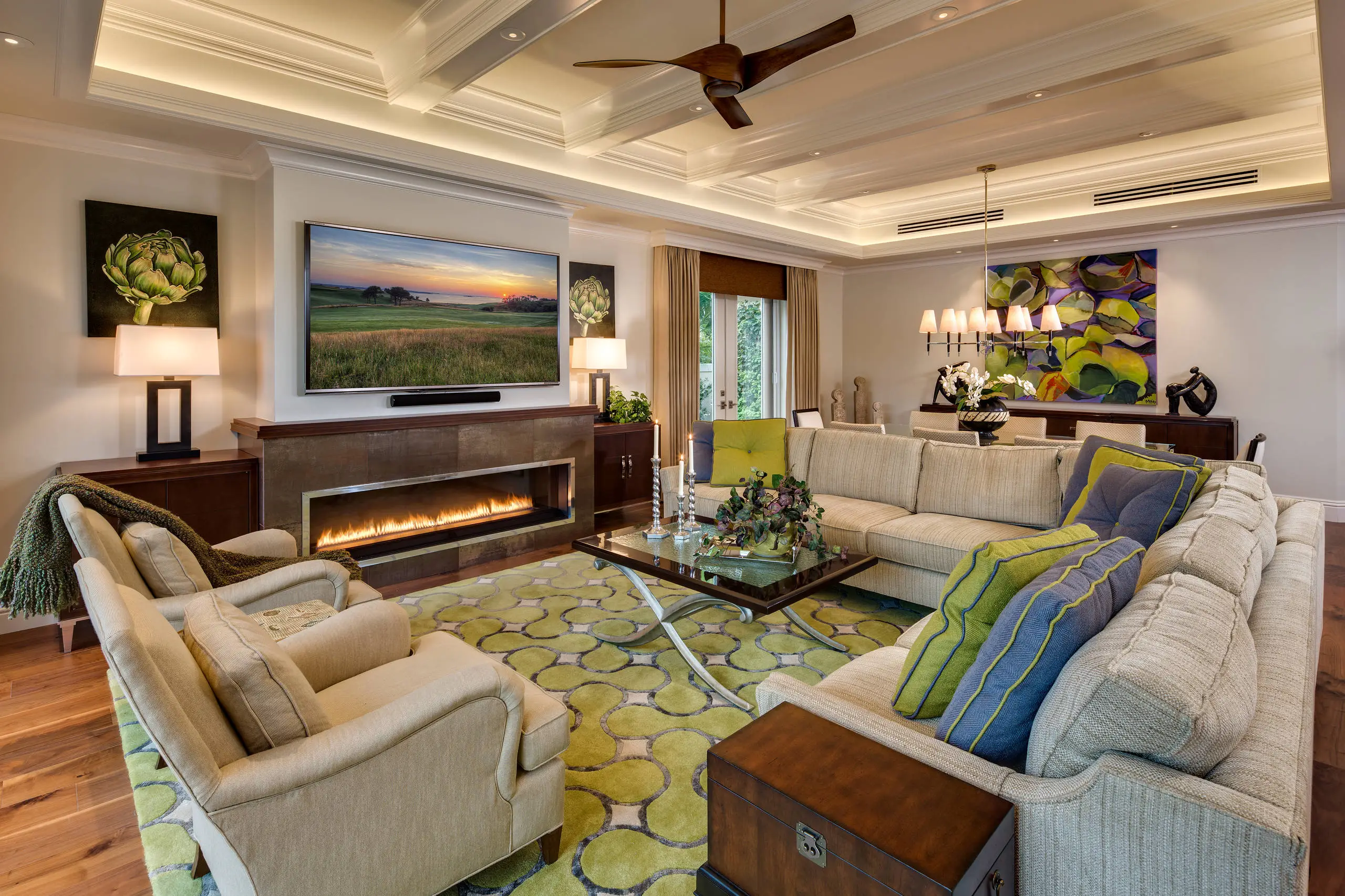
Living Room Decor Essentials
Rugs, pillows, art, lamps, and accent pieces that add layers of color, texture, and personality to any living space.
Read More →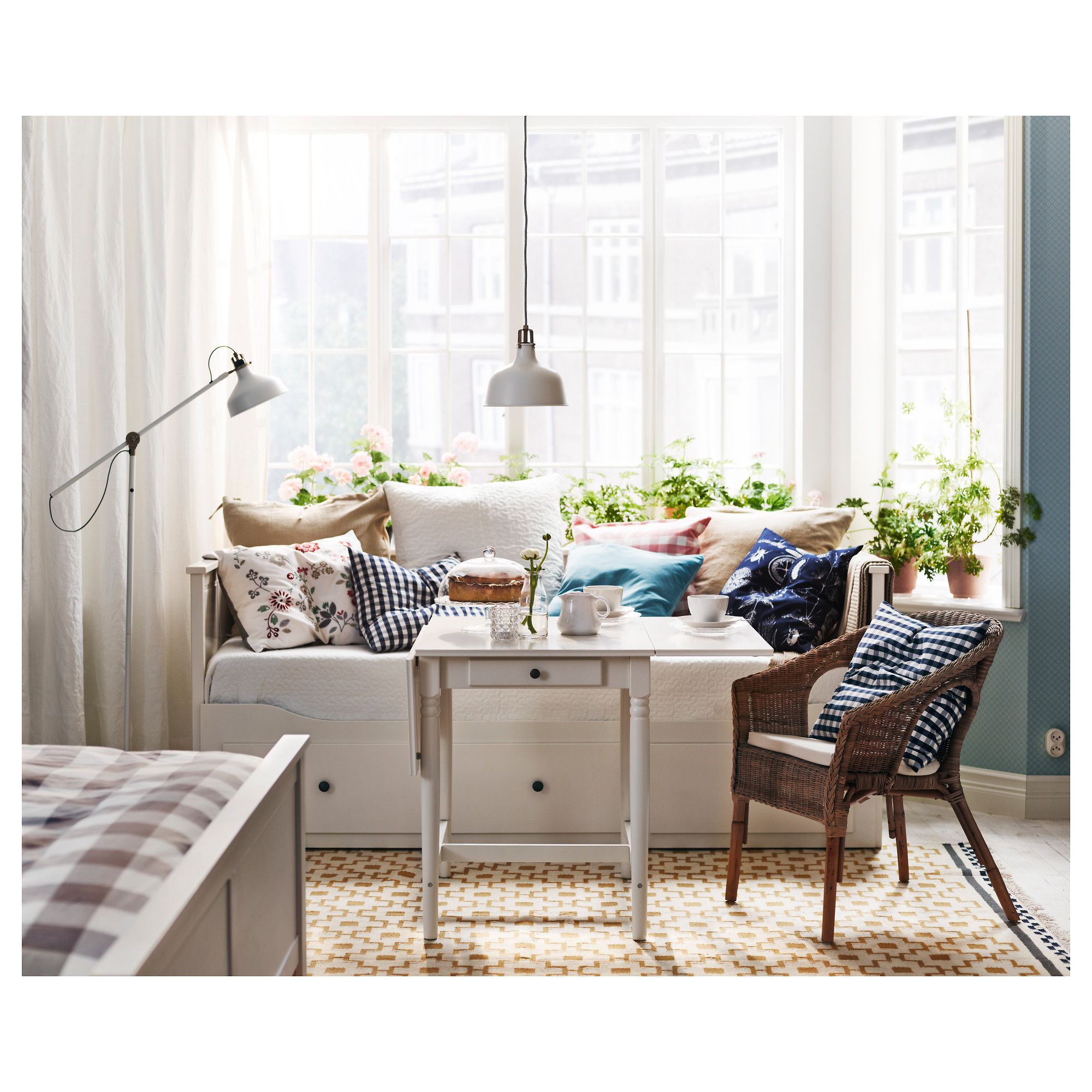
Natural Living Room Decor
Earthy elements, house plants, rustic touches, and organic materials that bring warmth and nature indoors.
Read More →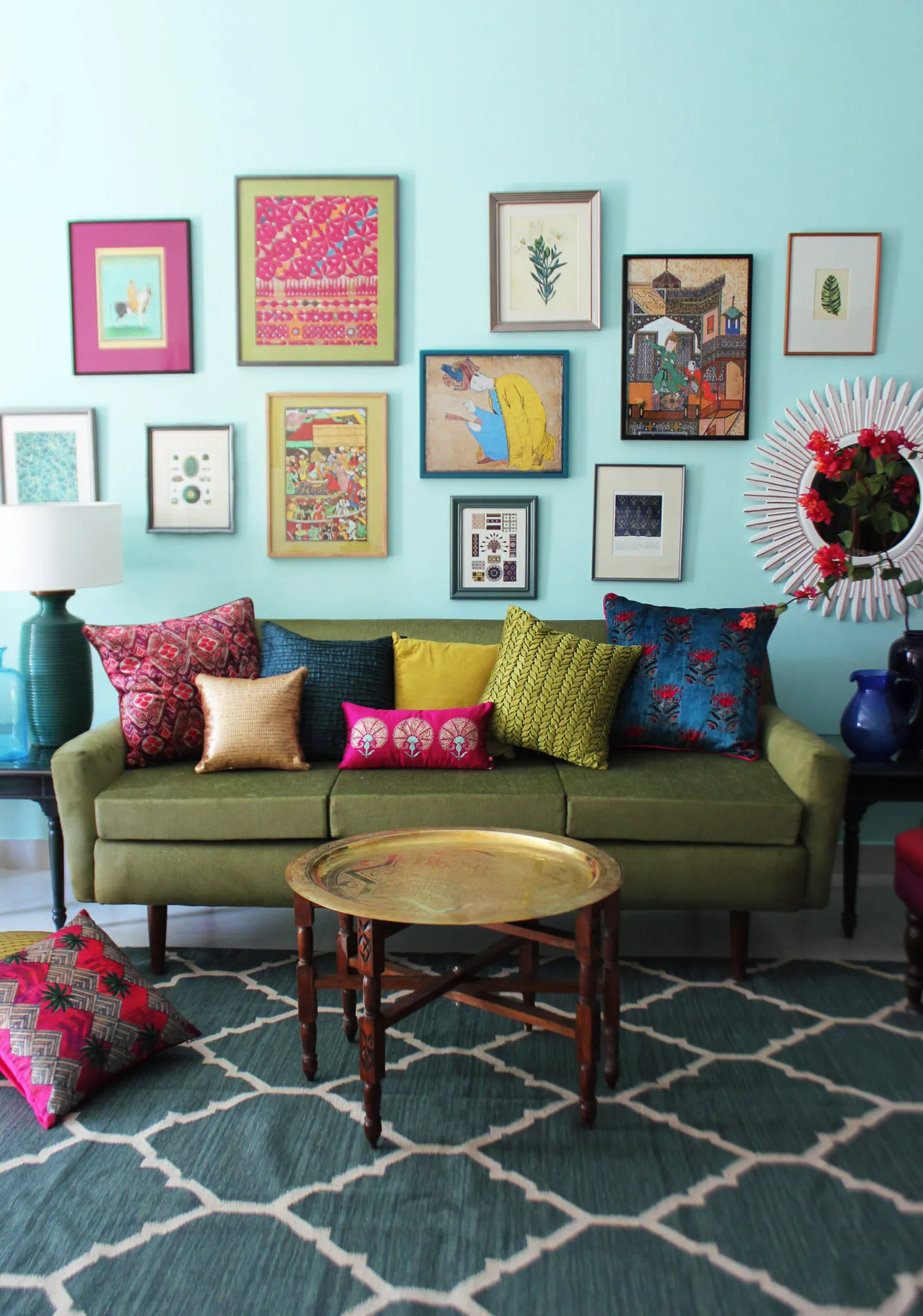
Living Room Ideas: Velvet Sofa
From classic red to trending green and blue, explore how a velvet sofa can transform your living room's character.
Read More →