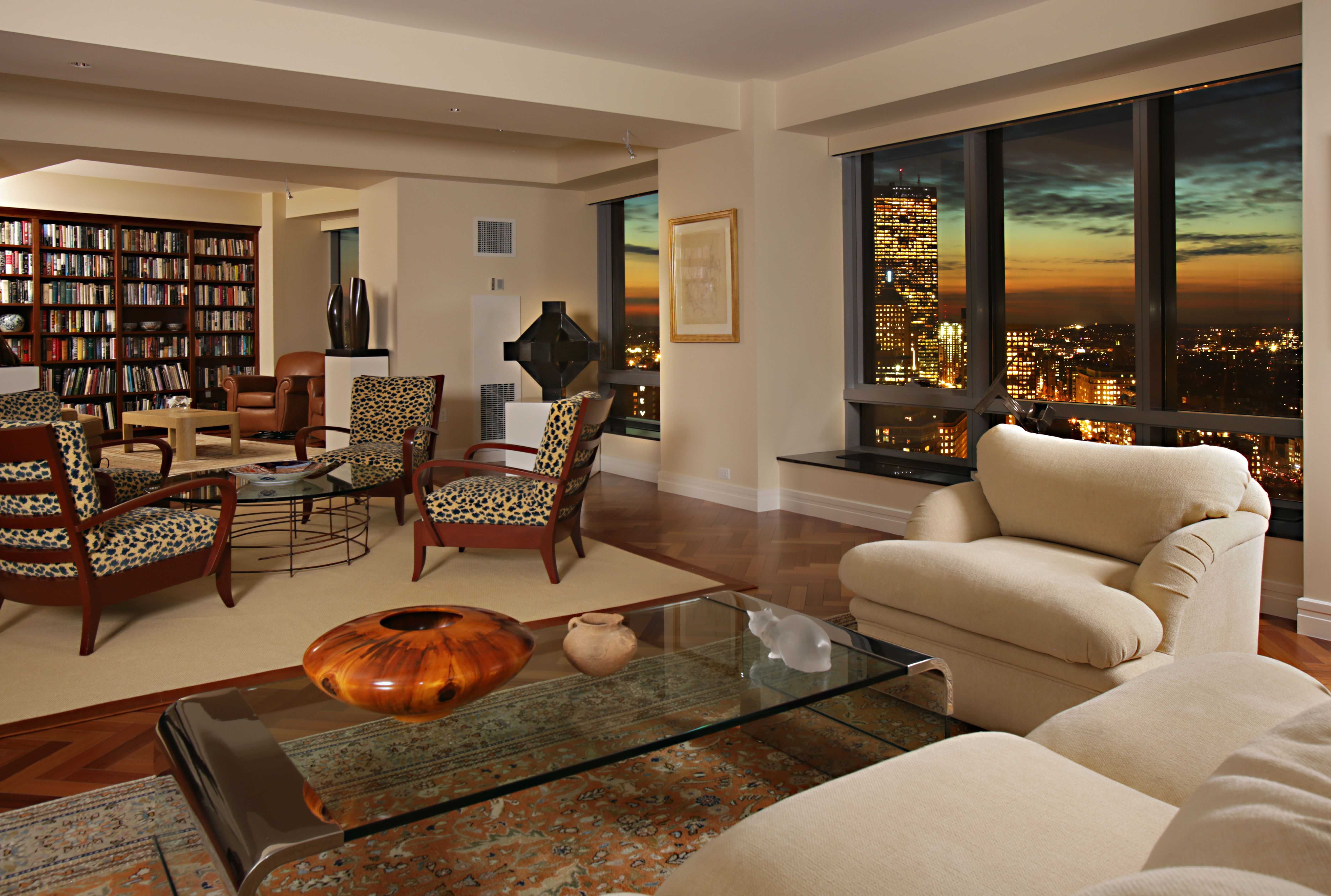
Living Room Design Ideas & Inspiration
Kumpulan Informasi, Tips dan Trik Terlengkap dan Terpercaya — explore curated ideas for sofas, storage, decor, and every style in between.
Explore Ideas →Get Design Inspiration
Tell us what you're looking for and we'll point you to the best articles.
How to Select a Lamp Shade That Complements Your Decor Style
A lamp shade can change the mood, balance and perceived proportions of a living room with surprisingly little effort. It softens a bare fitting, controls glare and adds another layer of colour or texture alongside your sofa, rug, curtains and artwork. The right shade should look considered when the lamp is switched off and produce a comfortable glow when it is on.
Begin by treating the shade as part of the room’s overall composition rather than as an isolated accessory. A linen drum shade may suit a relaxed coastal home, while a pleated fabric shade can bring softness to a traditional room. Shape, scale, material and light direction all matter, so choosing by colour alone can lead to an awkward result.
Australian homes also bring practical considerations into the decision. Strong afternoon sun can fade certain fabrics, open-plan layouts need lighting that works from several sightlines, and a shade that feels cosy in a Melbourne terrace may seem too heavy in a bright Brisbane apartment. Your lamp should suit both your decorating style and the way you live.
Match The Shade To Your Interior Style
For contemporary rooms, look for clean silhouettes such as drum, cylinder or shallow empire shades. Plain cotton, linen, paper, frosted glass and textured neutral fabrics keep the look streamlined. Black, charcoal or crisp white can work well with modern furniture, although a warm oatmeal shade often makes a minimalist space feel less stark.
Classic and heritage interiors benefit from more decorative profiles. Tapered shades, pleats, scalloped edges and subtle patterns complement timber furniture, turned legs and traditional upholstery. In a federation home in Sydney or a renovated Queenslander, a natural fabric shade can connect older architectural details with newer furnishings without making the room feel themed.
Relaxed coastal and bohemian schemes give you more freedom with weave and texture. Consider rattan, cane, raffia, cotton canvas or loosely woven linen, especially when the room includes pale timber, indoor plants and soft blue or sandy tones. In a coastal area, however, avoid placing delicate natural fibres where sea air and humidity may quickly make them look tired.
Choose A Shape That Supports The Lamp
The shade’s shape should echo the lamp base without copying it exactly. A rounded ceramic base usually looks balanced beneath a softly tapered shade, while a straight architectural base can handle a drum or rectangular shade. Repeating one gentle curve in both pieces creates cohesion, whereas too many competing angles can make a side table look busy.
Proportion is just as important as style. A common starting point is to choose a shade with a diameter roughly twice the width of the base, though the ideal measurement depends on the lamp’s height and location. The shade should generally be about two-thirds of the base height, with the entire lamp remaining stable and visually grounded.
For a bedside lamp, ensure the shade does not sit so low that it blocks the switch or casts light directly into your eyes. On a living room console, a wider shade can spread light across the wall and surrounding decor. A tall floor lamp may need a substantial shade to prevent the stem from appearing top-heavy.
Consider Light Quality And Glare
The fabric density determines how much light escapes through the shade. Pale linen and cotton provide a diffused, welcoming glow, while darker or tightly woven materials direct more light upwards and downwards. These are useful choices when you want atmosphere rather than strong task lighting.
Think about the bulb as part of the selection. Warm white LED bulbs, often around 2700K, usually flatter living rooms with timber, tan leather and warm neutrals. Cooler bulbs may suit a work area, but can make a comfortable lounge feel clinical. Always check the shade’s maximum wattage and use a bulb suitable for the fitting.
A translucent lining can improve the quality of light and protect some fabrics from heat and uneven brightness. If the lamp will be used for reading, choose a shade that allows useful light to fall below eye level. For a decorative lamp in a hallway or corner, a more opaque shade may create a gentle pool of illumination without overwhelming the rest of the room.
Get The Fitting And Measurements Right
Before buying, measure the lamp base, harp or holder, total height and available clearance. Australian fittings commonly use bayonet-cap or Edison-screw globes, and the shade needs the correct carrier or converter for the lamp. If the fitting is hard-wired or the shade requires electrical alteration, use a licensed electrician rather than attempting a modification yourself.
The shade should conceal the bulb and hardware when viewed from normal standing and seated positions. Check this from the sofa, dining table and doorway, particularly in an open-plan home where the lamp may be visible from several angles. A shade that looks perfect close up can appear too small when seen across a large room.
Household use should influence the material too. Homes with young children, dogs or cats benefit from wipeable fabrics, sturdy frames and shades that cannot be easily knocked over. If you are coordinating lighting with a busy family lounge, these sofa fabrics for pets can also guide a practical colour and texture palette.
Use Colour And Texture With Intention
A lamp shade does not have to match the sofa exactly. Instead, pick up a secondary colour from a cushion, rug, artwork or curtain. A soft olive shade can connect greenery and patterned upholstery, while a terracotta or rust tone can warm a room filled with cream, timber and black accents.
Neutral shades are versatile, but they are not all interchangeable. Ivory creates a softer effect than bright white, grey can read cool beside blue-based whites, and natural linen adds visual movement through its weave. Request fabric samples where possible and view them in both daylight and lamplight, since Australian sun can make colours appear very different across the day.
Texture is especially helpful when the surrounding furniture is plain. A ribbed ceramic base paired with a smooth shade creates contrast, while a woven base and woven shade may look overly repetitive. Aim for a mix of finishes across the room so the lamp contributes interest without becoming the only feature.
Compare Common Lamp Shade Options
The best choice depends on the room’s style, the amount of light required and how much maintenance you are prepared to do. In rental apartments or frequently rearranged rooms, a versatile fabric shade may offer better value than a highly distinctive statement piece. For a forever home, a custom shade can be worthwhile when an unusual lamp base or window position demands precise proportions.
Use the guide below as a starting point, then assess the shade beside your existing furniture and finishes.
| Shade type | Best suited to | Light effect | Practical note |
|---|---|---|---|
| Linen drum | Contemporary, coastal, Scandinavian | Soft and even | Versatile, though natural linen may show marks |
| Pleated fabric | Traditional, country, Hamptons | Warm and decorative | Adds detail and works well with classic bases |
| Rattan or cane | Coastal, bohemian, relaxed | Patterned shadows | Check cleaning needs in dusty or humid rooms |
| Opaque dark shade | Moody, modern, dramatic | Focused upward and downward | Can make a small room feel darker |
| Frosted glass | Minimalist, industrial, compact spaces | Bright and diffused | Easy to clean, but may feel less soft |
| Paper shade | Japandi, casual, budget-friendly | Gentle ambient glow | Needs care around moisture and rough handling |
Once the shade is installed, view it at different times of day. In Perth or Adelaide, low evening light may make a warm shade especially inviting, while a bright north-facing room may need a paler material to maintain a sense of openness. Small adjustments to the lamp position can also prevent reflections on a television or glare across a polished tabletop.
Select a shade that balances beauty, comfort and everyday practicality, then let it become part of the room’s wider lighting plan. Browse your local lighting stores, compare samples in your own space and choose the option that makes your living room feel more settled each time you switch it on.
What We Cover
Living Room Topics & Ideas
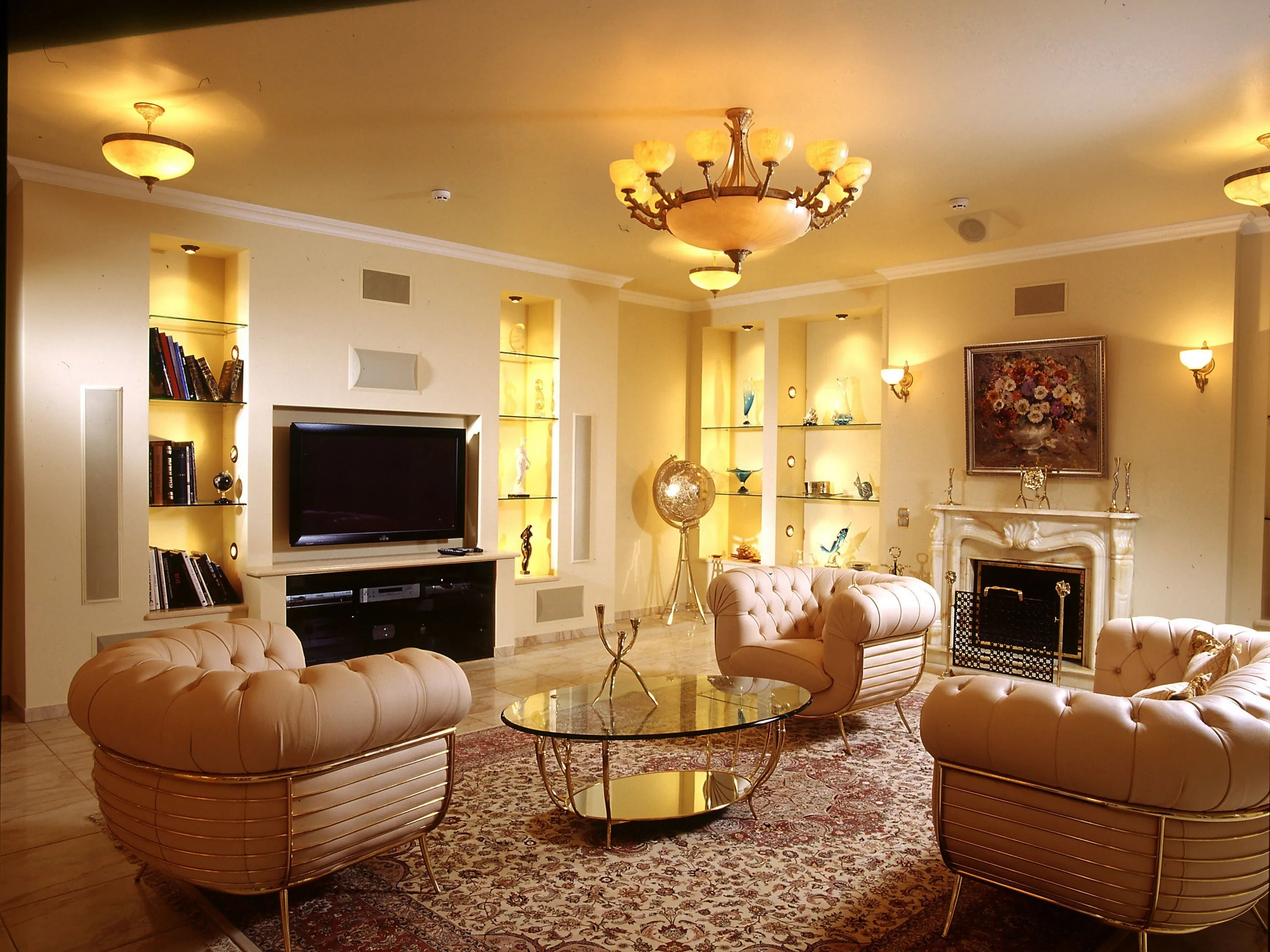
Luxury Living Room Furniture
High-end pieces spanning modern, neo-classical, and Italian Gothic styles — craftsmanship, leathers, and refined artistry.
Read More →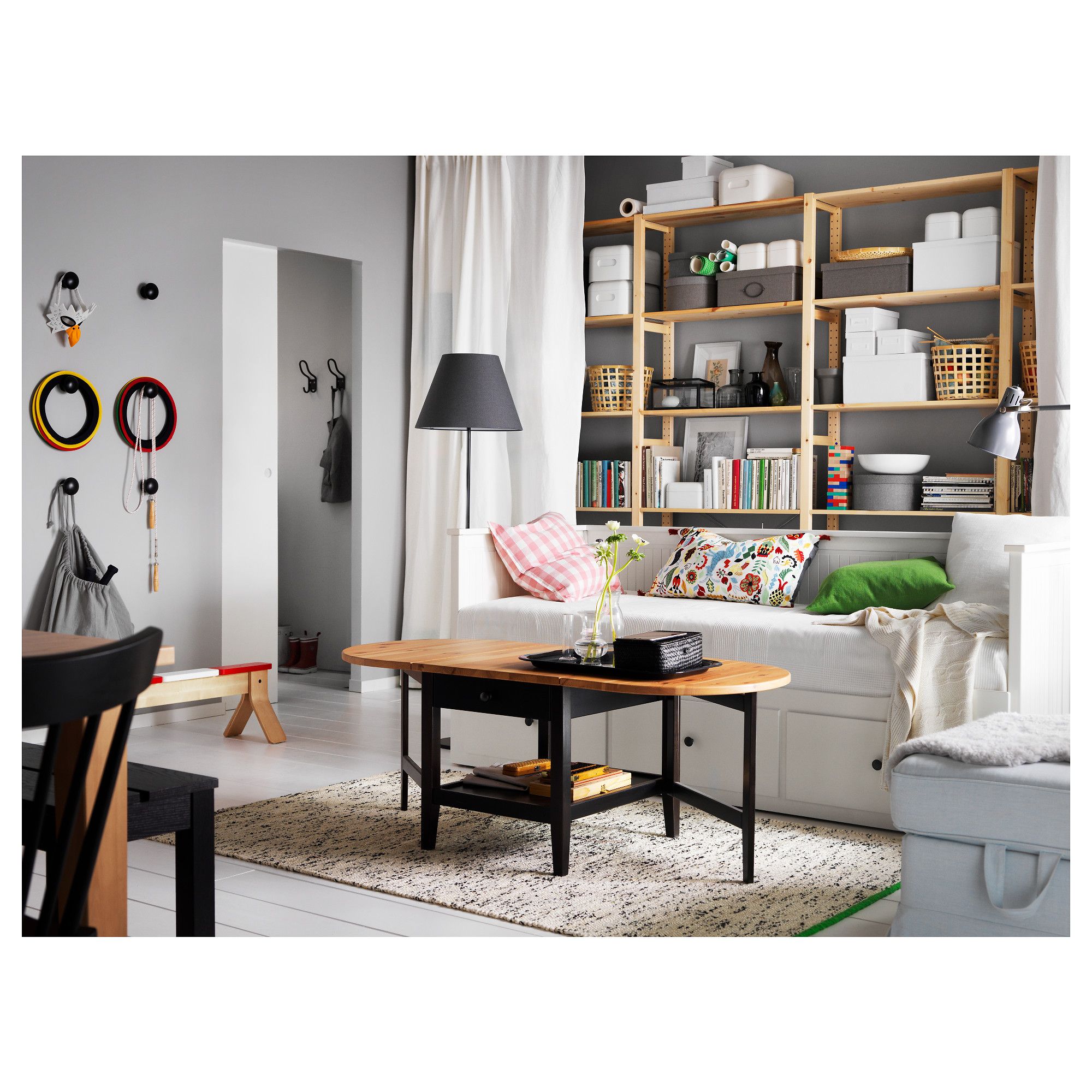
White Living Room Storage Cabinets
Sideboards, curio cabinets, and high-gloss storage units that blend practical organization with decorative appeal.
Read More →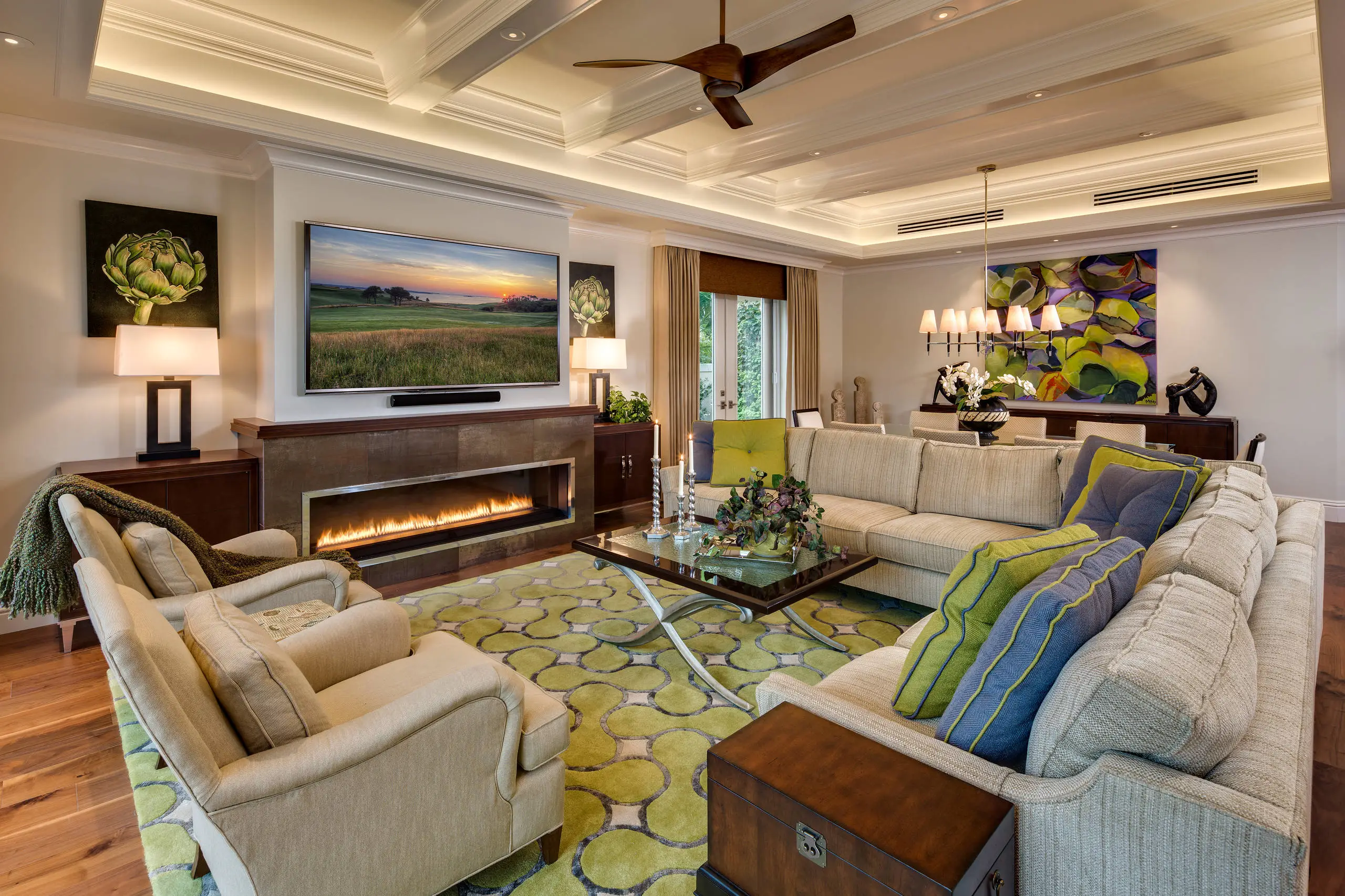
Living Room Decor Essentials
Rugs, pillows, art, lamps, and accent pieces that add layers of color, texture, and personality to any living space.
Read More →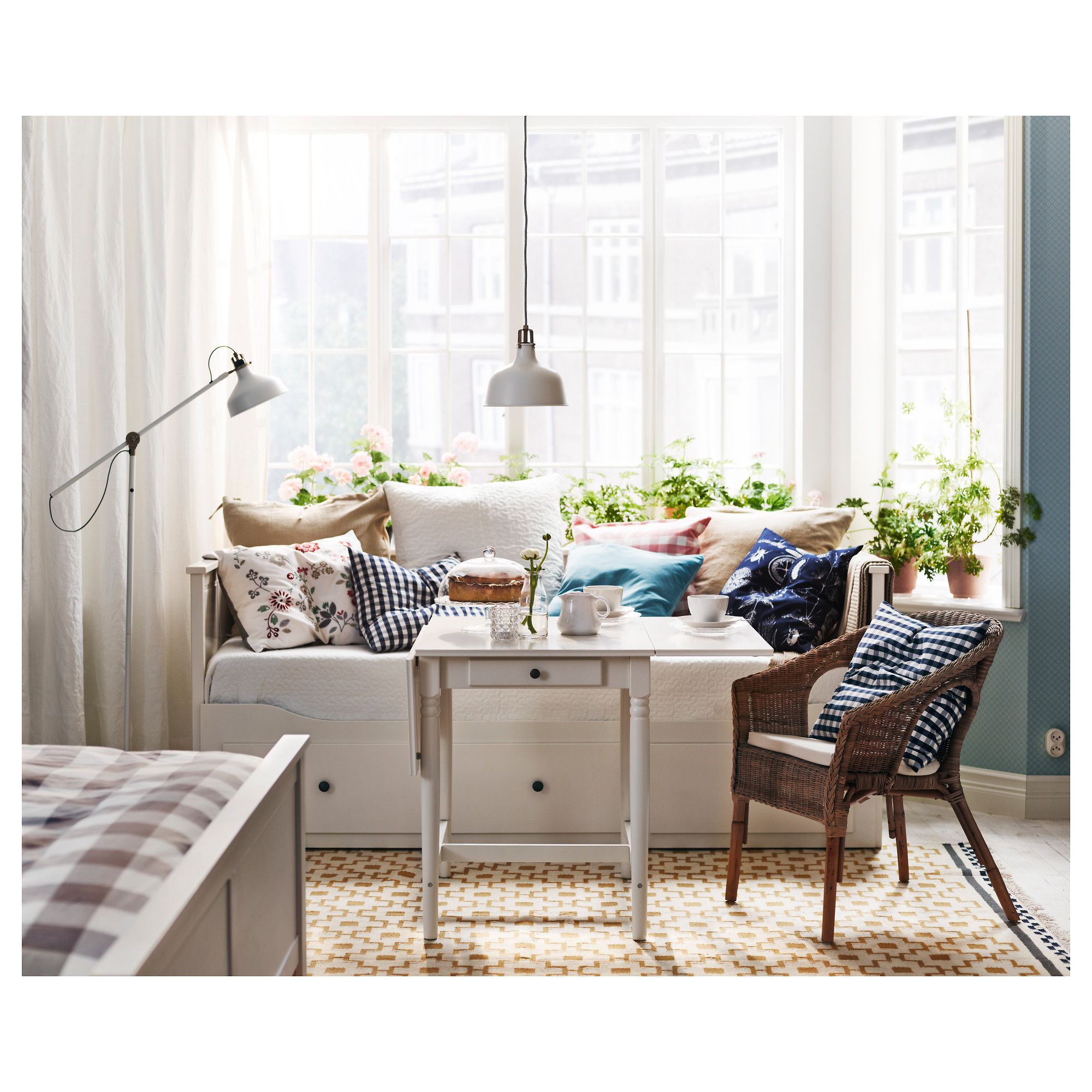
Natural Living Room Decor
Earthy elements, house plants, rustic touches, and organic materials that bring warmth and nature indoors.
Read More →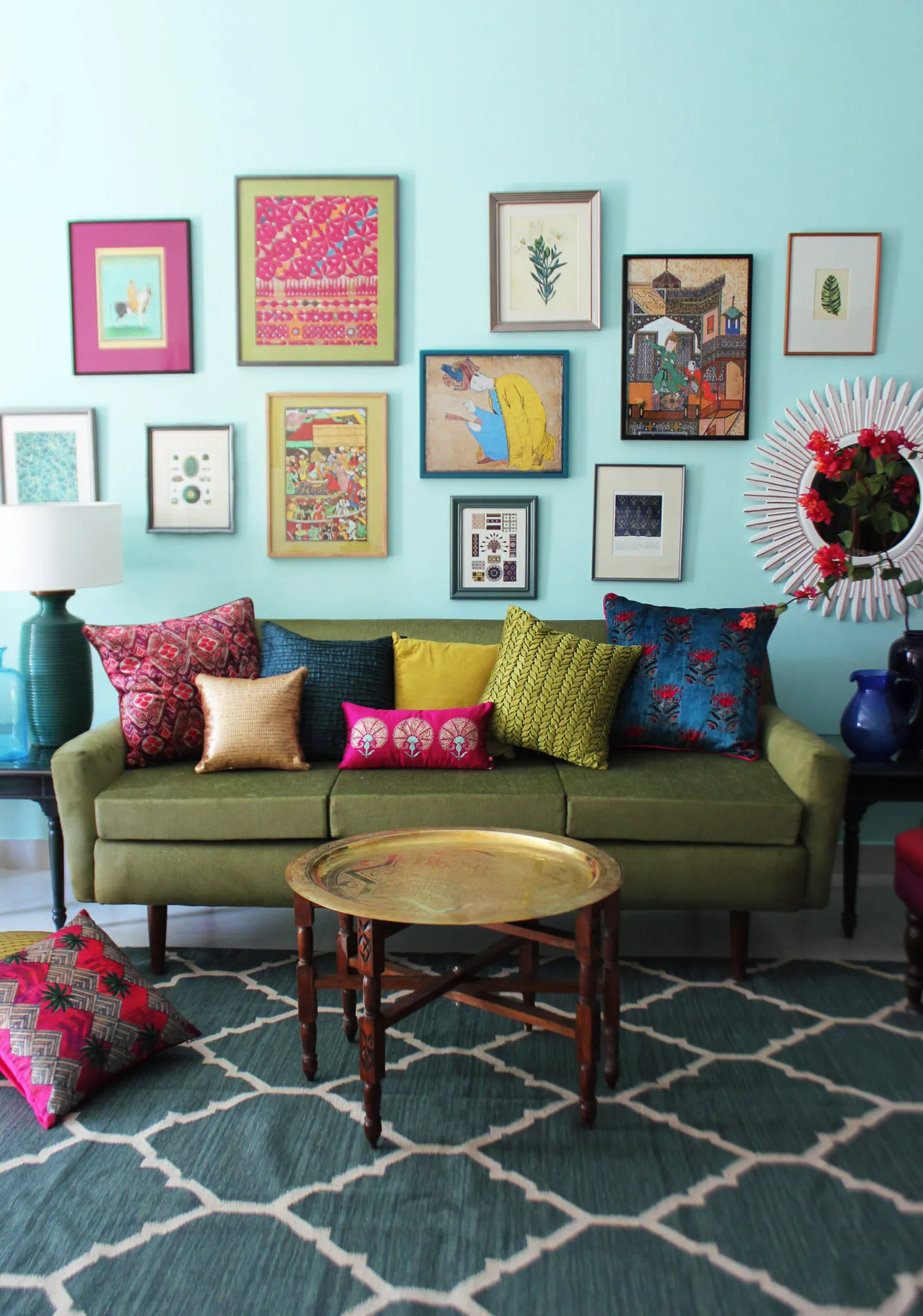
Living Room Ideas: Velvet Sofa
From classic red to trending green and blue, explore how a velvet sofa can transform your living room's character.
Read More →