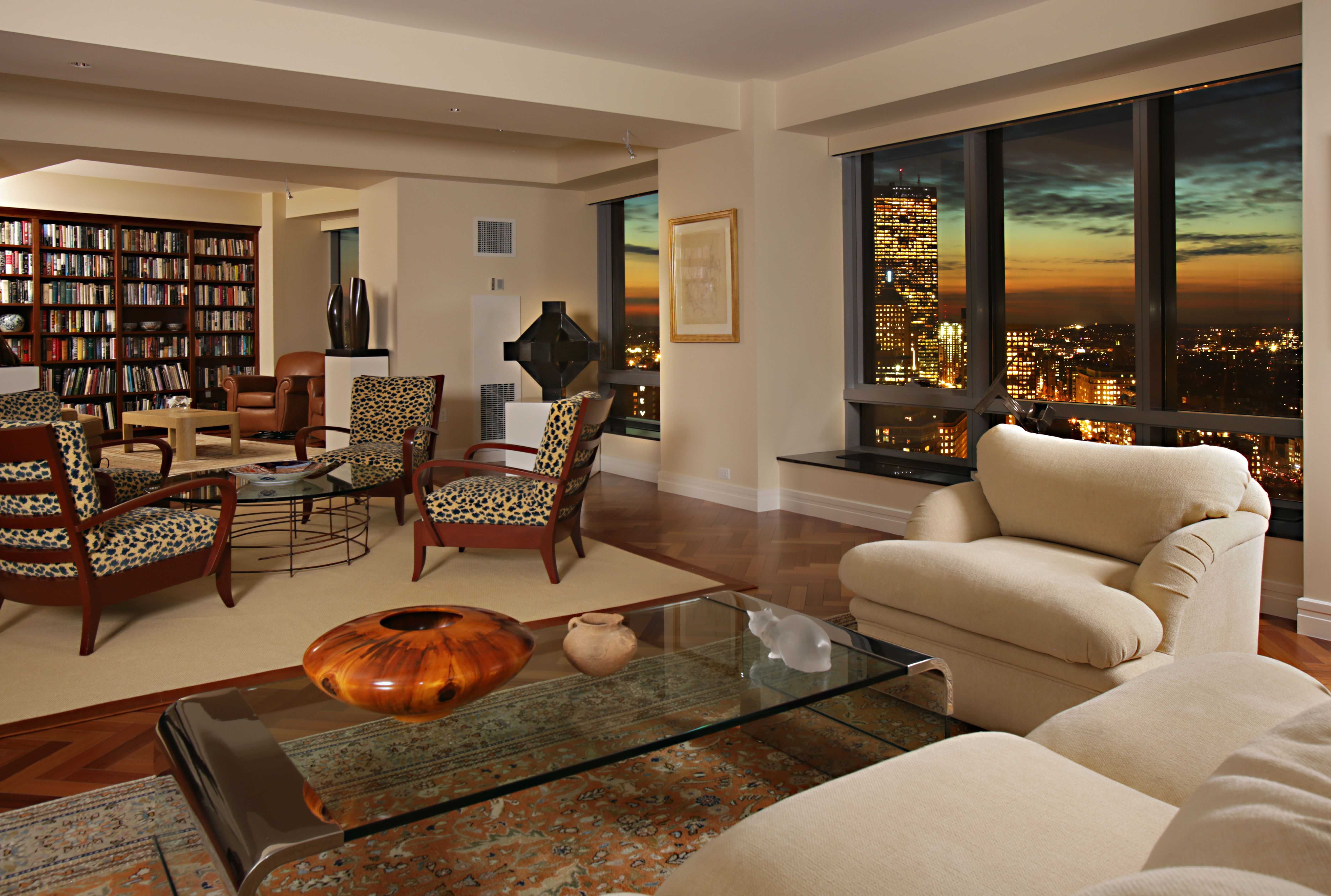
Living Room Design Ideas & Inspiration
Kumpulan Informasi, Tips dan Trik Terlengkap dan Terpercaya — explore curated ideas for sofas, storage, decor, and every style in between.
Explore Ideas →Get Design Inspiration
Tell us what you're looking for and we'll point you to the best articles.
Blending Leather and Fabric Upholstery for a Cohesive Living Room
In many Australian homes, from a renovated Victorian in Fitzroy to a new build on the Sunshine Coast, the living room is the hardest-working space. It hosts weekend sport viewing, casual dinners, and quiet evenings with a book, which is why mixing materials like leather and fabric makes so much sense. Combining the two gives you the durability of leather where it counts and the softness of fabric where you want to relax. When done well, the contrast adds depth and prevents the space from feeling like a furniture showroom.
The trick is treating the combination as a deliberate design choice rather than a happy accident. Before you start shopping in Sydney showrooms or scrolling through Temple & Webster, it helps to think about how each piece will be used, how often it will be touched, and how it will hold up against kids, pets, and that harsh afternoon sun coming through west-facing windows. Getting the foundation sorted means the rest of the room falls into place more easily.
Understanding Texture and Visual Weight
Leather and fabric carry very different visual weights, and ignoring this is the fastest way to end up with a room that feels lopsided. Leather tends to look heavier, especially in darker tones, while linen, cotton, velvet, or boucle reads as lighter and airier. In open-plan Australian homes, where the lounge flows into the kitchen, balancing these weights keeps the eye moving rather than landing on one bulky piece.
| Material | Visual Weight | Durability | Comfort in Heat | Care Routine |
|---|---|---|---|---|
| Full-grain leather | Heavy | Excellent | Sticky in humidity | Condition every 6 months |
| Top-grain leather | Medium-heavy | Very good | Sticky in humidity | Wipe and condition |
| Linen or cotton | Light | Moderate | Breathable, cool | Vacuum and spot clean |
| Velvet | Medium | Moderate | Warm to the touch | Brush and spot clean |
| Boucle | Medium | Moderate | Warm to the touch | Professional clean |
A common approach in larger Brisbane or Perth living areas is to let the leather element be the grounded anchor — a chesterfield, a deep club chair, or a single large sofa — and surround it with fabric pieces that have visible legs and slimmer profiles. If you reverse this and place a low-slung fabric sofa next to a bulky leather recliner, the recliner will visually dominate and the room will feel weighted toward one corner. Always test the relationship between two pieces before committing, either by placing them in a showroom or using an AR app to mock up the arrangement.
Picking the Anchor Piece First
Every successfully mixed-material room starts with a clear focal point, and the leather piece is the strongest candidate. A leather sofa, a pair of leather armchairs, or even a leather ottoman can become the anchor around which fabric elements are layered. This works particularly well in homes with older architecture — think a sandstone semi in Paddington or a Queenslander in Brisbane — where the textured walls already provide warmth and the furniture needs to add softness.
Once you have chosen the anchor, let it guide the rest of the palette. A tan or cognac leather sofa invites warmer neutral fabrics — oatmeal linen, mushroom boucle, soft taupe cotton. A charcoal or black leather piece pushes you toward cooler fabric tones like dove grey, dusty blue, or sage velvet. The fabric pieces should support the leather rather than compete with it, which usually means sticking to one dominant colour story per room.
Balancing Colours and Tones
Colour is where most mixed-material rooms succeed or fall apart. Australian interiors tend to lean toward earthy, sun-washed tones inspired by coastal and bush settings, and this palette translates well to a leather-and-fabric combination. A caramel or saddle leather sits beautifully against warm whites, clay, and chalky neutrals, while a deeper chocolate leather works with cream, mushroom, and olive tones.
Avoid matching too exactly — leather and fabric rarely come in identical shades, and trying to force a perfect match will leave the room looking flat. Aim for tonal harmony instead. Pull one or two undertones from the leather (warm brown, cool grey, red-brown) and echo them subtly in your fabric choice. A rug with a hint of cognac woven through a soft grey pattern can tie a leather chair and a linen sofa together without anyone consciously noticing why the room feels pulled together.
Scale, Proportion and Footprint
Getting the proportions right matters more in mixed-material rooms because each surface behaves differently. A large leather sectional in a small Melbourne apartment will overwhelm the space and make fabric accents feel like afterthoughts. Conversely, a delicate fabric settee next to a generously sized leather armchair will look like the wrong scale entirely. Measure your room, sketch the layout, and consider how each piece will affect the circulation paths, especially in narrow terraces where every centimetre counts.
Coffee tables and side tables play a quiet but important role in this balance. The height and depth of these pieces can either ground a deep-seating layout or undermine it, which is why working through coffee table height is worth doing before you place the final order. A leather sofa usually sits lower and deeper, so the table needs to align with both the seat and the arm, while a fabric sofa with a higher back may suit a slightly taller table.
Layering with Throws, Cushions and Rugs
Once the big pieces are in place, layers are where the room really comes alive. Throws, cushions, and rugs bridge the gap between leather and fabric by introducing shared colours, textures, and patterns. A chunky wool throw draped over the arm of a leather sofa instantly softens the look, while linen cushions on a fabric armchair echo the casual mood of the rest of the seating.
Rugs do the heaviest lifting. A natural fibre rug — sisal, jute, or a wool-sisal blend — works with almost any leather-and-fabric pairing and suits the laid-back Australian sensibility. If you want pattern, choose one that includes both the leather tone and at least one of the fabric colours, so the rug feels like the visual hinge between the two materials. Keep the rug large enough that the front legs of both the leather and fabric pieces sit on it; a rug floating in the middle of the floor with all furniture beside it will undo all the careful balance you have built.
Styling for Harsh Light and Busy Households
Australian conditions bring a few specific challenges worth planning for. Direct sun through north- and west-facing windows will fade fabric faster than leather, so position your most loved fabric piece away from the harshest light or invest in lined curtains, sheer-lined drapes, or UV-filtering window film. Leather, while durable, can dry out in hot, sunny rooms, so a leather conditioner every six months will extend its life and keep it looking rich.
Pet owners and families with small children also need to think practically. A performance-treated fabric on the main family sofa will shrug off red wine, muddy paws after a coastal walk, and the occasional crayon masterpiece. Leather is easier to wipe clean but can scratch, so if you have cats, choose a protected or corrected-grain leather and keep their scratching posts well away from the lounge. The goal is a room that looks considered but does not need to be wrapped in plastic to survive daily life.
Browse the Sibabeh journal for more guidance on pairing furniture pieces, or explore our living room guides for fresh ideas on layouts, palettes, and the pieces that anchor them. With a clear focal point, considered colours, and a few well-chosen layers, mixing leather and fabric becomes less of a gamble and more of a confident design choice that will serve your home for years to come.
What We Cover
Living Room Topics & Ideas
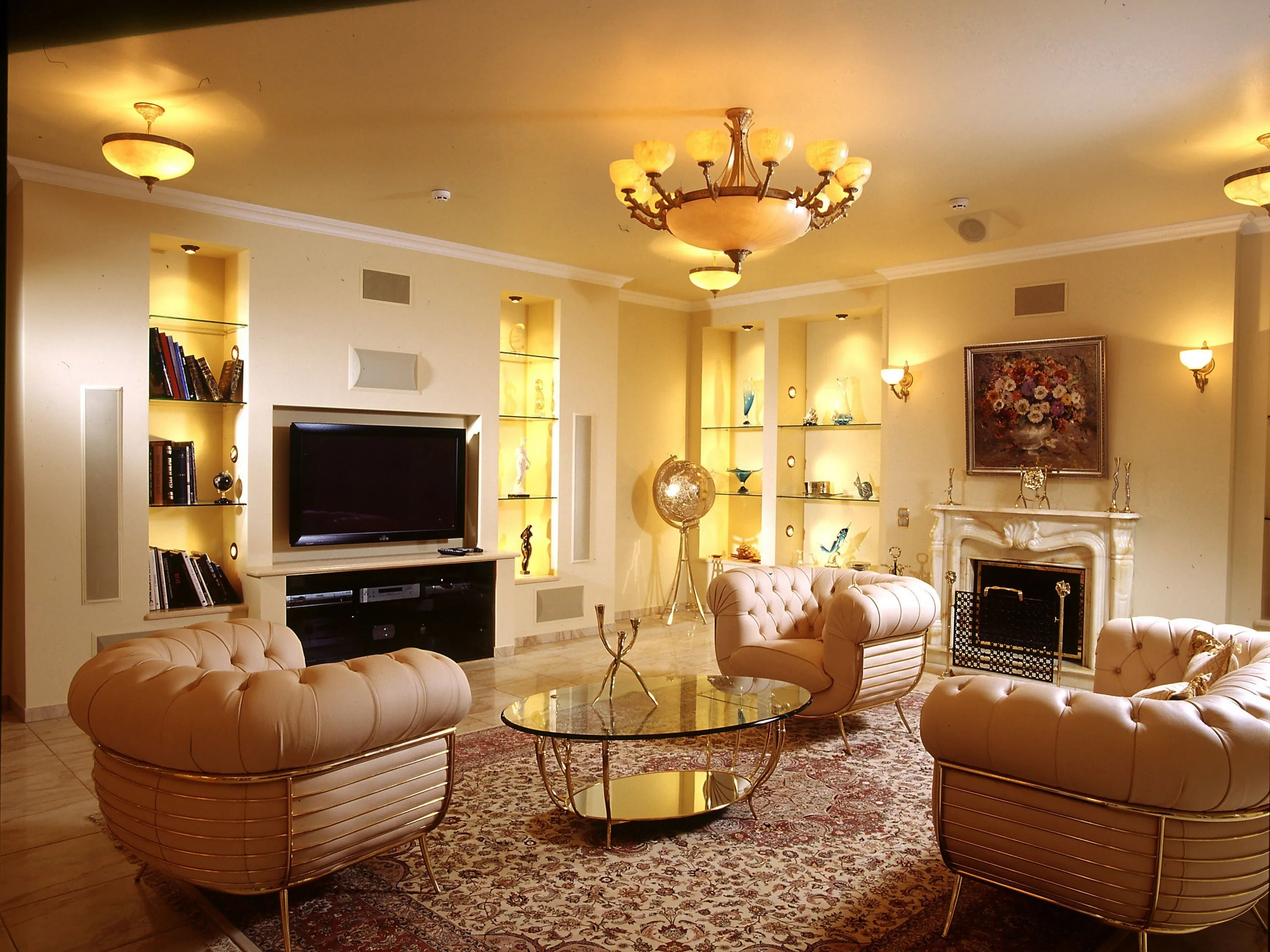
Luxury Living Room Furniture
High-end pieces spanning modern, neo-classical, and Italian Gothic styles — craftsmanship, leathers, and refined artistry.
Read More →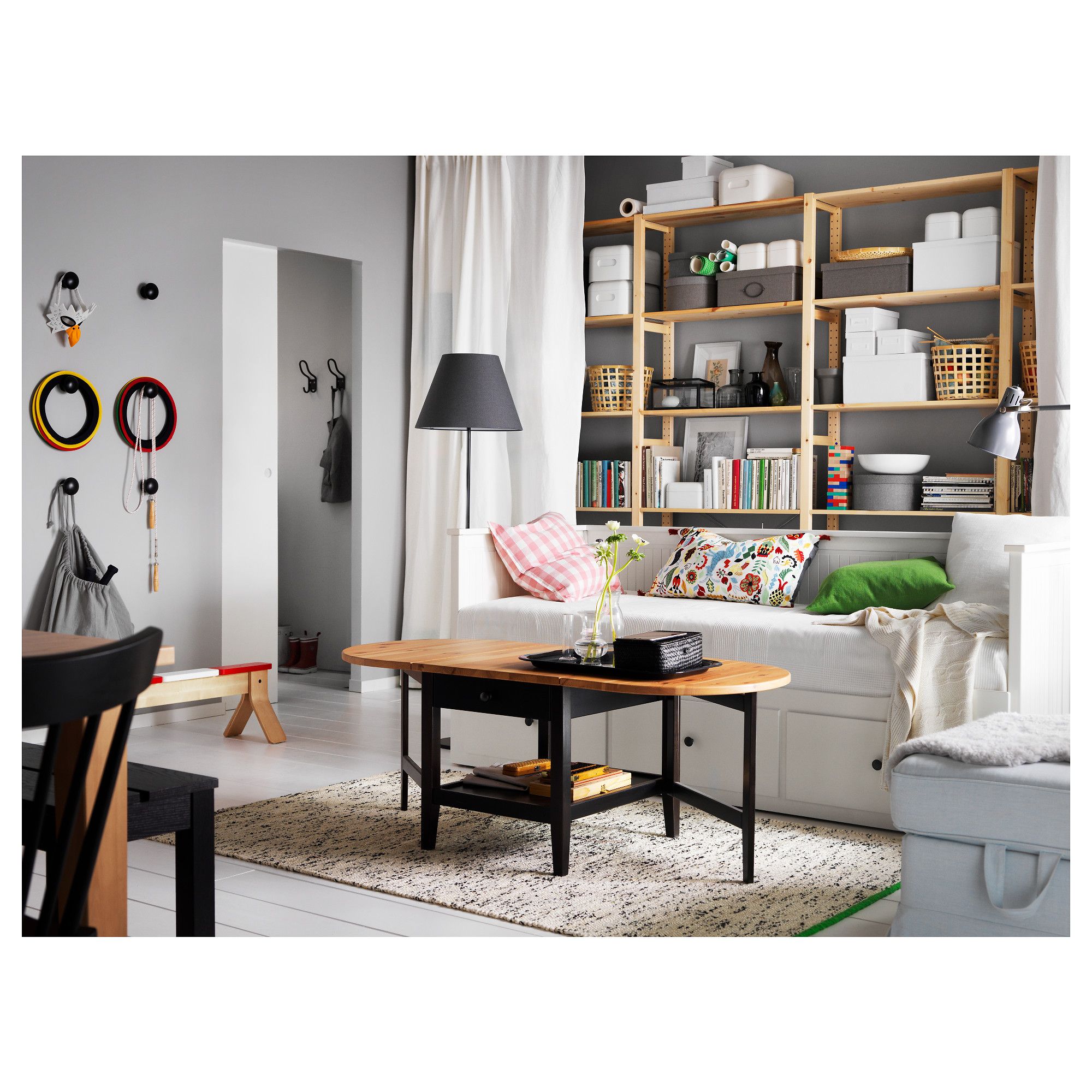
White Living Room Storage Cabinets
Sideboards, curio cabinets, and high-gloss storage units that blend practical organization with decorative appeal.
Read More →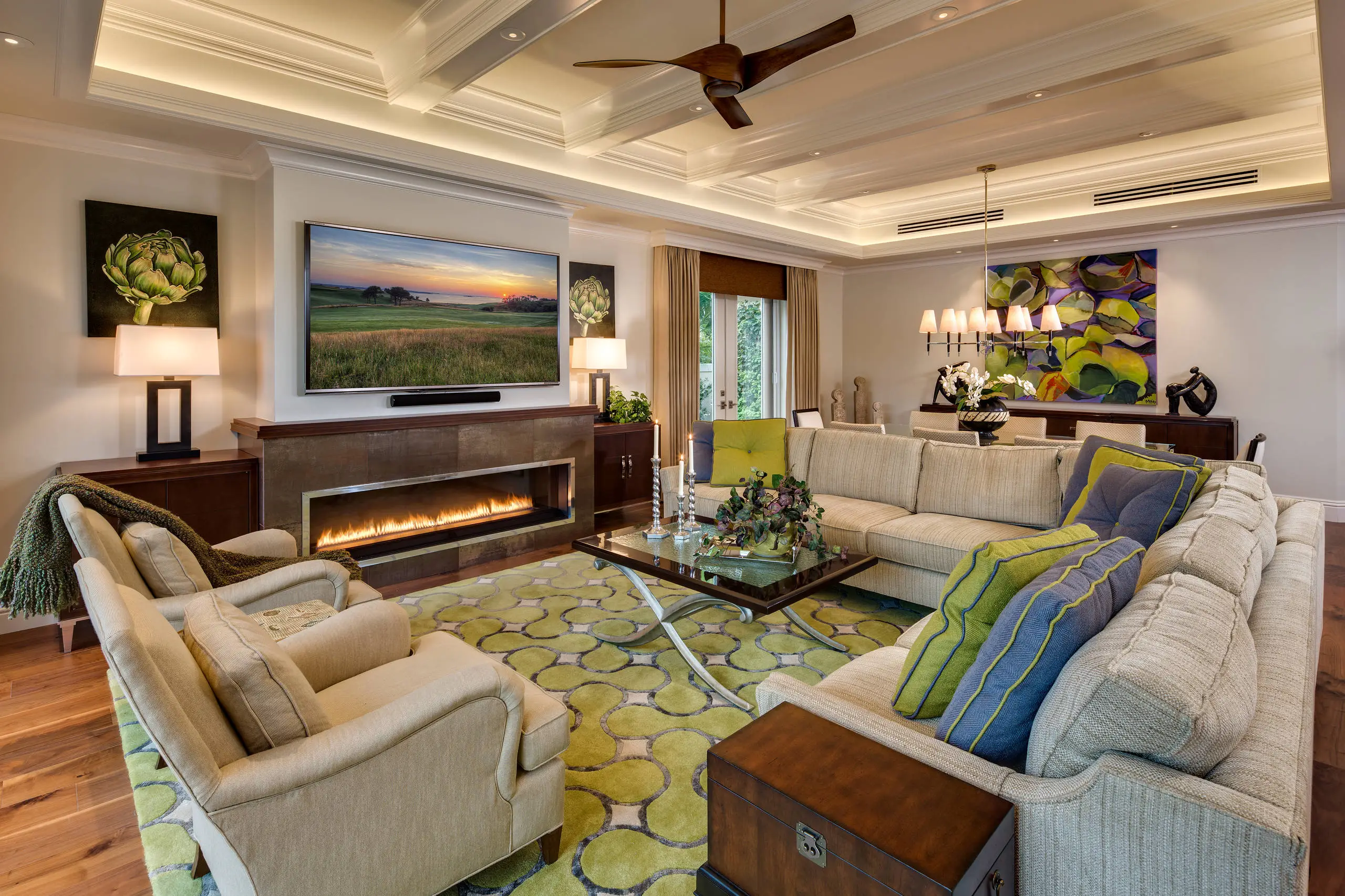
Living Room Decor Essentials
Rugs, pillows, art, lamps, and accent pieces that add layers of color, texture, and personality to any living space.
Read More →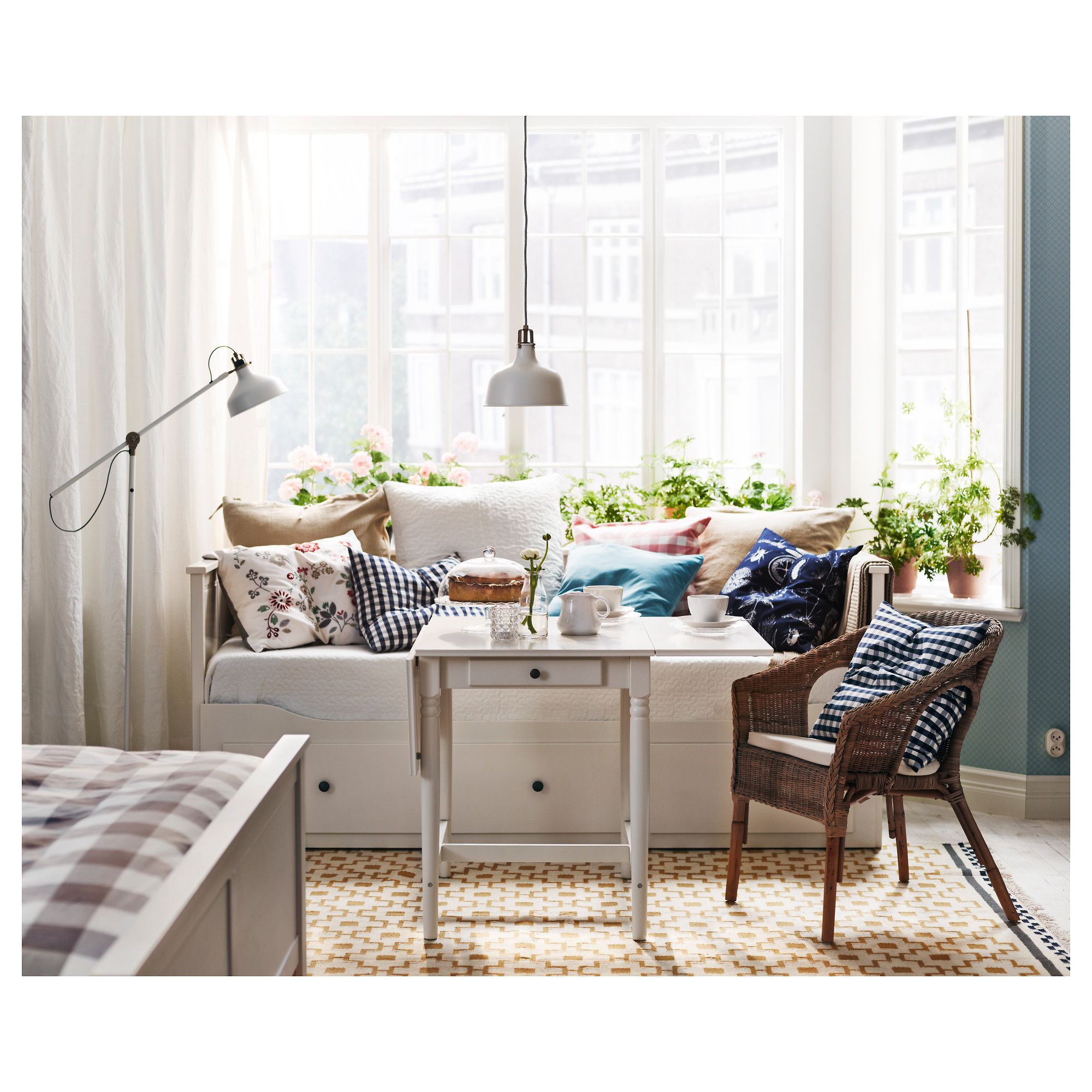
Natural Living Room Decor
Earthy elements, house plants, rustic touches, and organic materials that bring warmth and nature indoors.
Read More →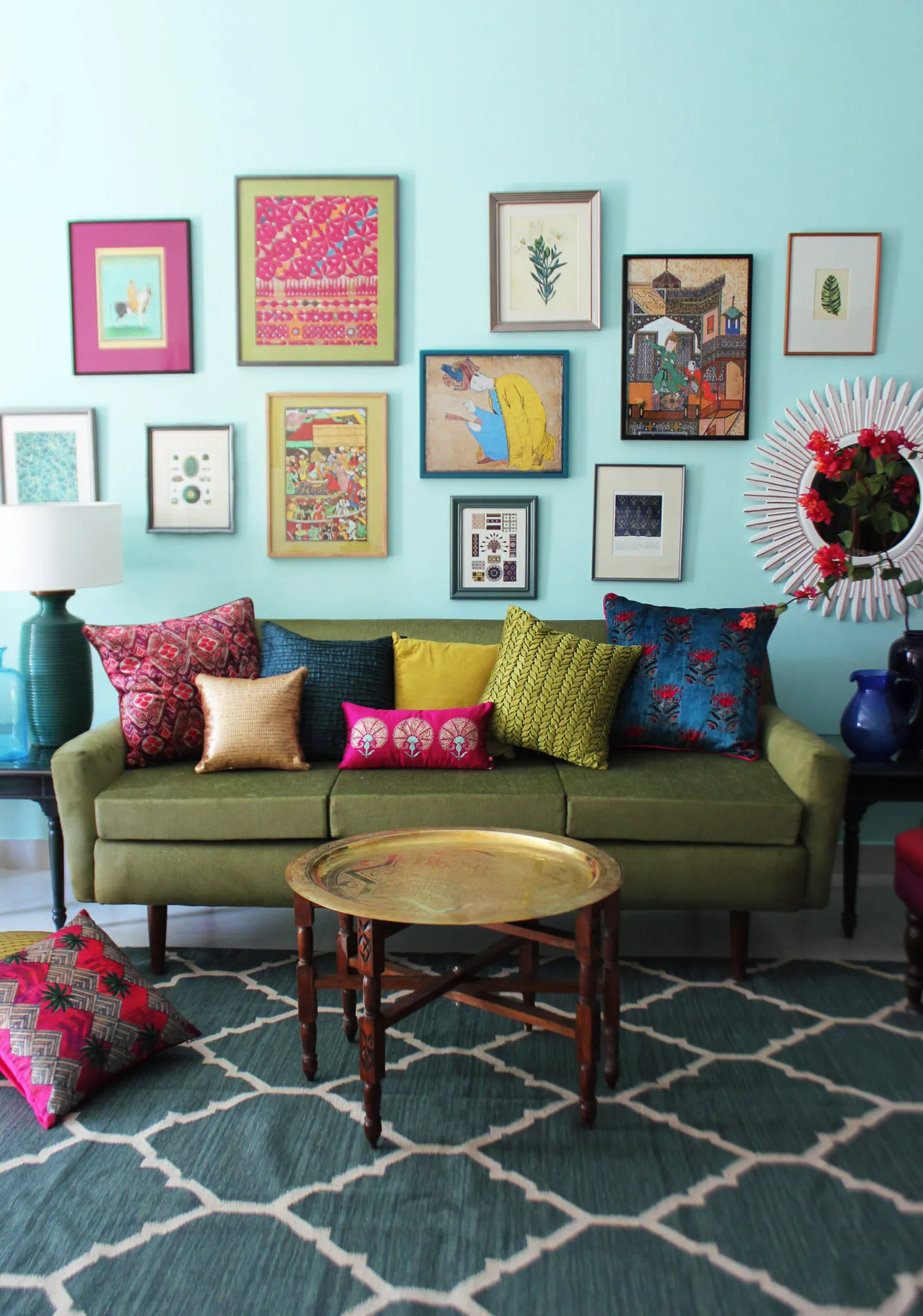
Living Room Ideas: Velvet Sofa
From classic red to trending green and blue, explore how a velvet sofa can transform your living room's character.
Read More →