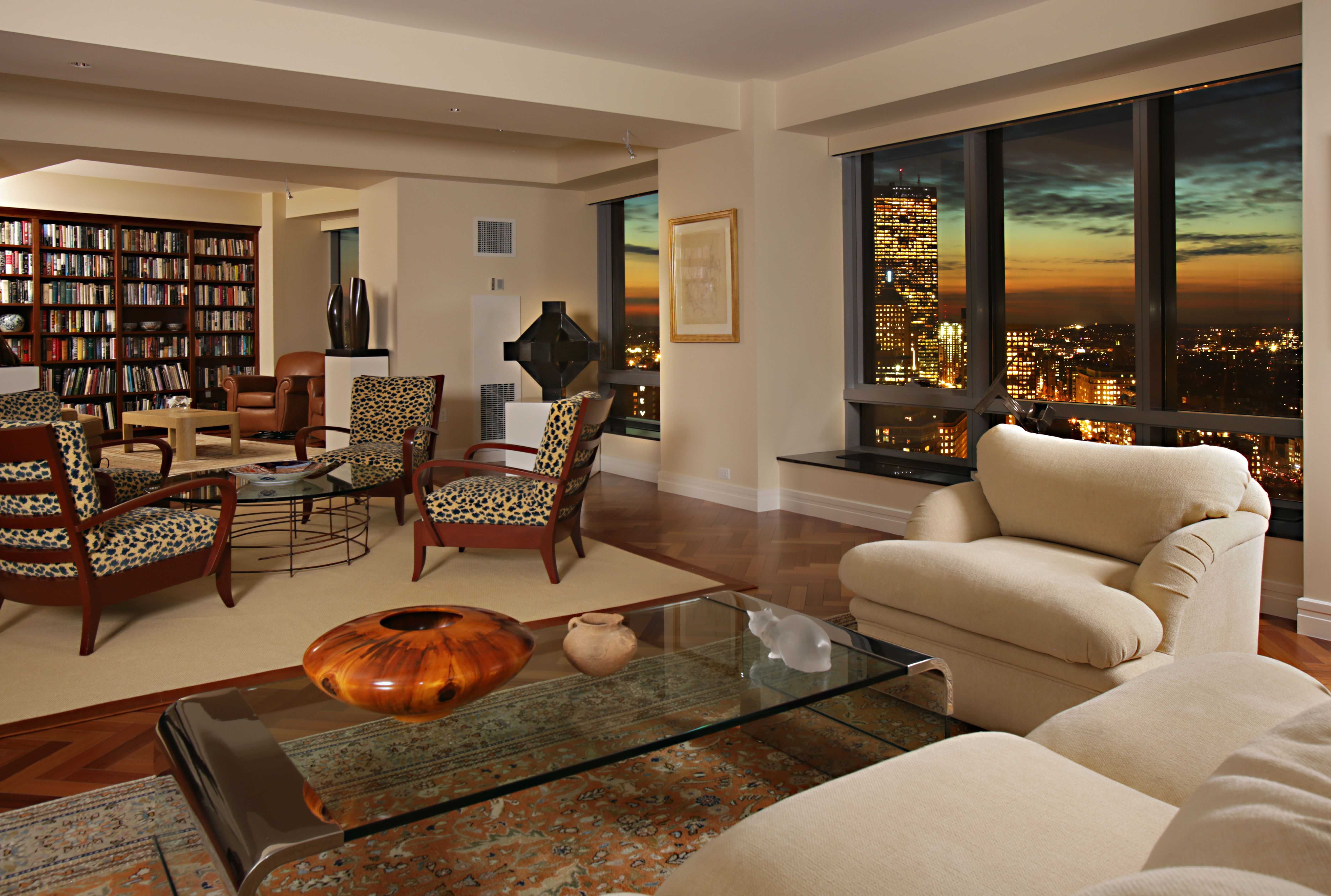
Living Room Design Ideas & Inspiration
Kumpulan Informasi, Tips dan Trik Terlengkap dan Terpercaya — explore curated ideas for sofas, storage, decor, and every style in between.
Explore Ideas →Get Design Inspiration
Tell us what you're looking for and we'll point you to the best articles.
How to make a tall indoor plant the focal point
To incorporate a tall indoor plant as a living room focal point, treat it as part of the room’s architecture rather than a last-minute decoration. A large fiddle leaf fig, kentia palm, rubber plant or bird of paradise can add height, soften hard furniture lines and give a neutral lounge room a sense of life.
The best result comes from matching the plant to the available light, ceiling height and daily routines of your home. In an Australian house or apartment, that may mean working with strong northern sun, a shaded Melbourne terrace, a breezy Brisbane room or the limited windows of a compact Sydney flat.
| Plant | Best position | Design effect | Care level |
|---|---|---|---|
| Kentia palm | Bright, filtered light | Relaxed coastal height | Low to moderate |
| Fiddle leaf fig | Bright indirect light | Sculptural and elegant | Moderate |
| Rubber plant | Medium to bright light | Bold, glossy foliage | Low to moderate |
| Bird of paradise | Warm, bright room | Tropical statement | Moderate |
| Dracaena | Medium, indirect light | Slim and architectural | Low |
Choose a plant with the right presence
The plant should be large enough to register from the entrance without overwhelming the seating area. In a room with standard Australian ceiling heights, a specimen around 1.5 to 2 metres tall usually creates impact while leaving visual breathing room above its leaves. Taller plants suit open-plan homes with raked ceilings or generous proportions.
Leaf shape also changes the mood. A fiddle leaf fig feels refined and sculptural, while a kentia palm brings a softer resort character that works beautifully with linen sofas and timber furniture. A rubber plant has strong, polished leaves that complement contemporary interiors, especially when the palette includes charcoal, tan or warm white.
Work with the room’s natural light
Observe the light at different times before choosing the final position. A plant beside a north-facing window may receive intense Australian afternoon sun, particularly in Brisbane, Perth or Adelaide, so sheer curtains can prevent leaf scorch. Bright indirect light is generally safer than placing foliage directly against hot glass.
Rooms in Melbourne or Hobart may need a position closer to the window during darker winter months. Rotate the pot every week or two so growth stays even, and avoid placing the plant directly under a heating vent or beside a reverse-cycle air conditioner. Sudden temperature changes can cause dropped leaves and dry soil.
Use scale to anchor the seating area
A tall plant works best when it balances a substantial object, such as a sofa, media unit, fireplace or reading chair. Place it at the outer edge of the seating arrangement rather than in the middle of a walkway. This creates a natural frame around the lounge without making the room feel crowded.
In a smaller Sydney or Melbourne apartment, use a narrow plant with an upright silhouette instead of a wide palm. A corner near the balcony door can provide enough presence without reducing circulation. Keep at least a clear walking path around the pot, especially in homes where the living room connects directly to the kitchen or dining area.
Select a pot that supports the style
The container should feel intentional because it will be visible from several angles. A textured terracotta pot suits relaxed coastal and Mediterranean interiors, while a matte white, black or stone-coloured planter looks considered in a minimalist room. For Hamptons-inspired homes, a pale ceramic planter can echo white joinery and soft blue accents.
Check the proportions before buying. A very small pot beneath a tall plant looks unstable, while an oversized container can compete with the sofa. Choose a stable, heavy planter or use an inner nursery pot inside a decorative cover. A waterproof saucer or concealed drip tray is essential for timber floors, engineered boards and rental properties.
Build a layered focal point
A plant becomes more integrated when it is supported by a few nearby materials and shapes. Pair it with a woven basket, a timber side table, a floor lamp or artwork that repeats one of its colours. Keep the surrounding styling restrained so the foliage remains the strongest feature.
Lighting can extend the plant’s impact after sunset. A warm floor lamp placed behind or beside the leaves creates delicate shadows and gives the corner depth. Avoid aiming a harsh spotlight directly at the foliage, as this can make the room feel theatrical rather than comfortable. In open-plan spaces, the plant can also help visually separate the lounge from a dining zone.
Make care part of the design
The healthiest feature plant is one that fits your routine. Test the soil with a finger before watering rather than following a rigid calendar, since indoor moisture changes with the season and air conditioning. Wipe broad leaves occasionally to remove dust and help them absorb available light.
Bunnings and independent nurseries across Australia stock a wide range of indoor plants, pots and moisture meters, but size and condition can vary between stores. Look for firm stems, evenly coloured leaves and roots that are not tightly circling the pot. Quarantine a new plant briefly if you already have a collection, then check for scale, mites or fungus gnats.
Pets and children also influence placement. Some popular species can irritate cats or dogs if chewed, and a lightweight pot may tip when brushed by a toddler. Secure very tall plants where needed, keep them away from curious pets, and choose a non-toxic alternative when safety is a concern.
Give the corner a personal finish
A living room focal point should connect with the rest of the home rather than appear as an isolated green object. Repeat the planter’s finish in a lamp base, coffee table or picture frame, and echo the plant’s natural tones with cushions in olive, sand or muted terracotta. This approach is especially effective in neutral Australian interiors that rely on texture for warmth.
If your room already has bold artwork or a patterned rug, select a plant with simpler foliage. If the furniture is clean-lined and understated, a dramatic bird of paradise or split-leaf philodendron can supply the movement the space lacks. Reassess the arrangement as the plant grows; pruning, rotating or moving it a few centimetres can preserve the intended balance.
A carefully chosen large plant can transform an empty corner into the visual centre of a lounge room while improving the sense of softness and scale. Start by measuring the space, tracking its light and selecting a container that suits your flooring and furniture. For tailored decorating guidance or help shaping the wider room scheme, contact the Sibabeh team and turn the idea into a confident living room plan.
What We Cover
Living Room Topics & Ideas
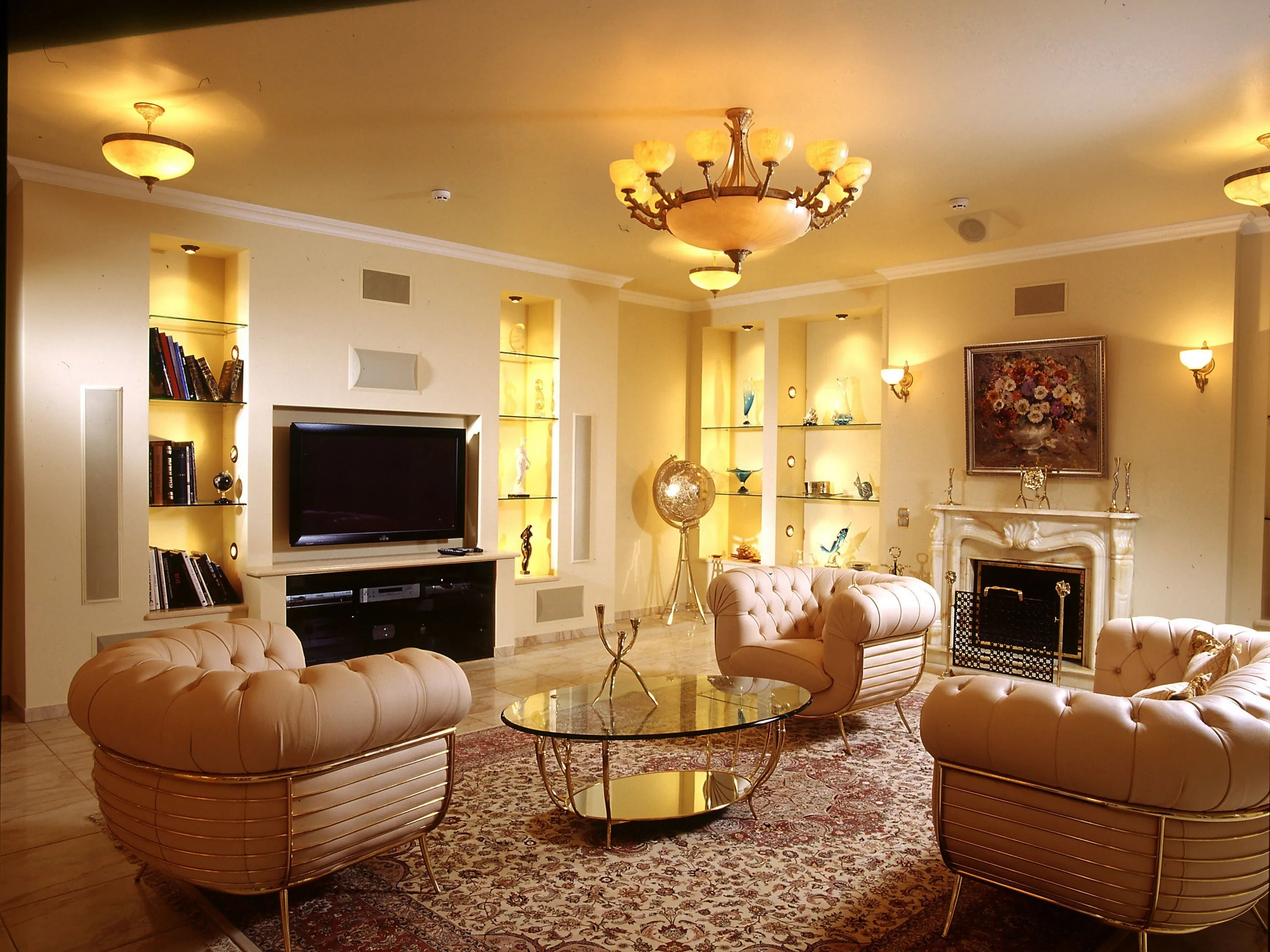
Luxury Living Room Furniture
High-end pieces spanning modern, neo-classical, and Italian Gothic styles — craftsmanship, leathers, and refined artistry.
Read More →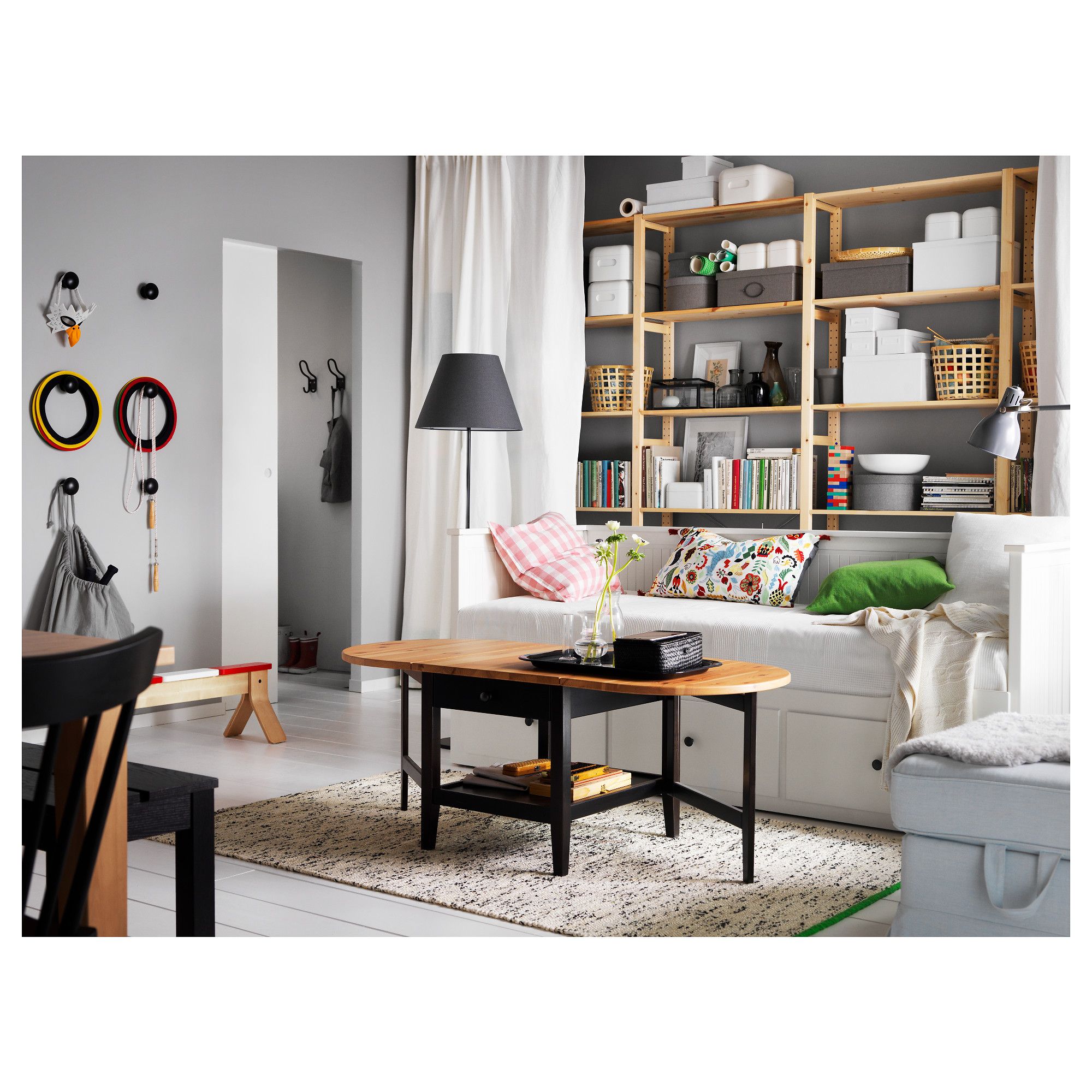
White Living Room Storage Cabinets
Sideboards, curio cabinets, and high-gloss storage units that blend practical organization with decorative appeal.
Read More →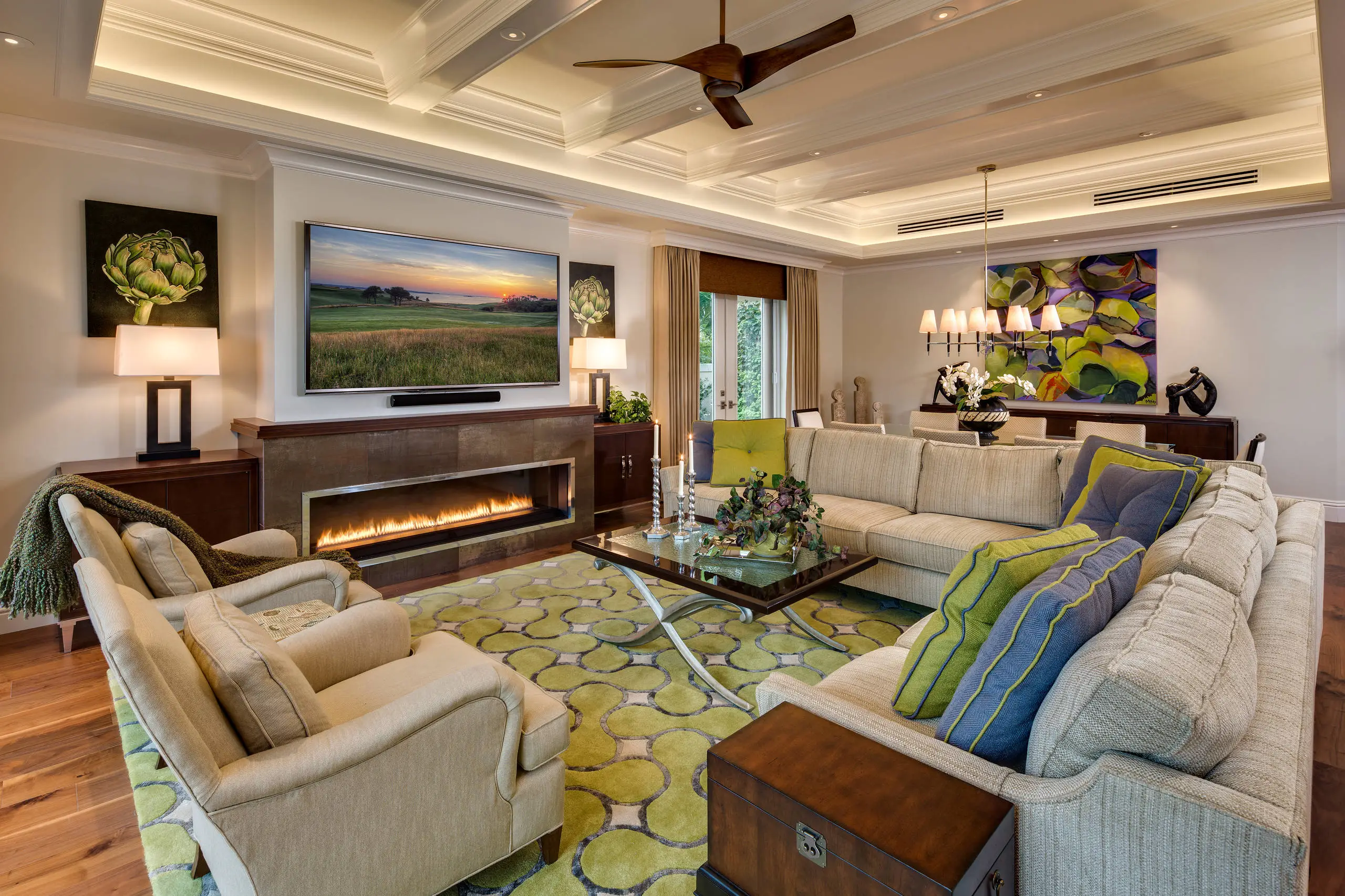
Living Room Decor Essentials
Rugs, pillows, art, lamps, and accent pieces that add layers of color, texture, and personality to any living space.
Read More →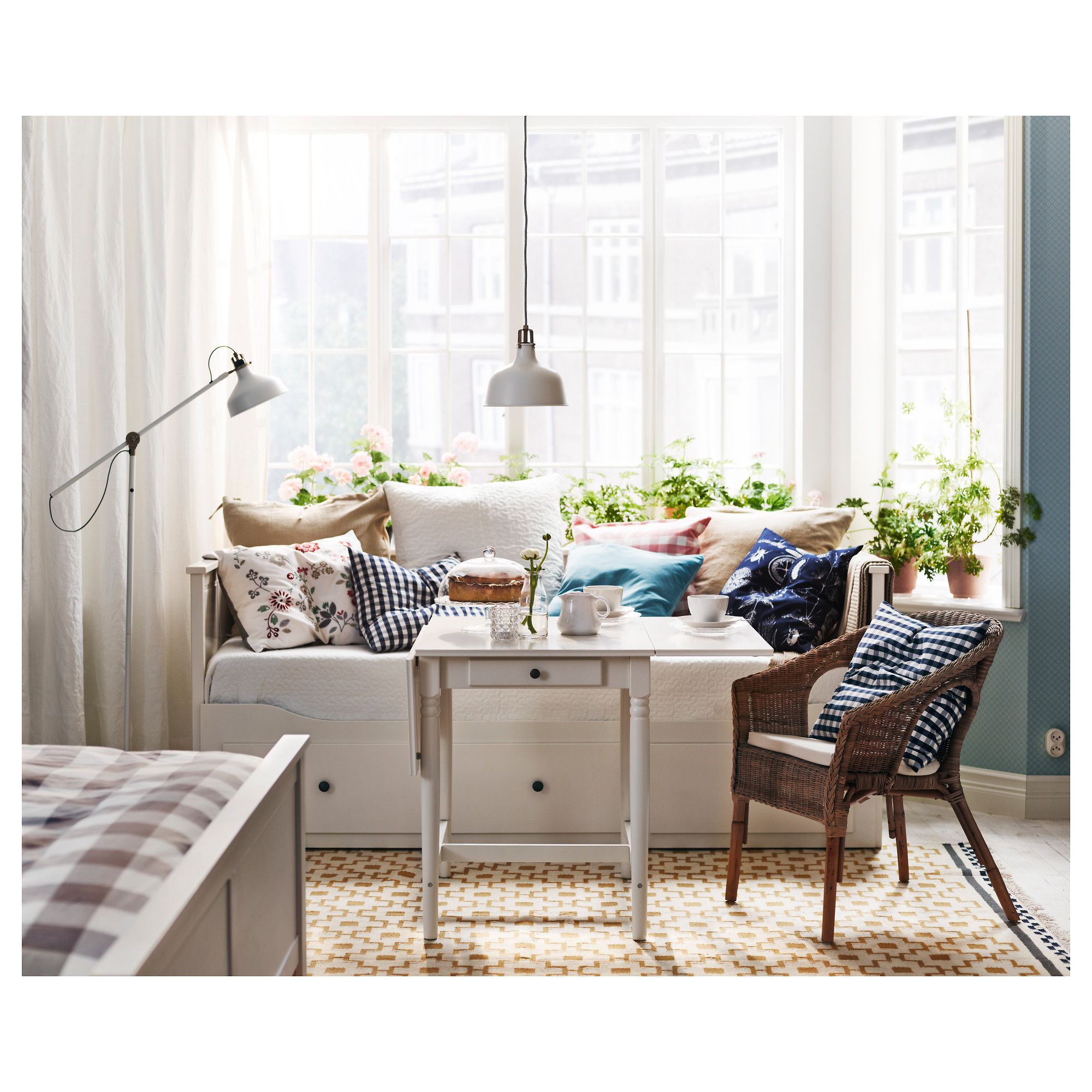
Natural Living Room Decor
Earthy elements, house plants, rustic touches, and organic materials that bring warmth and nature indoors.
Read More →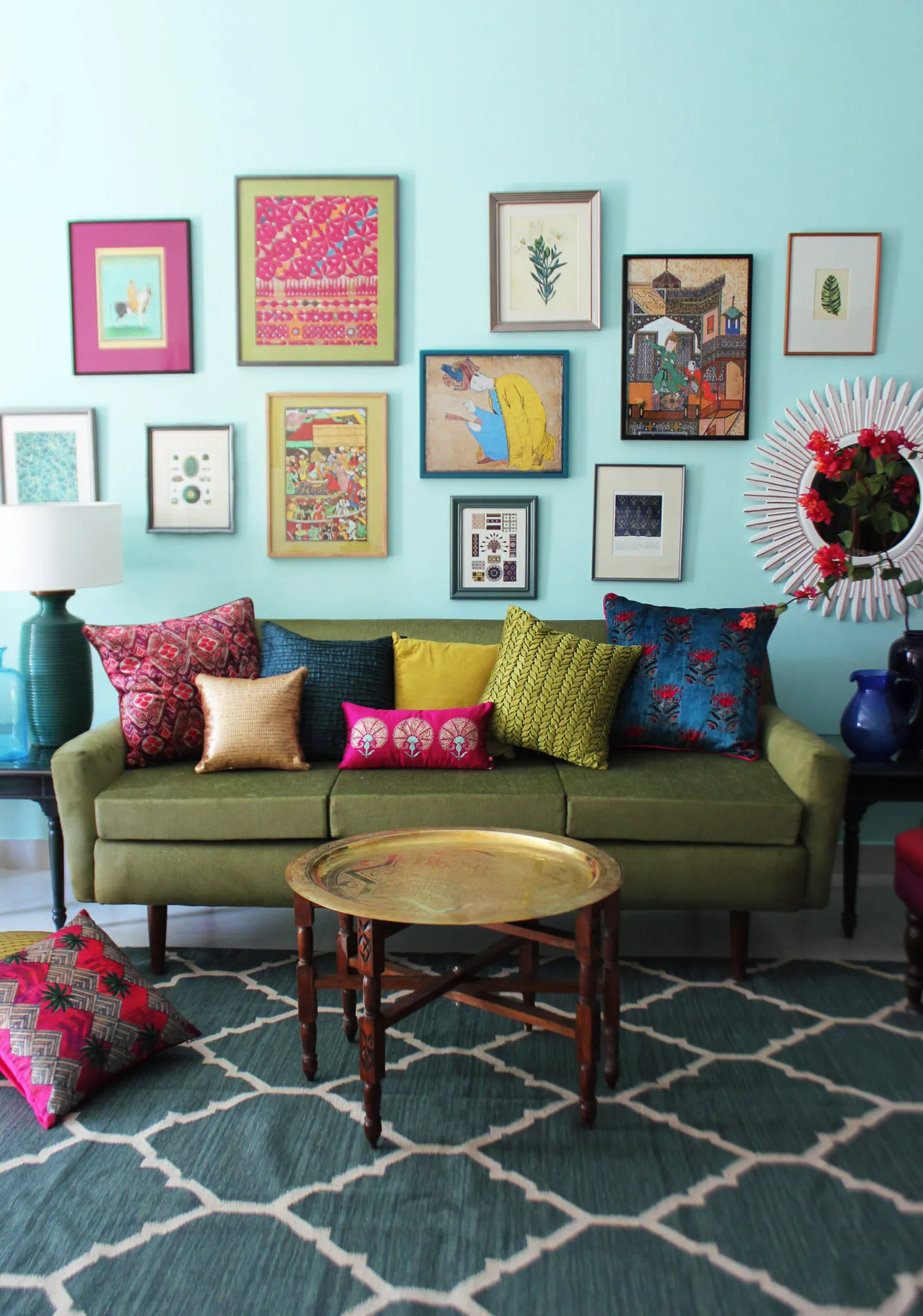
Living Room Ideas: Velvet Sofa
From classic red to trending green and blue, explore how a velvet sofa can transform your living room's character.
Read More →