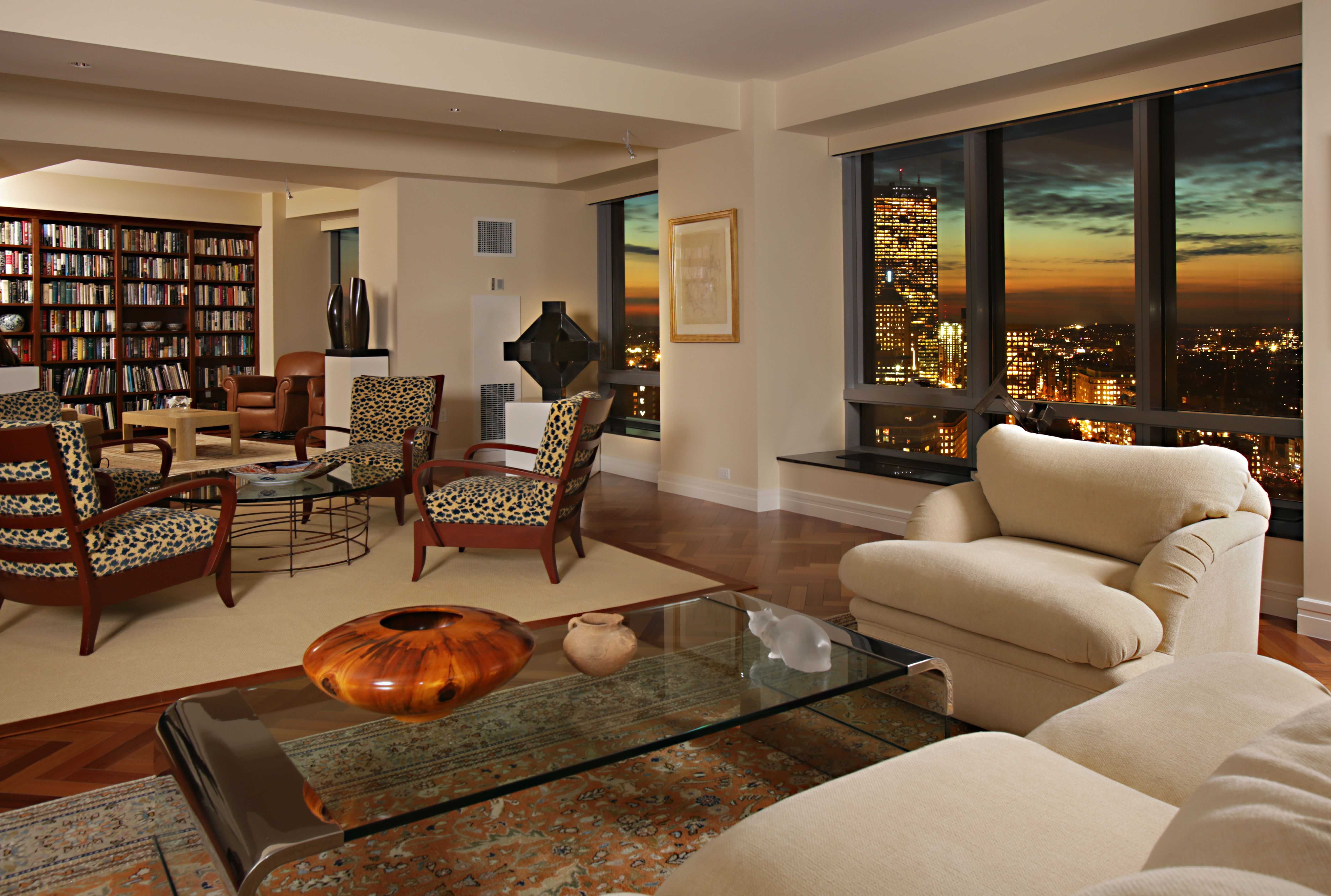
Living Room Design Ideas & Inspiration
Kumpulan Informasi, Tips dan Trik Terlengkap dan Terpercaya — explore curated ideas for sofas, storage, decor, and every style in between.
Explore Ideas →Get Design Inspiration
Tell us what you're looking for and we'll point you to the best articles.
Picture Lights for Art Above the Sofa: A Practical Buying Guide
Artwork hung above a sofa anchors a living room, but without the right illumination it often fades into the background. A thoughtfully chosen picture light can draw the eye, intensify colour, and turn a simple canvas into a true focal point above the seating.
In Australian homes, where abundant natural light pours through large windows and sliding doors, balancing daylight with a focused artificial source helps artwork hold its presence after sundown. Choosing the right fixture involves more than picking a pretty shade, so it helps to understand the options before you commit to a style.
What a Picture Light Actually Does
Picture lights differ from track lights, downlights, or table lamps in one key way: they project a controlled, often angled wash of light directly onto the framed piece. The classic design features a narrow horizontal bar with one or more small lamp heads shielded by a metal shade, mounted so the light grazes the surface without producing harsh glare.
Their purpose is twofold. They highlight the texture of brushstrokes or the depth of a photograph, and they add a layer of ambient warmth to the wall behind the sofa. In open-plan Australian living areas, where the lounge often flows into the kitchen or dining zone, that extra layer of accent lighting helps the seating zone feel defined and intimate.
For framed works on paper or canvas, a low-wattage source is ideal, as it brings out subtle tonal shifts without fading pigments over time. This matters especially in sun-drenched Brisbane or Perth interiors where ambient UV is already high.
Sizing and Proportion
The width of a picture light should sit roughly between half and two-thirds the width of the artwork it illuminates. A fixture that is too narrow looks lost against a large frame, while one that is too wide overwhelms a smaller piece and spills light onto the surrounding wall.
Measure across the frame, not just the canvas, so the bracket arms align with the outer edges or the wall around the piece. For a standard sofa-back arrangement, the centre of the artwork usually hangs 15 to 20 centimetres above the top of the sofa, which gives the light bar enough clearance to wash evenly downward.
If you have a large statement piece, consider two smaller picture lights mounted side by side rather than one oversized bar. This produces a more even spread and avoids a hot spot in the middle, particularly valuable when the artwork includes reflective glass.
Style, Finish, and Coordination
Picture lights are available in finishes ranging from polished brass and antique bronze to matte black, brushed nickel, and crisp white. In contemporary Australian interiors, matte black and brushed brass tend to read well against neutral walls and timber joinery, while classic federation or Hamptons-style homes often suit polished chrome or aged brass.
Match the metal finish to other hardware in the room, such as tapware, door handles, lamp bases, or the legs of nearby furniture. Repetition of finish is what makes a scheme feel considered rather than busy. If your sofa is upholstered in a soft neutral fabric like the ainsley fabric sofa collection, a slim brass picture light can echo the warm undertone and tie the wall art back to the seating.
The shade profile also matters. A short, straight bar suits modern minimalism, while a curved or stepped shade echoes heritage detailing and works beautifully above a traditional framed print.
Power, Wiring, and Australian Standards
Australian homes run on 230 to 240 volts, which is standard for most picture lights sold through local retailers. The two main options are hardwired fixtures, which connect to your existing lighting circuit, and plug-in models that simply attach to a nearby power point.
Hardwired installations look the cleanest, with no visible cord, and are usually controlled by a wall switch. They do require an electrician, particularly if you are running a new cable from a ceiling rose or junction box. In established Sydney or Melbourne homes with brick or double-brick walls, chasing a conduit may involve additional cost, which is why many renters and apartment dwellers choose the plug-in alternative.
Plug-in picture lights sit on a small wall-mounted bracket and trail a slim fabric-wrapped cord down to the nearest GPO. To keep things tidy, run the cord behind the sofa or along the skirting, or paint a clear cord in the wall colour for a near-invisible result. Major Australian stockists such as Beacon Lighting, Temple & Webster, and Freedom all carry plug-in versions with in-line switches.
| Type | Power Source | Best For | Pros | Cons |
|---|---|---|---|---|
| Hardwired LED | Mains 240V via electrician | Renovations and new builds | Cleanest finish, wall-switch control | Higher install cost |
| Plug-in LED | Standard GPO | Renters and apartments | Easy DIY, portable between homes | Visible cord unless hidden |
| Battery or rechargeable | USB charge | Small prints, no nearby power | No wiring at all | Needs regular charging |
| Halogen | Mains or plug-in | Heritage interiors, warm tone | Rich colour rendering | Runs hot, higher energy use |
Mounting Position and Beam Angle
The classic position is centred above the frame, with the light bar roughly 7 to 15 centimetres above the top edge. This places the shade just out of the viewer's line of sight when seated, while still casting a soft pool of light across the image.
If the artwork is taller than 80 centimetres, consider mounting the bar closer to the upper third of the frame, where it will wash more evenly down the canvas. For very wide pieces, two short bars spaced apart will distribute light more uniformly than a single central fixture.
Aim the beam at a 30-degree angle so the light rakes across the surface and reveals texture rather than flattening it. Most adjustable heads can be tilted up or down by a few degrees once installed, so do a final tweak in the evening when you can see the full effect.
Choosing the right picture light is a small detail that pays back every evening. Once installed, it pulls your favourite artwork into focus, softens the wall behind the sofa, and gives the whole seating zone a finished, gallery-like quality. Pair it with a comfortable, well-proportioned sofa in a soft, neutral fabric, and the whole arrangement feels curated without trying too hard. Start by measuring your wall and your frame, then choose a finish that ties back to your existing hardware for a seamless result.
What We Cover
Living Room Topics & Ideas
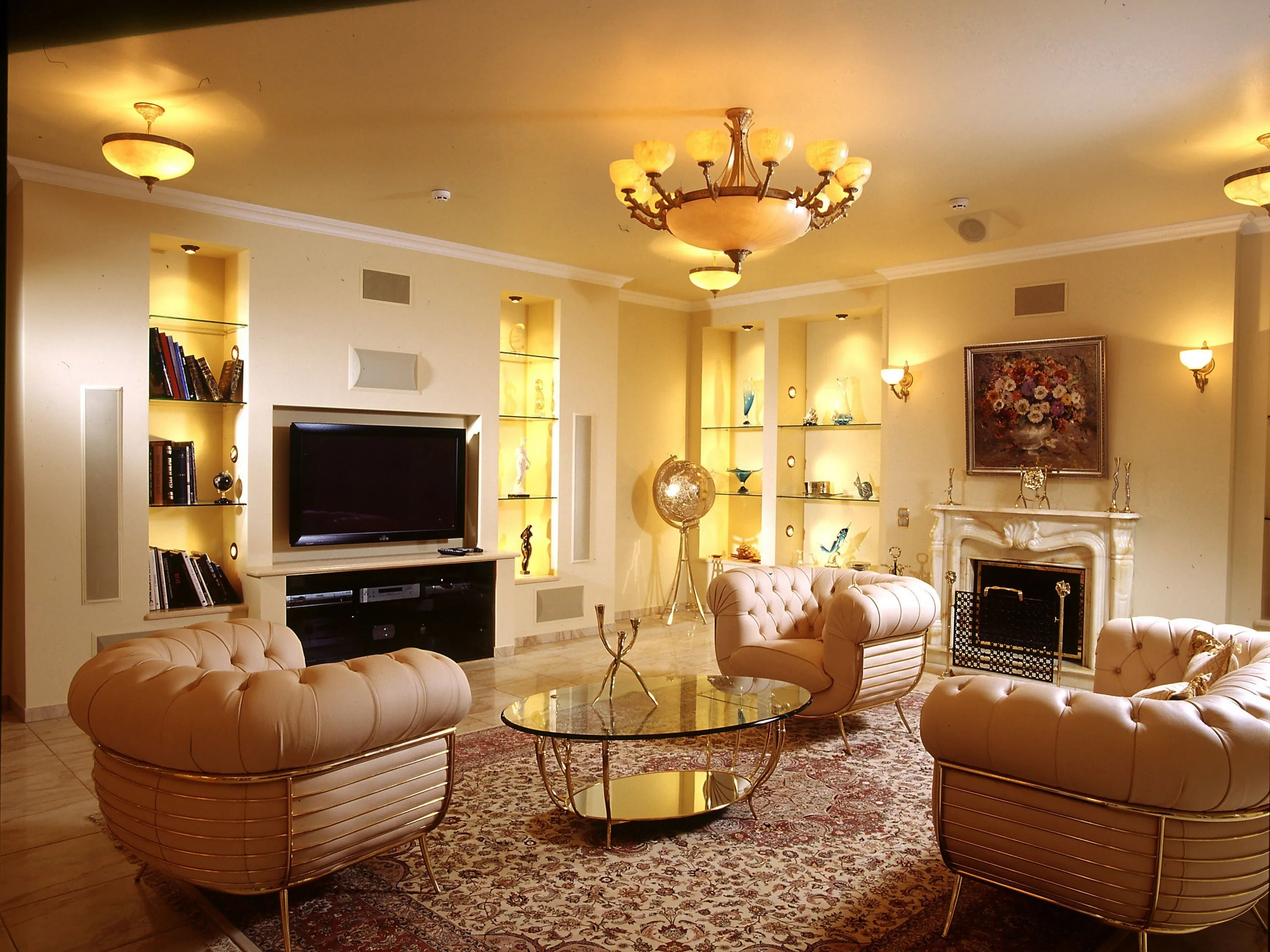
Luxury Living Room Furniture
High-end pieces spanning modern, neo-classical, and Italian Gothic styles — craftsmanship, leathers, and refined artistry.
Read More →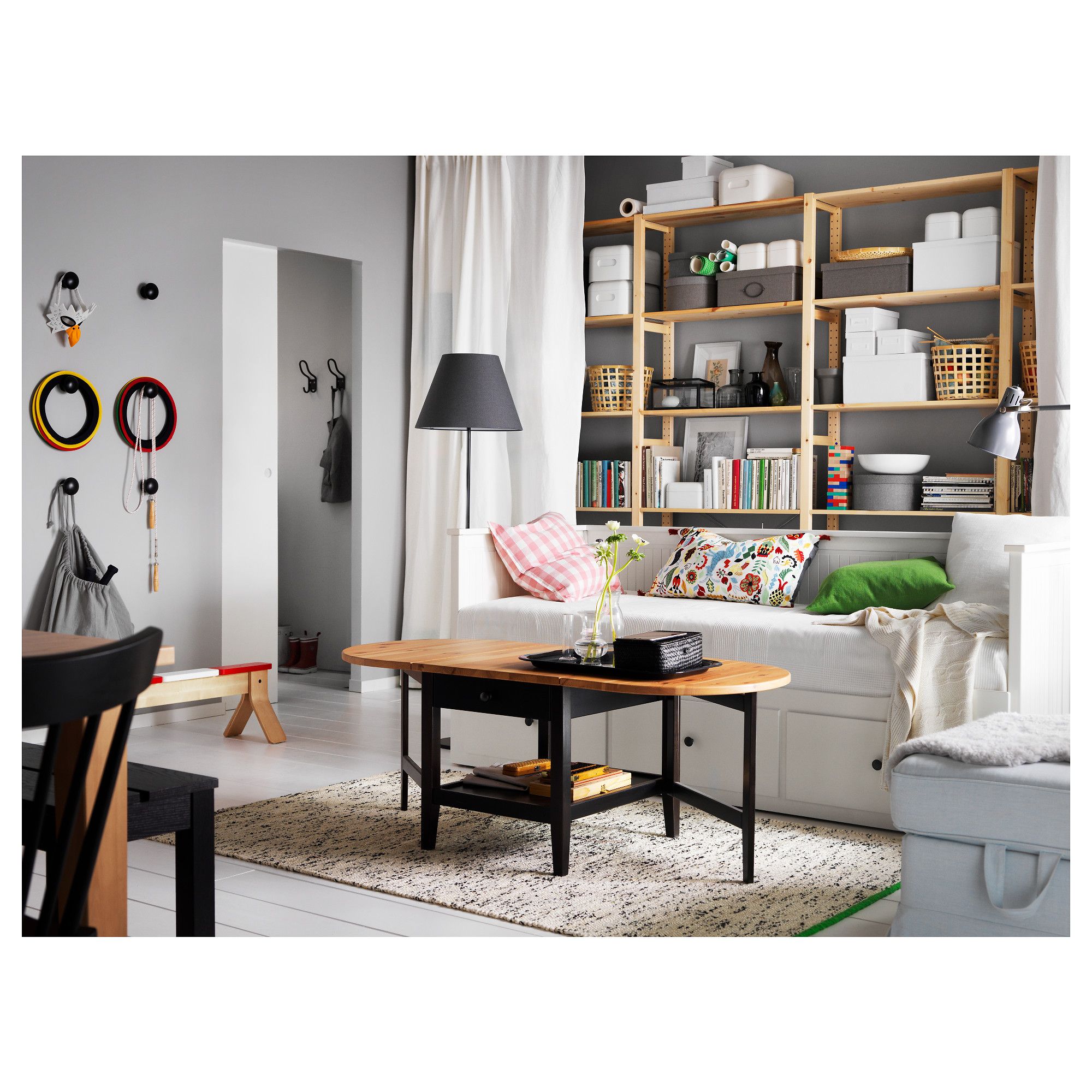
White Living Room Storage Cabinets
Sideboards, curio cabinets, and high-gloss storage units that blend practical organization with decorative appeal.
Read More →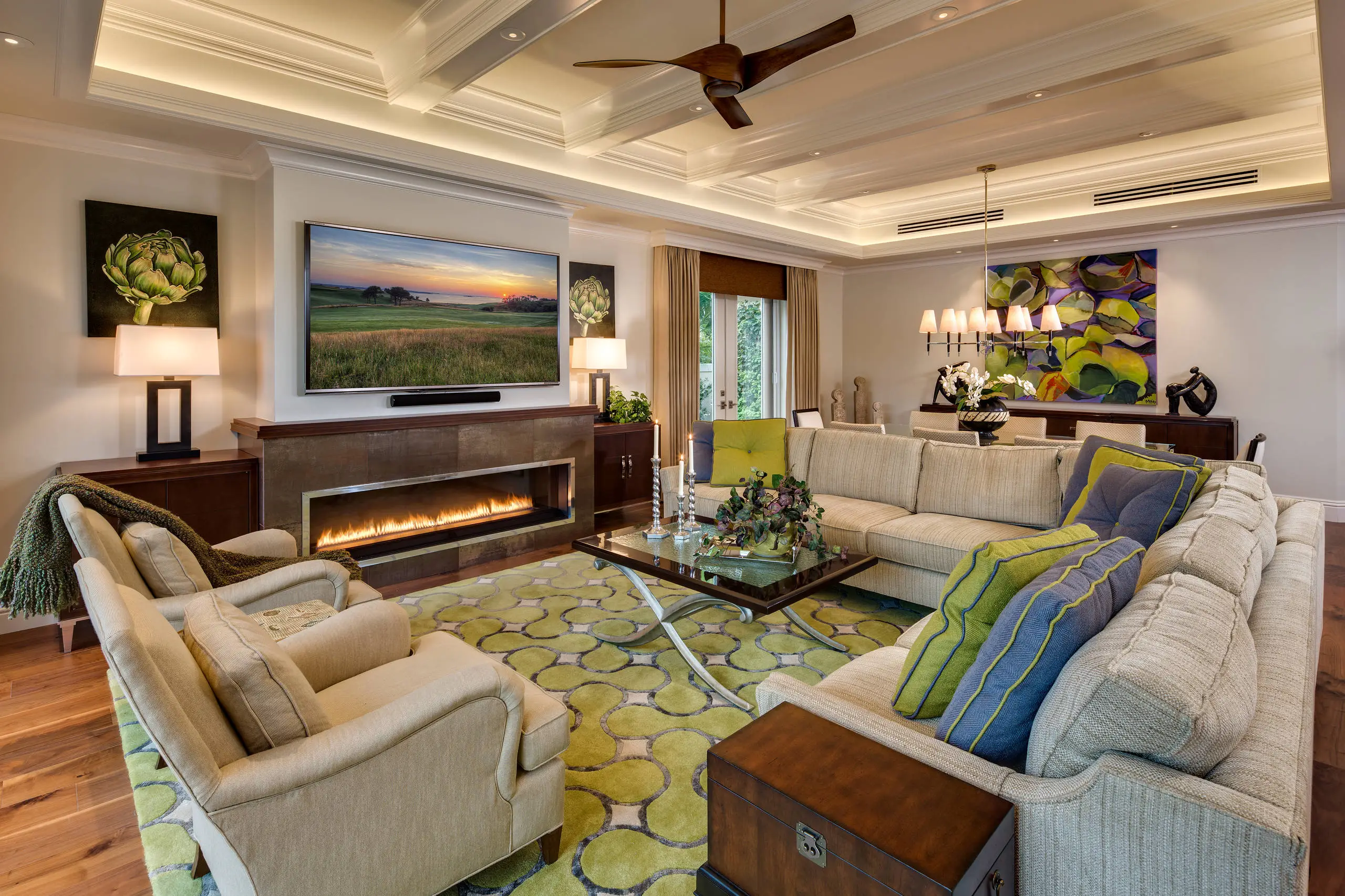
Living Room Decor Essentials
Rugs, pillows, art, lamps, and accent pieces that add layers of color, texture, and personality to any living space.
Read More →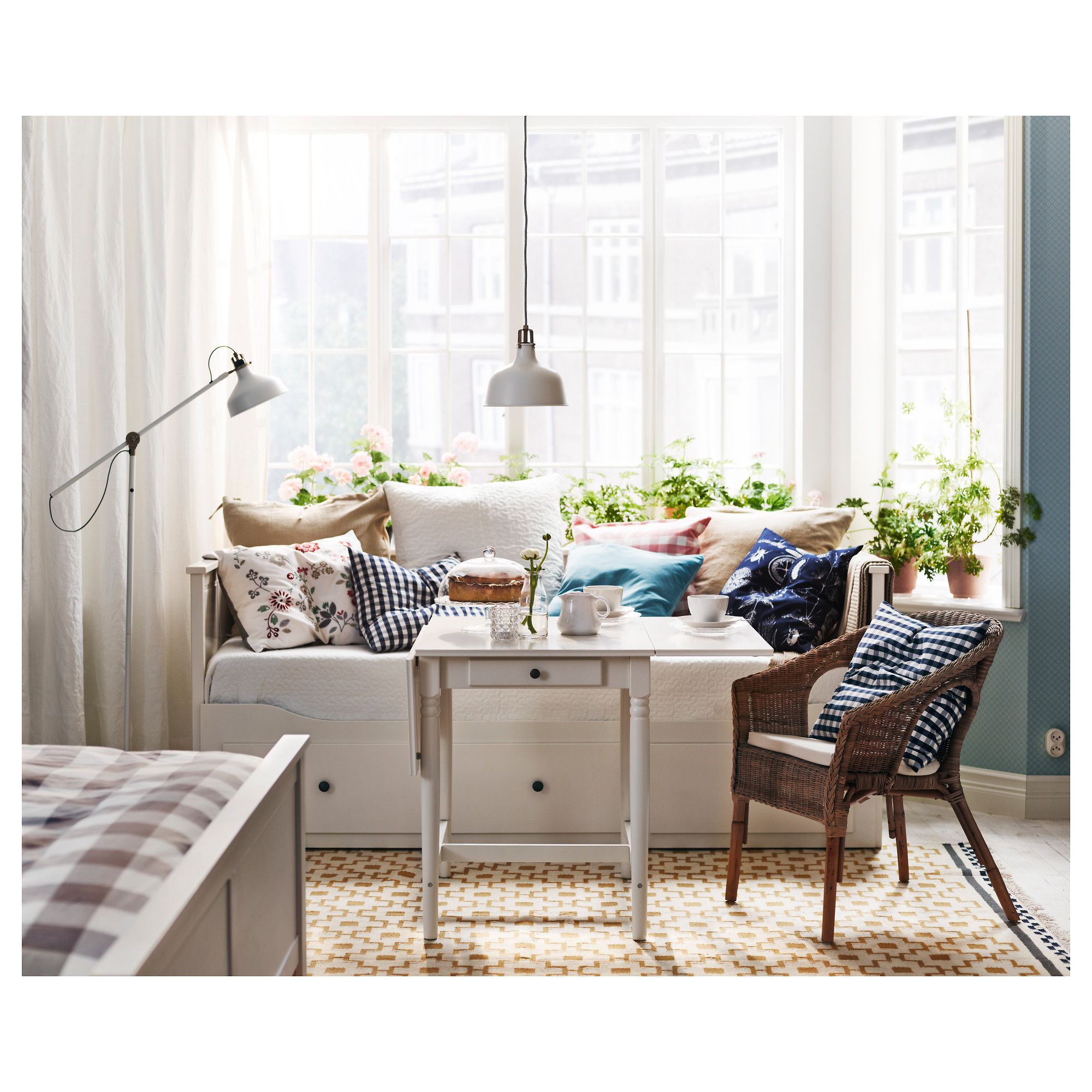
Natural Living Room Decor
Earthy elements, house plants, rustic touches, and organic materials that bring warmth and nature indoors.
Read More →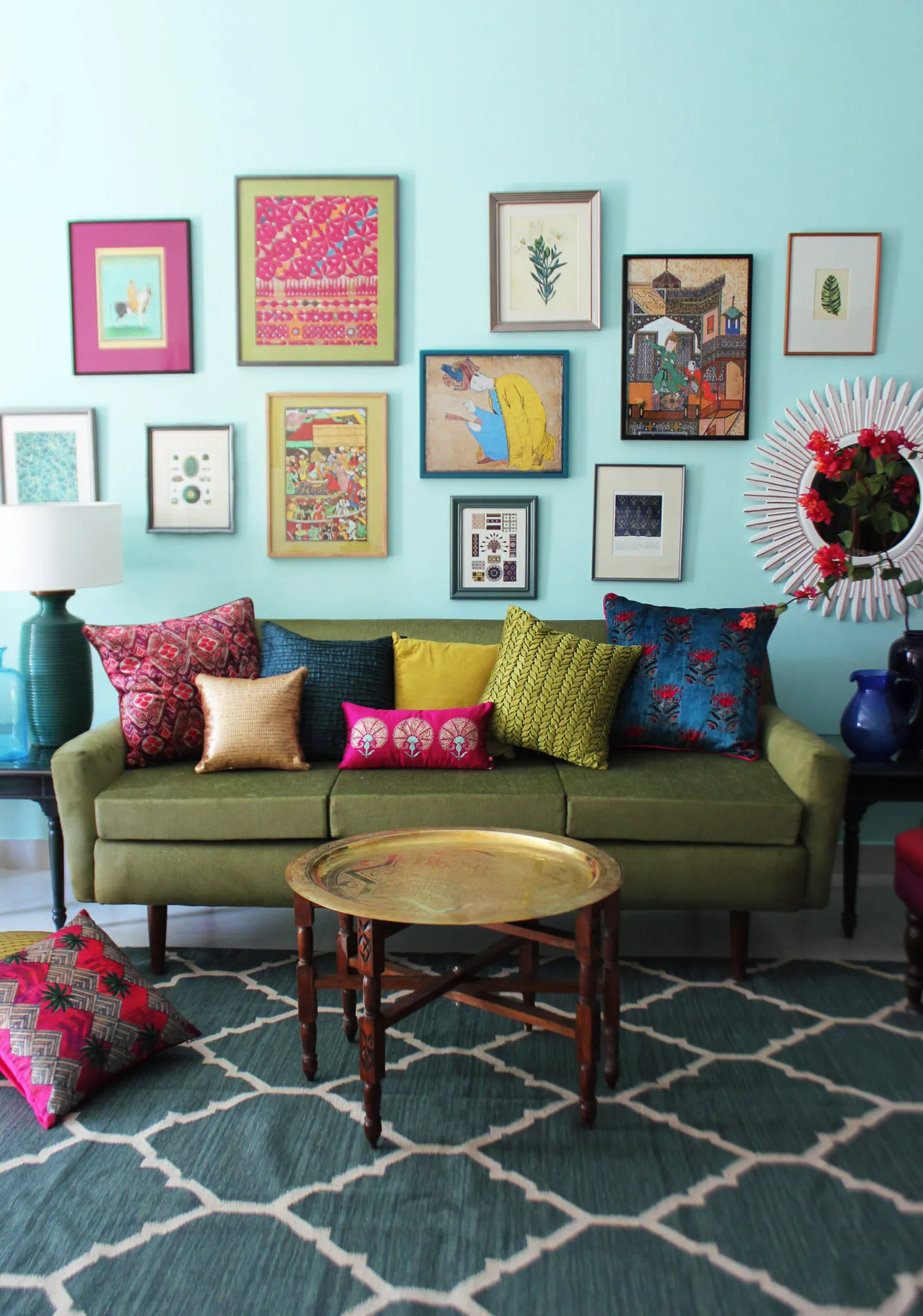
Living Room Ideas: Velvet Sofa
From classic red to trending green and blue, explore how a velvet sofa can transform your living room's character.
Read More →