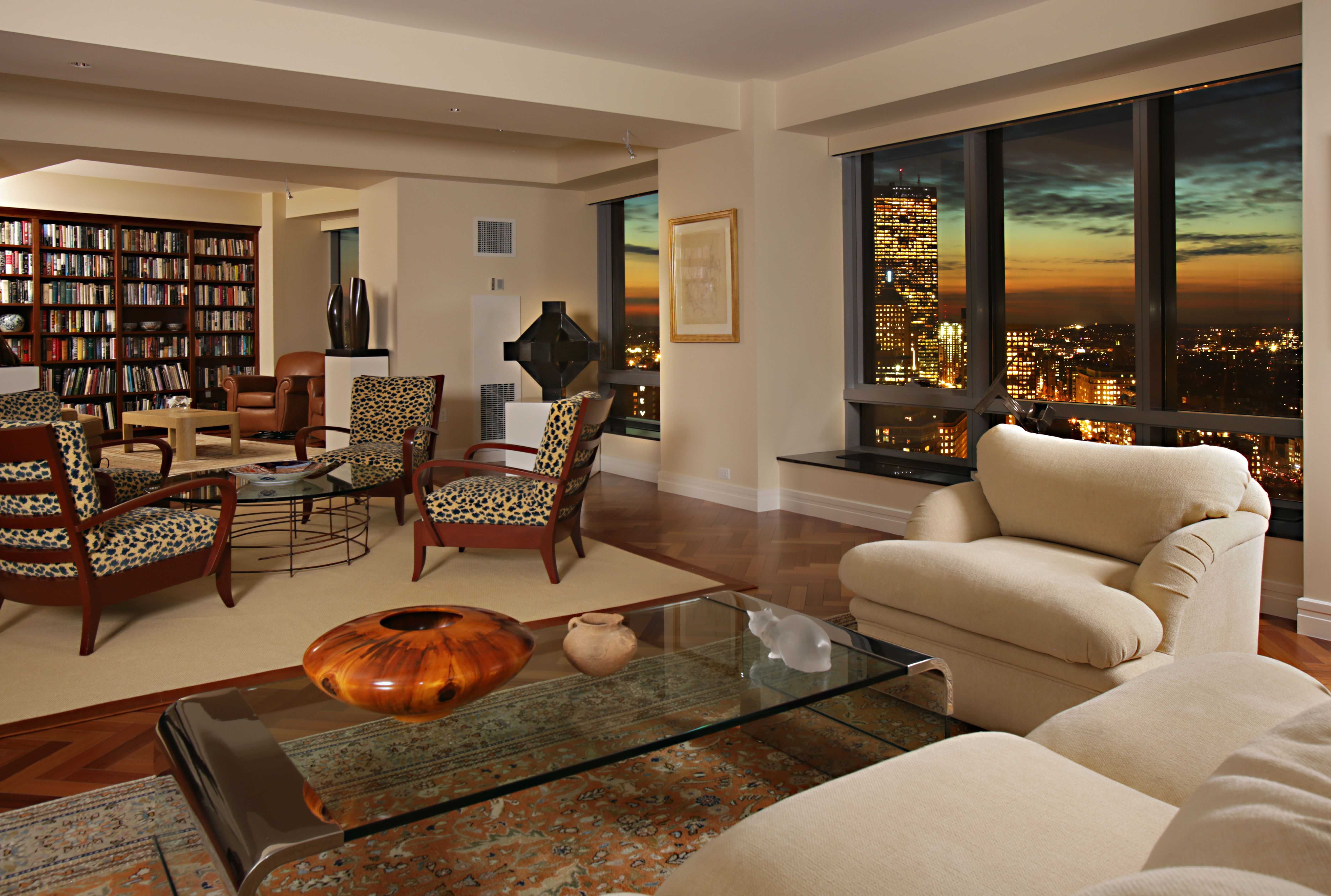
Living Room Design Ideas & Inspiration
Kumpulan Informasi, Tips dan Trik Terlengkap dan Terpercaya — explore curated ideas for sofas, storage, decor, and every style in between.
Explore Ideas →Get Design Inspiration
Tell us what you're looking for and we'll point you to the best articles.
Arranging artwork above a sofa when the ceiling feels too close
The space above a sofa is prime real estate for personality, but when the ceiling sits unusually low, the wrong artwork arrangement can make the whole room feel cramped. Australian homes, particularly in inner-city apartments and heritage terraces, often come with ceilings under 2.4 metres, leaving little room for dramatic displays. Choosing the right size, frame, and layout can transform that awkward gap into a focal point rather than a squeeze point.
In cities like Sydney and Melbourne, converted warehouses and Victorian-era terraces often feature ceiling heights that vary from room to room. A Surry Hills apartment might have 2.3-metre ceilings in the living area, while a Carlton terrace in Melbourne could dip even lower behind ornate cornices. Brisbane's post-war homes and Perth's newer apartments present similar constraints, which means creative art placement is a skill worth mastering.
What follows is a practical guide to hanging, leaning, and styling artwork above a sofa in a room where the ceiling pulls the eye downward. From measuring proportions to choosing renter-friendly fixes, these ideas respect the architecture without sacrificing visual punch.
Measuring the space and sofa proportions
Before picking up a hammer, grab a tape measure. The first rule of hanging art above a sofa is that the combined width of the artwork or grouping should sit between two-thirds and three-quarters of the sofa's length. A 2.2-metre sofa, common in Australian living rooms, needs art that spans roughly 1.5 to 1.7 metres across. Anything narrower feels like a lonely postage stamp; anything wider crowds the surrounding wall.
Vertical clearance matters just as much. Aim for 15 to 20 centimetres between the top of the sofa back and the bottom of the artwork. With a low ceiling, every centimetre counts, so resist the urge to push art right up to the cornice. A small breathing gap keeps the wall from feeling cluttered and lets the artwork breathe. Many Sydneysiders and Melburnians working with 2.3-metre ceilings find this gap is the difference between a stylish display and a stuffy one.
Choosing frames and art that work vertically
In a low-ceiling room, horizontal artworks can emphasise the squat feeling of the space. Tall, vertical pieces, or grouped arrangements that create an upward pull, help the eye travel. Slim profile frames in natural timber, matte black, or brushed brass are popular at Australian retailers like Harvey Norman and through local makers found at Finders Keepers markets. Avoid chunky ornate frames that eat wall space and lower the perceived ceiling line.
Artwork subject matter also plays a role. Pieces with vertical lines, abstracted trees, or figures looking upward subtly lift the gaze. Coastal scenes, a recurring favourite in homes from Byron Bay to Fremantle, can ground a room, so pair them with a couple of upward-leading accents like arched mirrors or narrow ledges with small objects. If you love a wide landscape canvas, offset it with a tall floor lamp or a narrow shelf above the sofa to balance the composition.
| Layout style | Best sofa width | Ideal gap below art | Visual impact on low ceilings |
|---|---|---|---|
| Single large piece | 1.8 to 2.4 m | 15 to 20 cm | Clean and uncluttered, demands careful sizing |
| Stacked vertical pair | Any width | 10 to 15 cm between pieces | Draws the eye upward, ideal for short walls |
| Tight gallery grid | 1.8 m or wider | 15 cm | Creates order, can feel busy in tight spaces |
| Lean-and-layer on console | 1.6 to 2.2 m | Resting on surface | Casual, no drilling, perfect for renters |
Composition strategies that lift the eye
Where art sits in relation to other objects changes how a low ceiling feels. Centring the artwork slightly above the sofa back rather than dead-centre on the wall keeps the composition grounded. A piece hung at 145 to 155 centimetres from the floor, measured to the centre, usually aligns with eye level for most Australian adults, which is the standard rule of thumb taught in interior styling courses across Brisbane and Adelaide.
Gallery walls, while popular on lifestyle feeds, need restraint in compact rooms. Stick to an odd number of pieces, three or five, arranged in a tight rectangular grid rather than sprawling across the wall. A tight grid keeps the visual mass compact and prevents the display from competing with the ceiling line. For very low ceilings, a single bold piece flanked by two slim wall sconces can replace a multi-piece gallery entirely, freeing up vertical space.
Lighting, mirrors, and other visual lifts
Lighting is the secret weapon for low-ceiling rooms. Picture lights or slim wall-mounted spots pointed upward create the illusion of height by casting soft glows along the upper wall. Australian homes with heritage features often have wall outlets at inconvenient spots, so battery-operated picture lights from brands like Domus or Beacon Lighting are practical alternatives that avoid running cables across cornices.
Mirrors are equally powerful in compact Australian living rooms, where natural light is precious. Placing a tall, narrow mirror on the opposite wall reflects both the artwork and the ceiling, doubling the perceived height. For darker interiors, this using a large floor mirror to brighten a dark room approach works wonders, bouncing light from a window back across the sofa arrangement.
Renter-friendly and heritage-smart solutions
Aussies move house more often than many other nationalities, with rental contracts in Sydney, Melbourne, and Brisbane averaging two to three years. Drilling dozens of holes into walls often isn't allowed under standard tenancy agreements, and apartments in heritage-listed buildings may have stricter rules through local council regulations. Fortunately, you can still curate a polished wall display without putting security deposits at risk.
Adhesive picture hooks rated for the artwork's weight, removable wall strips, and freestanding easel-style displays all leave walls intact. Leaning a tall framed print against the wall on a slim console behind the sofa creates the same vertical lift without any fixings. For those in Victorian terraces in Melbourne's inner suburbs or workers' cottages in Perth, where the original plaster is fragile, these non-invasive methods also protect delicate surfaces.
If you are keen to eventually own the wall, check with your landlord or body corporate before drilling. Most Australian states require written permission for modifications, and many landlords are happy to approve small picture hooks if you patch the holes upon moving out. A quick conversation now saves a bond dispute later.
Ready to refresh your living room without raising the ceiling? Browse Sibabeh's collection of living room inspiration guides, sofa styling tips, and Australian-friendly decorating advice to start planning your next room update today.
What We Cover
Living Room Topics & Ideas
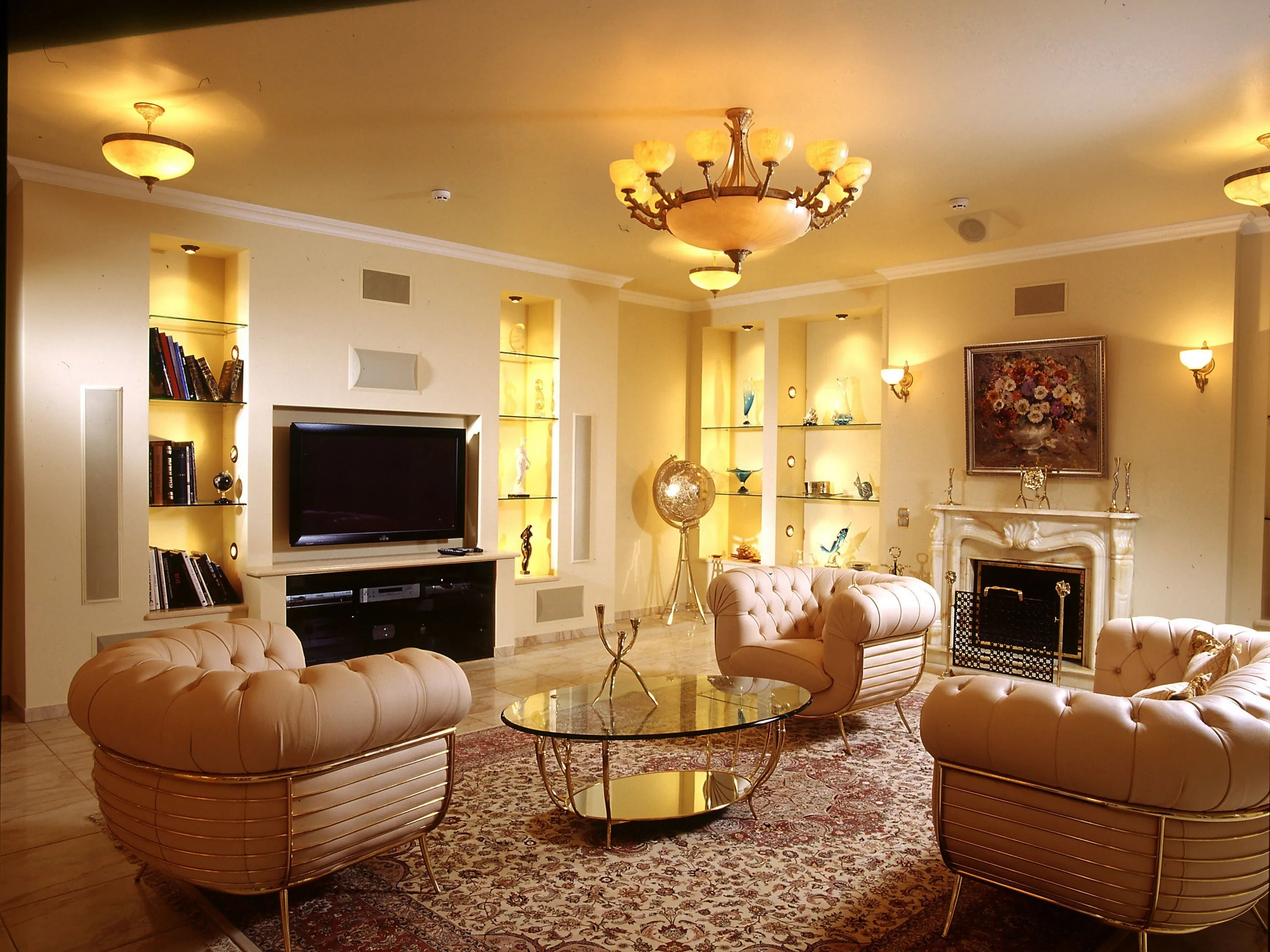
Luxury Living Room Furniture
High-end pieces spanning modern, neo-classical, and Italian Gothic styles — craftsmanship, leathers, and refined artistry.
Read More →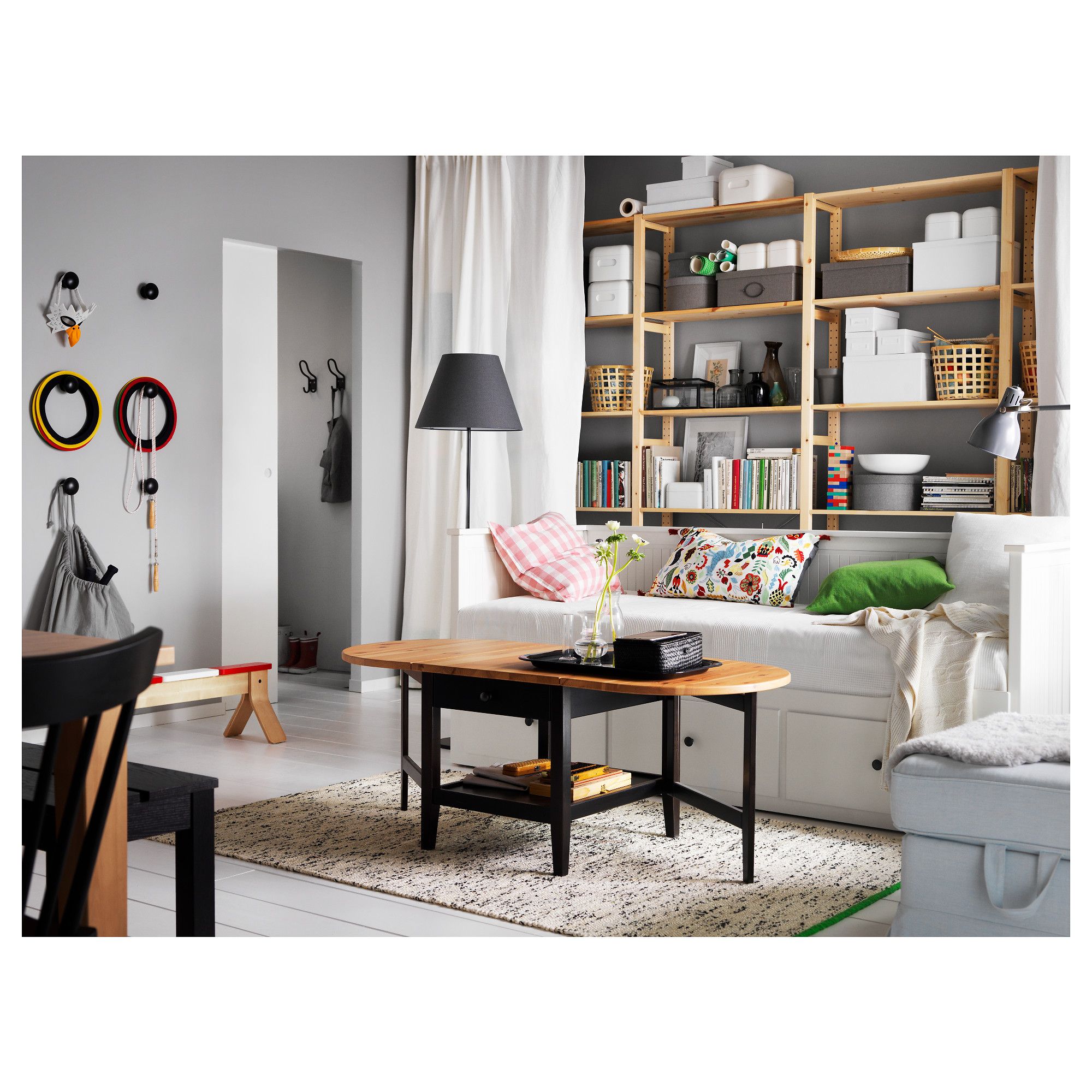
White Living Room Storage Cabinets
Sideboards, curio cabinets, and high-gloss storage units that blend practical organization with decorative appeal.
Read More →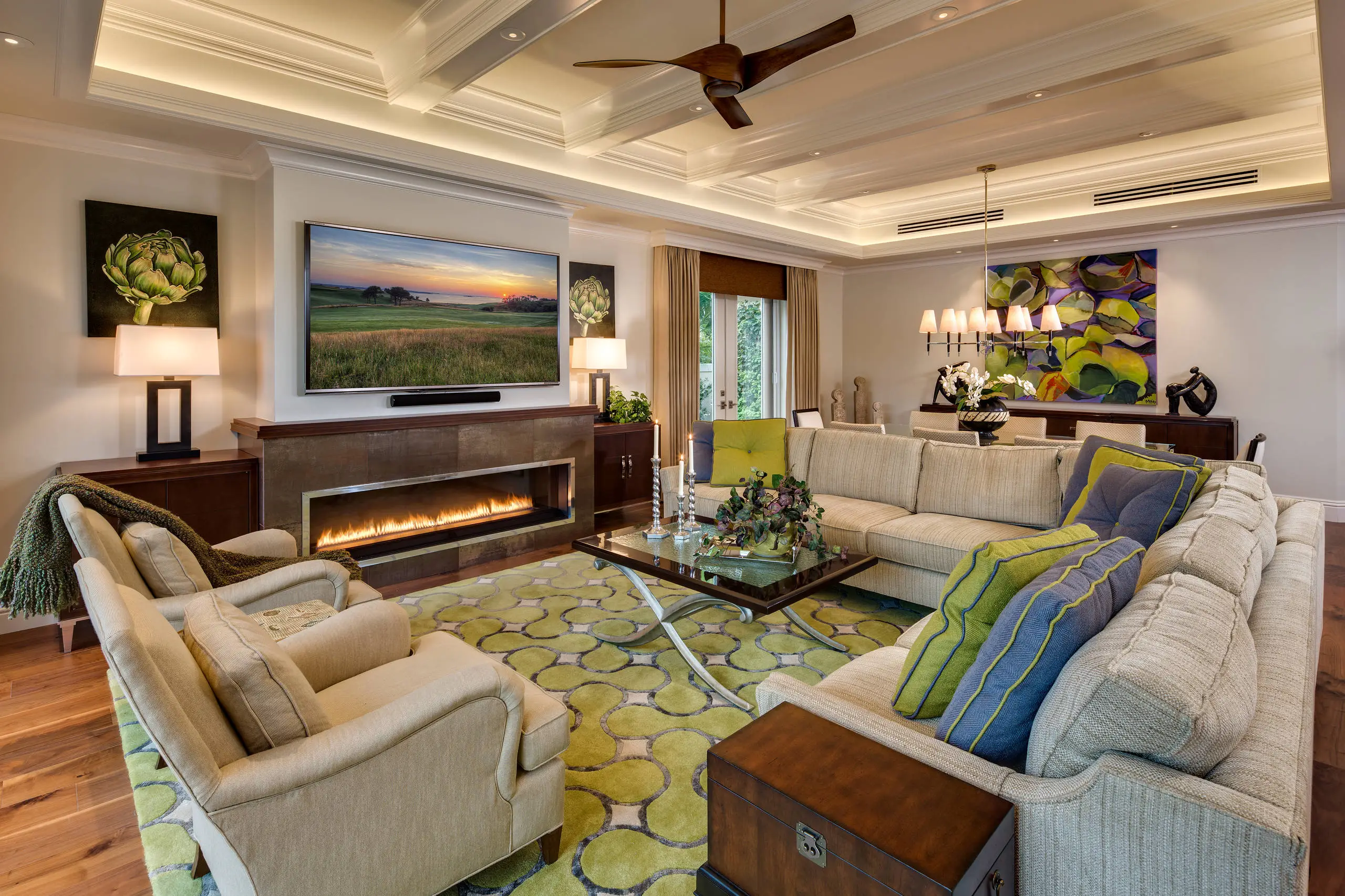
Living Room Decor Essentials
Rugs, pillows, art, lamps, and accent pieces that add layers of color, texture, and personality to any living space.
Read More →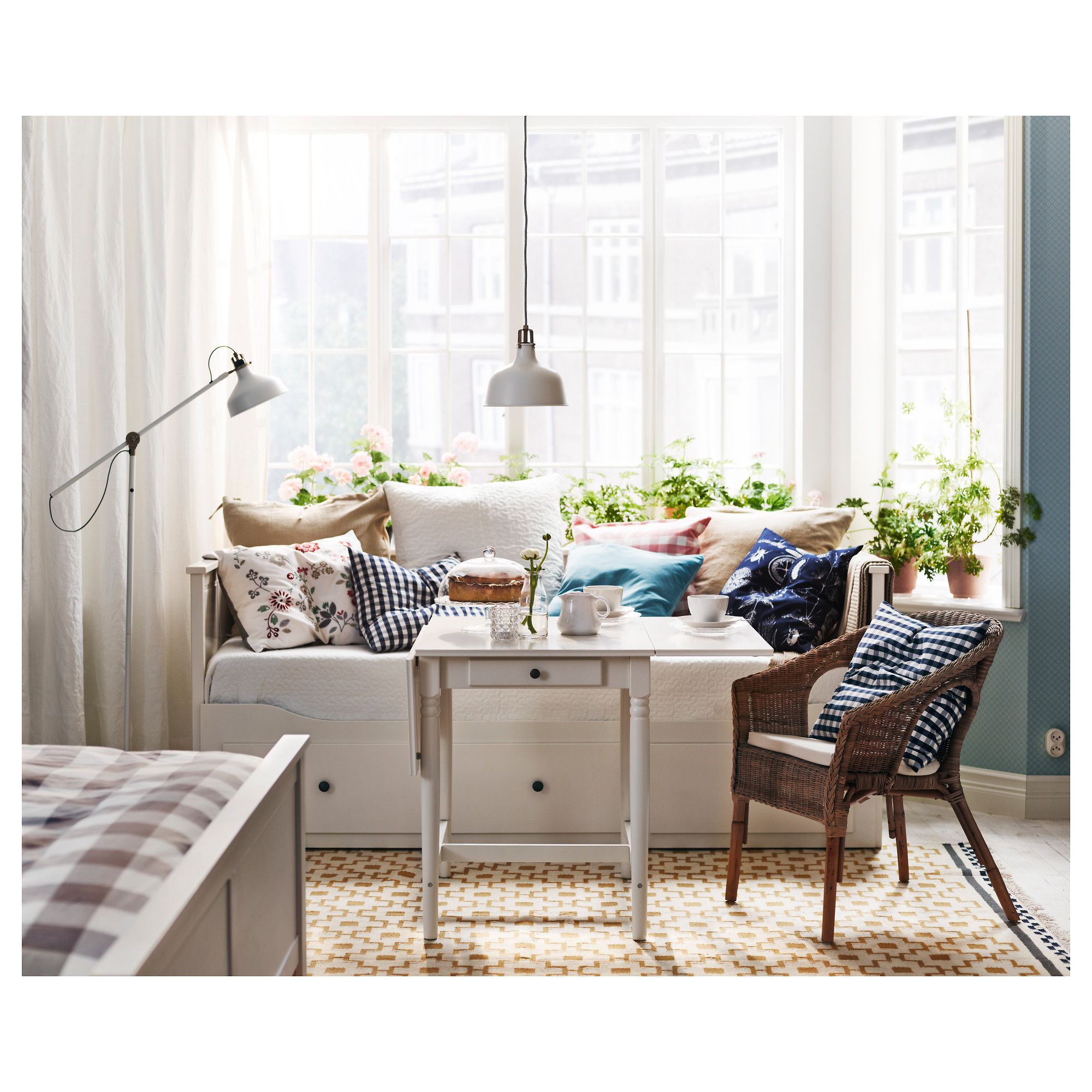
Natural Living Room Decor
Earthy elements, house plants, rustic touches, and organic materials that bring warmth and nature indoors.
Read More →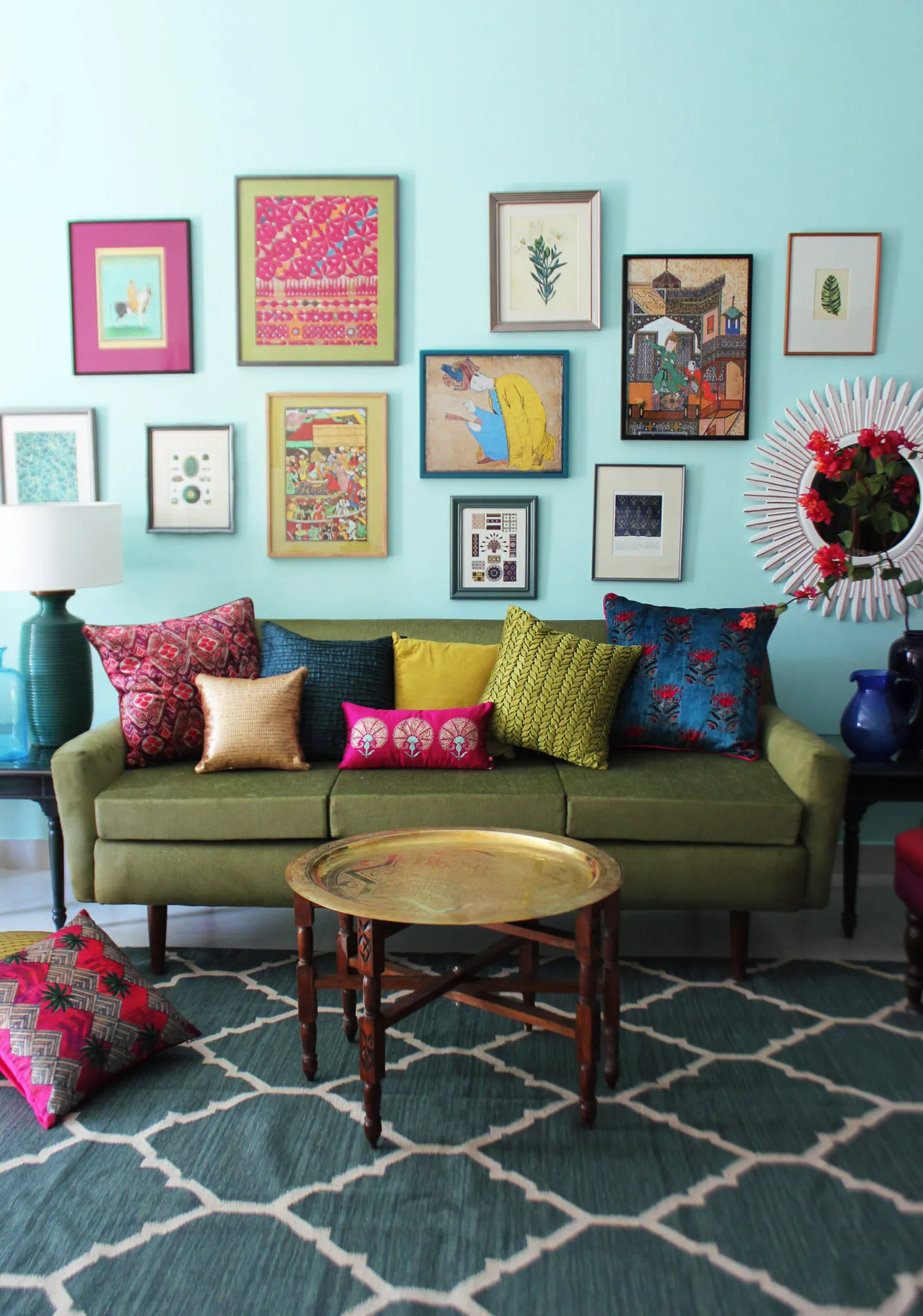
Living Room Ideas: Velvet Sofa
From classic red to trending green and blue, explore how a velvet sofa can transform your living room's character.
Read More →