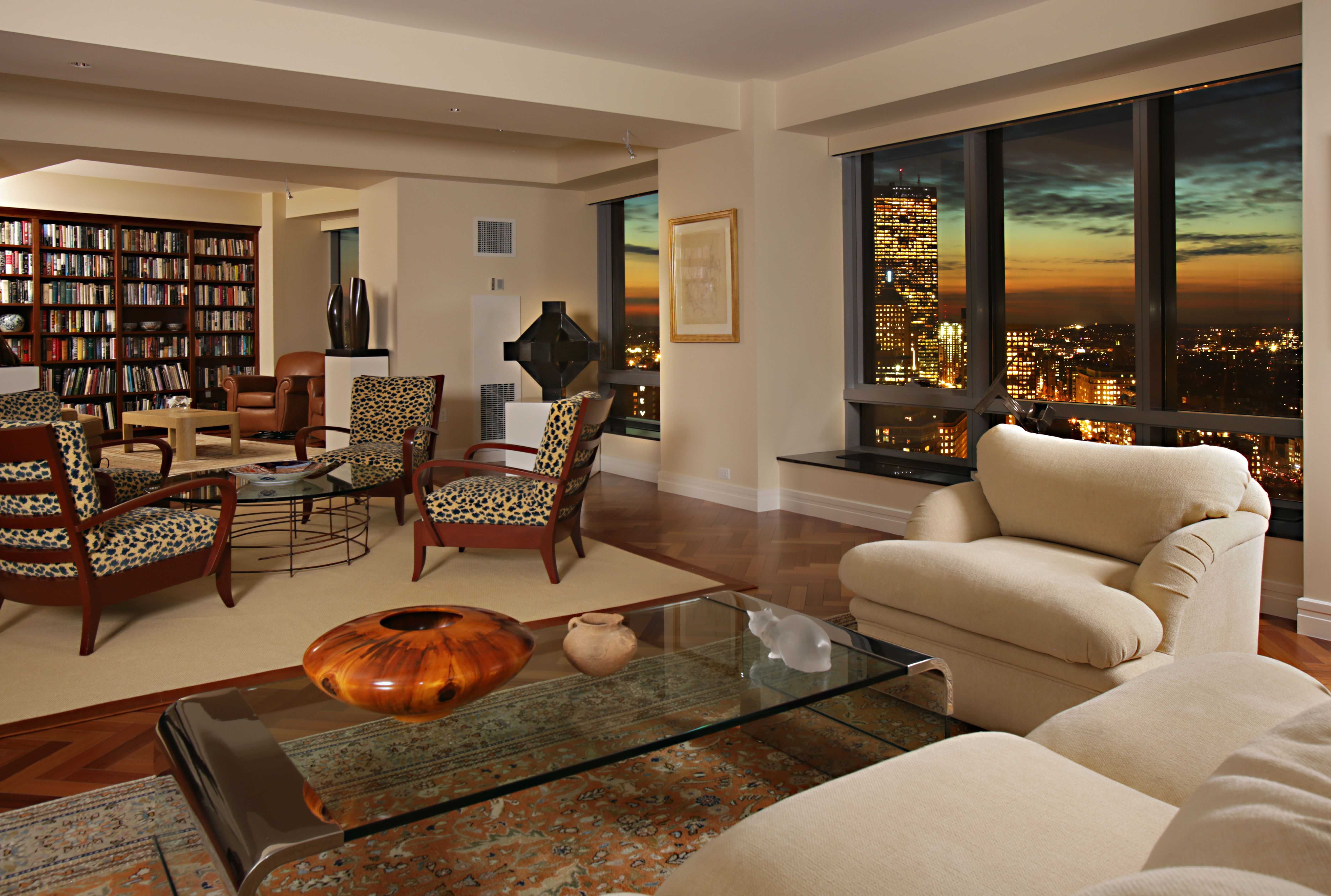
Living Room Design Ideas & Inspiration
Kumpulan Informasi, Tips dan Trik Terlengkap dan Terpercaya — explore curated ideas for sofas, storage, decor, and every style in between.
Explore Ideas →Get Design Inspiration
Tell us what you're looking for and we'll point you to the best articles.
How to Arrange Nesting Tables for Flexible Living Room Style
Nesting tables are one of the easiest ways to add useful surface space without making a living room feel crowded. A smaller table can tuck beneath its companion when you need a clear walkway, then slide out beside the sofa when guests arrive. This adaptable design suits compact flats, open-plan homes and relaxed family rooms alike.
The best arrangement depends on how your household uses the space. Think about where people put drinks, books, remotes and snacks, as well as the routes between the sofa, television, balcony and dining area. A beautiful grouping still needs to work at three in the afternoon when someone is carrying a cup of tea across the room.
Australian homes often need furniture that handles several jobs. A Sydney apartment may require a compact footprint, while a Brisbane living room might open towards an outdoor entertaining area. In a Melbourne terrace, flexible tables can provide extra styling space without blocking a narrow passage.
Start With the Room’s Movement
Before positioning the tables, map the main circulation paths. Leave enough clearance for people to move comfortably around the sofa and coffee table, with particular care near doorways and sliding doors. Nesting tables are useful because their footprint can shrink when the room needs breathing space.
Place the largest table where it can serve the primary seating position. It should be close enough to reach without leaning forward awkwardly, but not so close that knees or feet continually bump into it. The smaller table can sit partially underneath, offset to one side rather than perfectly centred.
If your room is long and narrow, avoid creating a solid line of furniture down the middle. Use the layout principles in this narrow living room guide to keep the eye moving through the space. A staggered pair beside the sofa usually works better than two tables spread across the walking route.
Choose the Right Scale and Shape
Measure the nesting set when fully extended and when stacked. The extended dimensions matter when you are hosting, while the compact size determines whether the tables can remain in the room every day. For a small lounge, round or oval tops soften corners and make circulation easier. Square and rectangular designs provide more usable area beside a deep sofa.
The table height should relate to the sofa seat and nearby armchairs. A taller table works well beside an armrest for drinks and lamps, while a lower companion can hold books or a decorative bowl. Avoid choosing a set where every surface sits at exactly the same level; a gentle variation creates a more relaxed, layered look.
Materials also influence visual weight. Pale timber, rattan and light terrazzo suit coastal interiors and sun-filled Queensland rooms. Black metal, smoked glass or dark stained wood can anchor a large neutral sofa, though these finishes may show dust more readily in busy households.
Arrange the Set for Everyday Use
For daily living, keep the smaller table partly visible so it can be pulled out with one hand. An offset arrangement creates a stepped silhouette and gives each top a clear purpose. The larger surface might hold a lamp or a tray, while the smaller one remains open for a drink, tablet or vase.
When entertaining, separate the tables and place one beside each seating group. This works particularly well when a sofa faces two occasional chairs. Guests can reach a surface without leaning across another person, and the room feels more considered than if every object is clustered on one large coffee table.
A useful styling rule is to leave some negative space. One tray, a stack of books and a small plant are usually enough for a compact table. If the tabletop is already busy, the nesting function becomes awkward and the room loses its visual calm.
Coordinate the Tables With Your Style
Nesting tables do not need to match every other piece of furniture, but they should share a visual detail with the room. Repeat a timber tone found in the shelving, echo a metal finish from the lighting, or pick up a colour used in cushions. This creates continuity without making the furniture set look overly matched.
For a warm, collected scheme, combine timber tables with woven baskets, linen upholstery and ceramic accessories. These ideas can sit comfortably beside the relaxed textures shown in boho living room ideas, especially when the tables have rounded edges or natural finishes.
In a contemporary room, choose a sculptural base or stone-look top and keep the styling restrained. In a classic space, turned legs and timber edging can connect with a bookcase or traditional sofa. Renters can achieve the same effect with removable decor and freestanding furniture rather than permanent changes.
Compare Layouts Before You Commit
Different arrangements suit different room shapes and routines. Test each position with masking tape on the floor, then walk around the room while carrying a laundry basket or serving tray. This simple check reveals whether a table is technically attractive but inconvenient in practice.
| Arrangement | Best for | Everyday benefit | Watch out for |
|---|---|---|---|
| Partly nested beside the sofa | Compact rooms and apartments | Keeps a small footprint | Leave the pull-out side accessible |
| Fully separated beside two seats | Entertaining and larger lounges | Gives each person a surface | Can make the room feel scattered |
| Offset in front of a sofa | Open-plan living areas | Creates a layered focal point | Protect the main walkway |
| Stacked beneath a console | Flexible, occasional use | Keeps the floor visually clear | Tables may be less convenient daily |
| One table beside an armchair | Reading corners | Supports a lamp and drinks | Check the chair’s arm height |
In a home with children or pets, rounded edges and stable bases are sensible choices. Check that the smaller table cannot tip when pulled out and that the feet will not scratch timber flooring. Felt pads, a washable tray and coasters make the set easier to live with.
Make Flexibility Part of the Decor
Treat the tables as movable tools rather than fixed monuments. During a quiet evening, keep them nested beside the sofa. For movie night, slide one closer to the end seat. When friends arrive for a barbecue, separate the pair so people can put down glasses without balancing them on the arm of a chair.
Australian entertaining often moves between indoors and outdoors, so lightweight tables can be especially practical. A compact timber or powder-coated metal set may be easy to shift near a covered patio, although indoor tables should be protected from rain, harsh sun and damp conditions. In coastal areas, sealed finishes help resist the effects of salty air.
Use the surrounding area to reinforce the arrangement. A floor lamp can mark one end of the seating zone, while a large rug visually connects the sofa, tables and chairs. Keep cords away from the table legs, and avoid placing delicate accessories where they could be knocked while the smaller table is being moved.
With the right scale, clear pathways and a restrained layer of accessories, nesting tables can change with the room instead of competing with it. Begin with the position that supports everyday life, then keep the second table ready to expand the arrangement when the occasion calls for it. Browse Sibabeh’s living room ideas and use these practical principles to create a flexible setup that feels distinctly your own.
What We Cover
Living Room Topics & Ideas
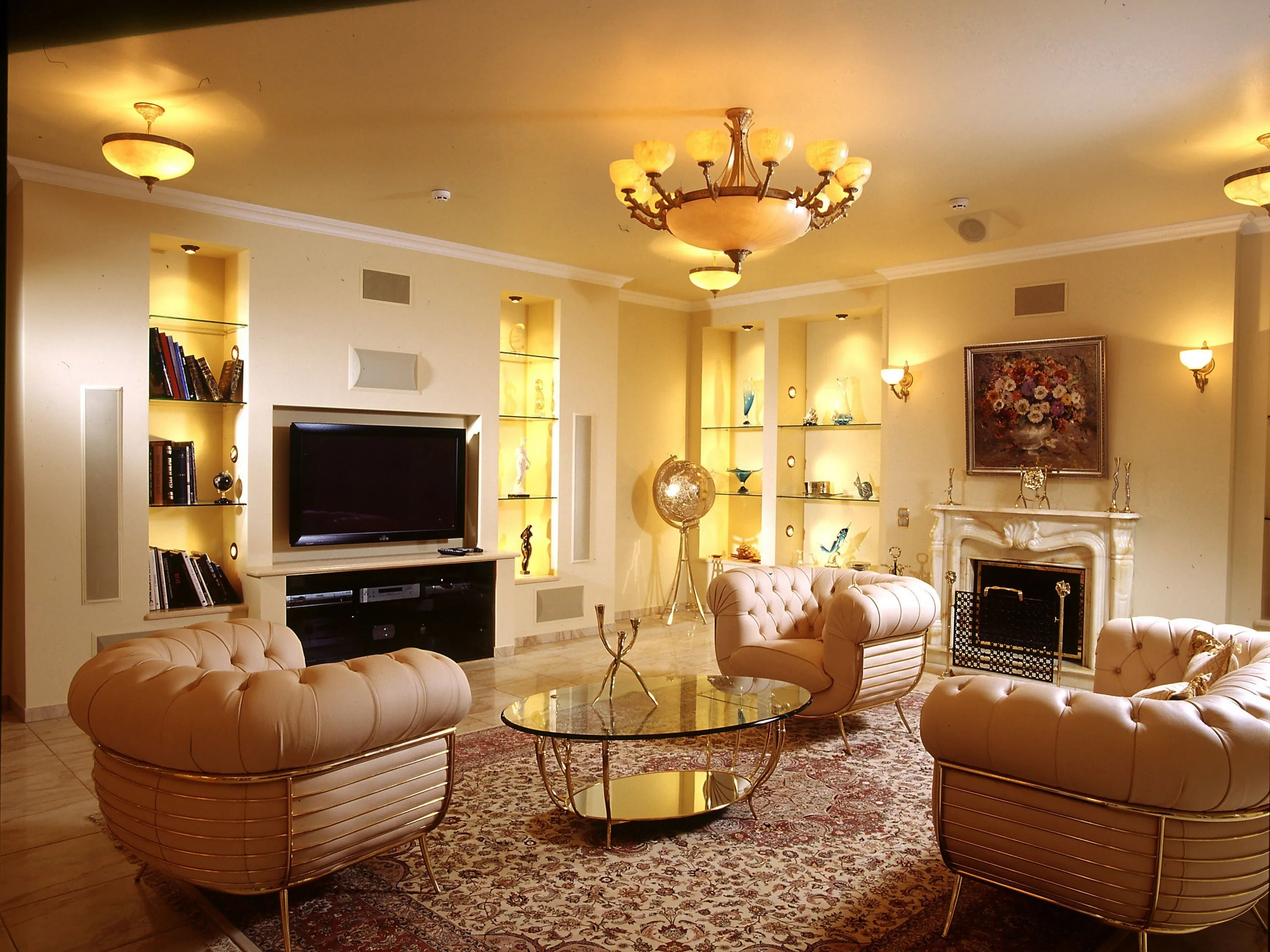
Luxury Living Room Furniture
High-end pieces spanning modern, neo-classical, and Italian Gothic styles — craftsmanship, leathers, and refined artistry.
Read More →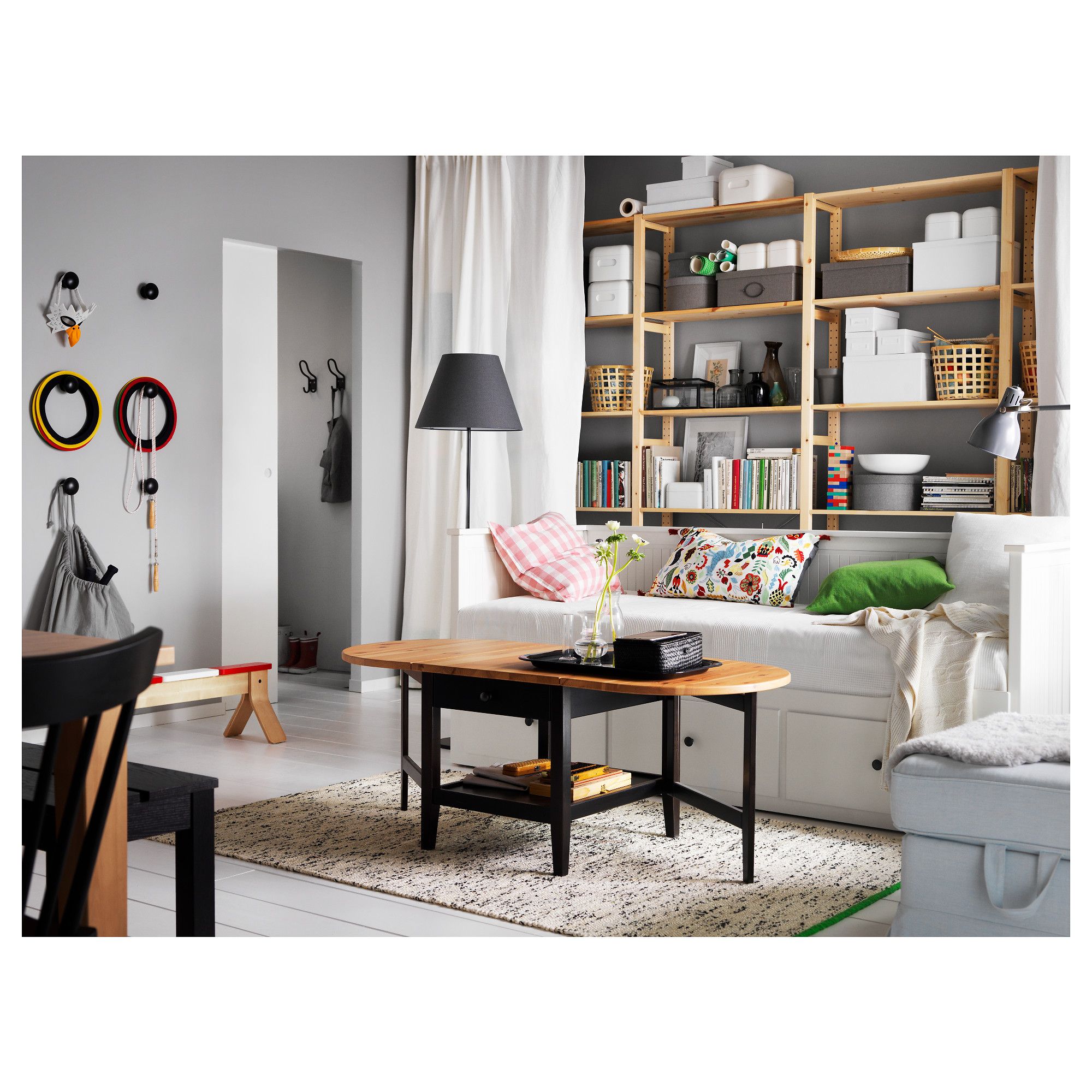
White Living Room Storage Cabinets
Sideboards, curio cabinets, and high-gloss storage units that blend practical organization with decorative appeal.
Read More →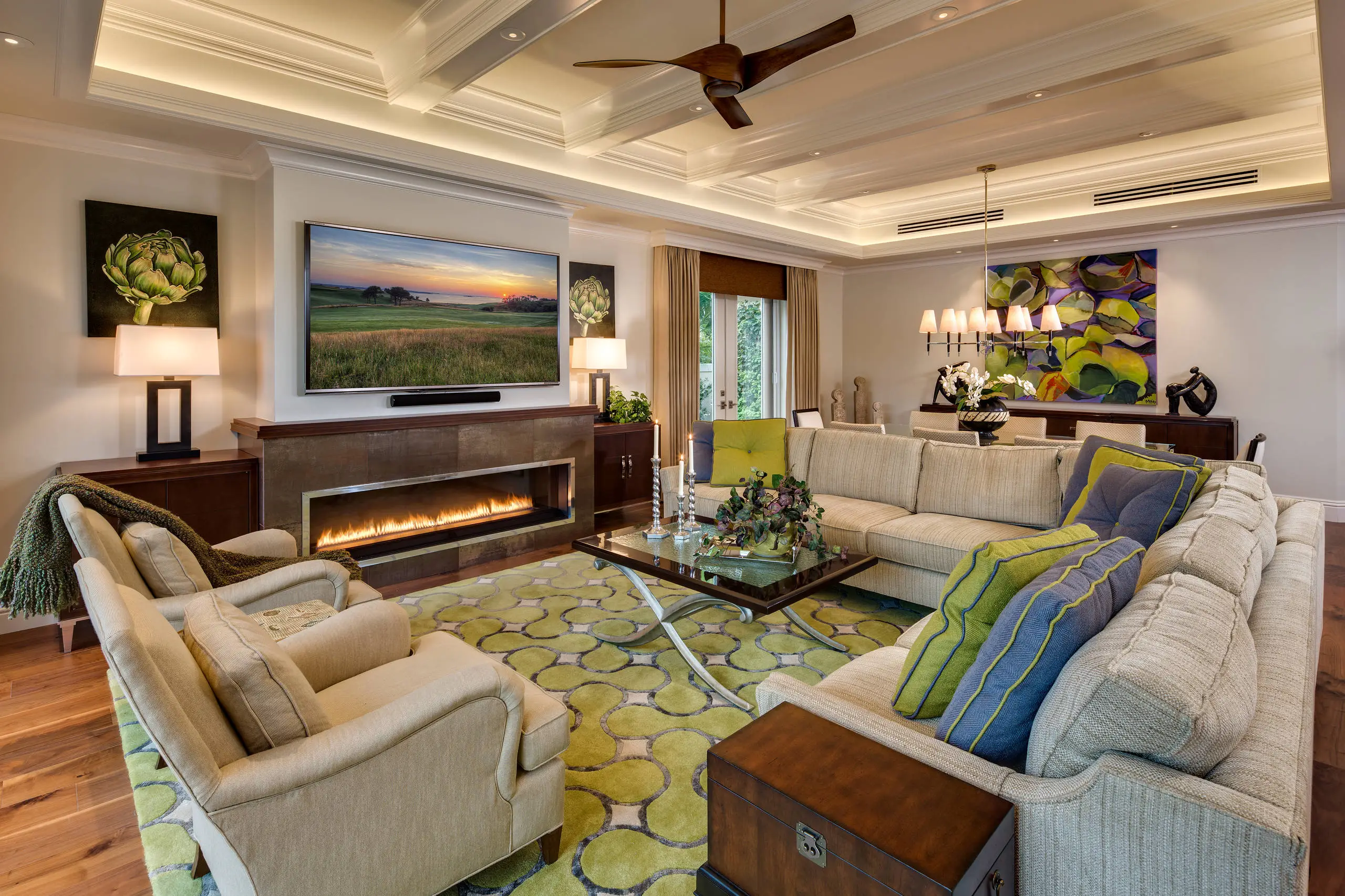
Living Room Decor Essentials
Rugs, pillows, art, lamps, and accent pieces that add layers of color, texture, and personality to any living space.
Read More →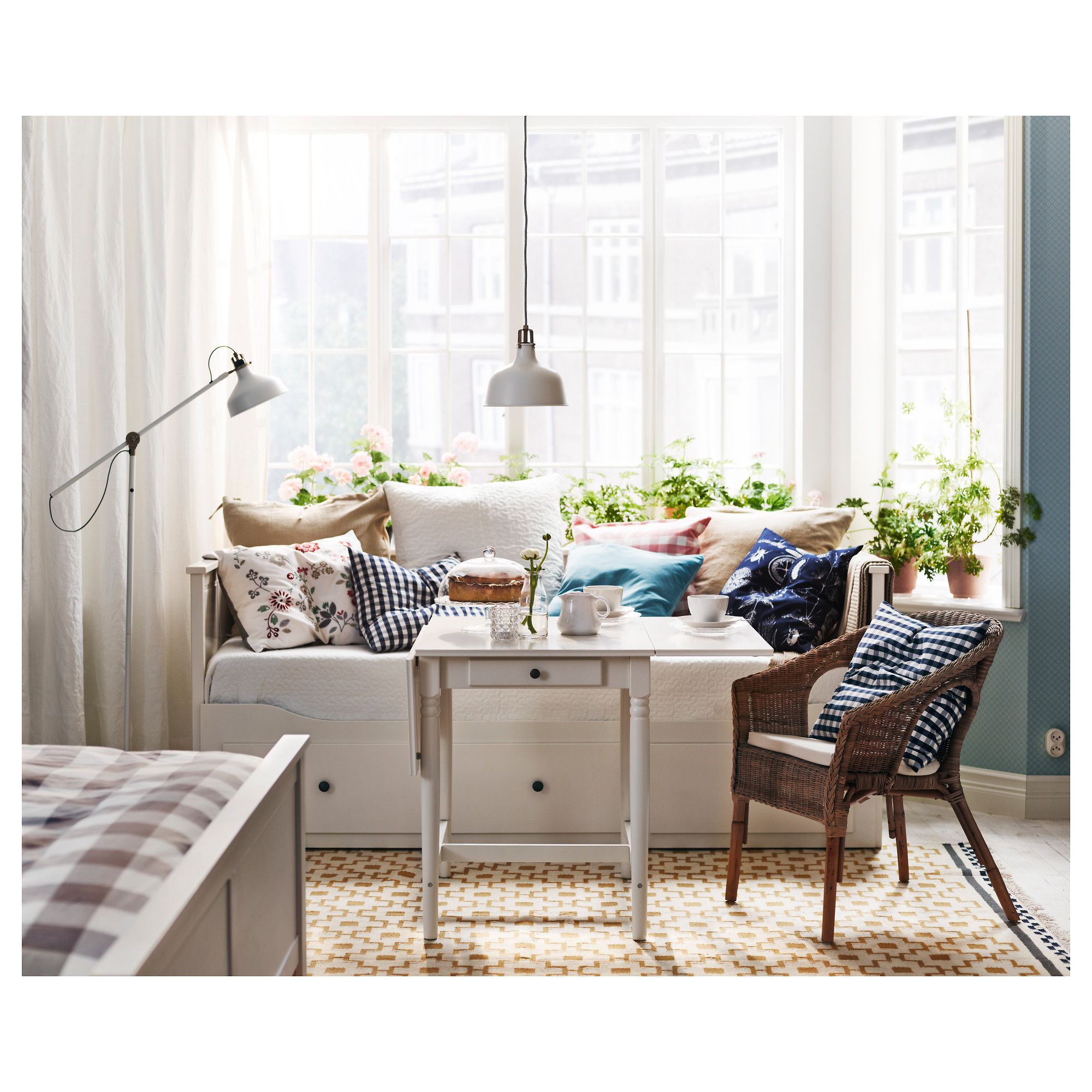
Natural Living Room Decor
Earthy elements, house plants, rustic touches, and organic materials that bring warmth and nature indoors.
Read More →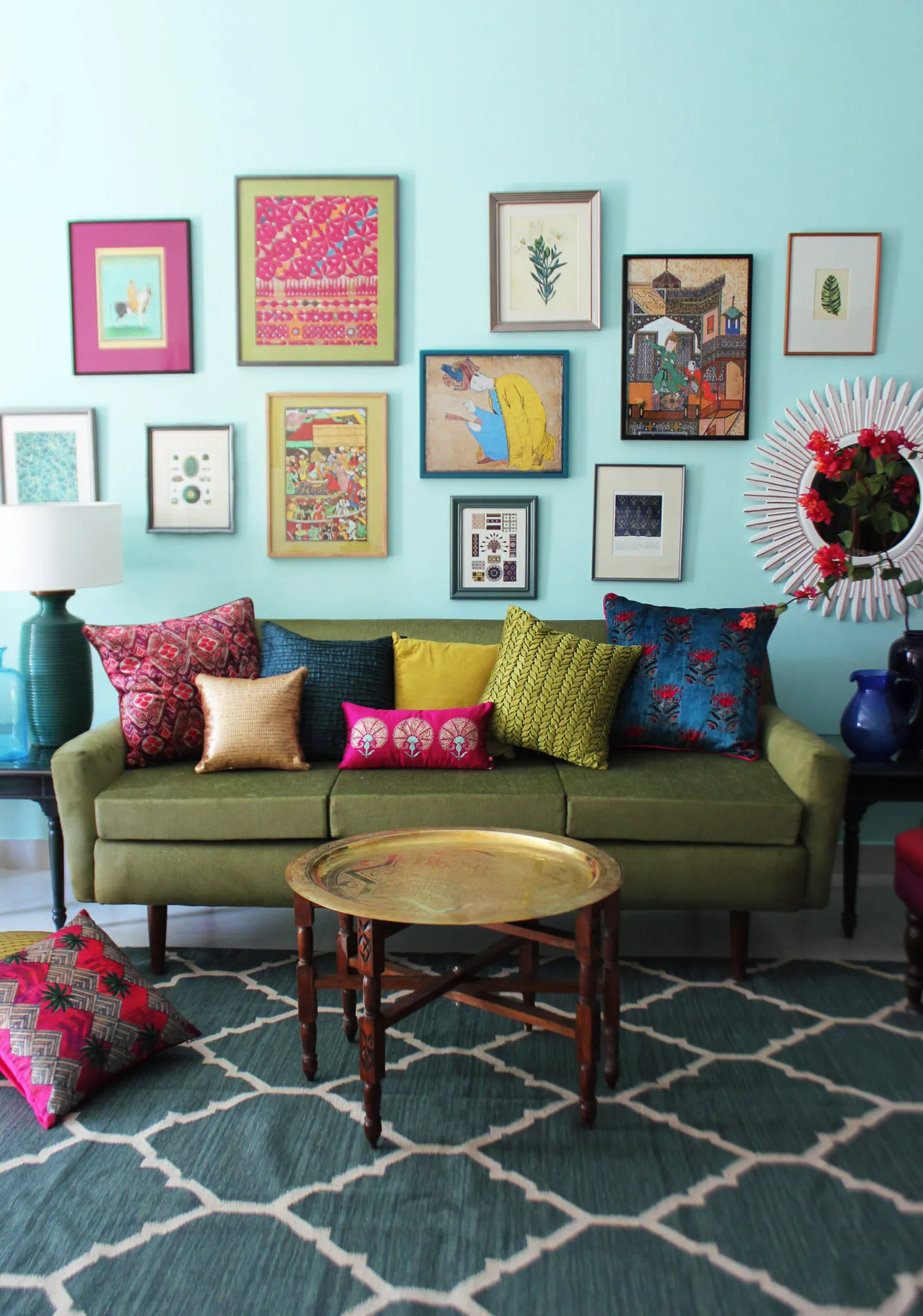
Living Room Ideas: Velvet Sofa
From classic red to trending green and blue, explore how a velvet sofa can transform your living room's character.
Read More →