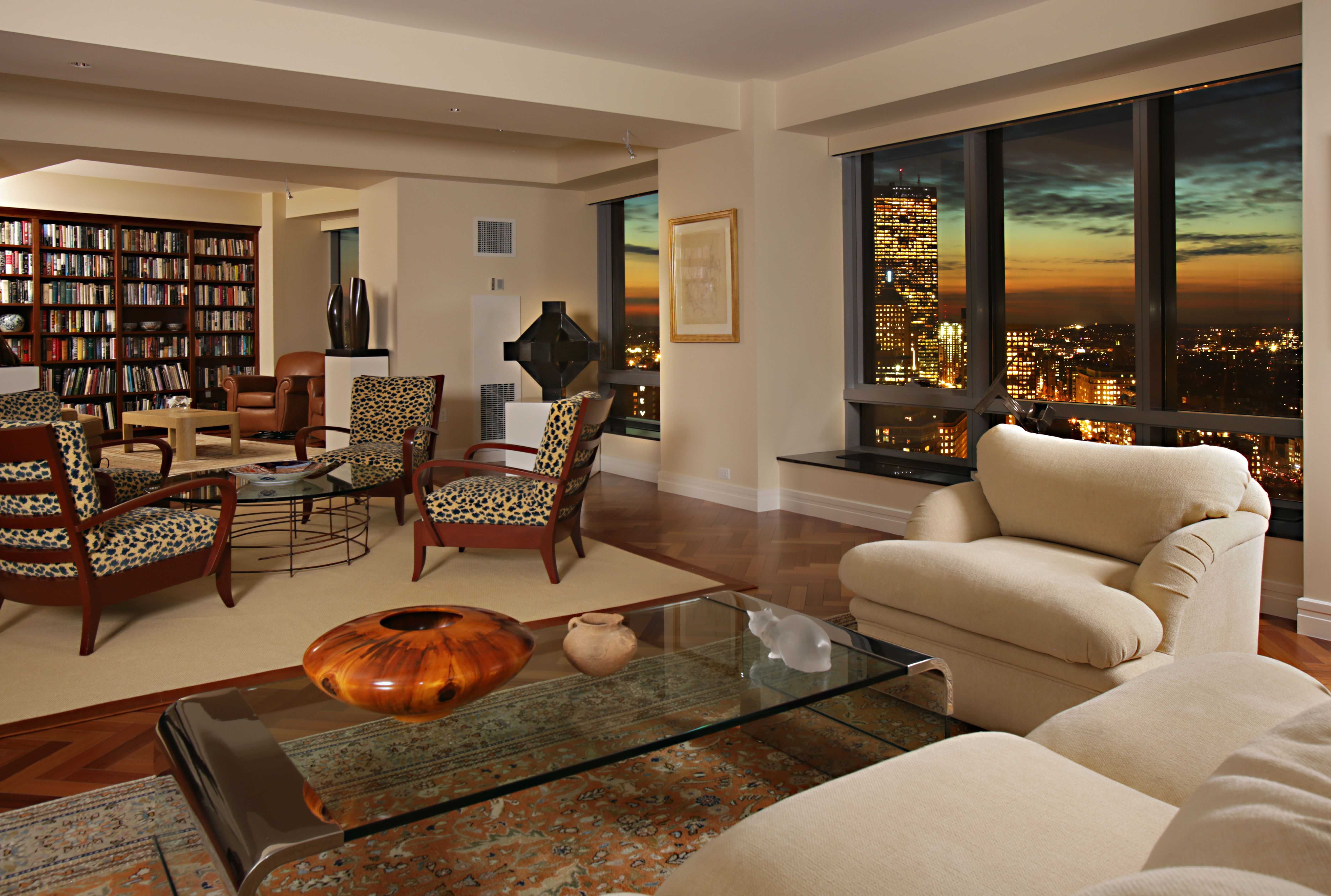
Living Room Design Ideas & Inspiration
Kumpulan Informasi, Tips dan Trik Terlengkap dan Terpercaya — explore curated ideas for sofas, storage, decor, and every style in between.
Explore Ideas →Get Design Inspiration
Tell us what you're looking for and we'll point you to the best articles.
Designing a Living Room with a Monochromatic Colour Scheme
A monochromatic living room uses one dominant colour family in varied tones, tints and textures. Rather than matching every item exactly, the approach builds a layered interior from related shades, creating a space that feels calm, considered and visually cohesive.
This scheme suits Australian homes particularly well, from compact Sydney apartments to airy Brisbane houses and character-filled Melbourne terraces. With the right balance of contrast, natural materials and practical lighting, a single-colour palette can feel expressive rather than flat.
| Design approach | Visual effect | Best suited to | Key consideration |
|---|---|---|---|
| Soft neutral palette | Relaxed and spacious | Small rooms and open-plan homes | Add texture to prevent blandness |
| Blue tonal scheme | Fresh, restful and coastal | Light-filled rooms | Balance cool shades with timber |
| Green layered palette | Natural and grounded | Homes with indoor plants | Vary leaf and olive undertones |
| Warm earth tones | Cosy and welcoming | Entertaining spaces | Keep darker shades below eye level |
| Charcoal and grey | Refined and modern | Contemporary interiors | Include warm lighting and tactile fabrics |
Choose A Base Colour With Staying Power
Begin with a colour family that suits the room’s natural light, fixed finishes and daily use. Warm whites, sandy beige, clay, olive, soft blue and charcoal are versatile choices for Australian living spaces. A coastal home may benefit from sea glass and powder blue, while a darker Melbourne room can feel richer with mushroom, taupe or smoky green.
Test paint swatches at different times of day before committing. Strong Australian sunlight can make pale colours appear washed out, while southern-facing rooms may need warmer undertones. Look at samples beside the flooring, curtains and existing sofa rather than viewing them against a blank wall.
A useful rule is to select one anchor shade for the walls or largest sofa, then add two or three related tones. The darkest shade can define smaller pieces such as cushions, side tables or artwork. This creates a gentle visual rhythm without making the room appear overly coordinated.
Build Depth Through Materials And Texture
The success of a single-colour interior depends on contrast in texture. A linen sofa, boucle occasional chair, wool rug, timber coffee table and ceramic lamp can all belong to the same palette while offering distinctly different surfaces. These changes catch the light and stop similar colours from merging into one indistinct block.
Layer matte and reflective finishes carefully. A chalky painted wall beside brushed metal, glazed ceramics or a glass side table introduces subtle variation. In Australian homes, natural timber, woven jute, rattan and cane are particularly effective because they connect a tonal scheme with the relaxed indoor-outdoor character many households enjoy.
Soft furnishings provide an easy way to adjust the balance. Combine plain cushions with a restrained stripe, grid or organic pattern in related shades. A rug should anchor the seating arrangement, while curtains can either blend into the walls for a quiet look or introduce a slightly deeper tone around the windows.
Use Furniture To Control The Visual Weight
Large furniture determines how much colour the room can carry. A deep navy sofa may become the focal point in a pale blue scheme, while a sand-coloured modular can support stronger terracotta or ochre accents. If the room is small, choose furniture with visible legs and open bases to preserve a sense of floor area.
Keep the strongest or darkest tone close to the lower half of the room. A deep rug, coffee table or occasional chair can ground pale walls and upholstery without overwhelming the space. Repeating that tone in small details, such as book spines or picture frames, makes the arrangement feel intentional.
Australians often use living rooms for both quiet evenings and casual entertaining, so flexibility matters. Choose nesting tables, movable ottomans and storage baskets that can shift easily when guests arrive. In an open-plan home, repeat the living room colour in the dining area through artwork, seat cushions or a vase to create continuity.
Layer Lighting For A Softer Atmosphere
Lighting can change the appearance of every shade in a monochromatic room. Use a combination of ceiling illumination, task lighting and low-level ambient lamps rather than relying on one bright central fitting. Warm-white globes generally make neutral and earthy palettes feel more inviting, especially in the evening.
A floor lamp can add height beside a sofa or reading chair while creating a pool of light in an underused corner. Before buying, consider proportions, shade direction, cable placement and how the fixture will work with nearby furniture. This floor lamp guide offers useful direction for matching a lamp to the room’s scale and layout.
Use daylight as part of the colour plan. Sheer window coverings can soften harsh afternoon sun in west-facing rooms, while adjustable blinds provide control in bright Queensland interiors. Mirrors placed opposite windows can spread light through the room, though they should reflect something attractive rather than a blank wall or television.
Add Contrast Without Breaking The Palette
A monochromatic scheme does not mean every item must be the same colour. Contrast can come from white, black, timber, aged brass or natural greenery, provided these accents are used with restraint. A small amount of black can sharpen a pale interior, while warm timber prevents a blue or grey room from feeling cold.
Artwork is an opportunity to introduce movement without abandoning the colour family. Choose prints with several tonal variations of the dominant shade, or display photography with a limited neutral range. Books, ceramics and collected objects can repeat the palette while still showing personality and connection to travel, family or local surroundings.
Blue is especially adaptable, shifting from coastal and airy to moody and sophisticated depending on its undertones. To explore how varying tones can work together, this guide to shades of blue demonstrates how layering can create interest without visual clutter. Finish the room with plants for an organic contrast; gum branches, rubber plants and hardy indoor greenery suit the Australian setting naturally.
Start by photographing your existing living room and identifying the colours you already want to keep. Select a small palette, test it in changing light and introduce texture before purchasing decorative pieces. With thoughtful layering, your monochromatic living room can feel calm, practical and distinctly personal.
What We Cover
Living Room Topics & Ideas
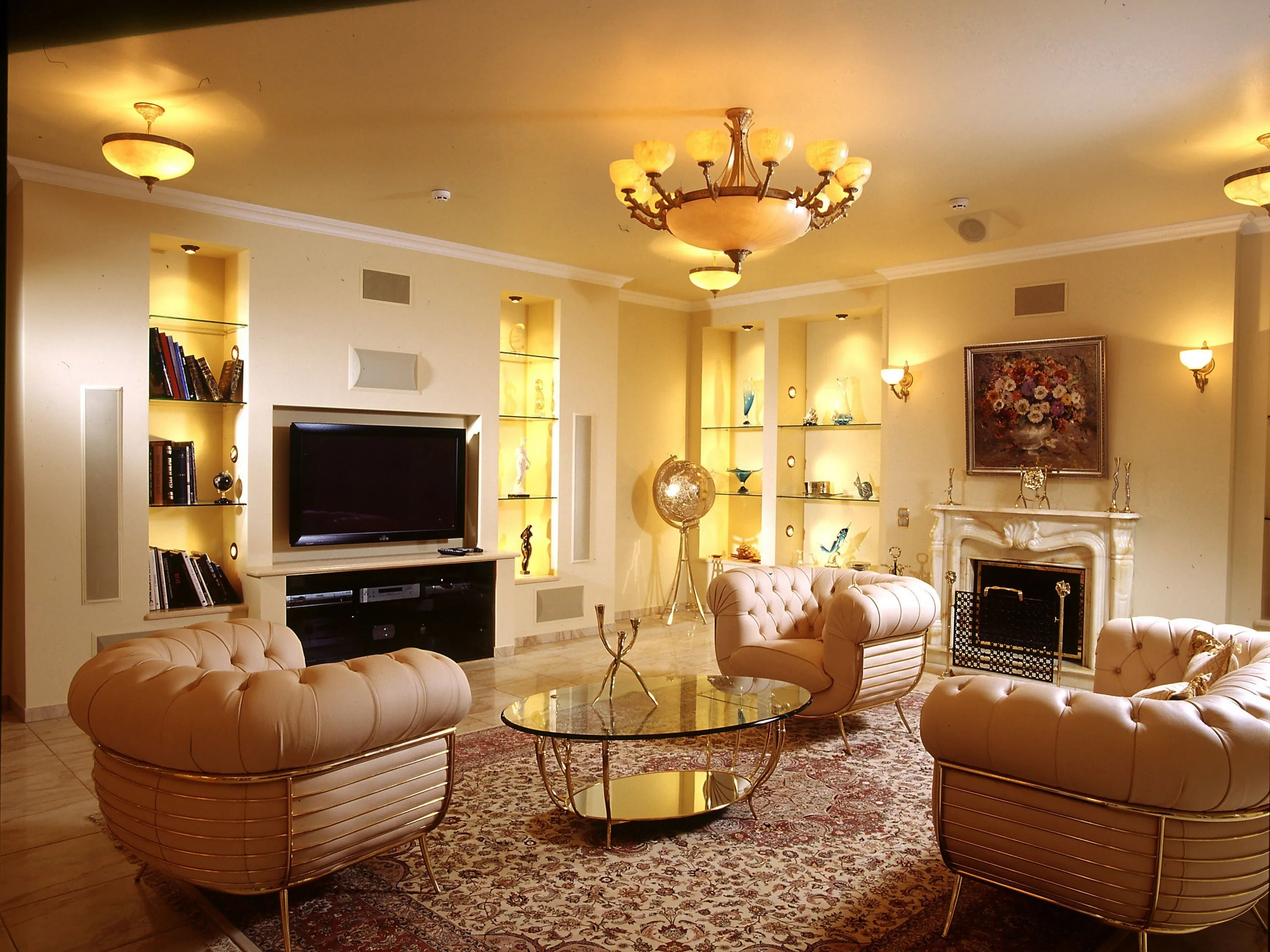
Luxury Living Room Furniture
High-end pieces spanning modern, neo-classical, and Italian Gothic styles — craftsmanship, leathers, and refined artistry.
Read More →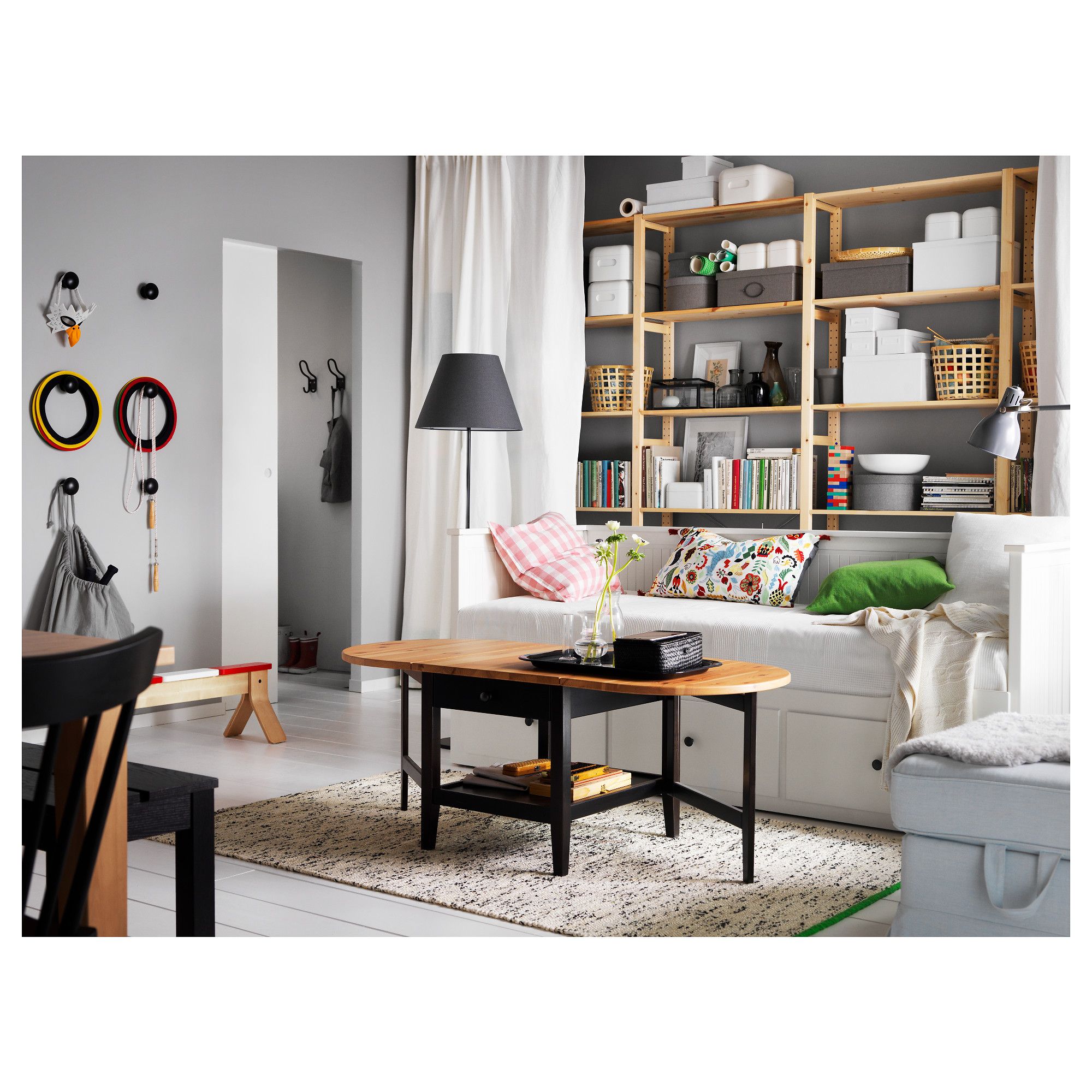
White Living Room Storage Cabinets
Sideboards, curio cabinets, and high-gloss storage units that blend practical organization with decorative appeal.
Read More →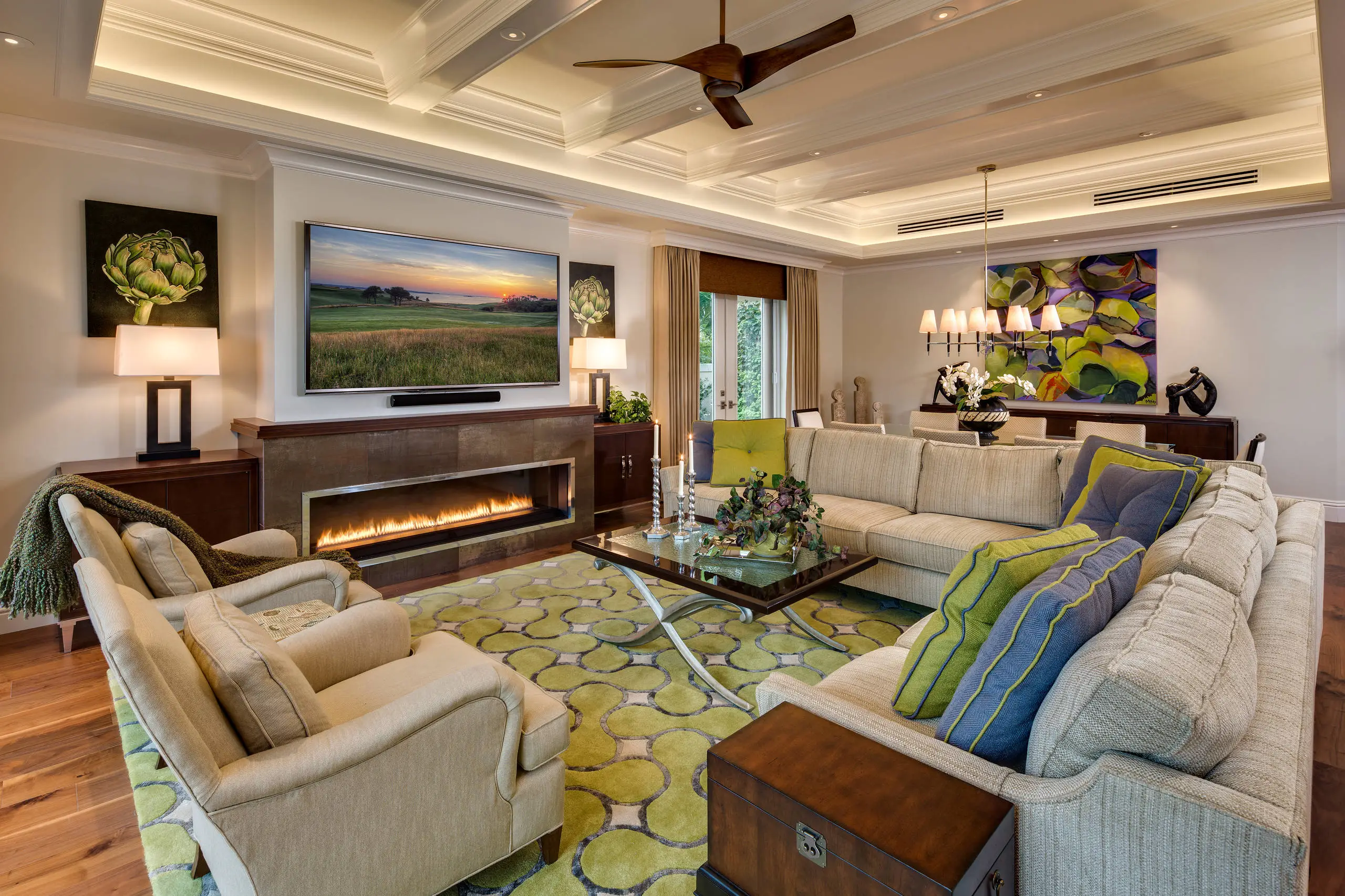
Living Room Decor Essentials
Rugs, pillows, art, lamps, and accent pieces that add layers of color, texture, and personality to any living space.
Read More →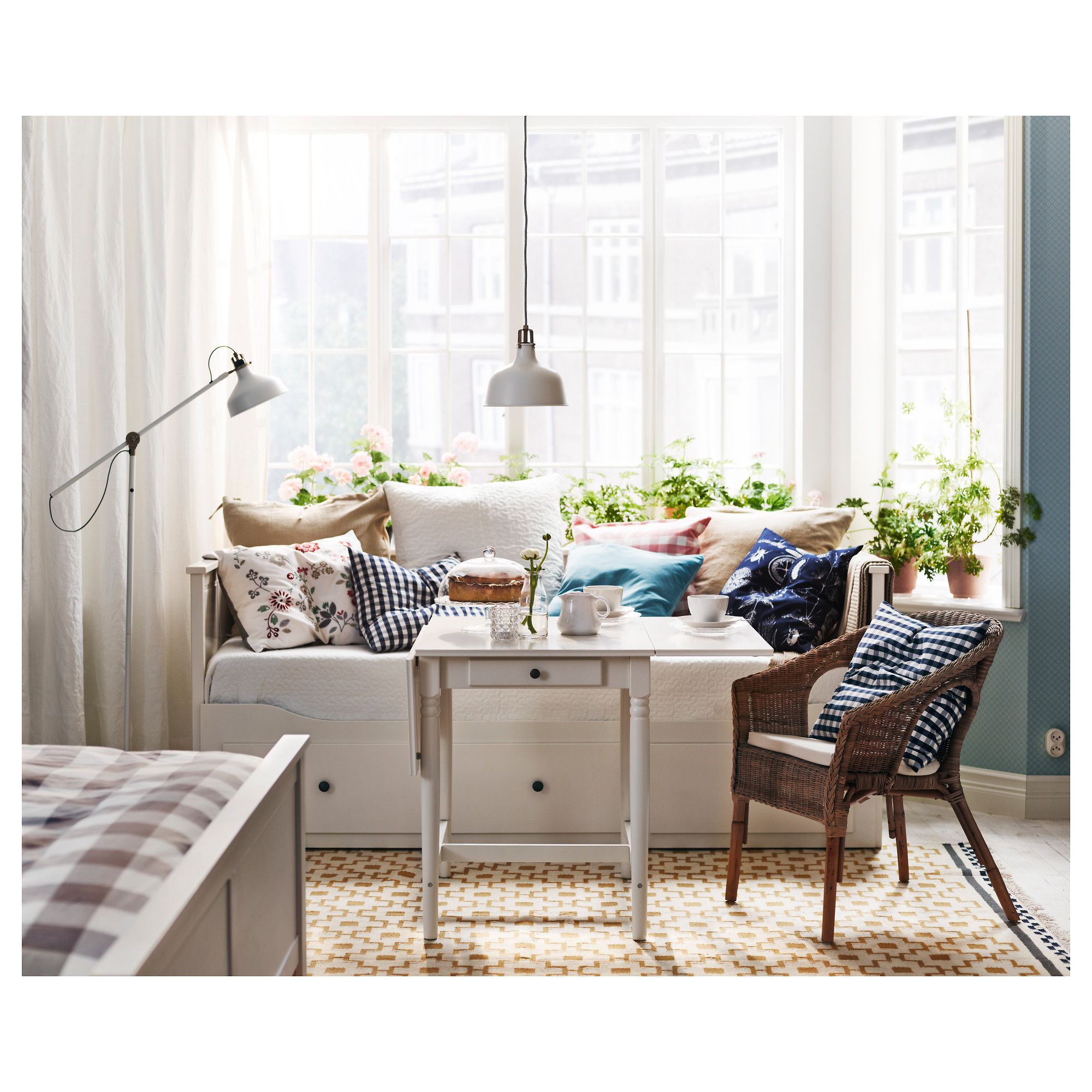
Natural Living Room Decor
Earthy elements, house plants, rustic touches, and organic materials that bring warmth and nature indoors.
Read More →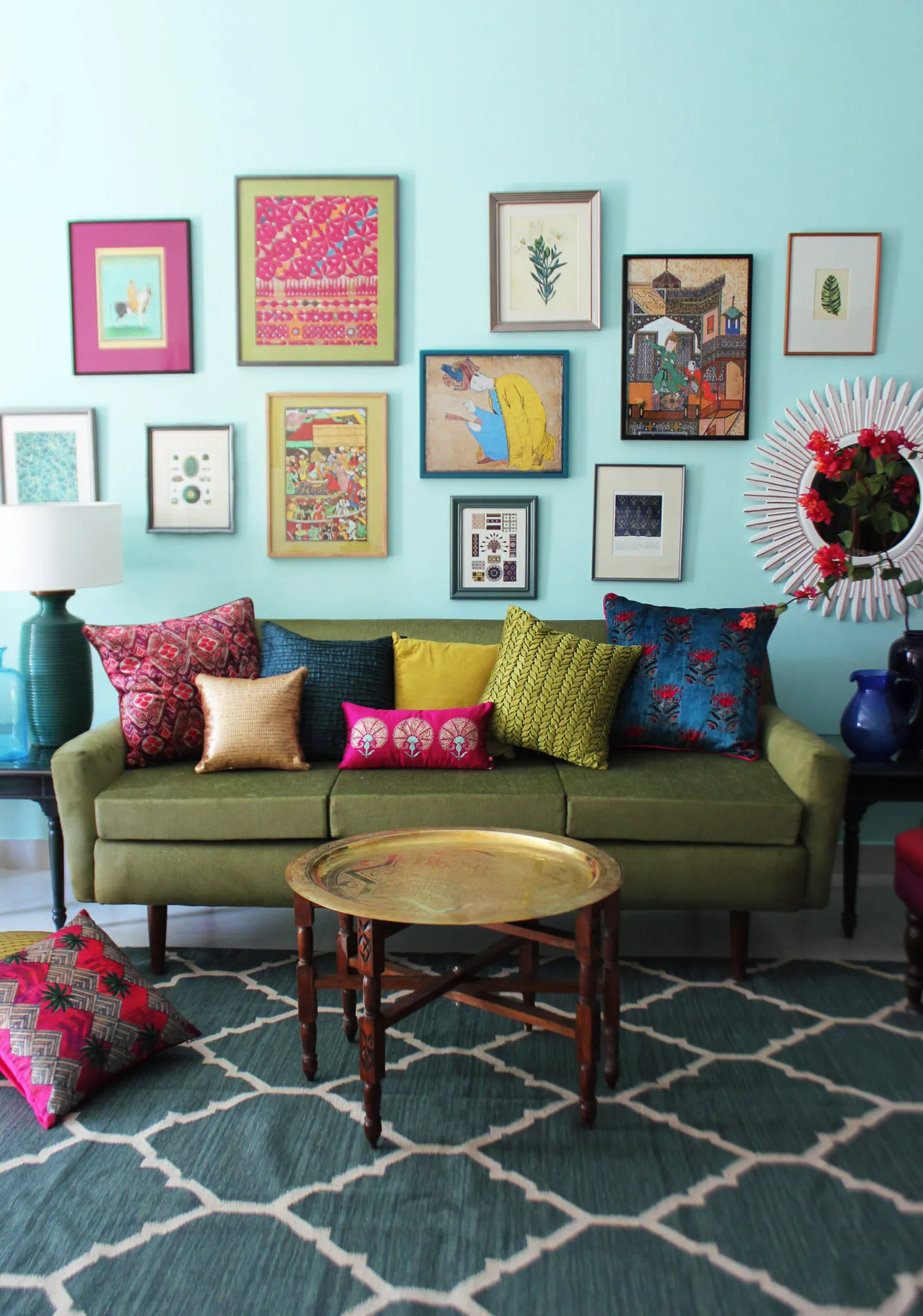
Living Room Ideas: Velvet Sofa
From classic red to trending green and blue, explore how a velvet sofa can transform your living room's character.
Read More →