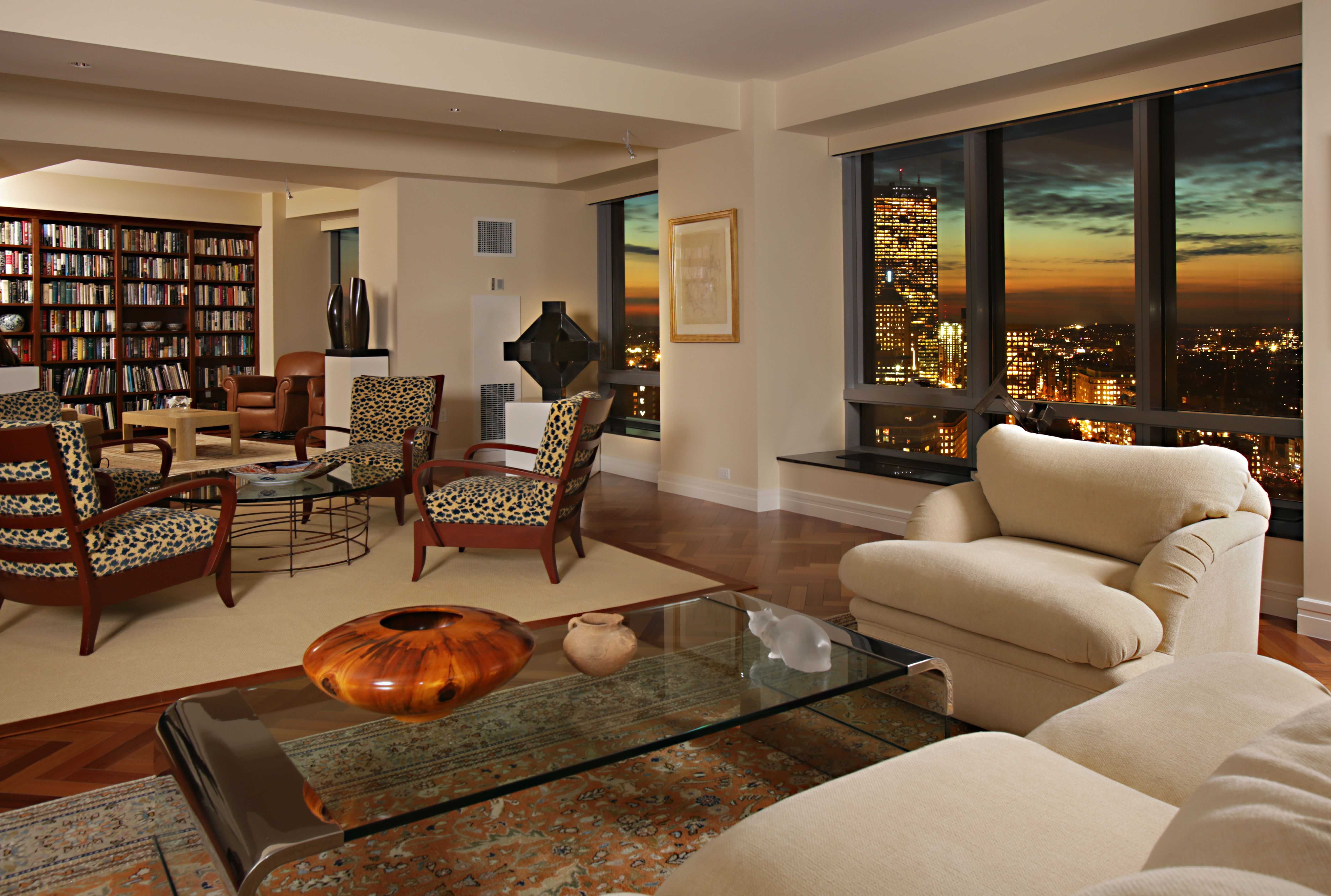
Living Room Design Ideas & Inspiration
Kumpulan Informasi, Tips dan Trik Terlengkap dan Terpercaya — explore curated ideas for sofas, storage, decor, and every style in between.
Explore Ideas →Get Design Inspiration
Tell us what you're looking for and we'll point you to the best articles.
Long Narrow Living Room Layout Ideas That Feel Balanced
A long, narrow living room can feel awkward when all the furniture is pushed against the walls. The space may have generous length, yet limited width makes circulation, seating and storage harder to arrange. With the right zoning strategy, the room can feel comfortable, social and visually wider.
This layout is common in Australian terrace homes, older suburban houses and compact city apartments. Whether your room opens towards a dining area in an inner-Melbourne terrace or receives a bright afternoon breeze in Brisbane, the key is to create clear functions without chopping the space into disconnected pieces.
| Layout approach | Best for | Main advantage | Watch out for |
|---|---|---|---|
| Sofa facing a media unit | Television-focused rooms | Simple and familiar arrangement | Can create a narrow corridor |
| Two seating zones | Entertaining and family use | Makes the room feel purposeful | Needs careful furniture scaling |
| Sofa across the width | Very long rooms | Visually shortens the space | May interrupt a walkway |
| Floating furniture | Open-plan homes | Adds definition and balance | Requires enough clearance |
| Linear modular sofa | Larger households | Uses length efficiently | Can make the room feel tunnel-like |
Start With Circulation And Sightlines
Before choosing a sofa, map the routes through the room. Mark the path from the entry to the kitchen, balcony, hallway or backyard with masking tape. Aim for a comfortable walkway of roughly 80 to 90 centimetres, allowing people to pass without brushing against furniture.
In many Australian homes, the living room connects directly to a dining zone or an outdoor entertaining area. Keep these transitions open so the eye can travel through the home. A clear sightline towards French doors, a garden or a balcony will make the room appear more spacious than a tall cabinet or oversized lounge placed across the view.
Avoid creating a corridor between a sofa and the wall if that is the only route through the room. Instead, float the sofa slightly and let the circulation run behind it, or place a slim console along the back to make the arrangement look intentional.
Divide The Room Into Useful Zones
A long floor plan usually works better when it contains two related zones rather than one stretched-out furniture arrangement. One end can hold the main sofa and television, while the other becomes a reading corner, games area or compact workspace.
A pair of occasional chairs with a small round table is useful at the quieter end of the room. Curved edges soften a boxy layout and make conversations easier. In a family home, a bench seat near the window can become a flexible spot for reading, putting on shoes or keeping a few baskets.
Use rugs, lighting and furniture orientation to separate each area. The zones should feel connected through a shared palette, timber finish or repeated fabric rather than matching every item. This approach suits open-plan Australian homes where the lounge, dining and kitchen often need to work as one larger entertaining space.
Choose Furniture That Fits The Scale
Measure the room, doorways and lift access before ordering large pieces. Australian retailers often list sofa dimensions in millimetres, so compare the full width, depth and height rather than relying on a product photograph. A deep chaise may look inviting in a showroom but leave too little walking space at home.
A sofa with a moderate depth, raised legs and visible floor beneath it can make a narrow room feel lighter. Modular seating is practical because sections can be rearranged when the layout changes, although a straight three-seater may provide a cleaner visual line.
Try positioning the longest piece along the long wall, then angle one chair or ottoman across the room to interrupt the tunnel effect. Keep bulky recliners and deep storage units away from the narrowest section. If you need extra seating, choose stackable stools or nesting tables that can move when guests arrive.
Use Colour To Widen The Room
Light walls are helpful, but an all-white scheme is not the only option. Soft warm greys, pale eucalyptus, sandy beige and muted blue-grey can reflect Australian daylight while giving the room more character. Paint the shorter end wall a slightly deeper tone to make the proportions feel less elongated.
Keep large upholstered pieces within a similar tonal family to the walls. A oatmeal sofa against a warm off-white wall will recede more gently than a high-contrast black or charcoal block. Add stronger colour through cushions, artwork and a smaller armchair, where it can be changed without replacing major furniture.
Horizontal details can also broaden the room. A low media unit, wide artwork or a long timber shelf draws the eye across the space. Avoid filling the long walls with many small frames, as repeated vertical gaps can emphasise the room’s length.
Layer Lighting And Window Treatments
A single ceiling light rarely gives a long living room enough warmth. Combine a central pendant or flush fitting with floor lamps, table lamps and directional wall lighting. Place one light in each functional zone so the entire room does not need to glow at the same intensity in the evening.
Window treatments deserve particular attention in sunny Australian locations, especially rooms facing west in Perth or western Sydney. Full-height curtains can make the ceiling seem taller, while a simple track mounted close to the ceiling allows fabric to stack outside the window when open.
Heavy drapes need secure, well-supported hardware. For guidance on choosing suitable fittings, explore these curtain rods for heavy drapes, particularly if your room has wide glass doors or lined thermal curtains. Sheer curtains can soften glare during the day while preserving a sense of openness.
Add Storage Without Closing In The Room
Storage should support the layout rather than compete with it. A low entertainment unit is generally more suitable than a tall wall of cabinetry because it preserves sightlines and gives the room visual breathing space. Choose cupboards with doors for media equipment, toys and everyday clutter, then leave a small area open for books or decoration.
Built-in joinery can be worthwhile in a narrow room, especially when it uses an awkward recess beside a fireplace or doorway. Keep the depth modest and match the joinery to the wall colour so it reads as part of the architecture. In a rental, slim freestanding shelves and lidded baskets can provide a similar effect without permanent work.
Reflective surfaces can help, but use mirrors thoughtfully. A large mirror facing a window may bounce daylight through the room, while a mirrored cabinet can look busy beside a television. Natural materials such as pale timber, rattan and linen suit relaxed Australian interiors and prevent a practical layout from feeling overly formal.
Finish the arrangement with a few carefully chosen accessories: one substantial rug, a floor plant, a tray for small items and artwork scaled to the wall. Leave some surfaces clear. A long, narrow room feels most inviting when every pathway is easy to understand and each furnishing has room to breathe.
Measure the space, mark the proposed furniture positions and live with the arrangement using cardboard boxes or painter’s tape before buying. Then build the room around comfortable movement, flexible seating and layered light to create a living area that feels balanced, practical and ready for everyday Australian life.
What We Cover
Living Room Topics & Ideas
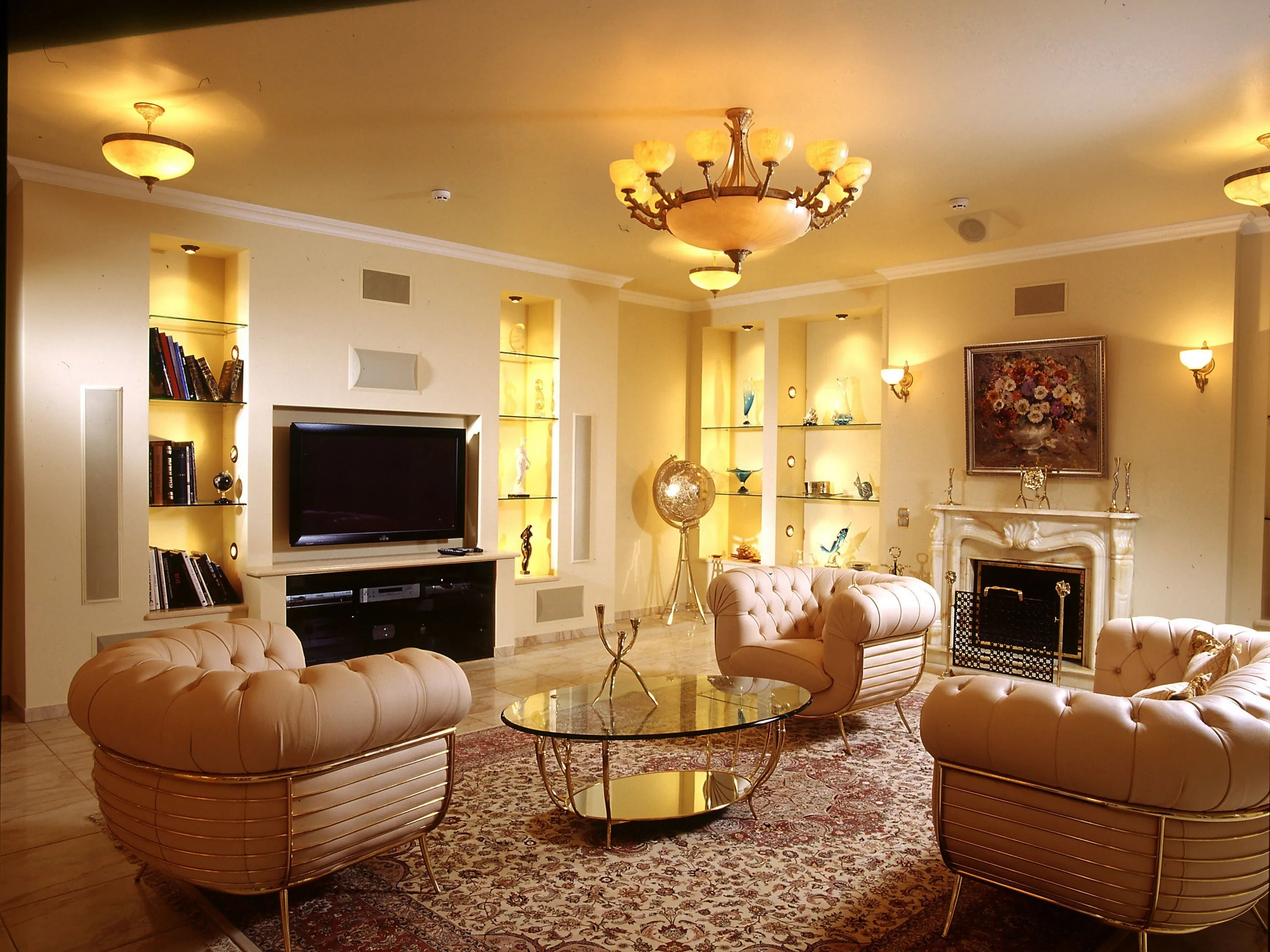
Luxury Living Room Furniture
High-end pieces spanning modern, neo-classical, and Italian Gothic styles — craftsmanship, leathers, and refined artistry.
Read More →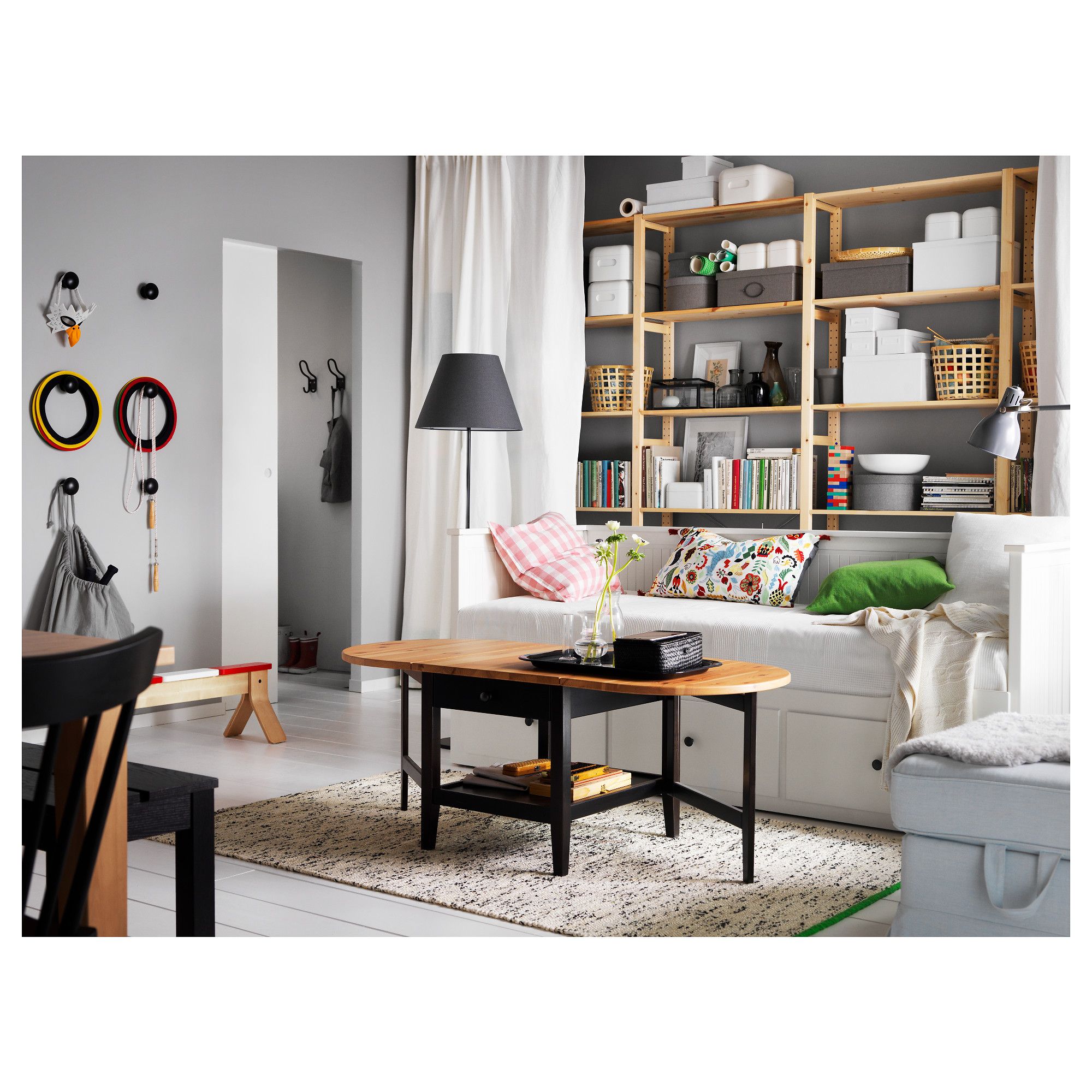
White Living Room Storage Cabinets
Sideboards, curio cabinets, and high-gloss storage units that blend practical organization with decorative appeal.
Read More →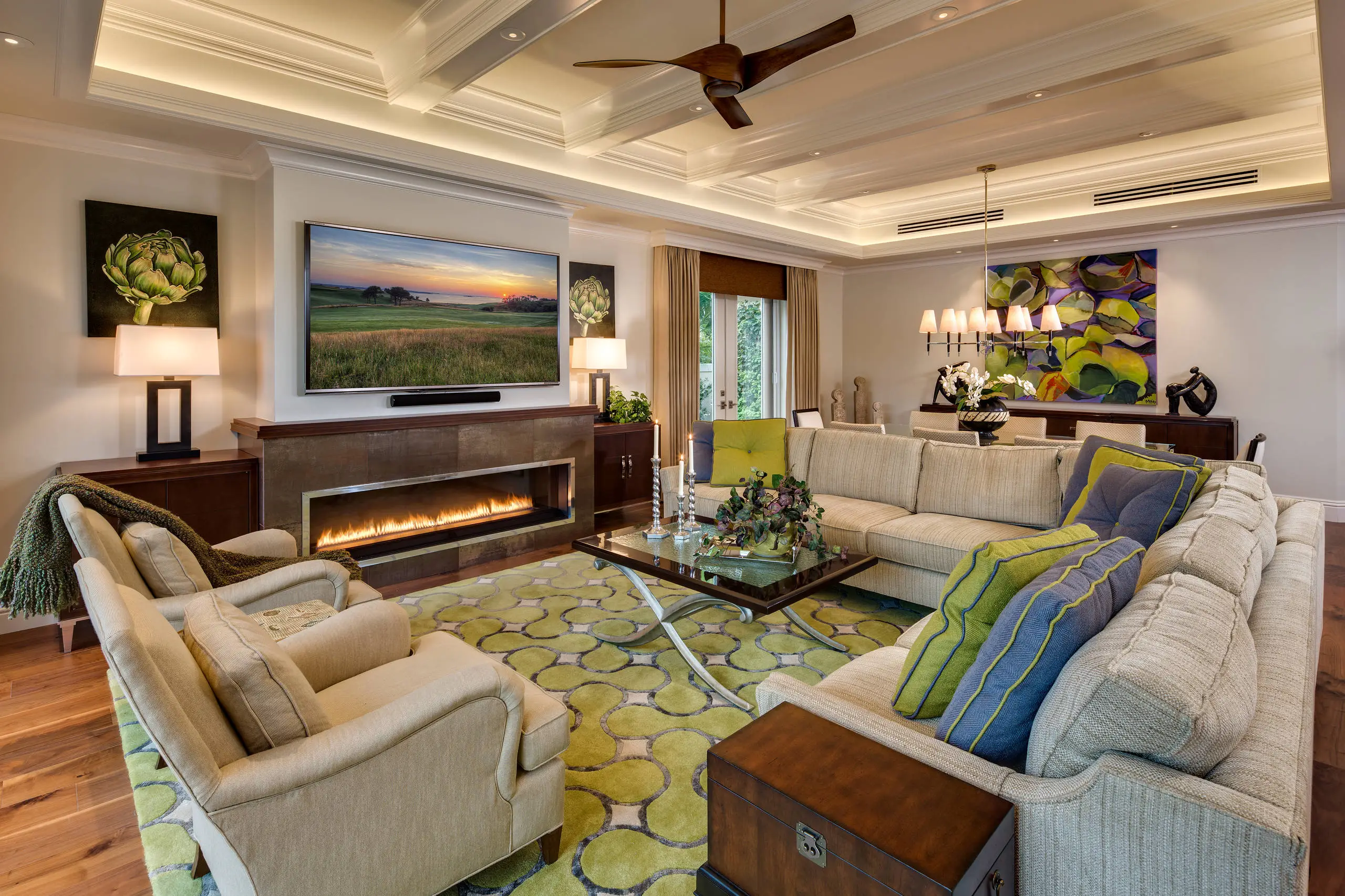
Living Room Decor Essentials
Rugs, pillows, art, lamps, and accent pieces that add layers of color, texture, and personality to any living space.
Read More →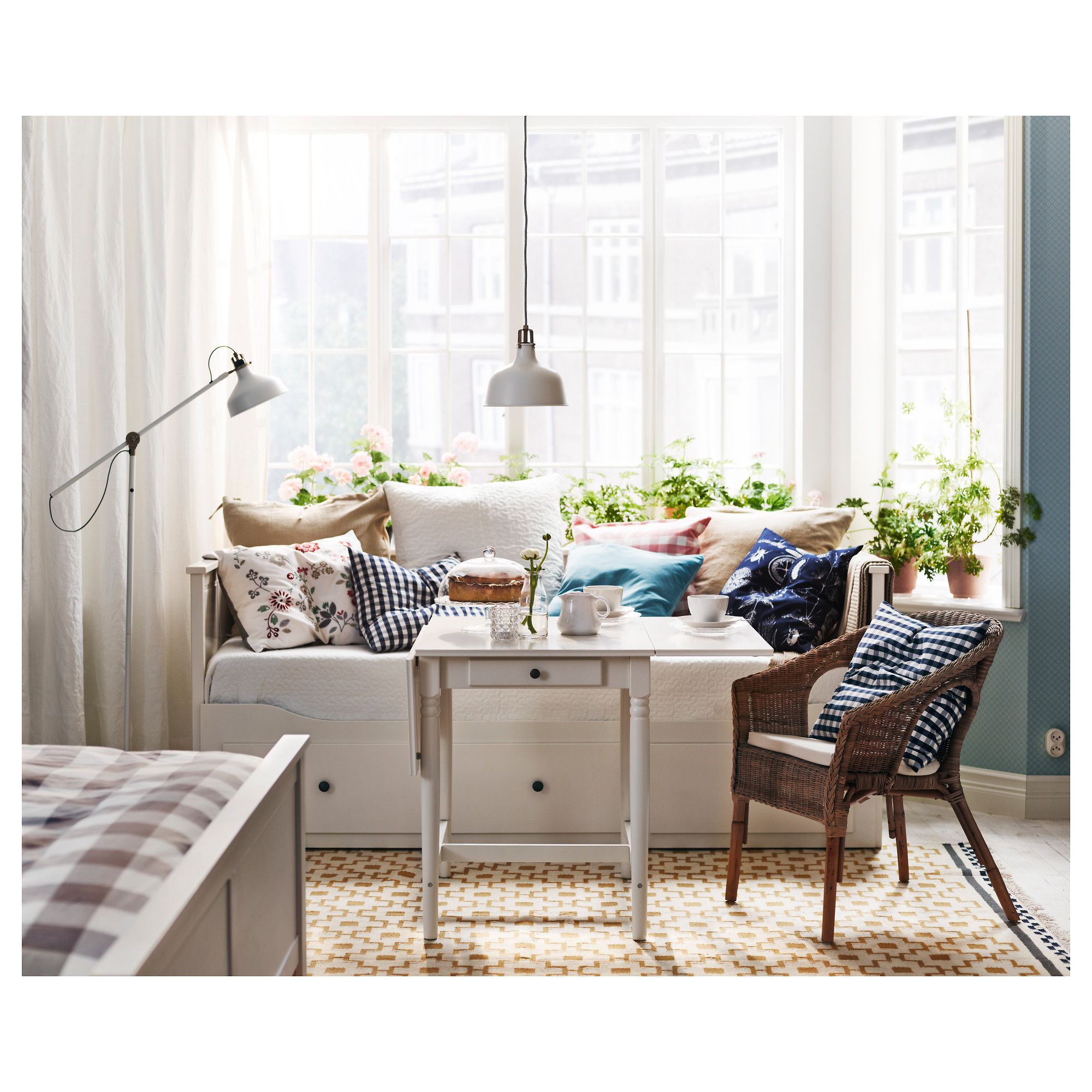
Natural Living Room Decor
Earthy elements, house plants, rustic touches, and organic materials that bring warmth and nature indoors.
Read More →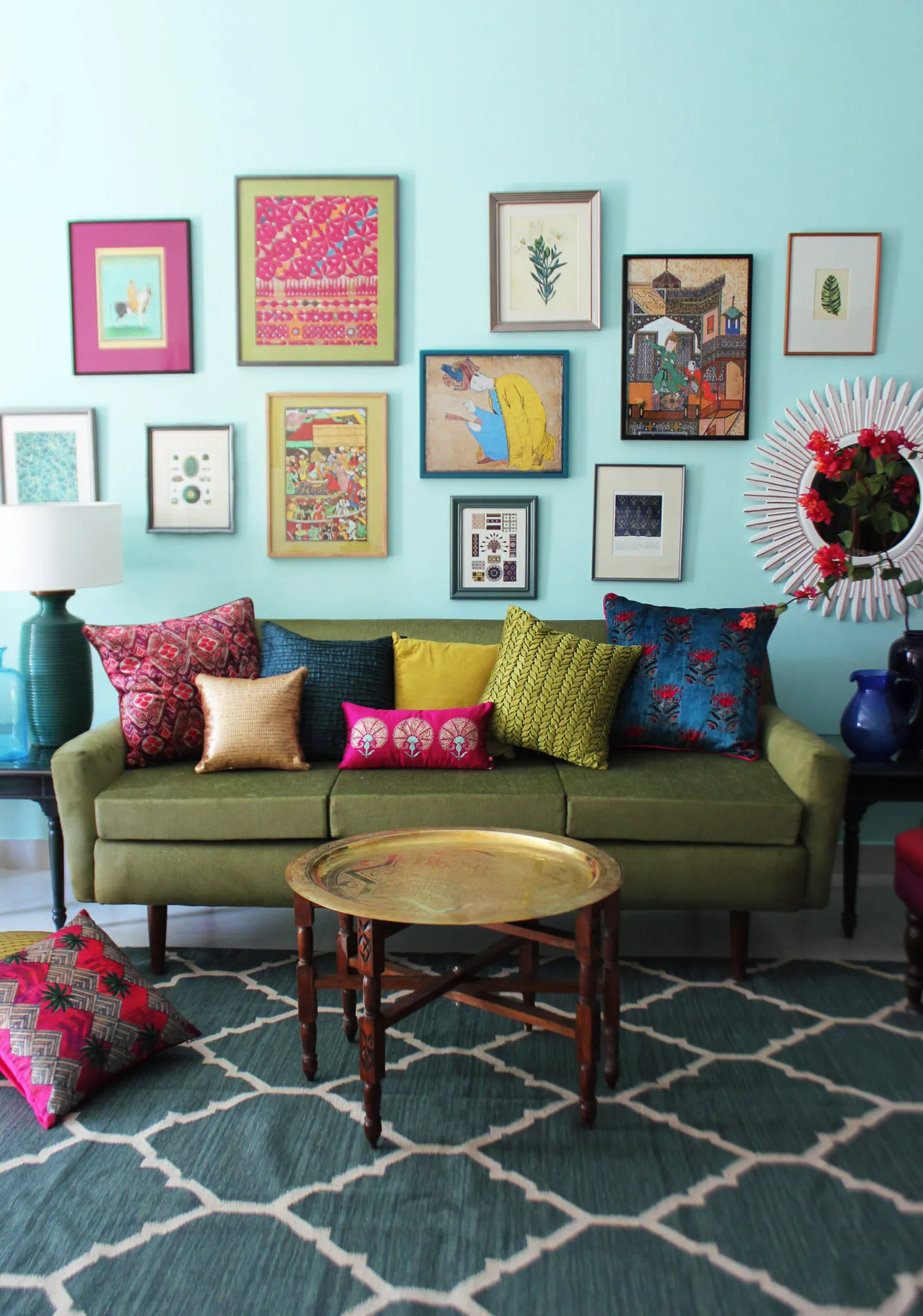
Living Room Ideas: Velvet Sofa
From classic red to trending green and blue, explore how a velvet sofa can transform your living room's character.
Read More →