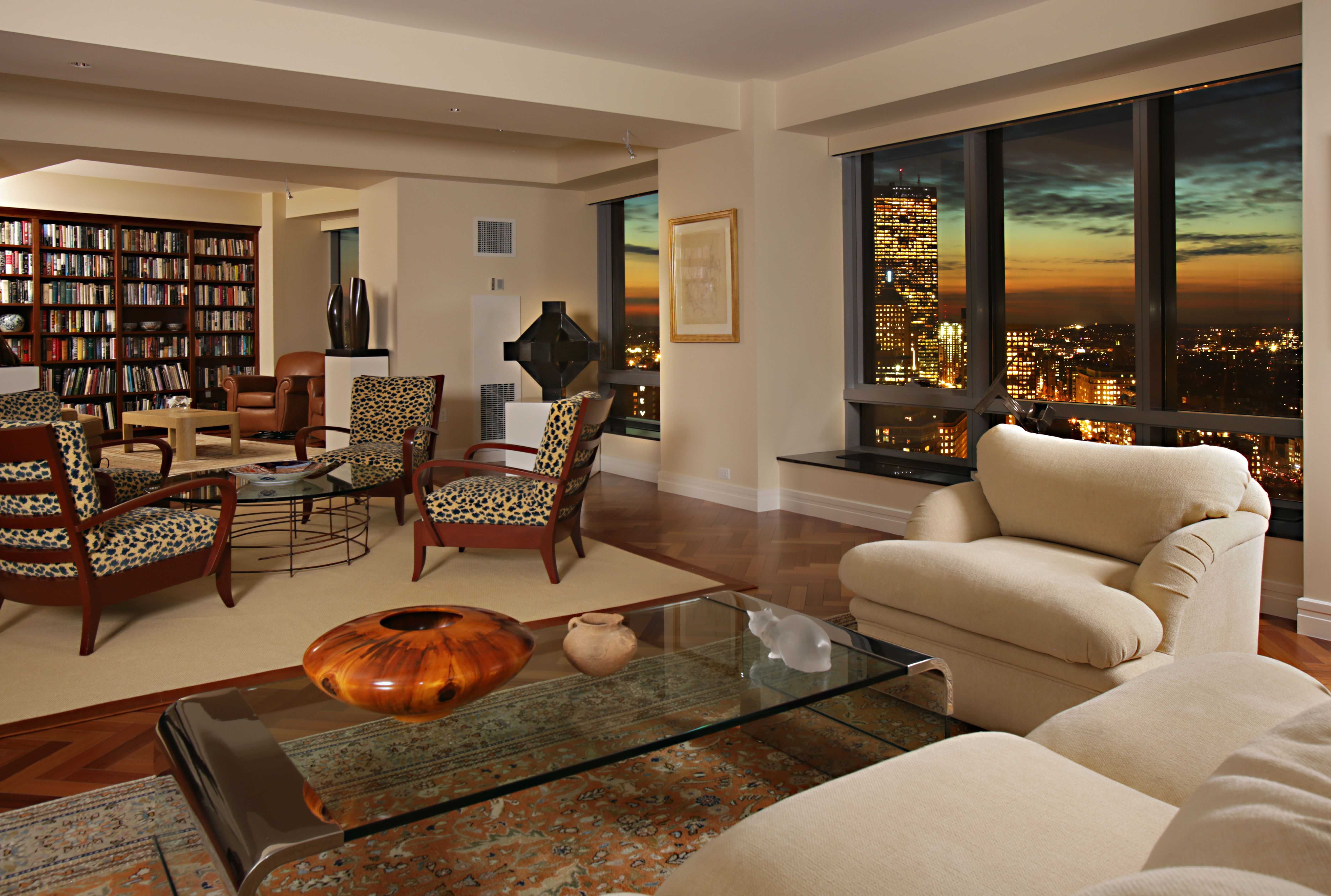
Living Room Design Ideas & Inspiration
Kumpulan Informasi, Tips dan Trik Terlengkap dan Terpercaya — explore curated ideas for sofas, storage, decor, and every style in between.
Explore Ideas →Get Design Inspiration
Tell us what you're looking for and we'll point you to the best articles.
Best Ways to Incorporate a Home Office Nook in a Living Room
A living room can support work, relaxation and entertaining without feeling like a permanent office. The key is to create a compact zone with a clear purpose, then connect it visually to the rest of the room through colour, materials and scale.
A well-planned work nook may be as simple as a slim desk beside a bookcase or a built-in surface beneath a window. In smaller Australian apartments, particularly in Sydney or Melbourne, using an existing wall or an unused corner can provide valuable workspace without sacrificing seating.
The most successful arrangement considers how the room is used throughout the day. A laptop station for occasional remote work needs less storage than a full-time office, while a shared family workspace needs durable finishes, accessible power and a layout that can be packed away quickly.
Choose the right footprint
Start by observing the room’s natural circulation. A desk should not obstruct the path between the sofa, television, balcony or dining area. Allow enough clearance for the chair to move comfortably, and avoid placing the workspace where an open drawer or cupboard will block a doorway.
A narrow desk between a sofa and a wall can work well when floor space is limited. For a larger living room, position the nook behind the sofa or along a quiet side wall so the office feels separate without requiring a full partition. A corner desk can use awkward space efficiently, while a floating wall-mounted surface keeps the floor visually open.
Consider sightlines as well as measurements. If the desk faces the main seating area, paperwork and cables may remain on display all day. Turning it towards a wall, window or bookcase creates a more focused backdrop and helps the living room retain a calm, residential character.
Define the nook without closing it off
A home office nook should feel intentional rather than squeezed into leftover space. Use a rug, paint colour, timber finish or vertical shelving to give the area its own identity. A small rug can sit beneath the desk and chair, although a low-pile design is easier to roll across and clean.
Open shelving is useful for creating a soft boundary between the office and lounge. It can hold books, baskets and decorative objects while allowing light to pass through. A slatted timber screen or a tall plant offers a similar division, particularly in open-plan homes where a solid wall would make the room feel smaller.
Furniture placement can provide separation without visual heaviness. Positioning the desk behind the sofa is especially effective in larger rooms, because the sofa back conceals the work surface from the main seating zone. Keep the finish of the desk aligned with nearby furniture so the nook looks connected rather than added as an afterthought.
Build a comfortable work zone
Ergonomics matter even when the desk occupies only a small part of the living room. Choose a work surface deep enough for a laptop, notebook and light, with space to rest your wrists. A desk around 72 to 75 centimetres high suits many adults, but an adjustable chair is more useful than relying on a decorative dining chair for long work sessions.
Place the screen so daylight falls from the side rather than directly behind it. This reduces glare and makes video calls easier. A window can provide pleasant natural light, but direct western sun may create heat and harsh reflections during Australian afternoons, especially in rooms with large north- or west-facing glazing.
For occasional use, select a chair that can slide beneath the desk or double as a dining chair. If the nook is used daily, prioritise lumbar support and adjustability. A compact ergonomic chair in a muted fabric or timber tone will blend into the lounge more easily than a bulky commercial office chair.
Cable management keeps a small work area looking polished. Use a cable tray beneath the desk, a fabric sleeve for grouped cords and a lidded box for chargers. Keep chargers within reach without allowing them to trail across the floor, where they can become a trip hazard.
Combine storage with living room style
Storage should reflect the work you actually do. A single drawer may be enough for a laptop and stationery, while paperwork, art materials or household administration may require closed cabinets. Wall-mounted cupboards make use of vertical space and keep the floor clear, but open shelving is better for displaying attractive books and accessories.
Baskets and boxes can conceal office supplies while contributing texture to the room. Choose a consistent palette of woven seagrass, warm timber, matte white or black metal so the storage relates to the living room’s existing finishes. Australian homes often favour relaxed natural materials, which makes rattan, linen and pale timber practical choices for a less corporate look.
A fold-down desk or cabinet is valuable when the living room needs to change function in the evening. Internal compartments can store a monitor, keyboard and documents, allowing the doors to close at the end of the workday. If you use a cabinet, check that it has adequate ventilation for equipment and enough depth for the items you plan to store.
Decorative details can make the nook feel finished. Hang one large artwork above the desk, add a small plant or place a ceramic container for pens. Keep the display restrained around the screen, since excessive objects can create distraction and make the area appear cluttered.
Plan lighting, power and flexibility
Layered lighting makes the nook usable in the morning, late afternoon and evening. Combine ambient room lighting with a focused task lamp, positioned to avoid casting shadows across the working hand. A warm-to-neutral LED colour temperature is generally comfortable in a living room, while dimming allows the space to shift back into relaxation mode.
A floor lamp can be a useful alternative when the desk has little surface area. Place it beside the chair or just behind the desk, ensuring the base does not interfere with circulation. Before buying, compare proportions, shade height and brightness with this practical floor lamp guide so the fitting supports both work and evening ambience.
Plan power before finalising the furniture position. Australian electrical work must be completed by a licensed electrician, and installations should comply with relevant state requirements and the AS/NZS 3000 wiring rules. Avoid overloading power boards, running leads beneath rugs or relying on extension cords as a permanent solution. In a rental, ask the property manager before making changes to outlets, lighting or wall-mounted cabinetry.
Think about Australian internet habits as well. Reliable NBN connectivity is important for video meetings, and a nook placed far from the router may need a mesh system or another approved networking solution. In an apartment, check strata rules before drilling into shared walls, and in a rented home choose removable hooks or freestanding storage where possible.
A flexible nook will remain useful as routines change. Leave enough room to replace a laptop with a monitor, add a compact printer or accommodate a second person occasionally. A wall-mounted monitor arm, concealed power rail and mobile drawer unit can provide that flexibility without increasing the desk’s footprint.
Measure the available wall, mark the proposed desk and chair positions with painter’s tape, and live with the layout for a day before buying furniture. Then select a surface, supportive chair, practical storage and suitable lighting that match the room’s existing mood. With a considered arrangement, your living room can support focused work while still feeling comfortable, welcoming and unmistakably like home.
What We Cover
Living Room Topics & Ideas
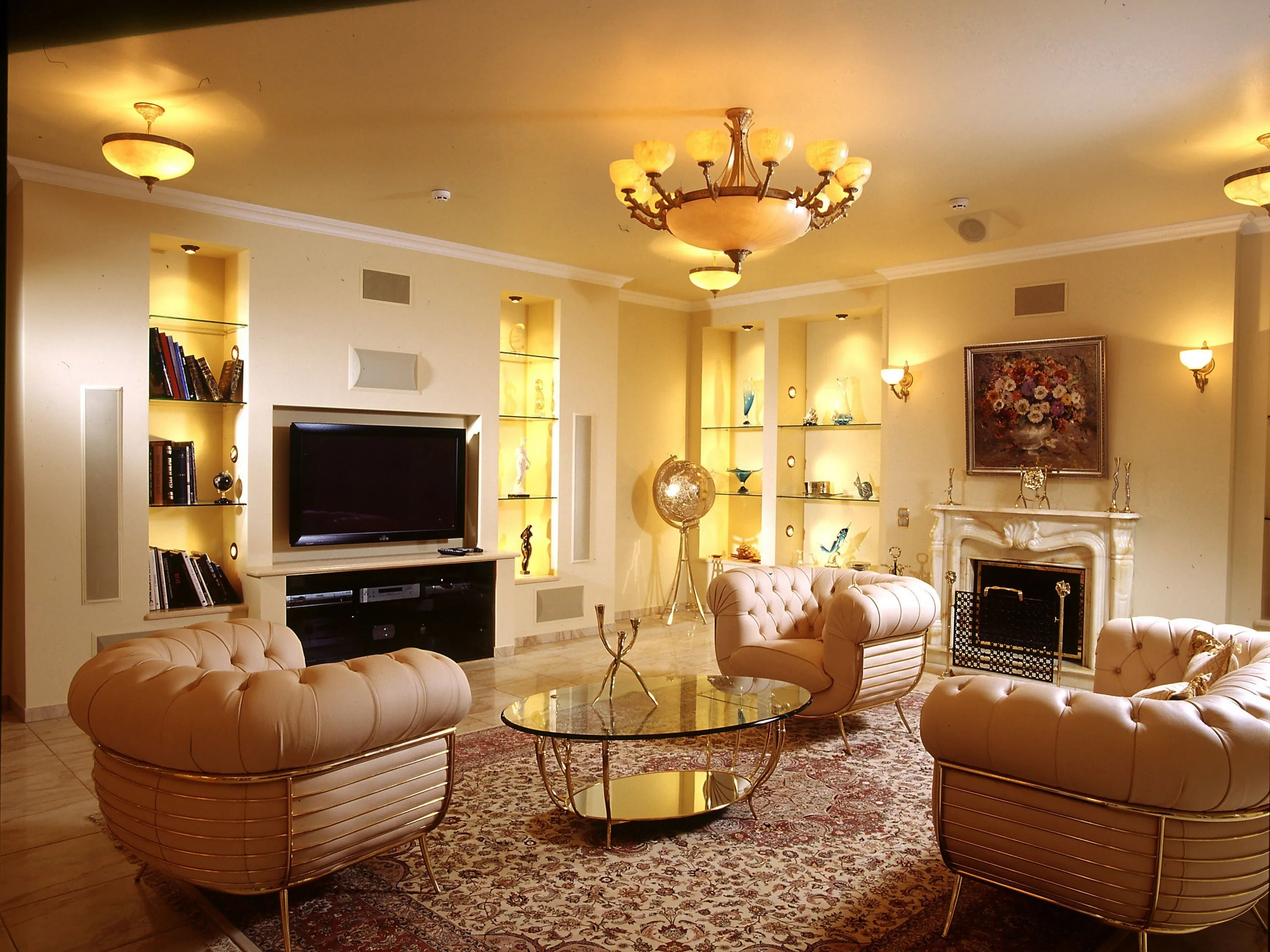
Luxury Living Room Furniture
High-end pieces spanning modern, neo-classical, and Italian Gothic styles — craftsmanship, leathers, and refined artistry.
Read More →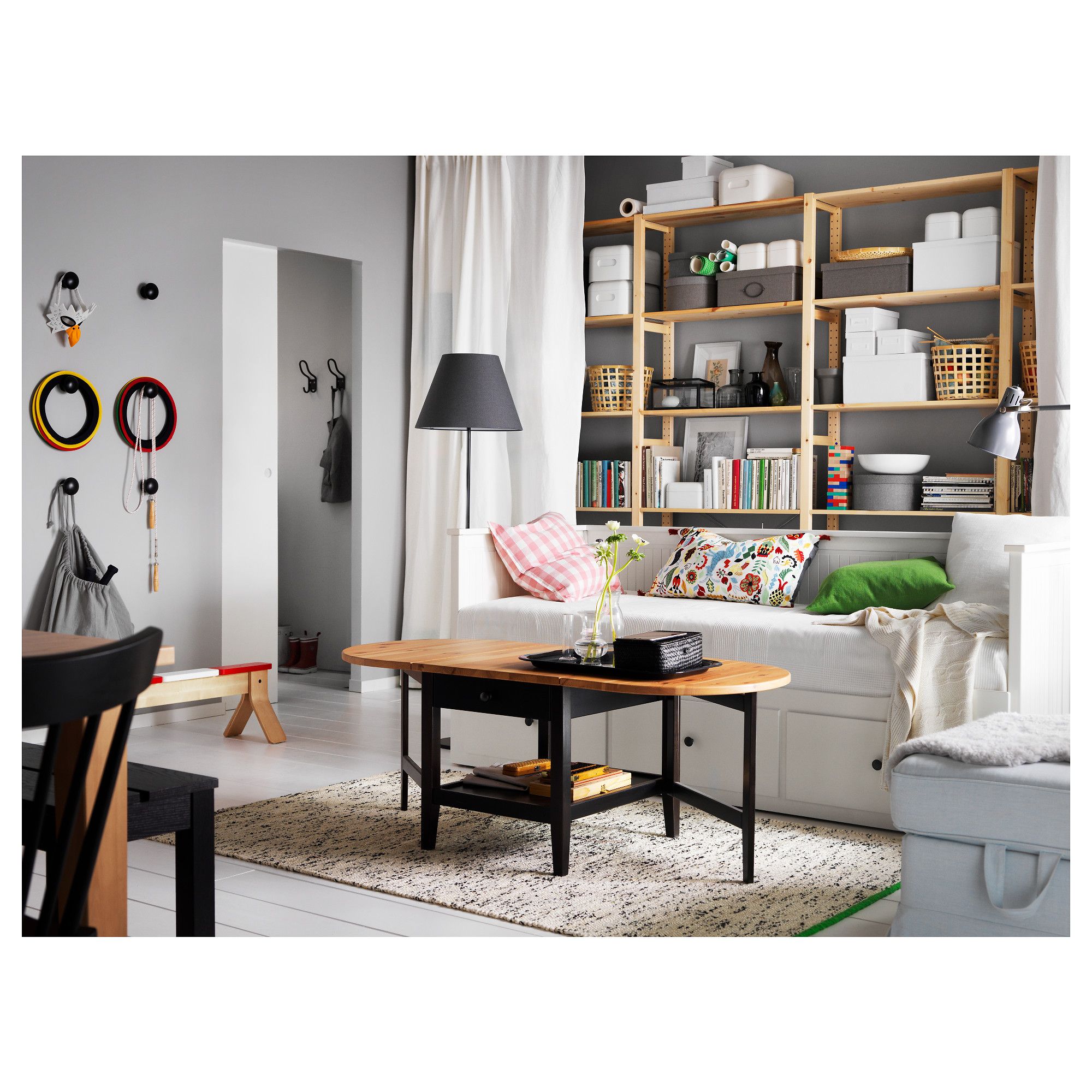
White Living Room Storage Cabinets
Sideboards, curio cabinets, and high-gloss storage units that blend practical organization with decorative appeal.
Read More →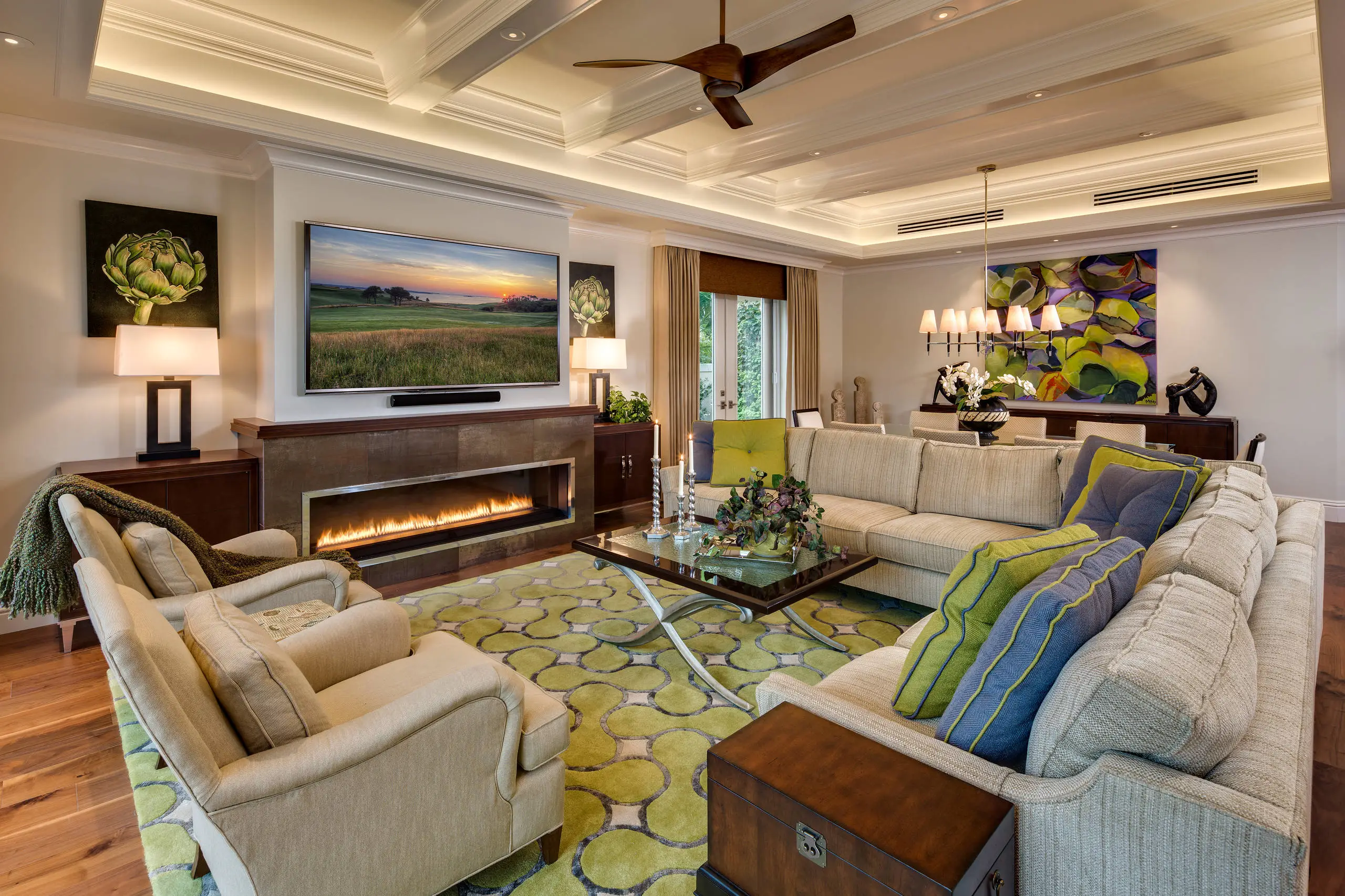
Living Room Decor Essentials
Rugs, pillows, art, lamps, and accent pieces that add layers of color, texture, and personality to any living space.
Read More →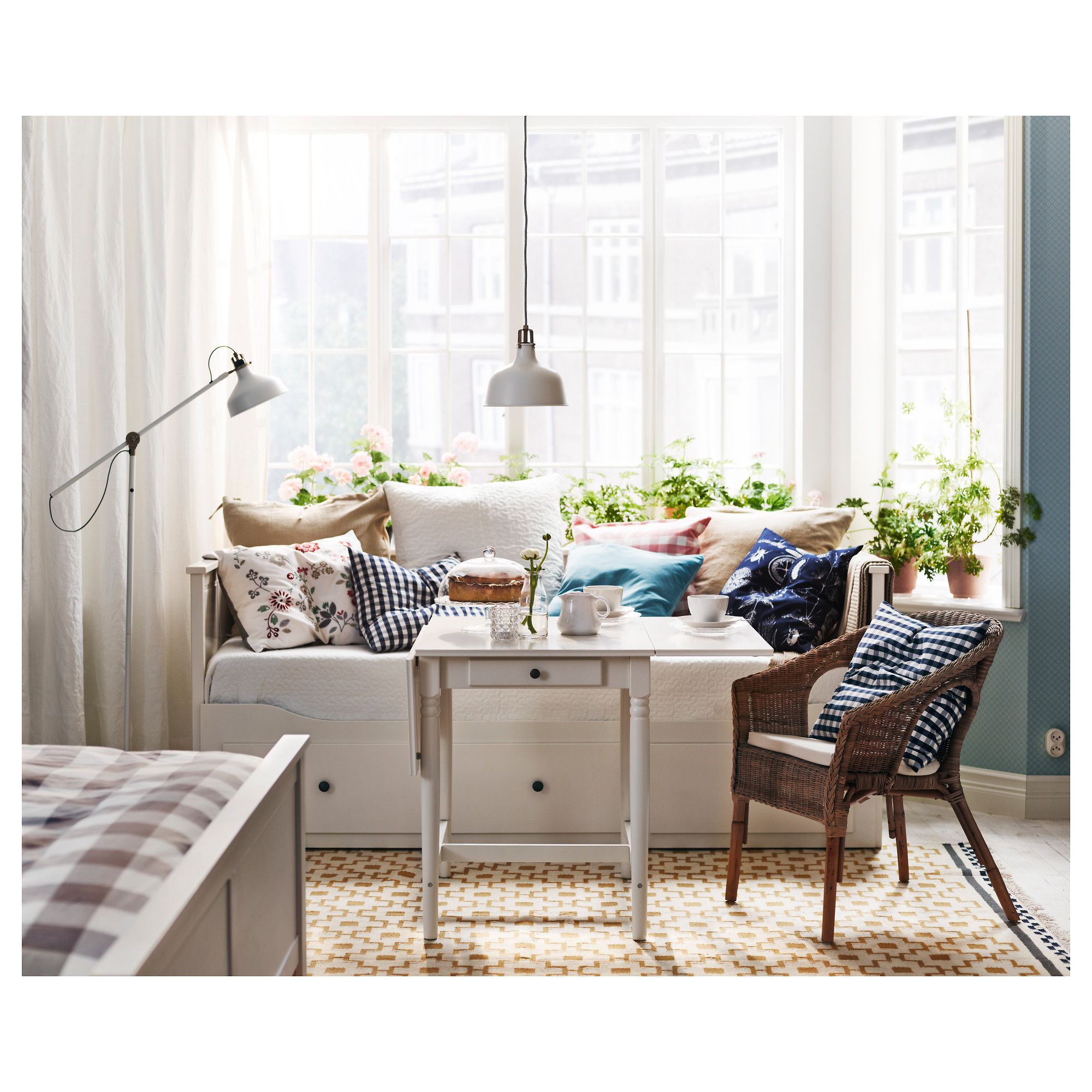
Natural Living Room Decor
Earthy elements, house plants, rustic touches, and organic materials that bring warmth and nature indoors.
Read More →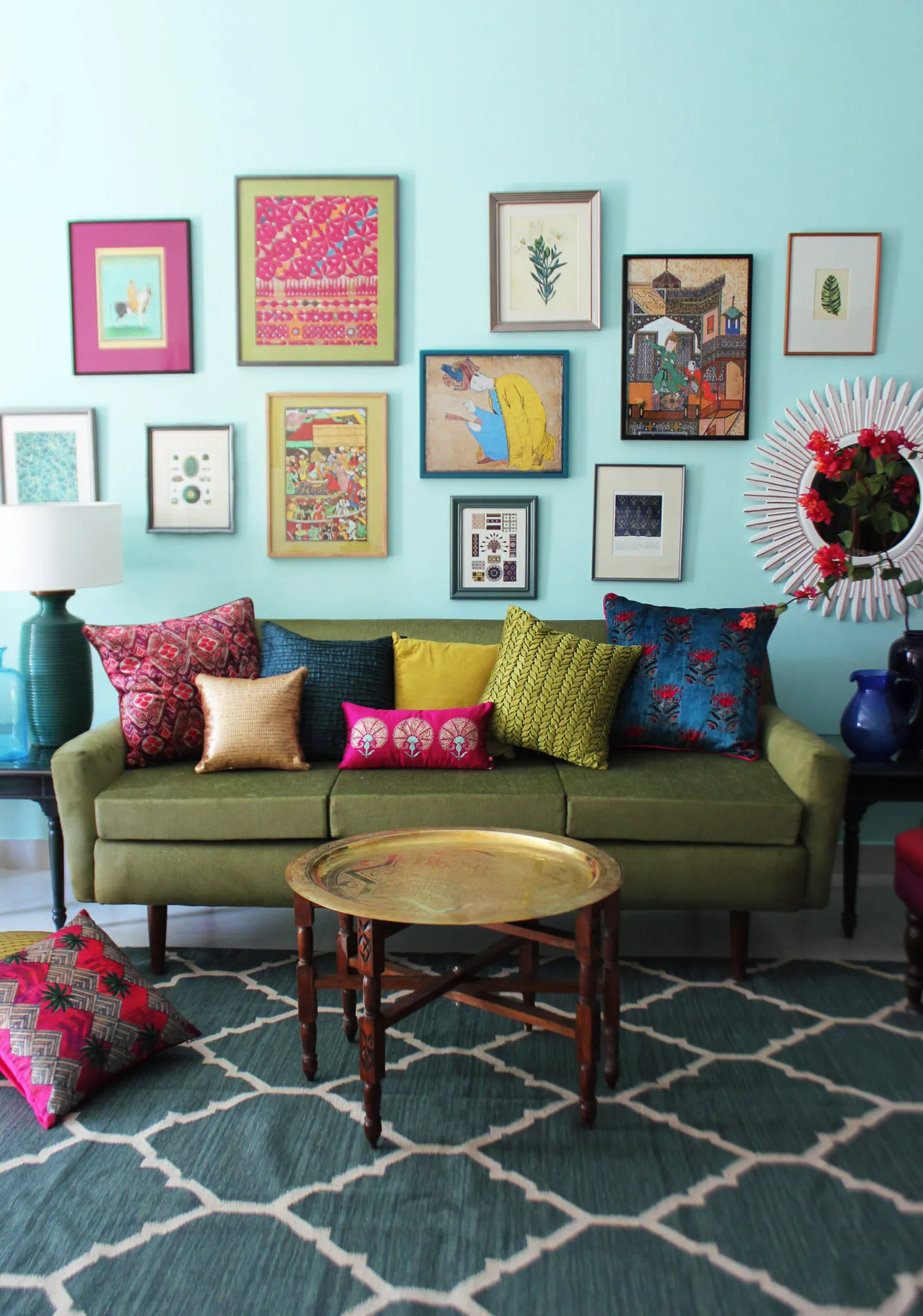
Living Room Ideas: Velvet Sofa
From classic red to trending green and blue, explore how a velvet sofa can transform your living room's character.
Read More →