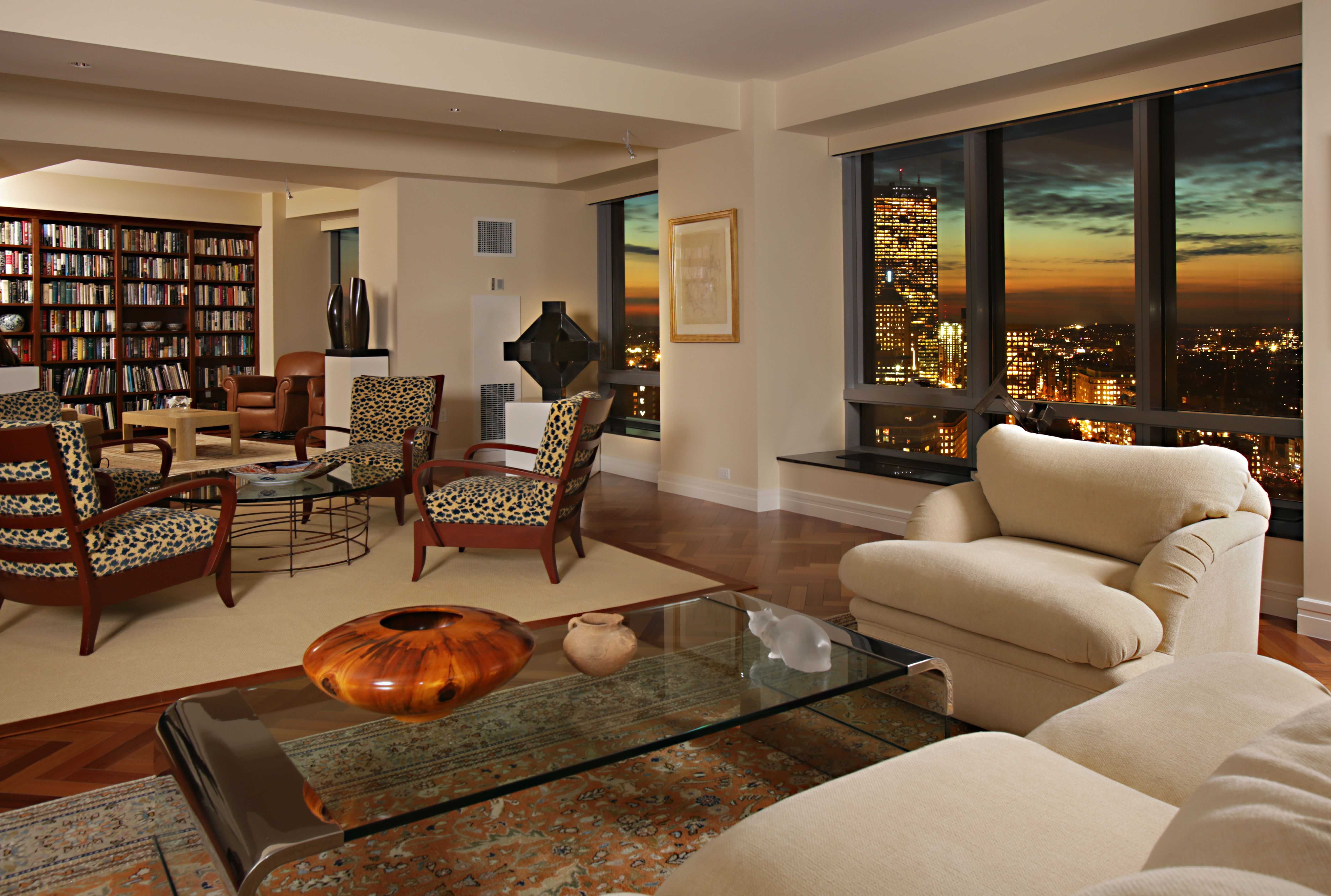
Living Room Design Ideas & Inspiration
Kumpulan Informasi, Tips dan Trik Terlengkap dan Terpercaya — explore curated ideas for sofas, storage, decor, and every style in between.
Explore Ideas →Get Design Inspiration
Tell us what you're looking for and we'll point you to the best articles.
The Best Sectional Sofas for Open Concept Living Rooms
An open concept living room has a distinctive design challenge: the furniture must feel comfortable and inviting without making the entire shared space look crowded. A sectional sofa can define the lounge area, guide movement, and provide generous seating, yet the wrong size or shape may interrupt dining, kitchen, and walkway zones.
The best sectional is therefore more than a large sofa. It should suit the room’s proportions, support the way your household relaxes, and create a visual boundary while preserving an airy connection between spaces. Upholstery, orientation, cushion depth, and leg style all influence how the room feels.
Whether you are furnishing a new home or refreshing an existing layout, thoughtful planning will help you choose a sectional that balances style and everyday practicality. The following ideas cover sizing, configurations, materials, and placement for a polished living area.
Why Sectionals Work In Open Layouts
A sectional naturally anchors a seating area without requiring a solid wall. An L-shaped sofa can face the television while its chaise or return marks the edge of the lounge, creating separation from the dining table or kitchen island. This zoning effect makes a large room feel organized while retaining visual flow.
Sectionals are also useful for households that entertain frequently. Their continuous design offers more seats than a standard sofa and matching armchair arrangement, often with fewer gaps and less visual clutter. A low-profile frame can preserve sightlines across the room, while a higher-backed style provides a stronger sense of enclosure.
Before shopping, identify the room’s primary focal point. The sectional may face a fireplace, media console, window, or architectural feature. Its position should support conversation rather than forcing everyone to look in one direction.
Measure The Room Before Choosing A Shape
Begin with the total dimensions of the living zone, then mark the sofa footprint on the floor using painter’s tape. Include the full depth of the chaise, the space needed for reclining seats, and room for side tables. This simple test reveals whether a sectional will overwhelm the area before delivery day.
Leave a clear path between the main entrance, kitchen, dining area, and other frequently used spaces. A walkway of roughly 30 to 36 inches is generally comfortable, although the best clearance depends on the room and household. Avoid placing the chaise where it creates a bottleneck near a doorway or narrow passage.
Pay attention to ceiling height and nearby furniture as well. A substantial sectional paired with a low coffee table can feel balanced in a large room, while a compact apartment sectional may need slimmer arms and raised legs. Scale matters as much as the listed measurements.
Configurations Worth Considering
Different sectional layouts create distinct zones and seating experiences. An L-shaped model is the most adaptable choice for many open-plan interiors because it fits neatly into a corner or floats in the middle of the room. A U-shaped sectional offers exceptional seating for movie nights and parties, though it needs substantial floor space.
A chaise sectional is a comfortable choice for smaller households or rooms where a full corner return would feel too heavy. The chaise creates a place to stretch out while keeping the overall footprint relatively simple. Modular sectionals offer even greater flexibility, allowing individual pieces to be rearranged as the room’s needs change.
| Sectional Style | Best For | Main Advantage | Potential Limitation |
|---|---|---|---|
| L-shaped | Medium and large open rooms | Defines a zone efficiently | Fixed orientation may restrict placement |
| Chaise sectional | Compact lounge areas | Offers lounging comfort with less bulk | Provides fewer upright seats |
| U-shaped | Large families and entertaining | Creates expansive group seating | Requires generous clearance |
| Modular | Flexible or changing layouts | Can be rearranged over time | Pieces may shift without connectors |
| Reclining sectional | Media rooms and casual spaces | Adds built-in relaxation | Usually has a larger visual and physical footprint |
The room’s architecture should guide the configuration. A floating L-shape may divide a long rectangular space, while a chaise against a wall can preserve openness in a smaller apartment. If you may move furniture later, a reversible chaise or modular design provides valuable adaptability.
Upholstery And Comfort For Daily Use
Fabric upholstery is often a practical choice for busy living rooms because it offers a wide range of colors, textures, and price points. Performance fabrics resist stains and everyday wear, making them suitable for homes with children or pets. Textured weaves can add depth to a neutral room without relying on bold patterns.
Leather and faux leather create a cleaner, more structured appearance and are easy to wipe down. They can, however, feel cooler in winter and may show scratches or wear more visibly. Velvet adds softness and visual richness, though it benefits from regular care and may be less forgiving in high-traffic households.
Cushion construction also affects comfort. Foam provides reliable support and keeps its shape, while feather or down blends feel softer and more relaxed but require frequent fluffing. A medium-firm seat is usually versatile for reading, conversation, and television viewing. For a refined yet comfortable look, explore the Ainsley fabric collection, especially when a coordinated sofa design is central to the room.
Styling A Sectional In A Shared Space
A sectional should connect visually with the kitchen and dining areas without matching every piece exactly. Repeat one or two colors across the open layout through bar stools, dining chairs, artwork, or window treatments. For example, a warm gray sofa can work with walnut furniture, muted green accents, and brass lighting.
Use a large area rug to establish the lounge zone. Ideally, the front legs of the sectional should rest on the rug, helping the sofa and coffee table read as one arrangement. In larger rooms, an extra-wide rug can fit beneath all seating and create a more intentional foundation.
Coffee table proportions deserve careful attention. A round table softens the strong lines of an L-shaped sofa and improves circulation around corners. An ottoman can serve as a footrest, extra seat, and flexible surface, provided its size leaves enough room to walk comfortably.
Create Balance With Lighting And Storage
Layered lighting prevents the sectional from becoming a dark visual block in the center of the room. Combine overhead illumination with floor lamps, table lamps, and accent lighting near artwork or shelving. A slim arc lamp can reach over a chaise without requiring a side table, while wall sconces conserve floor space.
Storage can reinforce the boundary between living and dining zones. A low console behind a floating sectional offers a place for books, lamps, or decorative objects while presenting a finished back view. Open shelving can preserve light, whereas a closed cabinet conceals media equipment and household clutter.
Keep decorative accessories focused rather than scattered. A few substantial cushions, a throw, and one textured centerpiece usually look more composed than a crowded mix of small items. The sectional should remain the comfortable focal point, not disappear beneath layers of decoration.
Smart Buying Priorities
Before selecting a sofa, compare the frame, delivery access, warranty, cleaning instructions, and return policy. Measure elevators, stairways, hallways, and door openings, since a sectional that fits the room may still be impossible to bring inside in one piece. Modular designs can simplify delivery in challenging buildings.
Use these priorities to narrow the options:
- Choose a configuration that preserves clear routes between living, dining, and kitchen areas.
- Select performance upholstery when the sofa will receive frequent use or face pets and children.
- Favor reversible or modular components when the room layout may change.
- Match the sectional’s visual weight to the ceiling height, rug size, and surrounding furniture.
- Test seat depth and cushion firmness in person whenever possible.
A successful open-plan seating arrangement feels deliberate without becoming rigid. The sectional should support conversation, relaxation, and movement while giving the room a clear center. Once the main sofa is correctly scaled, the rest of the design becomes easier to coordinate.
Bring your measurements, floor plan, and preferred upholstery ideas together before making a purchase. With the right sectional, an open concept living room can feel spacious, comfortable, and beautifully defined for everyday living.
What We Cover
Living Room Topics & Ideas
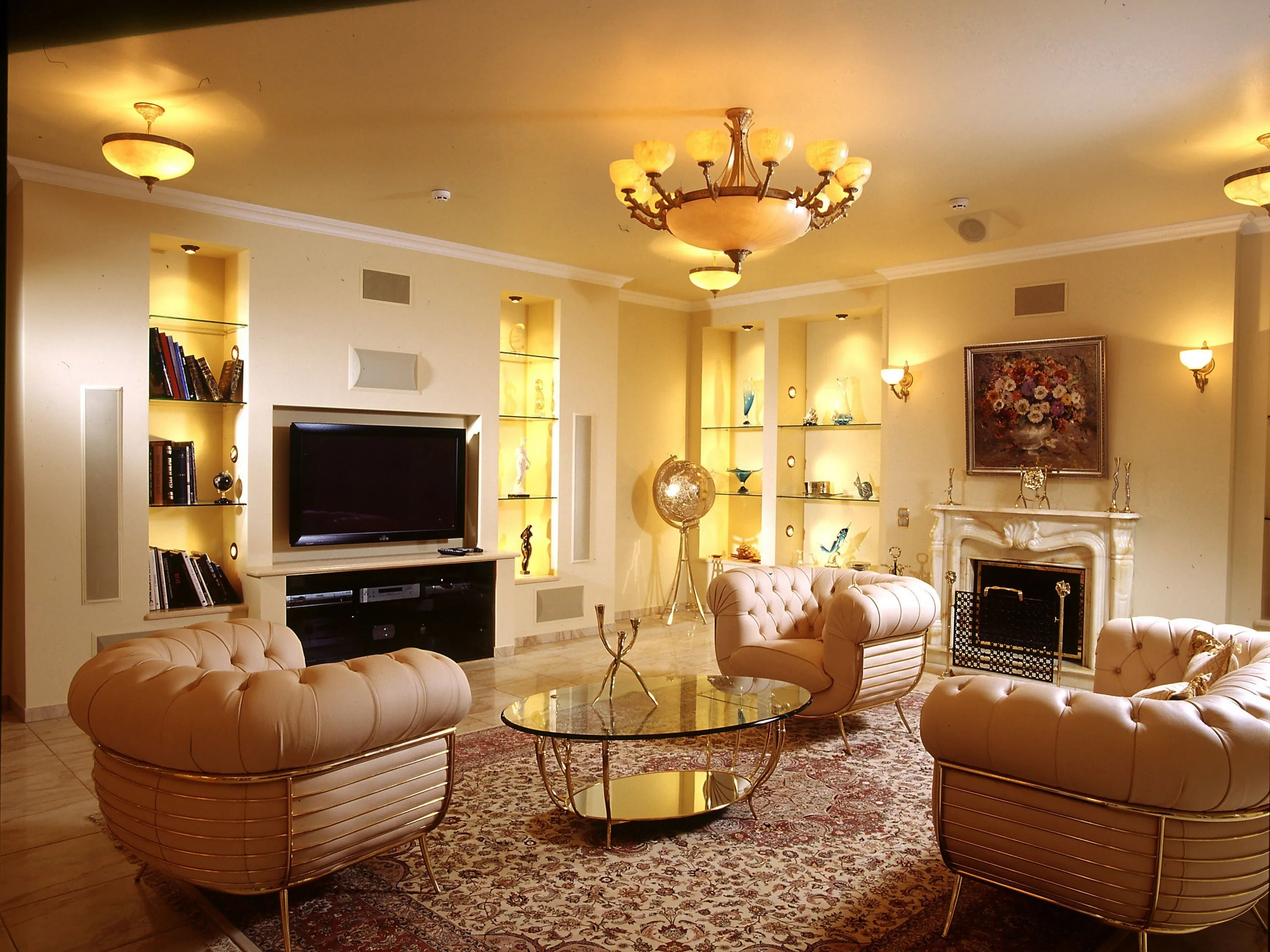
Luxury Living Room Furniture
High-end pieces spanning modern, neo-classical, and Italian Gothic styles — craftsmanship, leathers, and refined artistry.
Read More →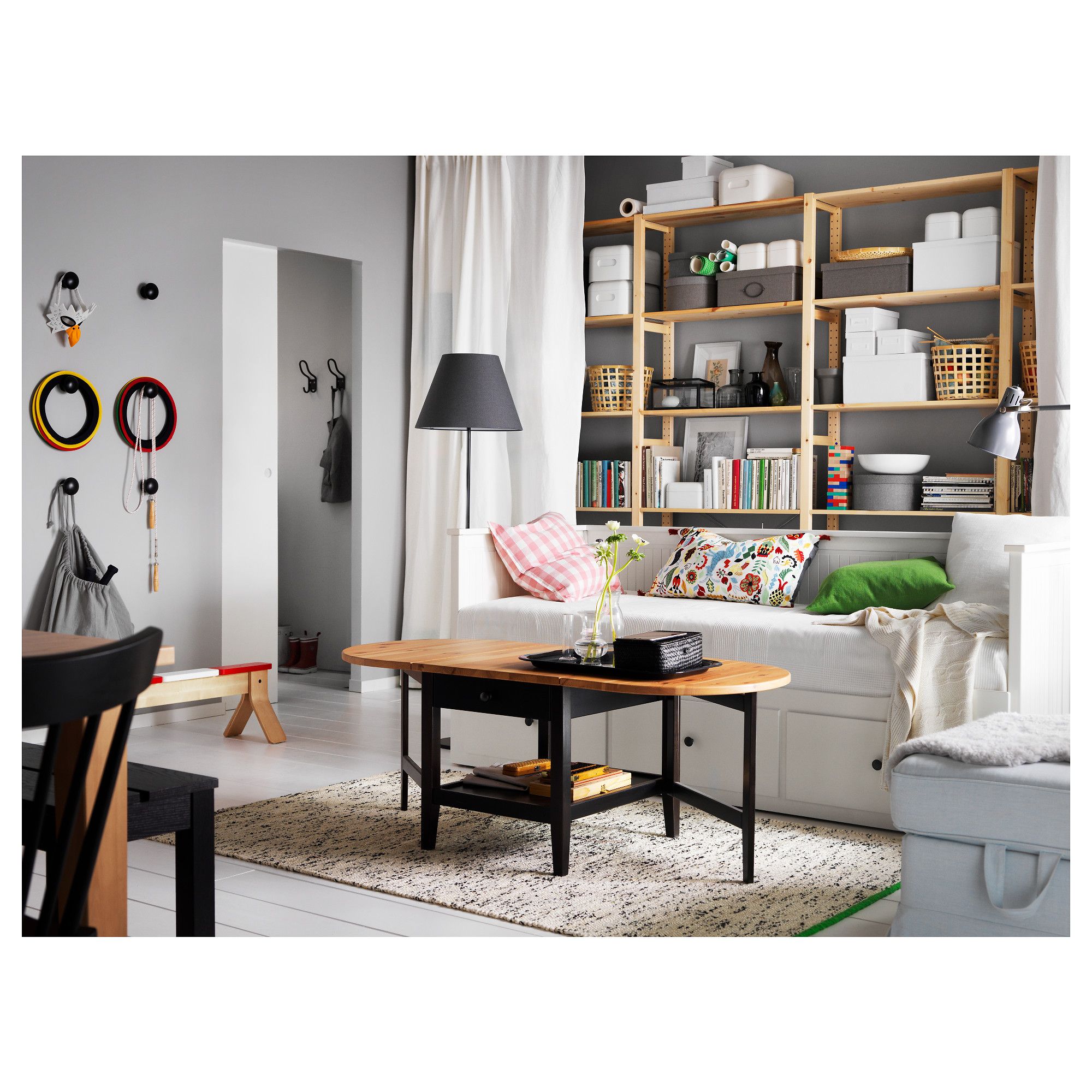
White Living Room Storage Cabinets
Sideboards, curio cabinets, and high-gloss storage units that blend practical organization with decorative appeal.
Read More →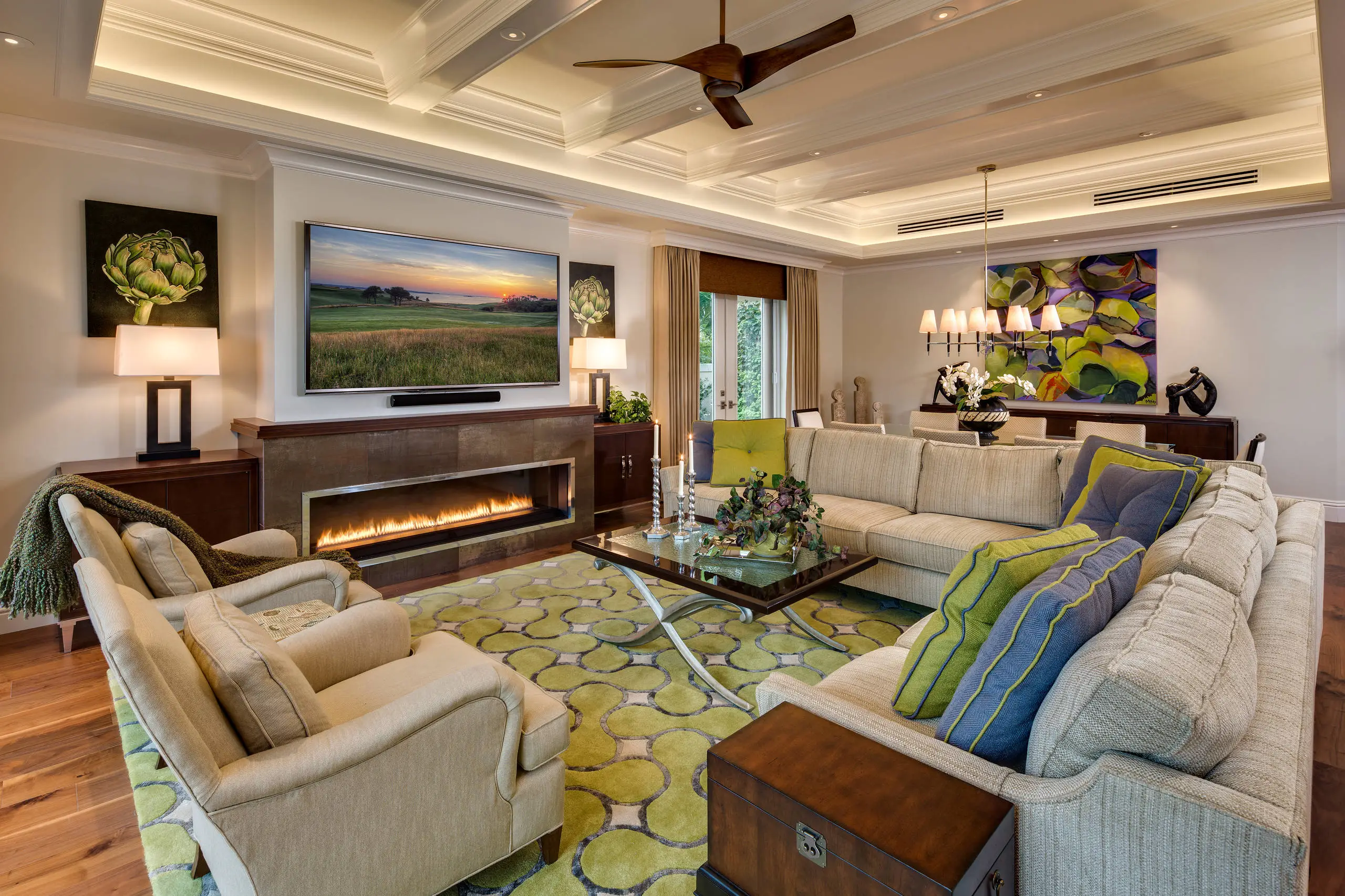
Living Room Decor Essentials
Rugs, pillows, art, lamps, and accent pieces that add layers of color, texture, and personality to any living space.
Read More →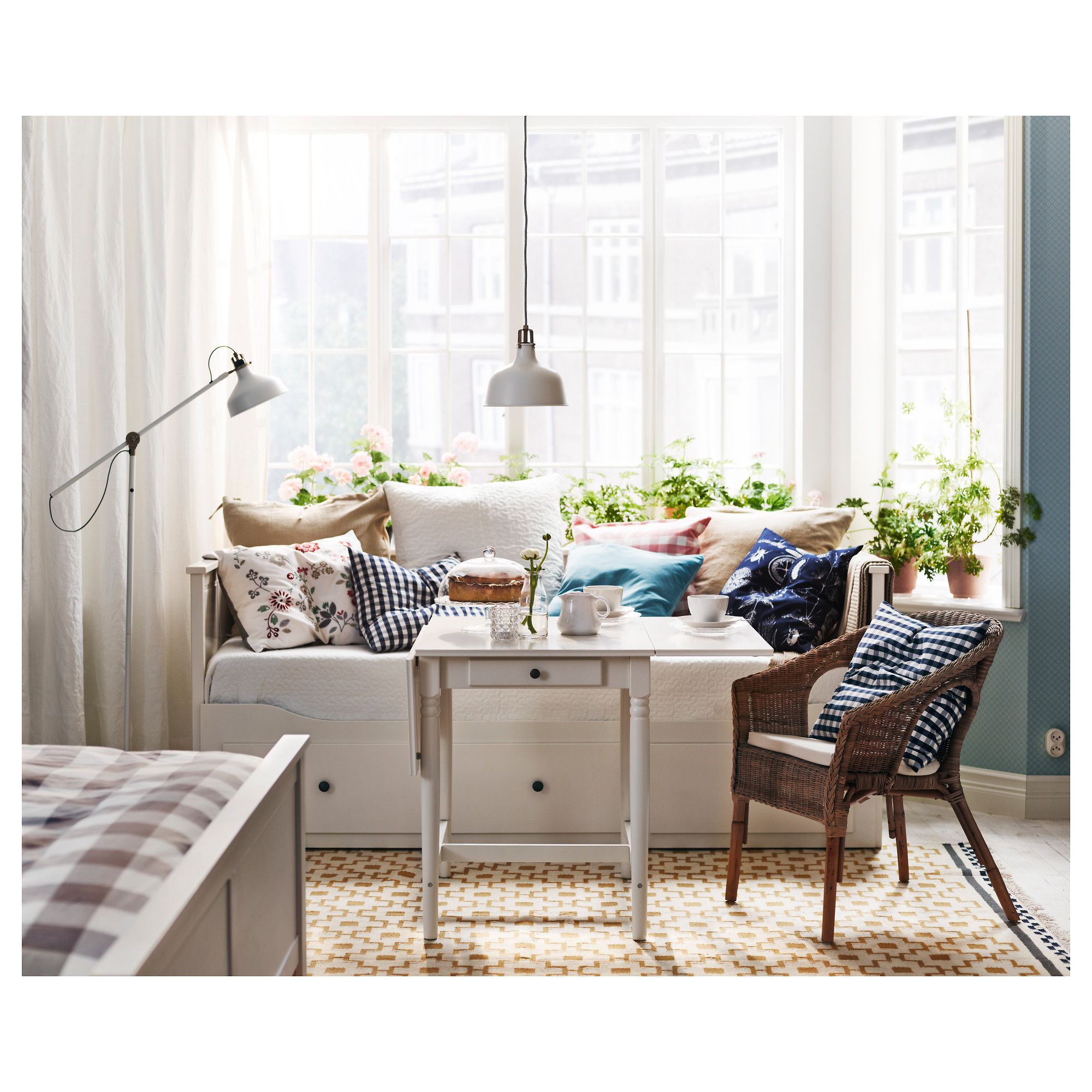
Natural Living Room Decor
Earthy elements, house plants, rustic touches, and organic materials that bring warmth and nature indoors.
Read More →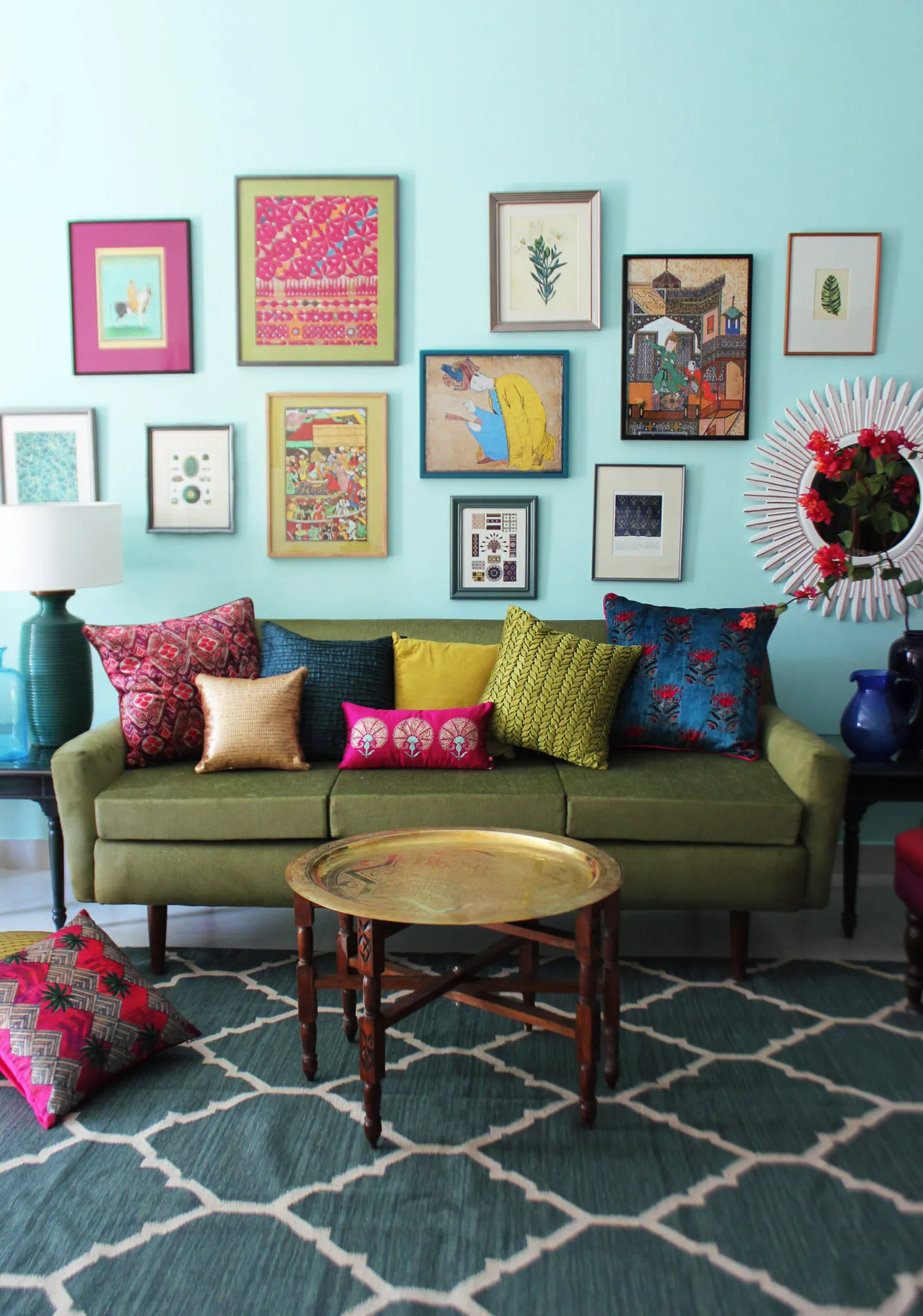
Living Room Ideas: Velvet Sofa
From classic red to trending green and blue, explore how a velvet sofa can transform your living room's character.
Read More →