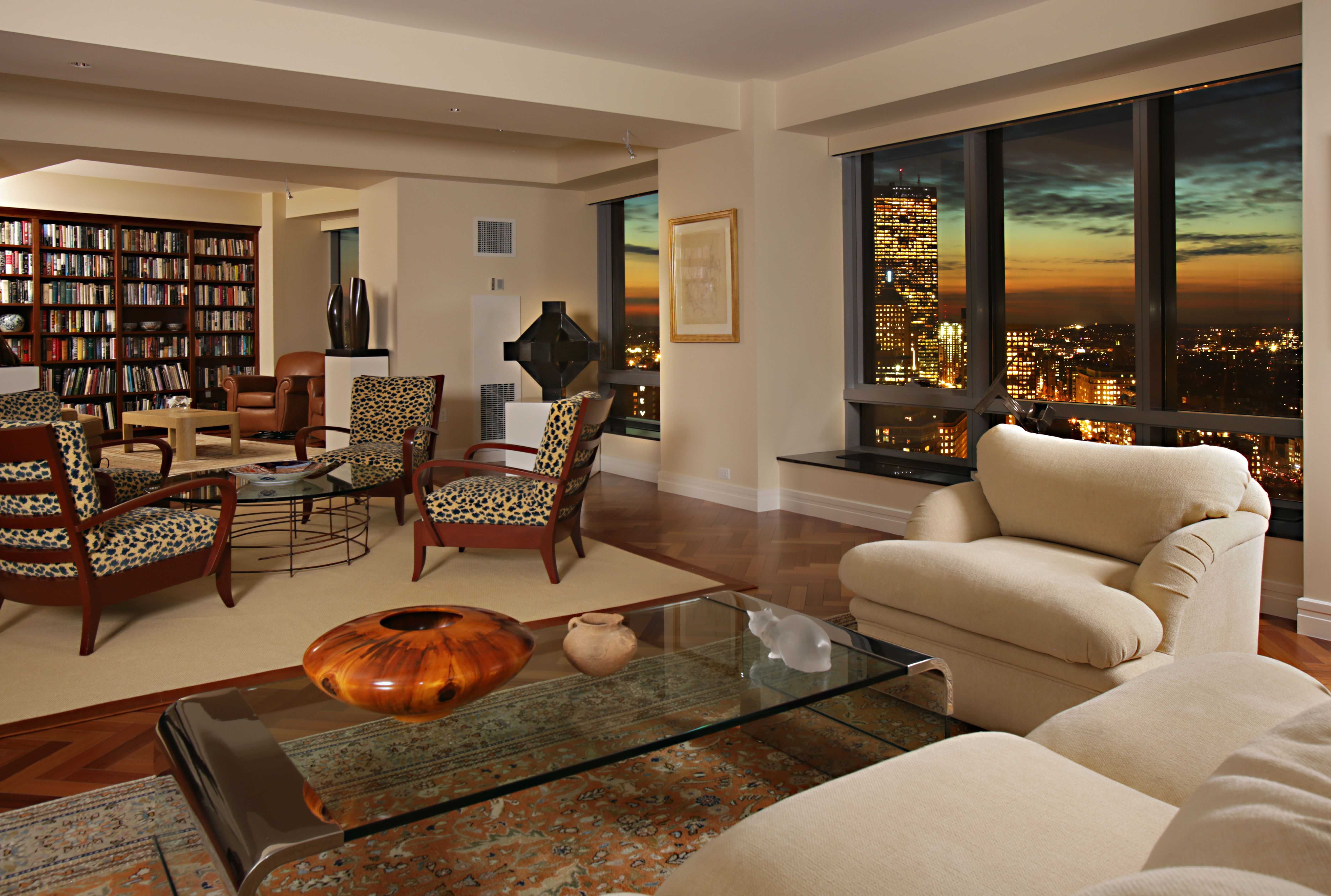
Living Room Design Ideas & Inspiration
Kumpulan Informasi, Tips dan Trik Terlengkap dan Terpercaya — explore curated ideas for sofas, storage, decor, and every style in between.
Explore Ideas →Get Design Inspiration
Tell us what you're looking for and we'll point you to the best articles.
How to Mix and Match Throw Pillows Like a Designer
Throw pillows can change the mood of a living room in minutes, but a successful arrangement takes more than collecting attractive cushions. The right combination balances color, scale, pattern, and texture while supporting the shape of the sofa or accent chair. A thoughtful pillow arrangement should feel layered rather than crowded.
Start by considering the room as a whole. Wall color, flooring, curtains, rugs, artwork, and upholstery all influence the palette. Your cushions do not need to match every detail, but they should connect visually with at least two or three existing elements.
A designer-style display also has an intentional sense of contrast. Smooth linen can sit beside nubby boucle, a large geometric print can frame a small floral, and a deep accent color can give neutral seating more personality. The aim is a composition that feels collected and comfortable.
Build A Focused Color Palette
Choose one dominant color, one supporting shade, and one small accent before selecting individual pillows. The dominant color may come from the sofa or rug, while the supporting shade can echo curtains, wood tones, or wall art. Use the accent color sparingly so it brings energy without taking over.
For example, a cream sofa could be styled with sand, olive, and rust. A charcoal sectional might work with ivory, camel, and muted blue. If your room already contains several strong colors, keep the cushion covers calmer and use texture to create interest.
A useful rule is to repeat each important color at least twice. An ochre pillow feels more integrated when the same shade appears in artwork or a ceramic accessory. This repetition creates rhythm and prevents the cushions from looking like unrelated purchases.
Vary Scale, Shape, And Pattern
Begin with the largest cushions at the back, usually 22- to 24-inch squares on a standard sofa. Place medium squares or rectangular lumbar pillows in front, then finish with a smaller cushion if the arrangement needs a focal point. Layering from large to small gives the display depth and makes each fabric visible.
Pattern scale matters just as much as color. Combine one large-scale design, one medium pattern, and one subtle texture or tiny motif. A bold botanical print, a restrained stripe, and a plain velvet cover will usually feel more balanced than three equally busy patterns.
Do not limit the arrangement to square pillows. Lumbar cushions add structure and support, while round or bolster shapes can soften a highly tailored sofa. On a deep sectional, mix rectangular pillows with oversized squares so the seating remains inviting rather than overly symmetrical.
Combine Fabrics For Tactile Contrast
Texture is especially valuable in a neutral living room. Linen brings a relaxed, matte finish; velvet adds depth and a gentle sheen; wool introduces warmth; and cotton canvas keeps the composition casual. Combining these surfaces makes a limited color palette feel richer.
If your seating has a strong finish, let the pillows respond to it. A sleek leather sofa benefits from knitted, woven, or nubby cushions that make the area feel less formal. A plush sofa can be balanced with crisp linen or structured cotton. For additional inspiration, explore velvet sofa ideas and notice how fabric, color, and cushion styling work together.
Avoid using too many fabrics with competing visual effects. Three or four distinct textures are generally enough for one sofa. Include at least one quiet surface between highly tactile materials so the arrangement has room to breathe.
Use A Reliable Pillow Formula
A simple formula helps you shop with purpose. On a three-seat sofa, five pillows often provide enough layering without sacrificing usable space. A pair of larger cushions can anchor the ends, while three smaller pieces create a central transition.
The following combinations offer different levels of pattern and formality:
| Style Direction | Suggested Pillow Mix | Best For |
|---|---|---|
| Calm And Minimal | Two solids, one subtle stripe, one textured lumbar | Neutral rooms and compact sofas |
| Warm And Collected | One botanical, two solids, one woven design, one small accent | Casual family living rooms |
| Refined Contrast | Two velvet solids, one geometric, one silk-look lumbar | Formal seating and darker palettes |
| Eclectic Layering | One bold print, one vintage-inspired motif, two textures, one plain cushion | Creative interiors with varied accessories |
For a sectional, treat each seating zone as part of the same composition instead of filling every corner independently. Use related colors and repeat one fabric or pattern across the L-shape. This keeps the arrangement connected while allowing each side to have a slightly different balance.
The number of cushions should reflect how the room is used. A decorative display can be fuller, while a family sofa needs open space for sitting and lounging. Leave enough room for people to settle comfortably without moving every pillow first.
Match The Arrangement To The Sofa
The sofa’s proportions should guide the cushion layout. Low-profile seating looks best with a restrained stack of medium pillows, while a deep sofa can accommodate oversized cushions and substantial lumbar supports. On a narrow loveseat, two or three carefully chosen pillows are usually more effective than a crowded row.
Symmetry creates a polished effect, especially in formal rooms. Place matching large pillows at both ends and use a different central cushion for a gentle focal point. For a relaxed style, use visual balance rather than identical pairs: repeat colors and textures while varying the shapes.
The sofa is not the only place for layered textiles. A nearby armchair can carry one pillow in the room’s accent color, and a storage bench can repeat the dominant pattern. When furniture, upholstery, and accessories share a visual language, even a bold cushion arrangement feels deliberate. For rooms with elevated finishes, these luxury living room furniture ideas can help coordinate cushions with larger pieces.
Avoid Common Styling Mistakes
Too much matching can make a room feel staged. Buying an entire collection from one fabric line may create coordination, but it often removes the variation that makes a space feel personal. Mix retailers, materials, and pattern types while keeping the palette consistent.
The opposite problem is random variety. A cushion may be beautiful on its own yet look disconnected when placed beside unrelated colors and motifs. Before buying, compare each option with the sofa, rug, and existing accessories in daylight.
Use these practical guidelines when editing your arrangement:
- Keep the largest patterns toward the back or at the outer edges.
- Repeat an accent color in at least two locations around the room.
- Mix soft and structured fabrics for balanced tactile appeal.
- Remove one cushion if the sofa looks crowded or difficult to use.
- Choose removable, washable covers for high-traffic living spaces.
Refresh the arrangement seasonally by changing two or three covers rather than replacing every pillow. Linen, cotton, and faded botanical patterns suit warmer months, while velvet, wool, and deeper tones create a cozier winter setting. Store unused covers in a labeled basket or drawer so the change remains simple.
A designer-inspired pillow display is built through editing. Select a clear palette, vary scale, layer contrasting textures, and leave enough space for comfort. With a few intentional choices, your sofa can become a polished focal point that reflects the character of the entire home.
Measure your sofa, identify three colors already present in the room, and choose your first coordinated group of covers. Arrange them from largest to smallest, step back to assess the balance, and refine the display until it feels both beautiful and easy to live with.
What We Cover
Living Room Topics & Ideas
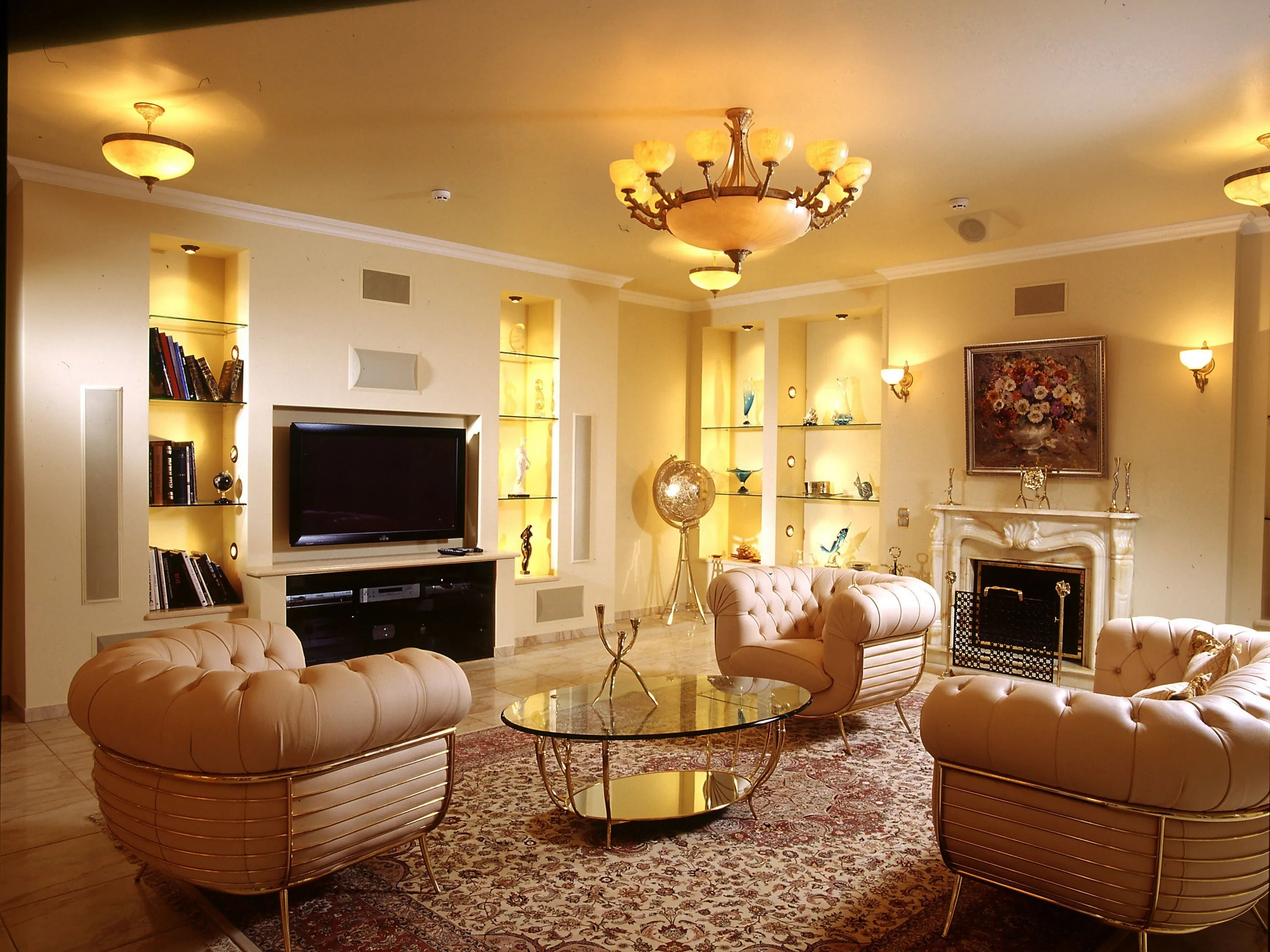
Luxury Living Room Furniture
High-end pieces spanning modern, neo-classical, and Italian Gothic styles — craftsmanship, leathers, and refined artistry.
Read More →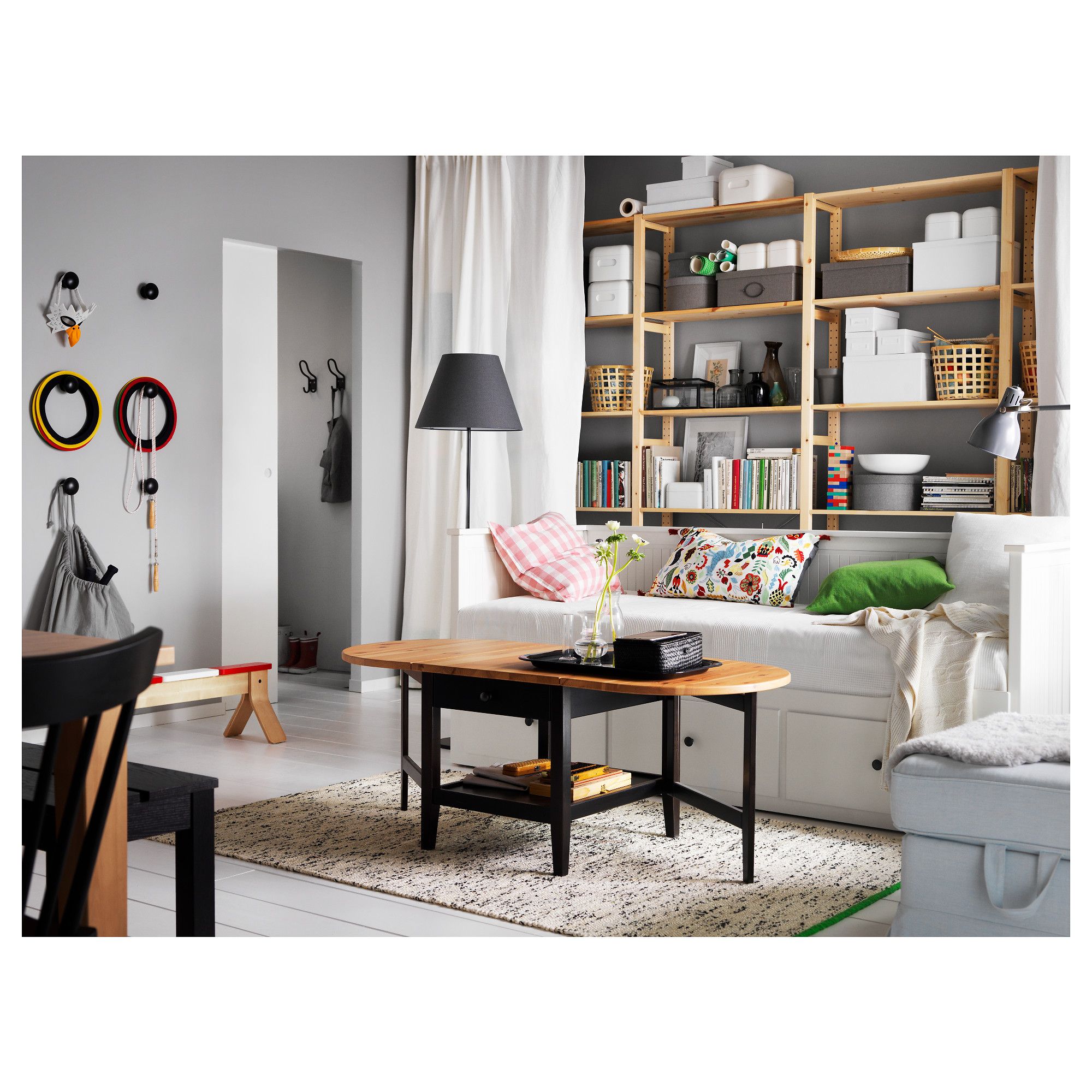
White Living Room Storage Cabinets
Sideboards, curio cabinets, and high-gloss storage units that blend practical organization with decorative appeal.
Read More →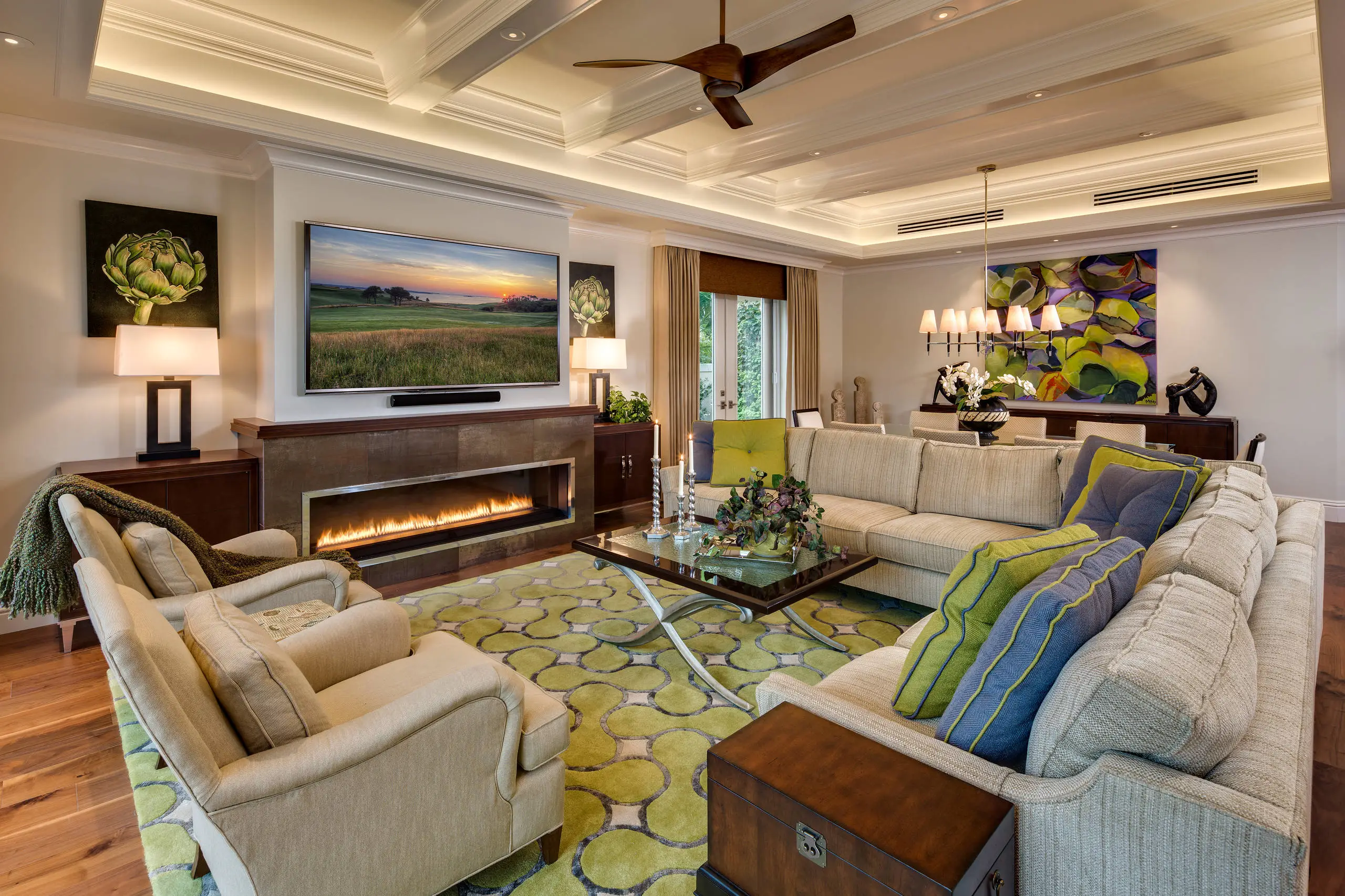
Living Room Decor Essentials
Rugs, pillows, art, lamps, and accent pieces that add layers of color, texture, and personality to any living space.
Read More →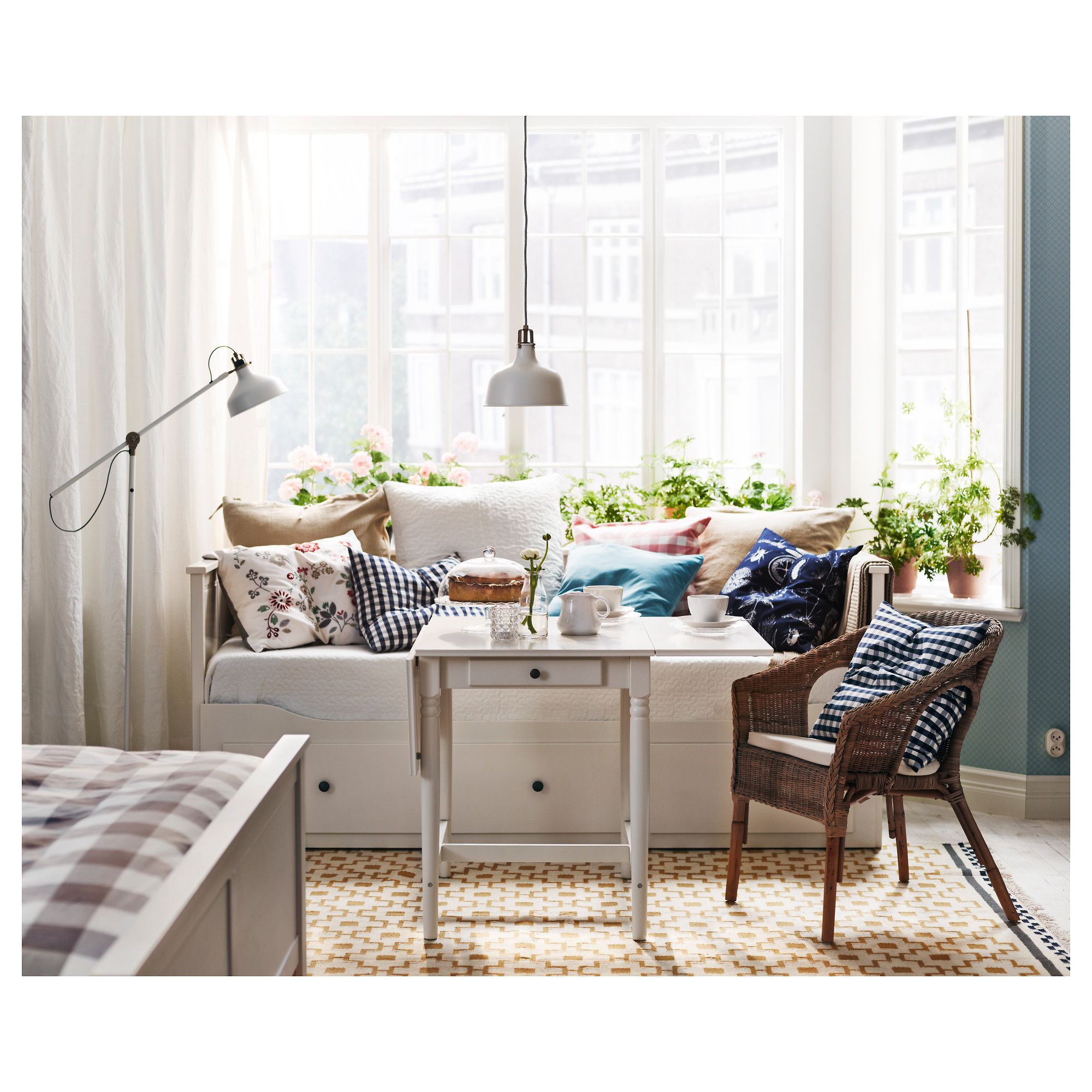
Natural Living Room Decor
Earthy elements, house plants, rustic touches, and organic materials that bring warmth and nature indoors.
Read More →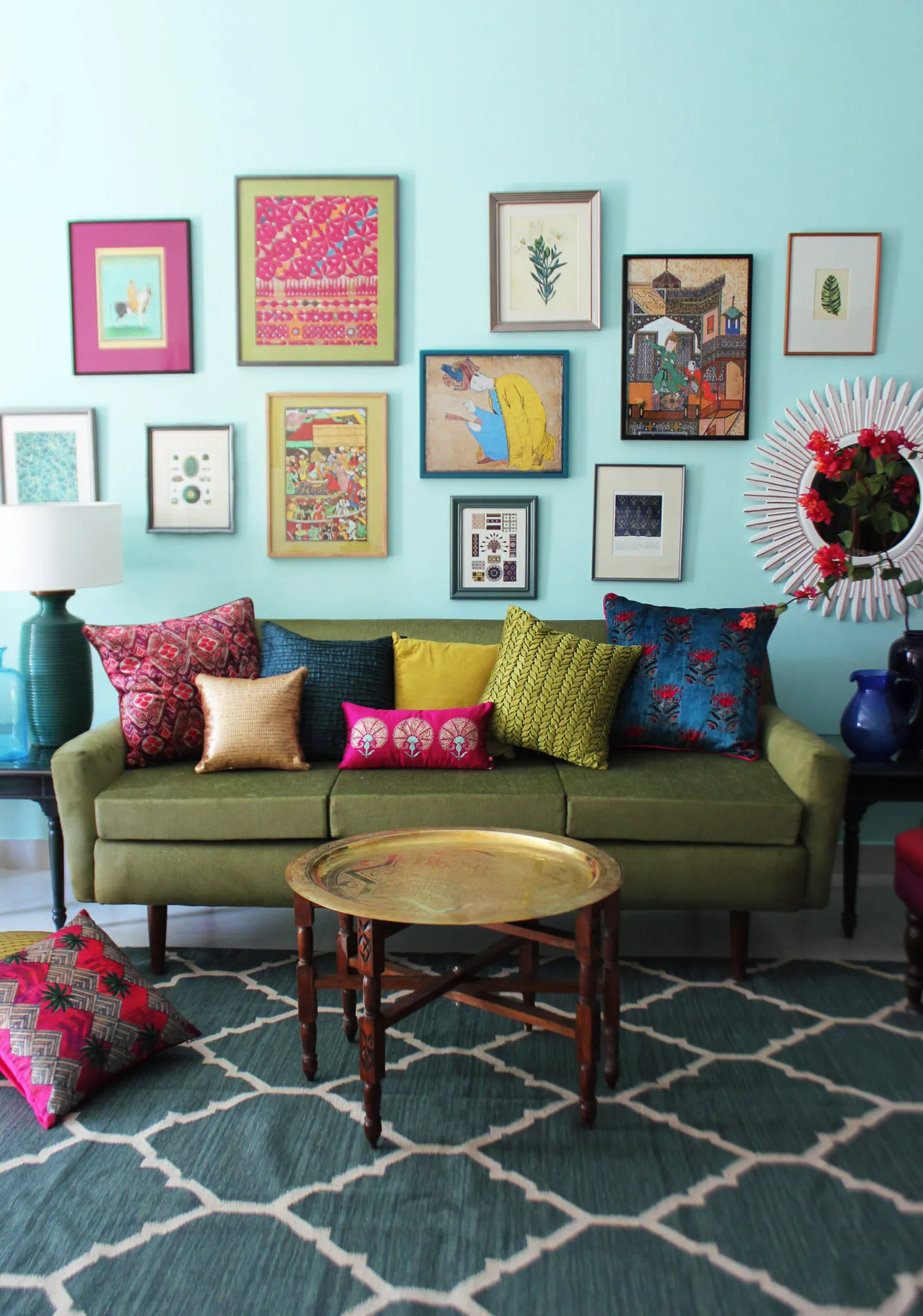
Living Room Ideas: Velvet Sofa
From classic red to trending green and blue, explore how a velvet sofa can transform your living room's character.
Read More →