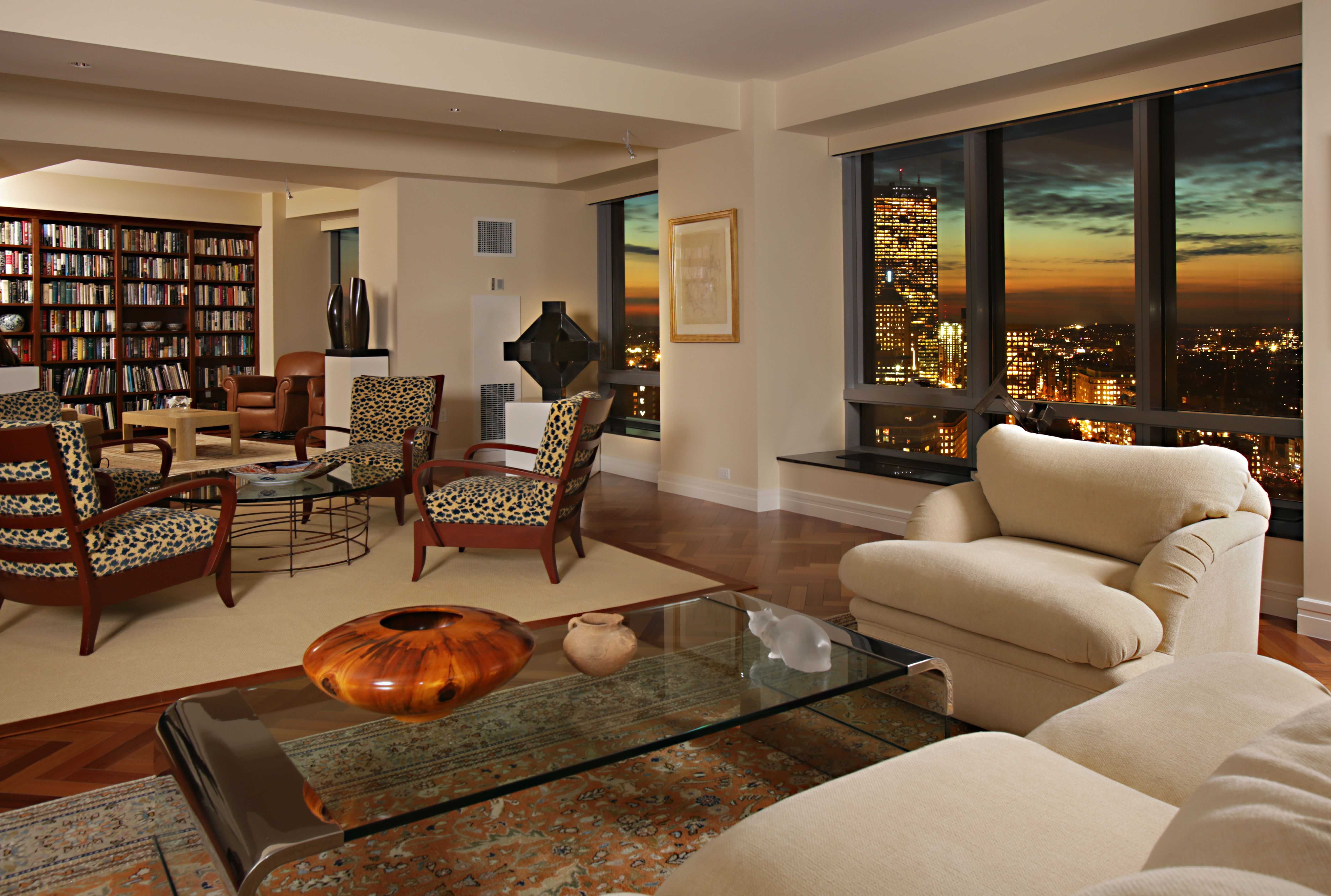
Living Room Design Ideas & Inspiration
Kumpulan Informasi, Tips dan Trik Terlengkap dan Terpercaya — explore curated ideas for sofas, storage, decor, and every style in between.
Explore Ideas →Get Design Inspiration
Tell us what you're looking for and we'll point you to the best articles.
How to Layer Lighting for a Cozy Evening Ambiance
A comfortable living room rarely depends on one ceiling fixture. The most inviting spaces combine several light sources at different heights, strengths, and color temperatures. This layered approach creates depth, softens harsh shadows, and lets the room shift naturally from daytime activity to evening relaxation.
Learning how to layer lighting for a cozy evening ambiance also gives you greater control over the mood of your home. A reading corner can remain bright while the sofa area glows softly, and decorative objects can receive just enough illumination to add character without making the room feel overly staged.
The process does not require a complete renovation. Floor lamps, table lamps, wall lights, dimmable bulbs, and carefully placed accent fixtures can transform an existing living room. The key is to treat light as part of the furniture arrangement and overall color scheme.
Start with three lighting layers
Ambient lighting provides the general illumination that allows people to move comfortably around the room. It may come from a central pendant, recessed ceiling lights, track lighting, or several fixtures working together. For a warm living room, avoid relying on a single bright source positioned directly overhead, since it can create flat illumination and strong shadows.
Task lighting serves a specific activity. A reading lamp beside an armchair, a focused light near a writing desk, or an adjustable fixture beside a game table makes the room more functional. Task lights should be bright enough for the activity, yet directed away from the eyes and reflective screens.
Accent lighting adds atmosphere and visual interest. Picture lights, shelf lights, uplighters, and small directional lamps can emphasize artwork, architectural details, plants, or textured walls. These subtle points of illumination create depth and make the room feel considered after sunset.
Build a soft ambient foundation
Begin by assessing the room’s existing ceiling light. If it feels stark, replace a cool white bulb with a warm white option, ideally around 2700K to 3000K. Dimmers are especially useful because they let the same fixture support cleaning, entertaining, and quiet evenings.
A central light should illuminate the room without becoming its only focal point. A fabric pendant, frosted glass shade, or fixture with an opaque diffuser spreads light more gently than a bare bulb. In rooms with low ceilings, flush-mount fixtures can provide sufficient ambient brightness while preserving visual space.
Light placement matters as much as fixture style. Keep the main source balanced across the room, then use lamps around the perimeter to prevent dark corners. Reflected illumination from pale walls and ceilings can make a small space appear brighter without increasing glare.
Use lamps to create intimate zones
Place a floor lamp beside a sofa or lounge chair to establish a comfortable reading and conversation zone. An arched model can extend over seating without occupying table space, while a tripod or column lamp adds height to a room with low furniture. A shade that directs light downward is useful for reading, while a translucent shade gives a softer all-purpose glow.
Table lamps work well on sideboards, consoles, and end tables. Pairing lamps on either side of a sofa can create visual balance, although mismatched fixtures may feel more relaxed in eclectic interiors. Select shades that distribute light at eye level without exposing the bulb when someone is seated.
Lighting can also draw attention to storage and display areas. A small lamp on a console or a discreet LED strip inside a cabinet gives practical furniture a decorative role. If you are planning a pale, calm scheme, these white storage cabinets can reflect a gentle glow and help the room feel open rather than visually heavy.
Match color temperature and brightness
Different bulb colors can make a living room feel disjointed. Warm white light is generally suitable for evening relaxation because it supports the golden tones found in wood, brass, beige upholstery, and earthy textiles. Neutral white may be useful in task areas, but it should be introduced carefully so it does not overpower the softer ambient glow.
The ideal brightness depends on the fixture, shade, wall color, and activity. Rather than selecting the strongest bulb available, use several moderate sources and connect them to dimmers or smart controls. This produces a richer effect than one powerful lamp and allows the room to respond to changing needs.
| Lighting purpose | Useful fixtures | Evening effect | Placement guidance |
|---|---|---|---|
| Ambient | Pendant, ceiling fixture, recessed lights | Establishes overall warmth | Center or distribute across the room |
| Task | Reading lamp, desk lamp, adjustable wall light | Supports focused activities | Beside seating or work areas |
| Accent | Picture light, shelf light, uplighter | Adds depth and highlights details | Aim toward art, plants, or textured surfaces |
| Decorative | Candle-style lamp, portable light, LED object | Creates intimate visual interest | Place on consoles, shelves, or side tables |
Use shadows as part of the design
A cozy room should contain some gentle shadow. If every surface is equally bright, the space can lose its sense of depth and begin to resemble a showroom. Aim lights toward selected features while allowing surrounding areas to remain slightly quieter.
Uplighting is effective for tall plants, curtains, fireplaces, and textured walls. A small fixture positioned behind a plant can cast attractive shapes across the wall, while a lamp aimed at a bookcase can turn everyday objects into a layered background. Avoid pointing strong lights directly at glossy surfaces, mirrors, or television screens.
Reflective finishes can amplify a lighting scheme. Glass, ceramic, brushed metal, and lightly polished wood catch small highlights and help distribute warmth. Matte upholstery and woven textiles then absorb excess brightness, producing a balanced mix of glow and softness.
Select fixtures that suit the room
The fixtures should support the living room’s decorating style rather than compete with it. A ceramic lamp suits a relaxed natural interior, an aged brass sconce complements traditional furniture, and a simple black floor lamp can sharpen a contemporary scheme. Repeating one finish in small details creates cohesion without requiring every fixture to match.
Scale is equally important. A tiny lamp can disappear beside a deep sectional, while an oversized shade may crowd a narrow console. Check the height of lamps in relation to seating, artwork, and nearby furniture so the light source feels intentional and remains comfortable at eye level.
Portable lamps offer flexibility when furniture layouts change. Rechargeable models can be moved to a coffee table, bar cart, or bookshelf for entertaining, then returned to a quieter corner. For personalized guidance on a room layout or fixture selection, the design team can be reached through the site’s contact page.
Make a simple evening lighting routine
A repeatable routine helps every layer contribute without making the room feel busy. Turn on ambient fixtures first, then add task lights where they are needed and finish with one or two accents. Dimming the ceiling light as the evening progresses creates a gradual transition instead of an abrupt change.
Use these practical principles when refining the arrangement:
- Keep at least three light sources active in a medium or large living room.
- Choose warm white bulbs for most relaxation areas and match their color temperature.
- Place task lights close enough to support reading without shining into the eyes.
- Use accent lights to reveal art, plants, shelves, and architectural features.
- Add dimmers, timers, or smart controls for effortless mood changes.
The final effect should feel comfortable rather than perfectly symmetrical. A softly glowing corner, a shaded lamp beside the sofa, and a low accent light near the floor may be all the room needs on a quiet night. Adjust each source until the space feels welcoming from different seats and viewpoints.
Let the glow shape the room
Thoughtful lighting can make familiar furniture appear richer, emphasize a carefully chosen color palette, and give a small living room a greater sense of dimension. Layering works best when the fixtures support how the room is actually used, from reading and conversation to relaxed evenings with music or television.
Begin with one dimmable ambient source, add a practical lamp near the main seating area, and finish with a low-level accent. Make those changes gradually, observe how the room feels after dark, and continue refining the balance until your living space has the warm, flexible glow you want.
What We Cover
Living Room Topics & Ideas
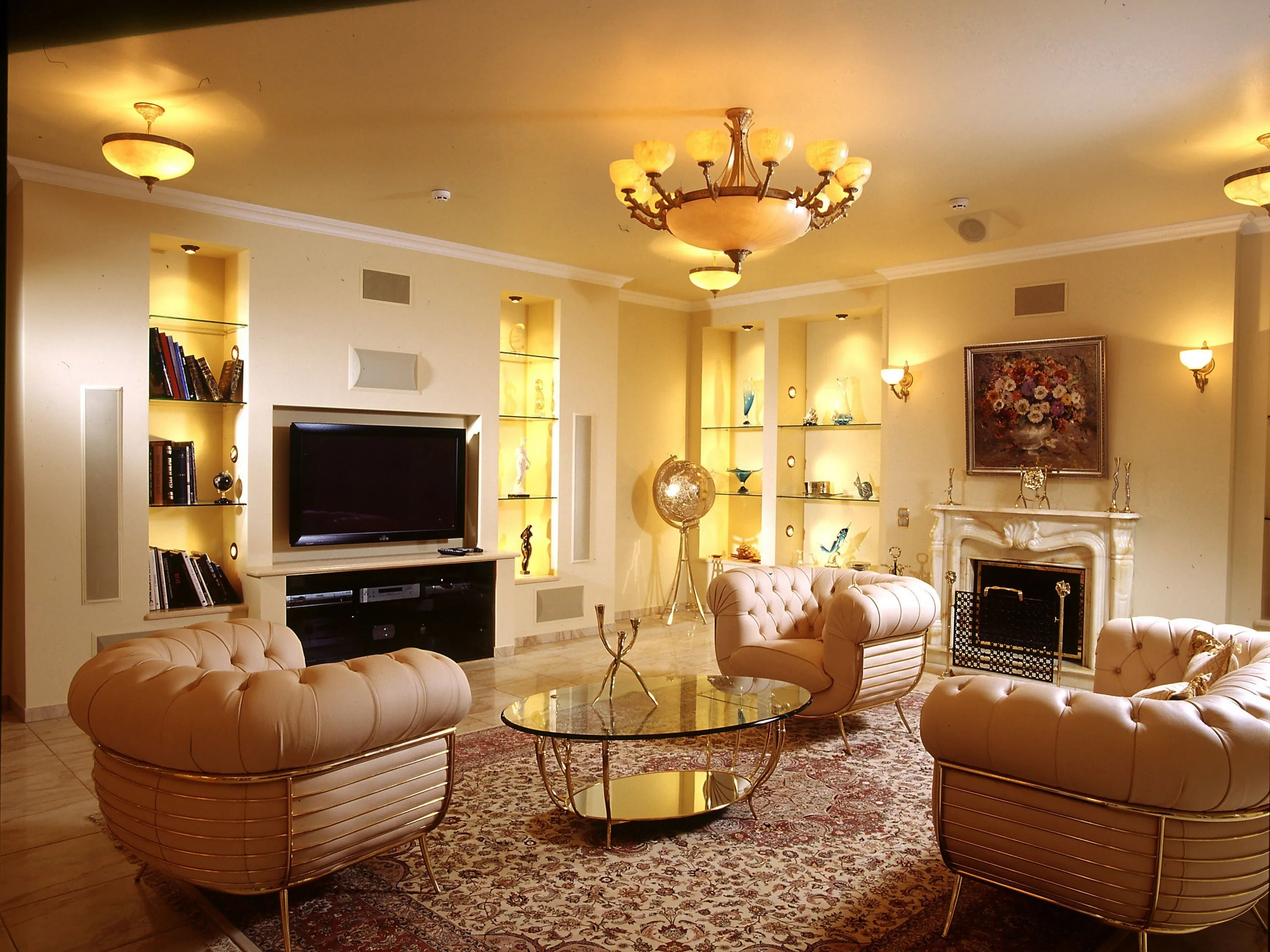
Luxury Living Room Furniture
High-end pieces spanning modern, neo-classical, and Italian Gothic styles — craftsmanship, leathers, and refined artistry.
Read More →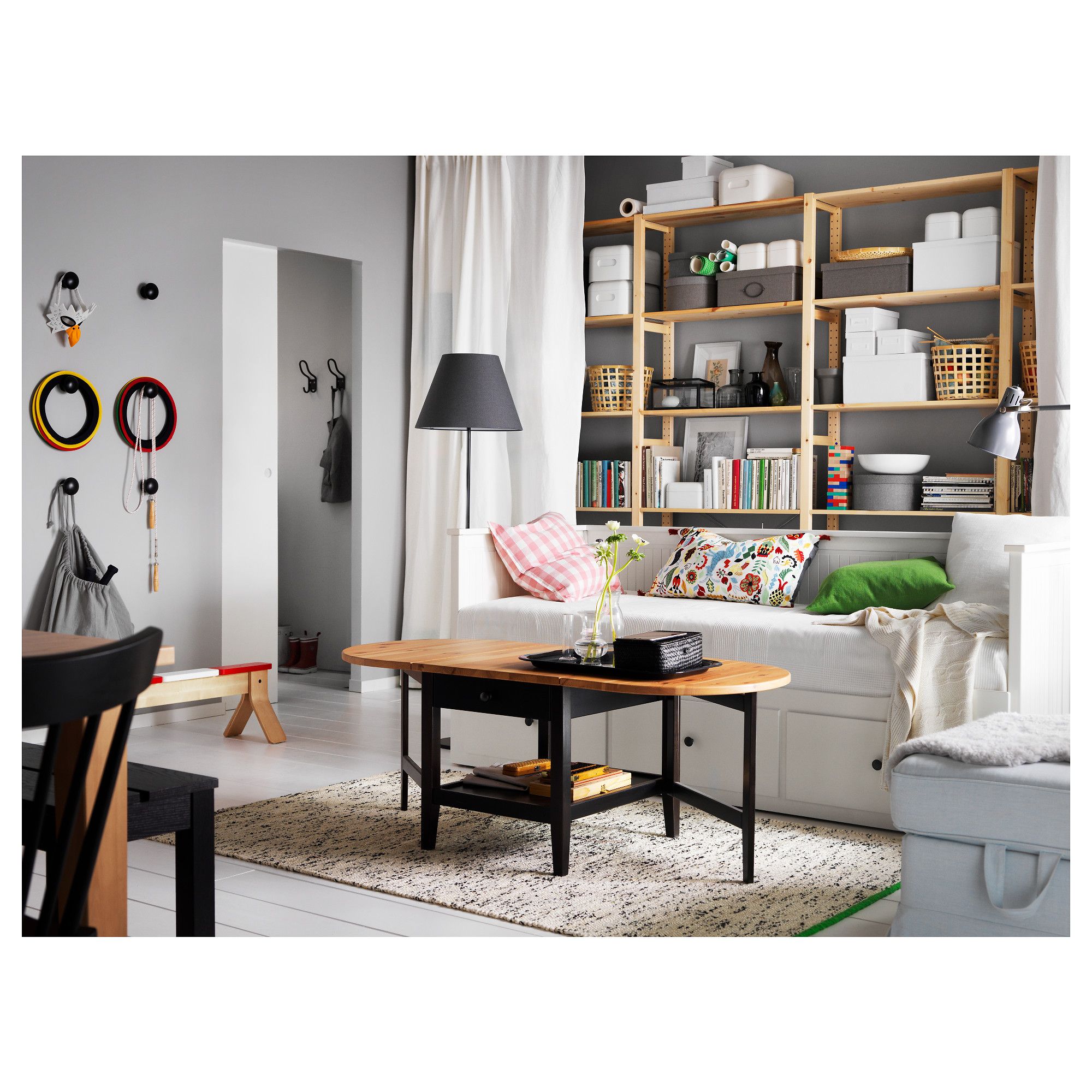
White Living Room Storage Cabinets
Sideboards, curio cabinets, and high-gloss storage units that blend practical organization with decorative appeal.
Read More →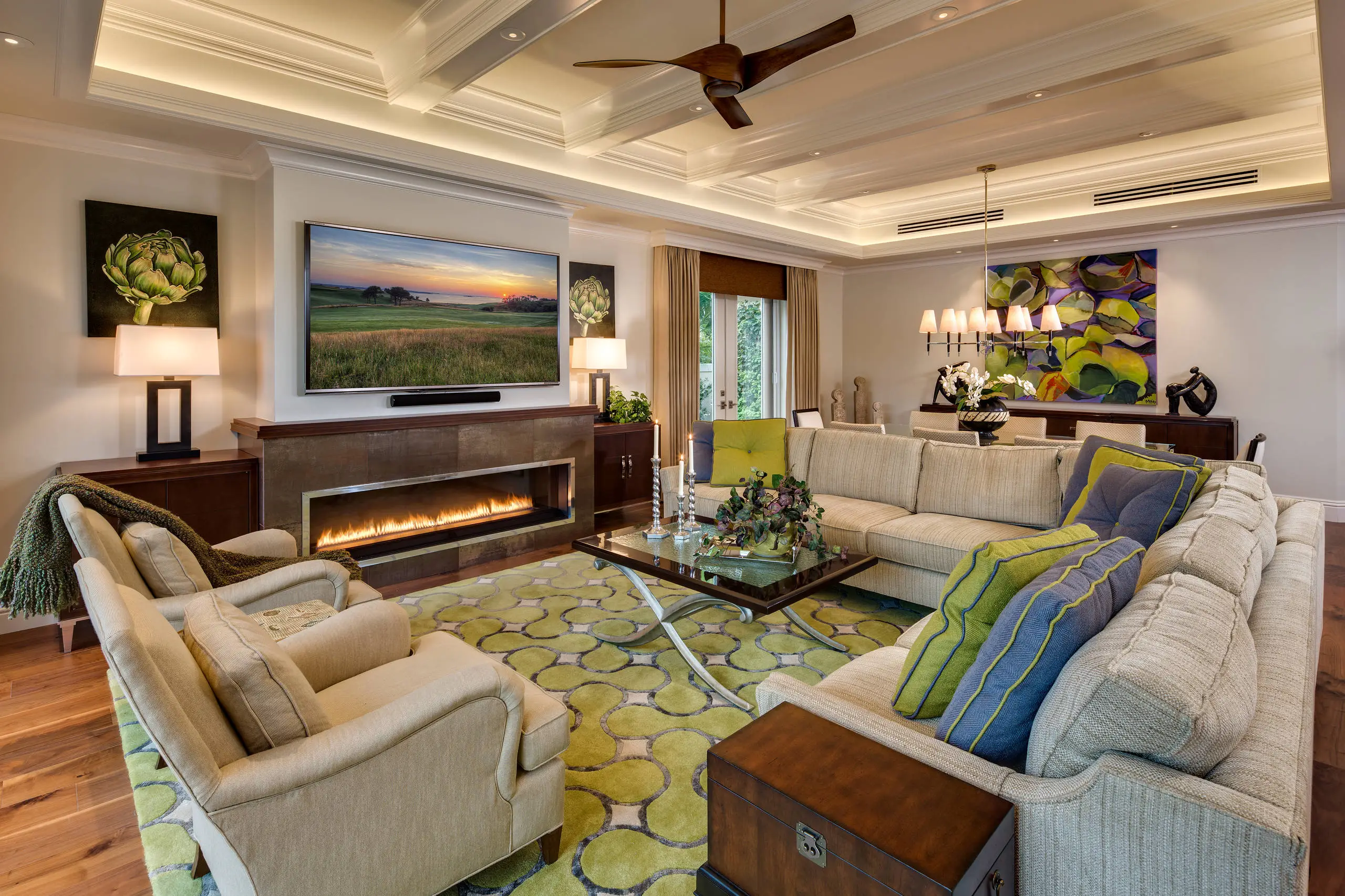
Living Room Decor Essentials
Rugs, pillows, art, lamps, and accent pieces that add layers of color, texture, and personality to any living space.
Read More →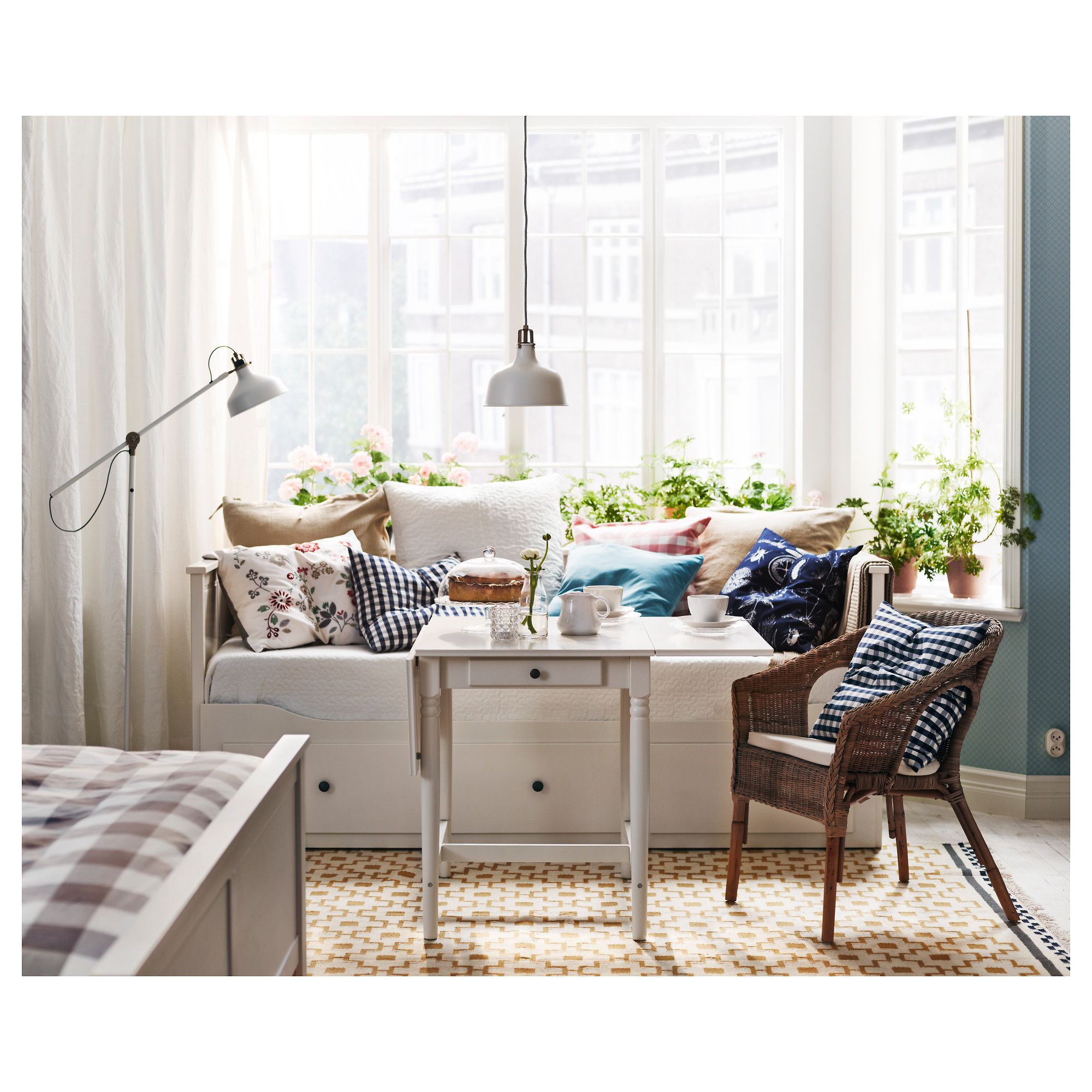
Natural Living Room Decor
Earthy elements, house plants, rustic touches, and organic materials that bring warmth and nature indoors.
Read More →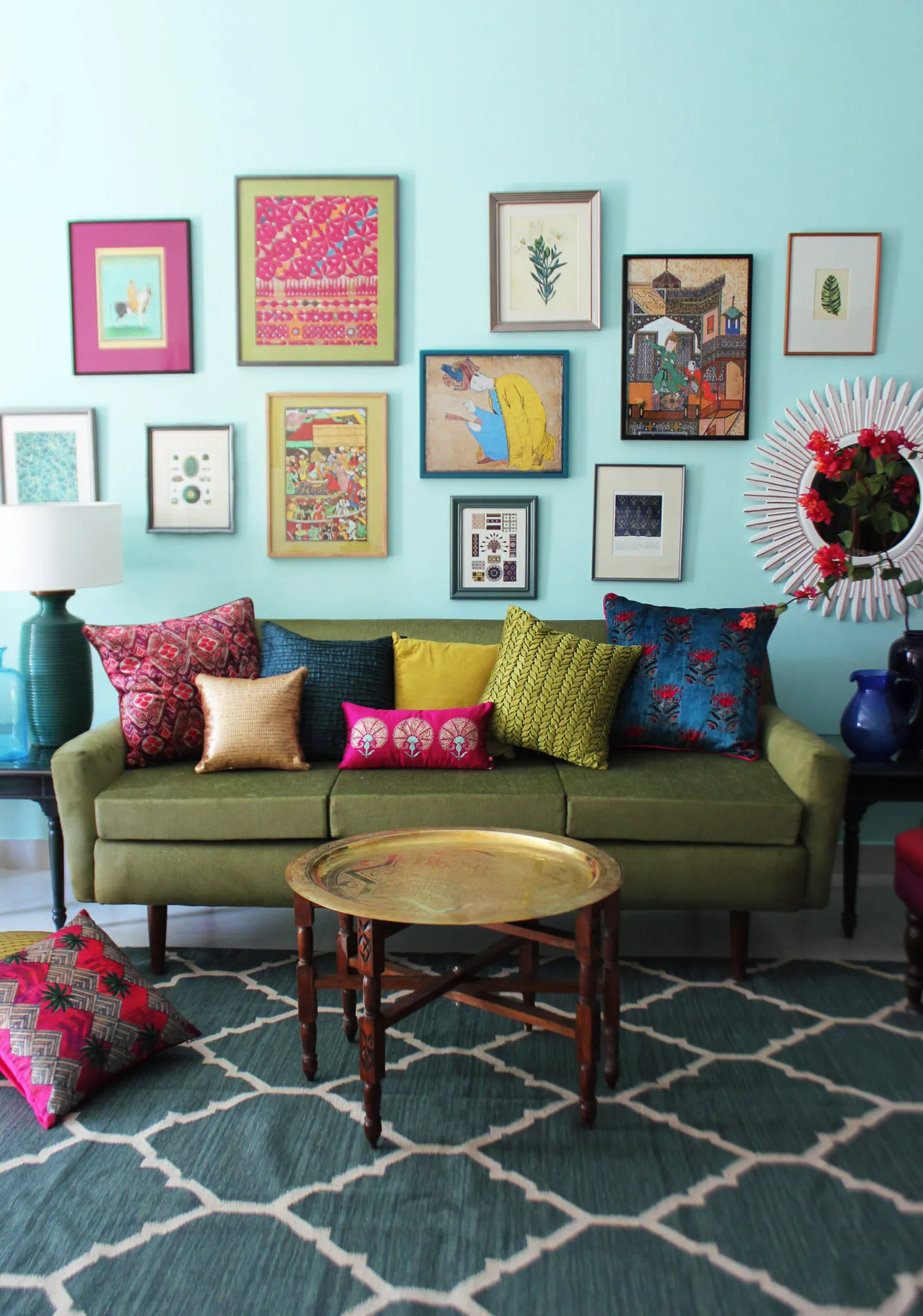
Living Room Ideas: Velvet Sofa
From classic red to trending green and blue, explore how a velvet sofa can transform your living room's character.
Read More →