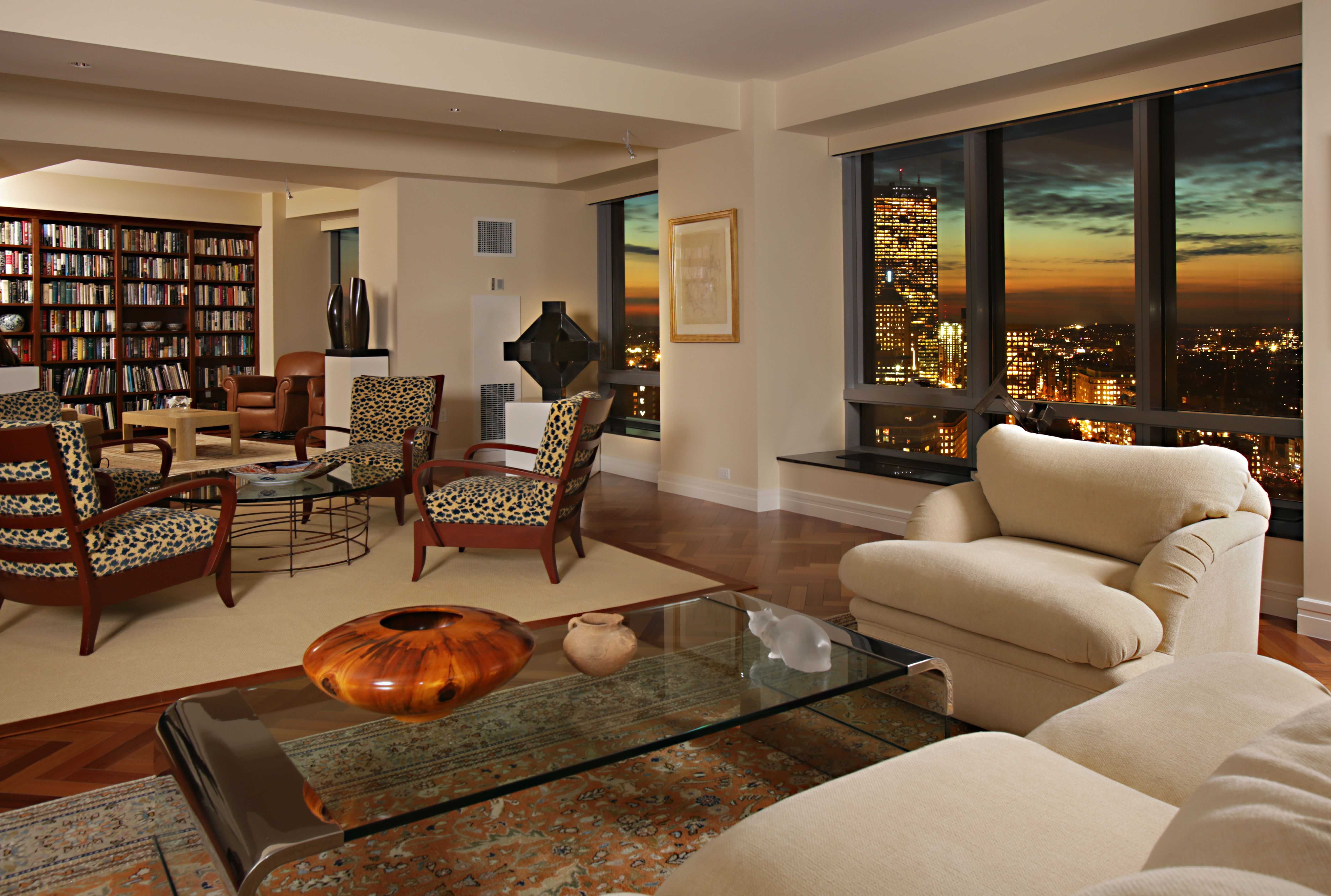
Living Room Design Ideas & Inspiration
Kumpulan Informasi, Tips dan Trik Terlengkap dan Terpercaya — explore curated ideas for sofas, storage, decor, and every style in between.
Explore Ideas →Get Design Inspiration
Tell us what you're looking for and we'll point you to the best articles.
How to Arrange a Small Living Room for Maximum Seating
A compact living room can feel welcoming and spacious when every piece of furniture has a clear purpose. The goal is to create enough comfortable seating for everyday life without blocking windows, doorways, or the natural path through the room.
The best layout begins with accurate measurements and a realistic view of how the space is used. A room for quiet reading needs a different arrangement from one that regularly hosts family gatherings, movie nights, or casual entertaining.
Scale, flexibility, and visual balance matter as much as the number of seats. With the right sofa shape, occasional chairs, and storage choices, even a narrow living area can accommodate several people without appearing crowded.
Measure the Room Before Choosing Furniture
Measure the length and width of the room, then record the position of doors, windows, radiators, outlets, and architectural features. Pay attention to the direction in which doors open, since a beautiful sofa can become impractical if it interferes with the entryway.
Mark the measurements on the floor with painter’s tape or arrange newspaper sheets to represent the footprint of a sofa and chairs. Leave a clear passage of roughly 24 to 30 inches where people regularly walk. Main routes should feel obvious rather than requiring guests to weave between furniture.
Consider the height of the room as well. Low-profile furniture can make a small space feel more open, while a tall bookcase may draw the eye upward. Avoid filling every wall simply because space is available; some breathing room makes the seating arrangement feel more generous.
Build Around One Main Seating Anchor
A sofa usually provides the largest number of seats in the smallest footprint, making it the natural starting point. A compact three-seat sofa can work well against the longest wall, while a loveseat may leave room for two lightweight accent chairs.
Choose the sofa according to its actual dimensions, including armrests and any chaise extension. Slim arms can create several extra inches of usable seating compared with a deep, heavily padded frame. A firm seat with a moderate depth is often more practical than an oversized lounge sofa in a small room.
For maximum flexibility, consider a small sectional with a reversible chaise or a modular sofa. It can define the seating zone without requiring multiple separate pieces. However, keep the chaise away from the main walkway unless the room is wide enough to accommodate it comfortably.
Mix Seating Types Without Overcrowding
A combination of fixed and movable seating usually performs better than several bulky armchairs. Place two compact chairs opposite or perpendicular to the sofa, then add a small ottoman or pouf that can serve as a footrest, side table, or extra seat when guests arrive.
Armless chairs are especially useful in tight layouts because they provide seating without creating heavy visual boundaries. Dining-style upholstered chairs, stools, and folding seats can also be brought in for gatherings and stored elsewhere afterward.
Use this comparison to judge which pieces give the best balance of seating capacity, footprint, and flexibility:
| Seating choice | Typical capacity | Space advantage | Best use |
|---|---|---|---|
| Compact sofa | 2–3 people | Efficient against a wall | Everyday seating |
| Loveseat | 2 people | Leaves room for chairs | Narrow living rooms |
| Small sectional | 3–4 people | Uses a corner well | Relaxed lounging |
| Armless chair | 1 person | Light visual footprint | Flexible guest seating |
| Storage ottoman | 1 person | Dual-purpose furniture | Extra seating and clutter control |
| Floor cushion or pouf | 1 person | Easy to move and store | Occasional guests |
Keep the coffee table proportionate to the seating group. A round table improves circulation around corners, while nesting tables can separate when needed. The table should be close enough to reach but not so large that it eliminates the space required for knees and movement.
Use Corners and Vertical Space Wisely
Corners often become dead zones in a small living room, yet they can hold valuable seating. A corner sectional, angled chair, or built-in bench can turn an awkward area into a useful part of the conversation zone. A bench beneath a window is another efficient choice, especially when its base includes drawers or baskets.
Avoid pushing every piece tightly against the walls. A narrow gap behind a sofa can make the arrangement feel intentional and may provide room for a slim console, lamp, or cable management. In some layouts, floating the sofa a few inches from the wall creates a clearer path and improves balance.
Storage should support the seating plan rather than compete with it. Low cabinets, wall-mounted shelves, and narrow consoles keep floor space open. For a bright, uncluttered scheme, consider these white storage cabinets, which can hold games, throws, and electronics while blending into the background.
Select Colors and Shapes That Open the Space
Light or medium wall colors can reflect daylight, but an all-white room is not the only route to an airy effect. Soft greige, pale blue, warm beige, and muted green can add depth without making the room feel enclosed. Use one consistent color story across upholstery, curtains, and rugs to reduce visual fragmentation.
Choose furniture with exposed legs when possible. Seeing more of the floor makes the room appear larger, while skirted sofas and solid plinths tend to look heavier. Glass, acrylic, or slim metal occasional tables can also preserve sightlines between seating pieces.
A large rug can unify separate chairs and a sofa, provided at least the front legs of the main furniture sit on it. Too-small rugs make the arrangement look scattered. Add cushions in varied sizes, but limit the pattern mix so the seating group remains calm and coherent.
A Practical Seating Checklist
The most successful small living room layouts are easy to adjust. Keep one or two lightweight pieces available for unexpected guests, and choose furniture that can perform more than one job. An ottoman with hidden storage, a nesting table, or a bench with a cushion can expand capacity without permanently filling the room.
Before finalizing the arrangement, walk through the space at different times of day. Check whether people can reach the sofa, open windows, switch on lamps, and set down drinks without moving another item. Use this checklist while refining the plan:
- Keep the main walkway clear from the entrance to the most-used part of the room.
- Combine a sofa with movable chairs, stools, or a storage ottoman.
- Choose slim arms, exposed legs, and moderate furniture depth.
- Leave enough space around tables for comfortable movement.
- Use baskets, cabinets, or wall storage to keep seating areas uncluttered.
Add Lighting and Refine the Layout
Layered lighting helps a compact seating area feel comfortable at night. A floor lamp beside a chair, a table lamp on a console, and a ceiling fixture can provide different levels of illumination without relying on one harsh central light. Wall sconces are useful when floor space is especially limited.
Position lighting so each main seat has a practical source nearby. Avoid placing a floor lamp where it narrows the walkway, and use directional fixtures to highlight artwork or shelving rather than filling the room with competing focal points.
For more visual references, browse living room ideas that combine sofas, storage, lighting, and small-space decor. Then test your preferred arrangement with temporary furniture markers before buying anything. A thoughtful layout, carefully measured pieces, and a few adaptable seats can turn a cramped room into an inviting place to relax and gather.
What We Cover
Living Room Topics & Ideas
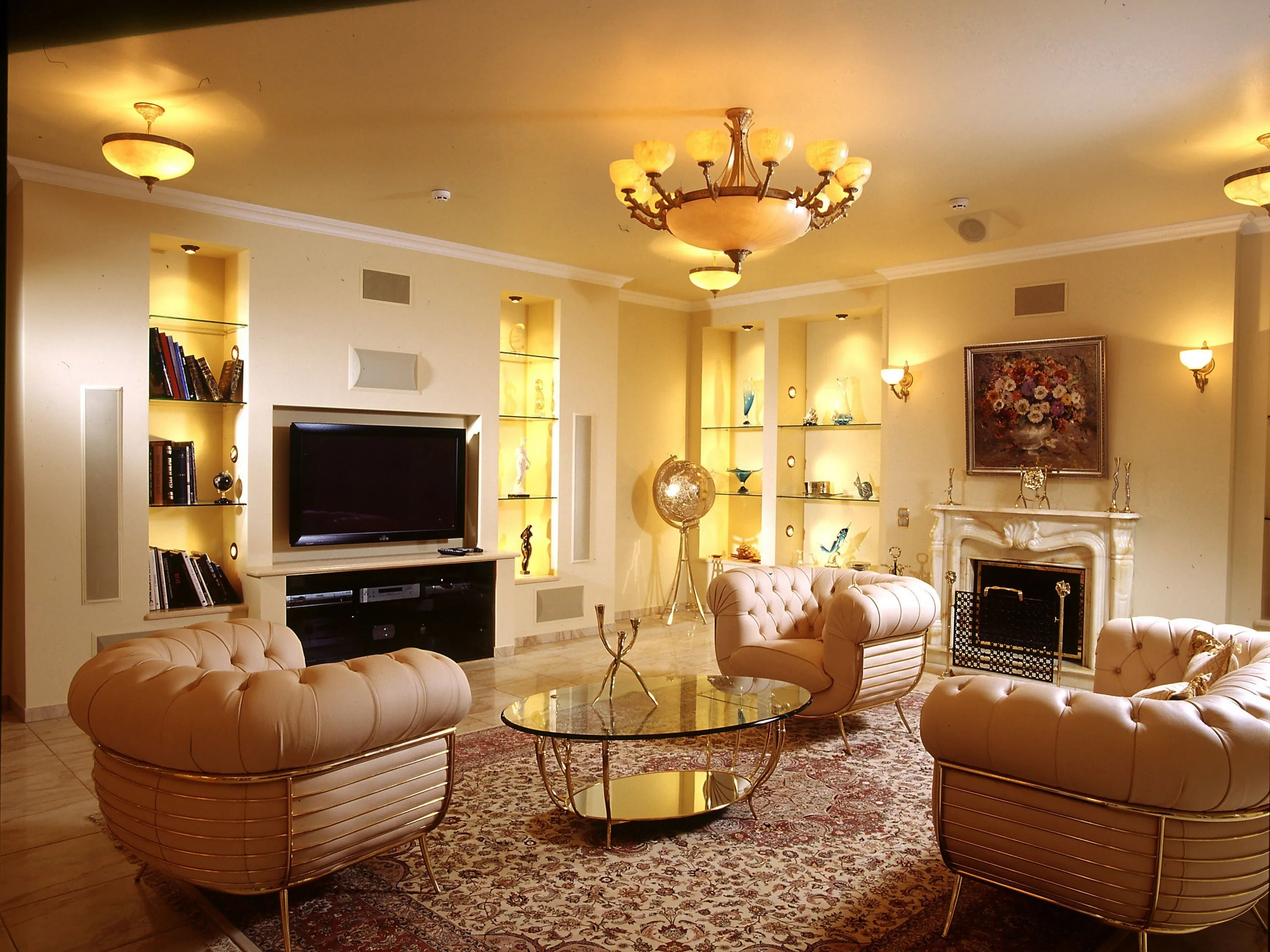
Luxury Living Room Furniture
High-end pieces spanning modern, neo-classical, and Italian Gothic styles — craftsmanship, leathers, and refined artistry.
Read More →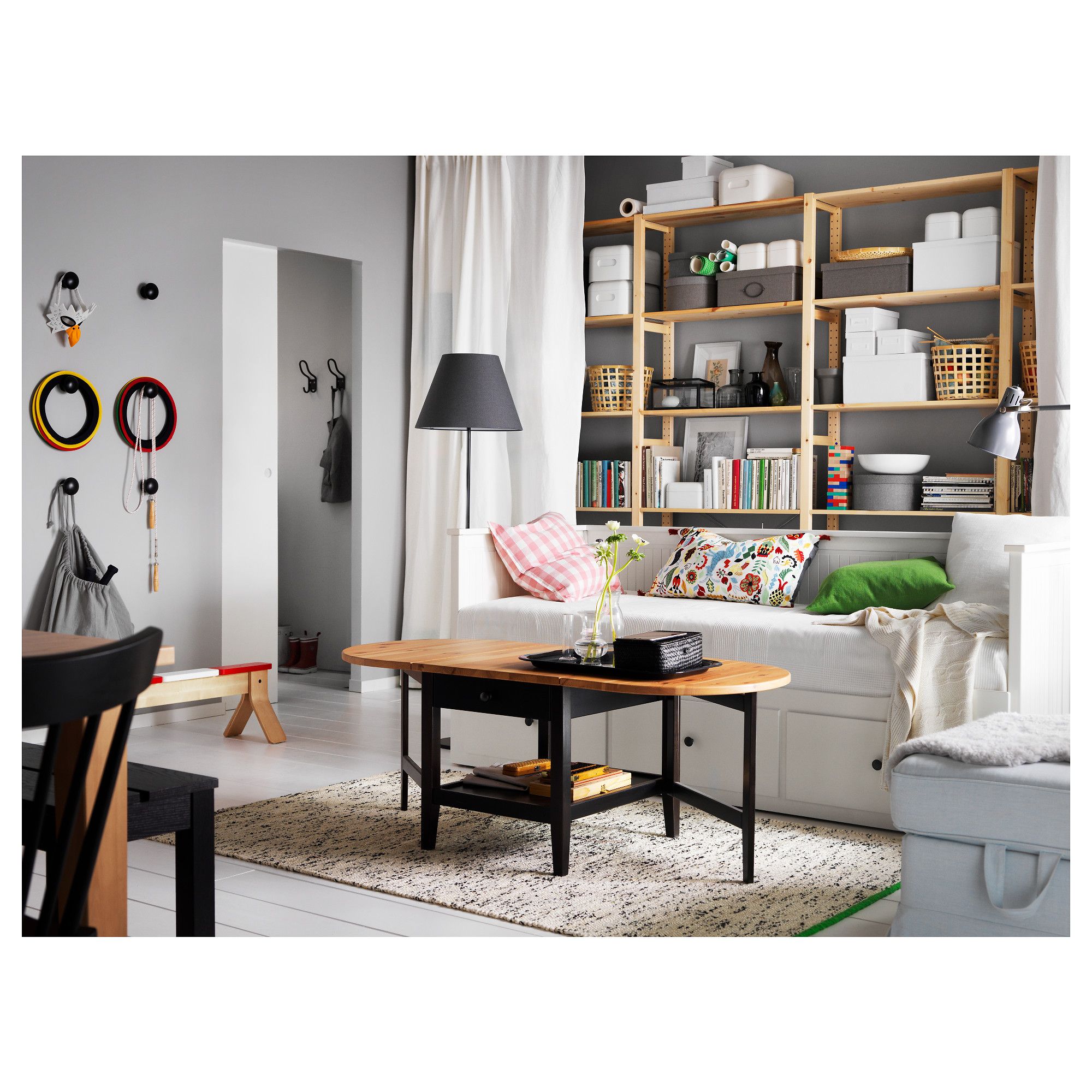
White Living Room Storage Cabinets
Sideboards, curio cabinets, and high-gloss storage units that blend practical organization with decorative appeal.
Read More →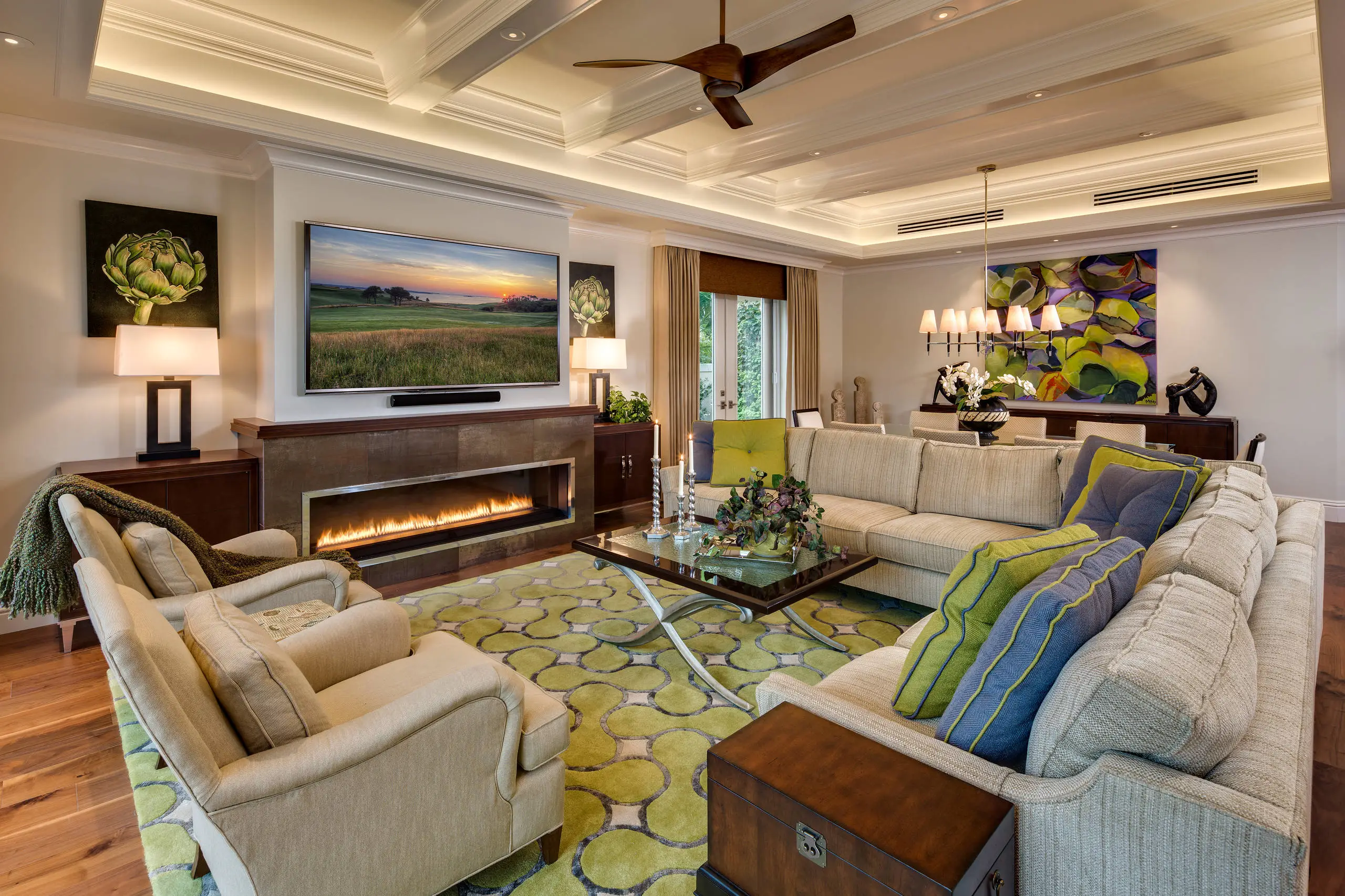
Living Room Decor Essentials
Rugs, pillows, art, lamps, and accent pieces that add layers of color, texture, and personality to any living space.
Read More →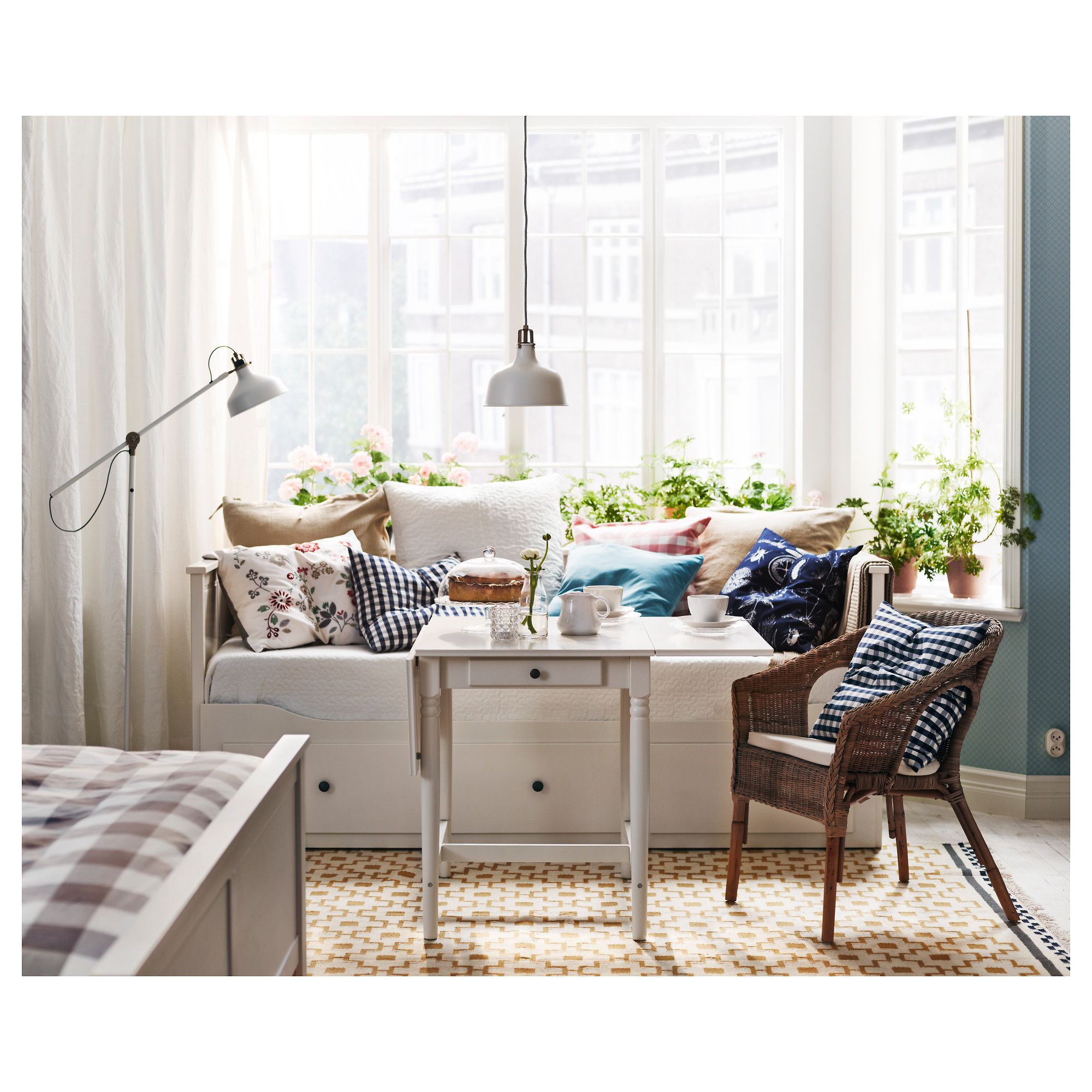
Natural Living Room Decor
Earthy elements, house plants, rustic touches, and organic materials that bring warmth and nature indoors.
Read More →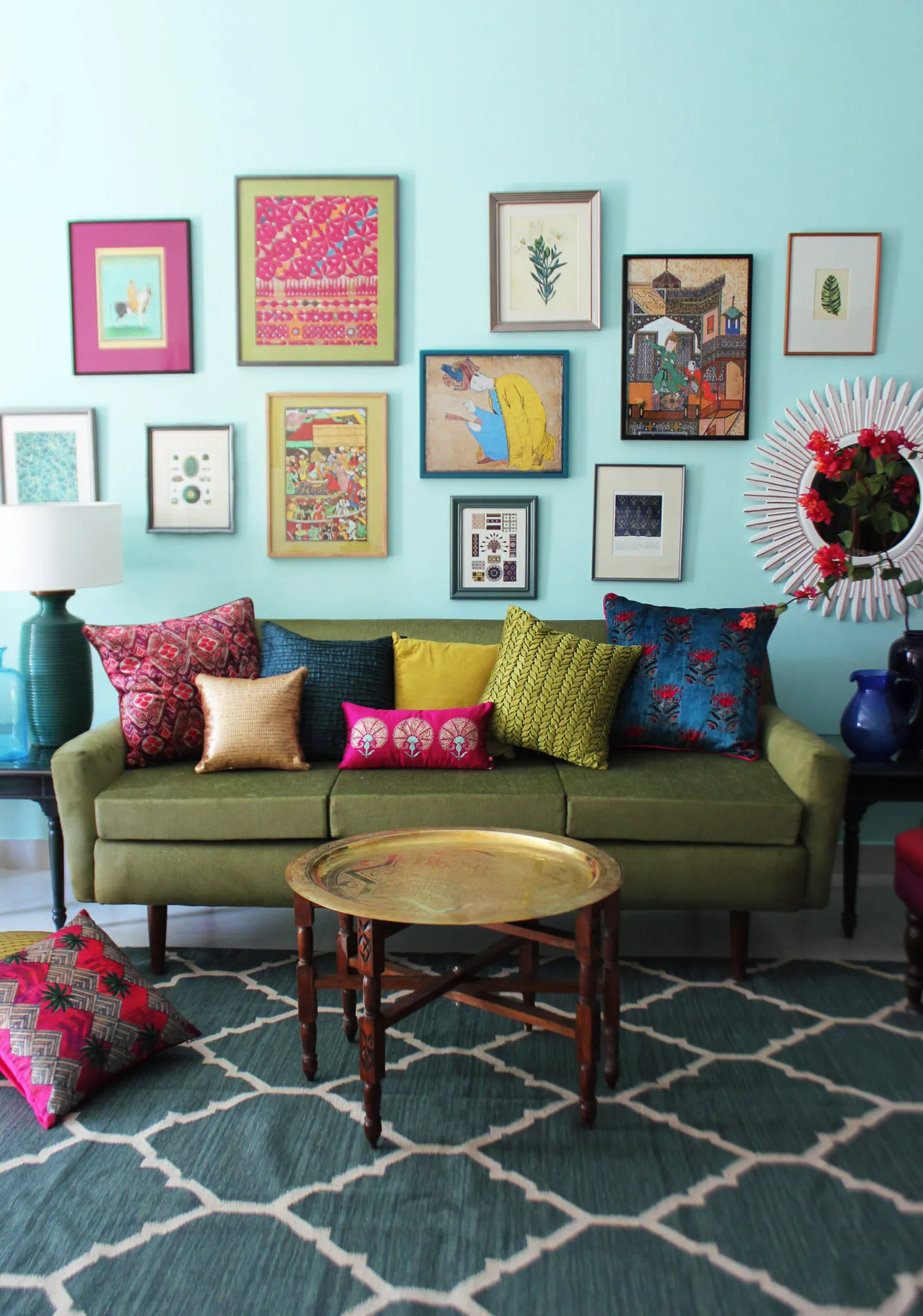
Living Room Ideas: Velvet Sofa
From classic red to trending green and blue, explore how a velvet sofa can transform your living room's character.
Read More →