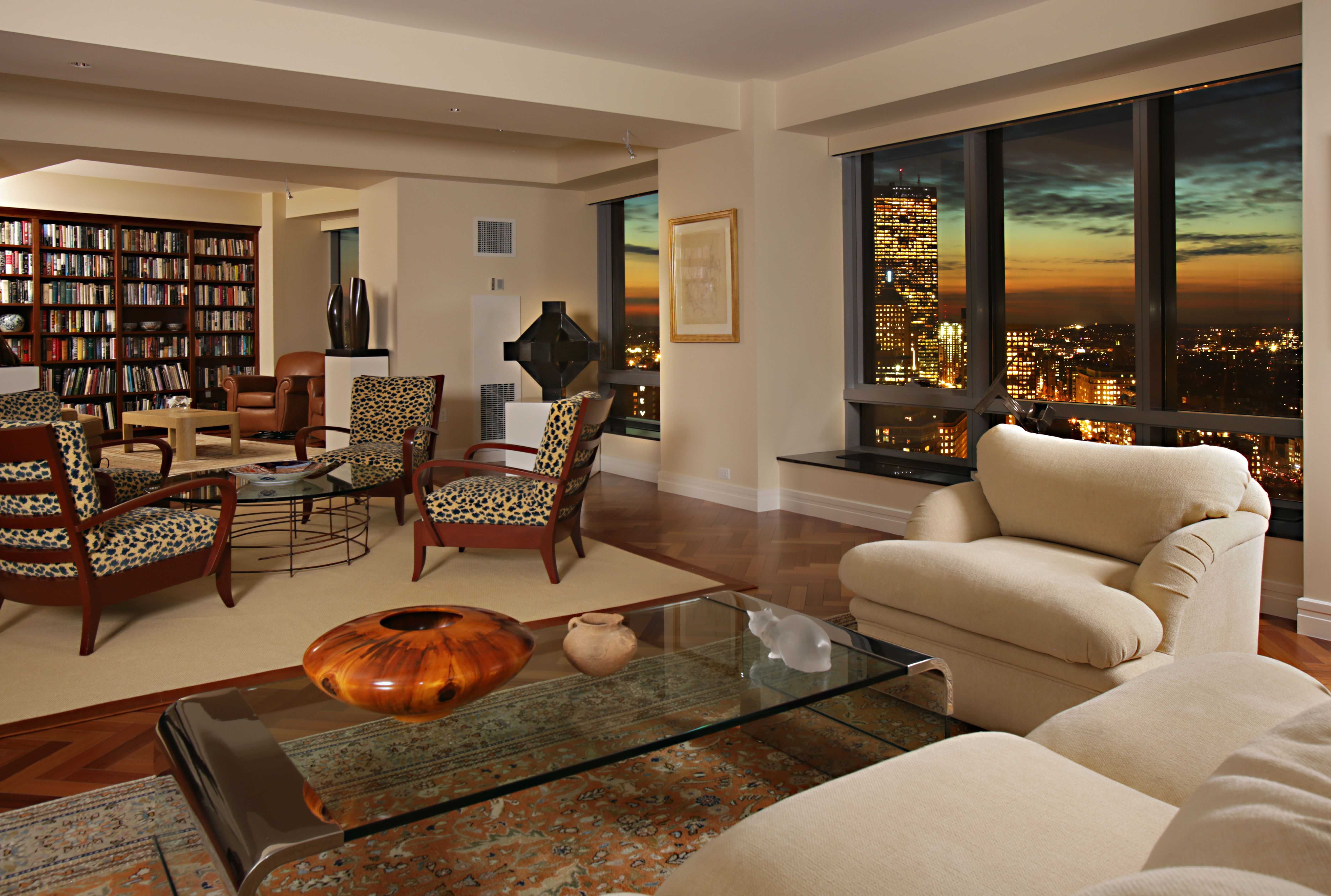
Living Room Design Ideas & Inspiration
Kumpulan Informasi, Tips dan Trik Terlengkap dan Terpercaya — explore curated ideas for sofas, storage, decor, and every style in between.
Explore Ideas →Get Design Inspiration
Tell us what you're looking for and we'll point you to the best articles.
How to Create a Gallery Wall Above Your Sofa
The wall above a sofa often becomes the visual anchor of a living room. A thoughtfully arranged collection of artwork, photographs, mirrors, or woven pieces can add color and personality while making the seating area feel intentionally designed.
A gallery wall should relate to the sofa, rug, lighting, and surrounding architecture rather than compete with them. The best arrangements balance scale and contrast, leaving enough breathing room to keep the room comfortable and uncluttered.
Before buying frames or drilling holes, consider the mood you want to create. Soft botanical prints can support a relaxed neutral room, while bold abstracts bring energy to a simple sofa. For broader decorating references, explore this collection of living room inspiration before settling on a direction.
Start with the sofa and wall proportions
Measure the sofa first, including its arms, and use it as the foundation for the artwork arrangement. In most rooms, the gallery should span roughly two-thirds to three-quarters of the sofa’s width. A display that is too narrow may look disconnected, while one that extends far beyond the sofa can make the seating area feel visually compressed.
Leave approximately 15 to 25 centimeters between the top of the sofa and the lowest artwork. This distance keeps the pieces connected to the furniture without making them appear crowded. If the sofa sits beneath a high ceiling, a taller composition can help fill the vertical space, but the center of the arrangement should still relate to eye level when seated.
Architectural details also affect the layout. A window, wall sconce, air vent, or nearby doorway may require an asymmetrical arrangement. Rather than forcing perfect symmetry, use the sofa’s centerline as a starting point and adjust the collection around the room’s fixed features.
Choose a visual story
A successful salon wall usually has one unifying element. This might be a shared color palette, similar frame finishes, a recurring subject, or a consistent artistic mood. The pieces do not need to match exactly; variation is what keeps the composition collected instead of showroom-like.
For a calm living room, combine warm white mats, pale landscapes, and natural wood frames. A more dramatic scheme could pair black frames with graphic prints, deep jewel tones, and one oversized monochrome photograph. If your sofa is upholstered in a rich fabric, such as the one featured in these velvet sofa ideas, choose artwork that echoes its depth without copying its color precisely.
Mixing media adds dimension. Consider combining framed art with a small mirror, a textile panel, a ceramic wall plate, or a sculptural object. Keep heavier or more textured pieces toward the lower half of the arrangement so the display feels grounded above the sofa.
Test the arrangement before hanging
The easiest way to avoid unnecessary holes is to plan the layout on the floor. Cut paper templates to the size of every frame and tape them to the wall with removable painter’s tape. Step back from several points in the room, including the sofa, entryway, and dining area, to check how the arrangement reads from different angles.
Begin with the largest piece, then place medium and small works around it. A common spacing range is 5 to 8 centimeters between frames, though larger gaps can suit oversized artwork or a minimalist interior. Keep the outer edges relatively coherent, even if the interior arrangement is varied.
The following combinations can help establish a balanced starting point:
| Arrangement style | Best for | Spacing and shape | Overall effect |
|---|---|---|---|
| Grid | Matching frames and coordinated prints | Even gaps and aligned edges | Orderly and refined |
| Organic cluster | Mixed media and varied frame sizes | Close, flexible spacing | Collected and relaxed |
| Linear row | Long sofas or low ceilings | Shared baseline or top edge | Clean and contemporary |
| Centered anchor | One large artwork with smaller pieces | Symmetrical around the main work | Strong and intentional |
| Vertical column | Narrow walls or tall ceilings | Stacked pieces with aligned sides | Elegant and space-conscious |
The arrangement should feel full without becoming dense. If every piece has the same visual weight, the wall may appear flat. Introduce one clear focal point, then use quieter pieces to support it.
Work with color, frames, and negative space
Frame selection can determine whether a gallery wall feels cohesive. Black frames create definition and suit modern, industrial, or monochrome rooms. Oak and walnut bring warmth to neutral interiors, while painted frames can connect artwork to accent colors already found in cushions, curtains, or a rug.
Use mats when small prints need more presence or when several pieces have different proportions. A shared mat color can unify unrelated artwork. For a relaxed look, combine two or three frame finishes, but repeat each finish at least twice so the mixture appears deliberate.
Negative space is equally important. Empty wall between groups gives the eye a place to rest and makes individual works easier to appreciate. If the display includes three-dimensional objects, allow slightly more breathing room around them than around flat prints.
Add lighting and practical protection
Good lighting can transform a wall display after sunset. Picture lights create a focused, gallery-like effect, while adjustable wall sconces offer broader illumination. Track lighting can work well in flexible rooms, provided the beams are aimed at the artwork rather than directly into seating areas.
Avoid placing delicate prints in strong, direct sunlight unless they are protected with UV-filtering glazing. Keep artwork away from heat sources, damp exterior walls, and areas where it may be brushed by passing traffic. In homes with children or pets, use secure hanging hardware and consider acrylic glazing for lower pieces.
A narrow picture ledge offers another practical option. It lets you layer frames and change seasonal artwork without making new holes. Place heavier frames behind smaller ones, and add a small object such as a candleholder or vase to connect the display with the room’s decor.
Use a practical styling checklist
Before finalizing your wall decor, review the arrangement as part of the entire seating area. The gallery should support the sofa rather than hide its silhouette or make the room feel top-heavy.
- Keep the collection proportional to the sofa and surrounding wall.
- Repeat at least one color, material, or frame finish across the arrangement.
- Mix large, medium, and small pieces to create a clear visual rhythm.
- Test paper templates before using nails or permanent hardware.
- Leave enough negative space for the display to feel edited and breathable.
Look at the wall in both daylight and evening light. Colors can shift significantly under warm bulbs, and reflective glass may produce glare from windows or lamps. A final adjustment of only a few centimeters can make the composition feel more centered and balanced.
Make the display personal
The most memorable gallery walls usually include something with meaning. Travel photography, family portraits, children’s drawings, inherited artwork, and handmade pieces can sit comfortably alongside store-bought prints when the overall arrangement has a clear rhythm.
You can also update the display gradually rather than completing it in one shopping trip. Begin with a strong anchor piece, then add artwork as you find items that genuinely suit the room. This approach creates a more natural collection and prevents the wall from looking overly coordinated.
A gallery wall above the sofa should make the living room feel more like your own space. Gather your favorite images and objects, test a few compositions with paper templates, and turn the empty wall into a considered focal point that reflects the way you live.
What We Cover
Living Room Topics & Ideas
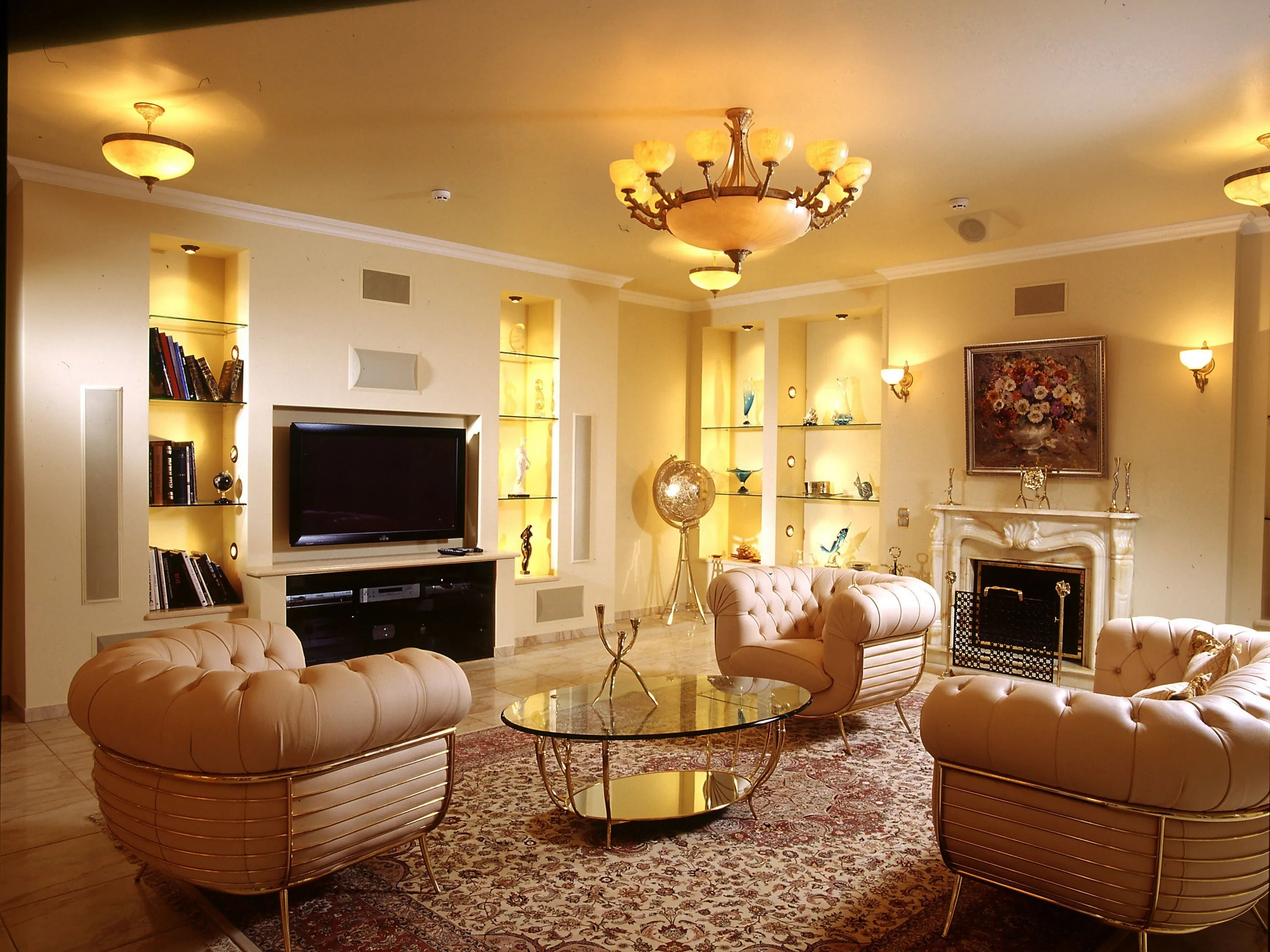
Luxury Living Room Furniture
High-end pieces spanning modern, neo-classical, and Italian Gothic styles — craftsmanship, leathers, and refined artistry.
Read More →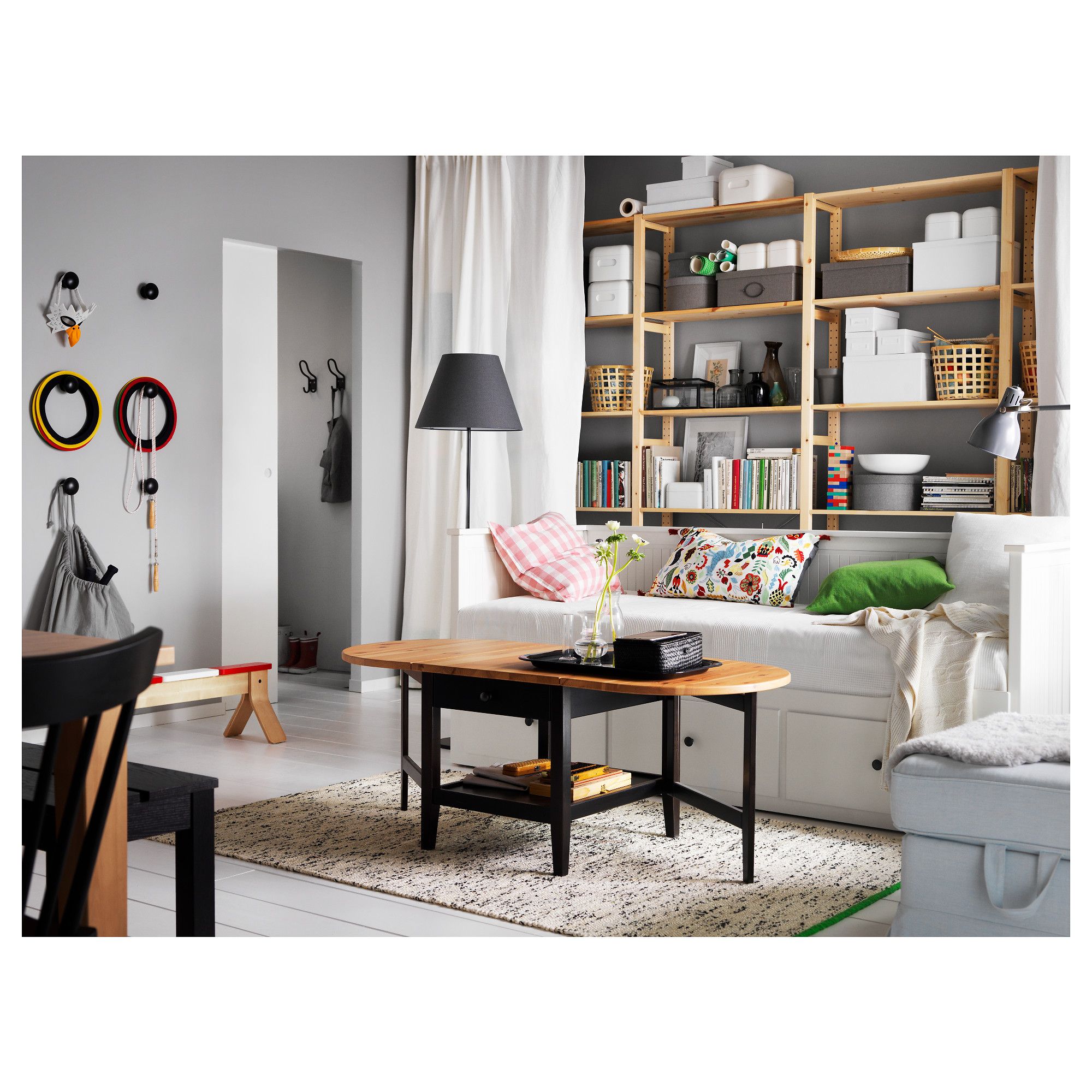
White Living Room Storage Cabinets
Sideboards, curio cabinets, and high-gloss storage units that blend practical organization with decorative appeal.
Read More →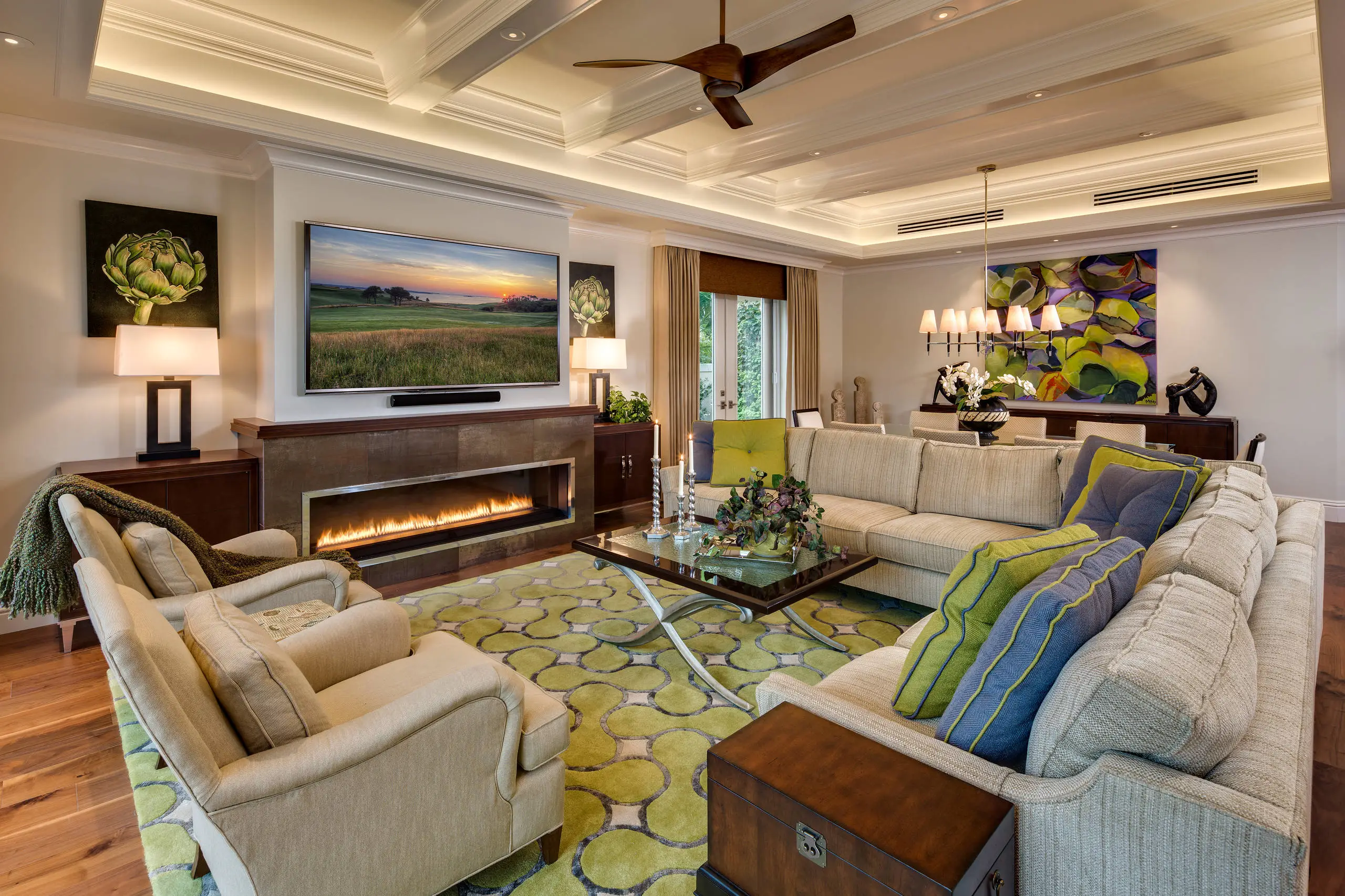
Living Room Decor Essentials
Rugs, pillows, art, lamps, and accent pieces that add layers of color, texture, and personality to any living space.
Read More →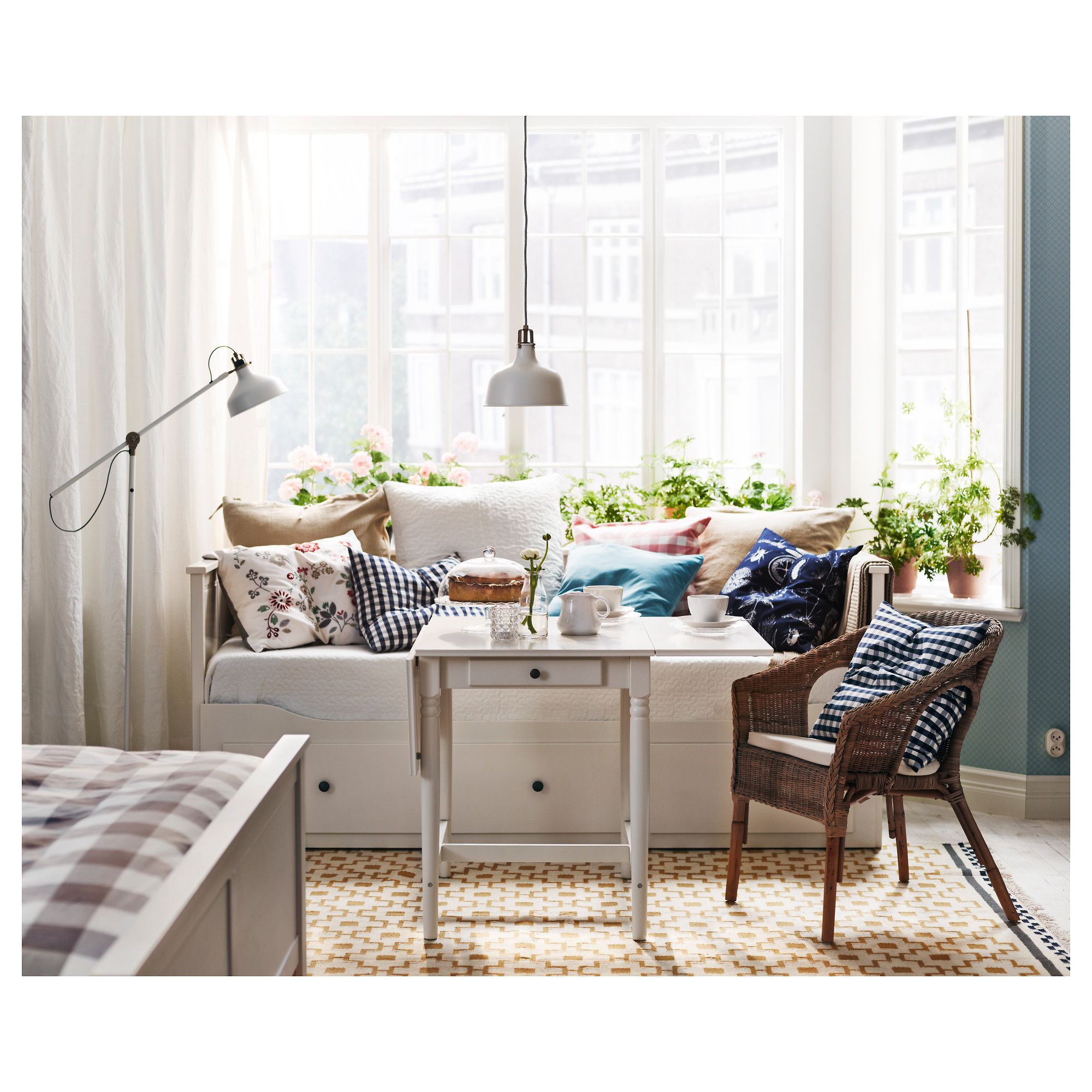
Natural Living Room Decor
Earthy elements, house plants, rustic touches, and organic materials that bring warmth and nature indoors.
Read More →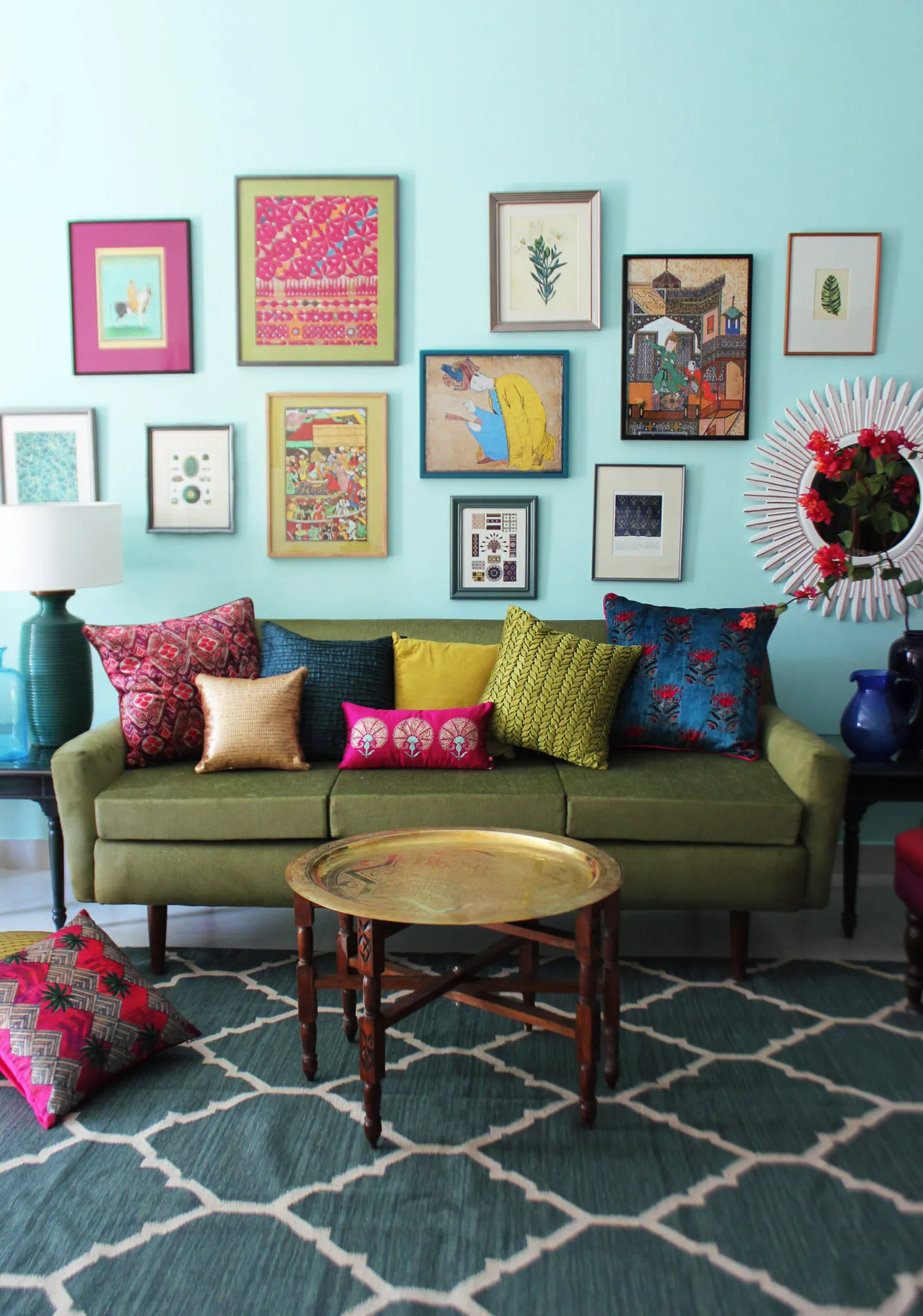
Living Room Ideas: Velvet Sofa
From classic red to trending green and blue, explore how a velvet sofa can transform your living room's character.
Read More →