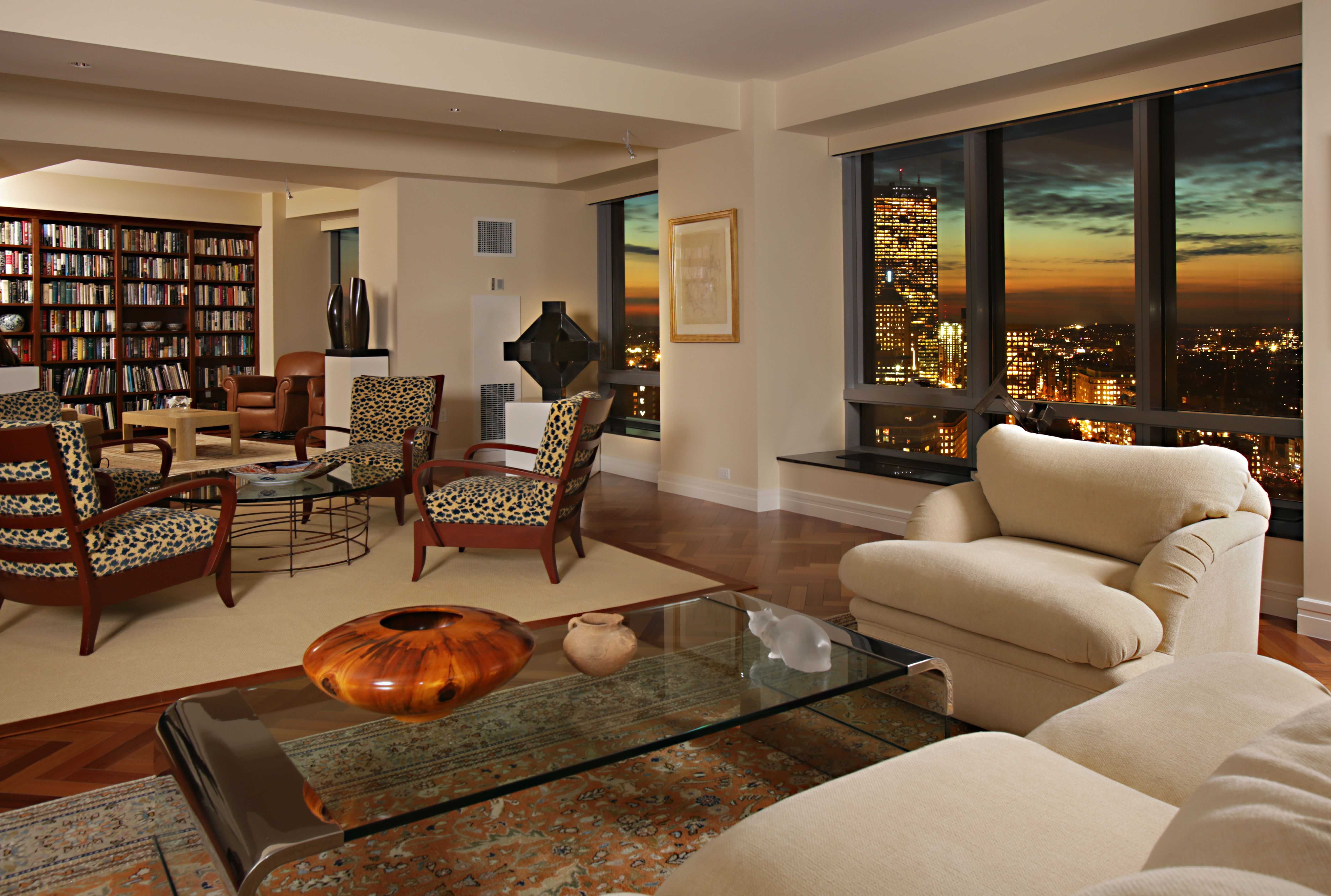
Living Room Design Ideas & Inspiration
Kumpulan Informasi, Tips dan Trik Terlengkap dan Terpercaya — explore curated ideas for sofas, storage, decor, and every style in between.
Explore Ideas →Get Design Inspiration
Tell us what you're looking for and we'll point you to the best articles.
Choosing the right rug size for your living room layout
A well-chosen area rug can bring a living room together, define seating zones, soften hard flooring, and make furniture feel intentionally arranged. The right dimensions depend on the room’s proportions, the position of your sofa, and how much floor you want to leave visible around the edges.
Choosing the right rug size for your living room layout is less about following a strict decorating rule and more about creating visual balance. A rug that is too small can make furniture appear disconnected, while one that is too large may overwhelm the room or cover architectural features you want to highlight.
Before shopping, measure the seating area and mark the proposed rug dimensions with painter’s tape or folded blankets. This simple step shows how the rug will interact with walkways, coffee tables, doors, and nearby dining or bedroom spaces.
Start with the seating arrangement
The sofa is usually the anchor for a living room rug. In a compact arrangement, placing the front legs of the sofa on the rug can visually connect it with accent chairs and a coffee table. This approach works well when a full-size rug cannot extend beneath every piece of furniture.
For a more spacious room, choose a rug large enough for the sofa and chairs to sit fully on its surface. The furniture should feel grouped rather than scattered across the floor. Leave enough room around the outside to preserve a border of flooring, especially when the floor has attractive wood grain or decorative tile.
A floating rug placed only beneath the coffee table can work in a very small room, though it requires careful proportion. The rug should extend beyond the table on all sides and ideally reach toward the front legs of nearby seating. A tiny rug surrounded by large furniture often looks accidental.
Measure around traffic paths
Rug placement should support movement through the room. Keep main walkways clear, allowing a comfortable passage between the sofa, media console, doorway, and adjoining areas. If furniture blocks the rug’s edge or creates a narrow route, adjust the orientation before choosing a larger size.
In open-plan homes, a rug can define the living room without walls. Position it so the entire seating group sits within one visual zone, while the dining area uses a separate finish or rug. Similar colors can connect the spaces, but identical rugs may make the floor plan feel repetitive.
Consider doors and built-in features as well. A thick pile can interfere with a swinging door, while a rug that reaches into a fireplace hearth or ventilation area may be impractical. Low-pile wool, cotton, or flatweave styles are often easier to use in high-traffic passages.
Compare common rug dimensions
Standard rug sizes provide a useful starting point, but proportions matter more than the label. A 5-by-8-foot rug may suit a small apartment seating group, whereas an 8-by-10-foot rug often gives a medium living room a more finished appearance. Larger rooms may need a 9-by-12-foot design or a custom size.
Use the dimensions below as a planning guide rather than a fixed formula. The furniture arrangement, room shape, and amount of visible flooring will determine whether a particular option feels comfortable.
| Rug size | Best suited to | Recommended placement |
|---|---|---|
| 5 × 7 feet | Small apartments or compact sitting areas | Coffee table and front legs of the sofa |
| 6 × 9 feet | Small to medium living rooms | Sofa and chairs partially on the rug |
| 8 × 10 feet | Average family rooms | Most seating placed on the rug |
| 9 × 12 feet | Large living rooms or open plans | Full seating arrangement with a generous border |
| 10 × 14 feet or larger | Expansive rooms | Entire conversation area, with room around the perimeter |
When comparing sizes, pay attention to the rug’s orientation. A rectangular rug usually works best with the longer side parallel to the sofa. In a square room, a square rug can reinforce the architecture, while a round rug may soften a boxy layout and highlight a circular coffee table.
Make a small room feel larger
A small living room does not always need a small rug. A larger rug can create the impression of a continuous floor area when its edges remain visible around the furniture. The result is often calmer than using several undersized mats that break the room into disconnected patches.
Choose a rug with a low-contrast pattern or a light, warm neutral if you want an airy effect. Stripes can guide the eye along the room’s longest dimension, while a border can emphasize the rug’s shape. Avoid placing the rug so close to the walls that it appears wall-to-wall unless that is the intended design.
Layering can add comfort when the available rug is smaller than ideal. Place a neutral jute or sisal base beneath a patterned accent rug, ensuring the upper layer is large enough to support the coffee table and create a deliberate focal point. Use a non-slip pad between layers to prevent shifting.
Coordinate color, texture, and furniture
Rug size is only one part of visual proportion. A heavily textured rug can make a room feel warmer and more intimate, while a sleek flatweave supports a cleaner contemporary look. Match the texture to the room’s use: durable wool blends and washable designs are practical for active households.
Color should relate to the sofa, curtains, artwork, and flooring without copying every shade. A rug can repeat one accent color from cushions or wall art, or introduce a quiet contrast that gives neutral furniture more definition. If the room contains ornate pieces or luxury living room furniture, a restrained rug pattern can keep the arrangement elegant rather than visually crowded.
Think about the furniture legs, too. A bulky sofa usually needs a substantial rug with enough width to balance its scale. Slim-legged furniture can work with lighter designs, though the rug should still extend far enough to make the seating area feel anchored.
A practical buying checklist
Accurate measurements prevent costly returns and help you assess whether a rug will function day after day. Measure the sofa width, the distance between seating pieces, and the clearance needed for walkways. Then check the rolled rug’s delivery dimensions if access through stairs or narrow doors is limited.
A rug pad improves comfort, protects the flooring, and keeps corners flat. Select one slightly smaller than the rug so it remains hidden, and confirm that its thickness will not create a trip point beneath doors or furniture.
Before placing an order, use this checklist:
- Mark the rug’s outline on the floor with tape to test its scale.
- Ensure the front legs of major seating pieces can rest on the rug.
- Leave clear, comfortable paths between doors and furniture.
- Check whether the pile height suits pets, children, and daily cleaning.
- Match the rug’s color and texture to the room’s existing visual weight.
The best living room rug creates a clear foundation for the furniture while preserving practical movement around it. Take measurements from the actual arrangement rather than the empty room, compare several proportions, and test the footprint before buying. Once the size feels balanced, the rug will make the entire space look more cohesive, comfortable, and thoughtfully designed.
What We Cover
Living Room Topics & Ideas
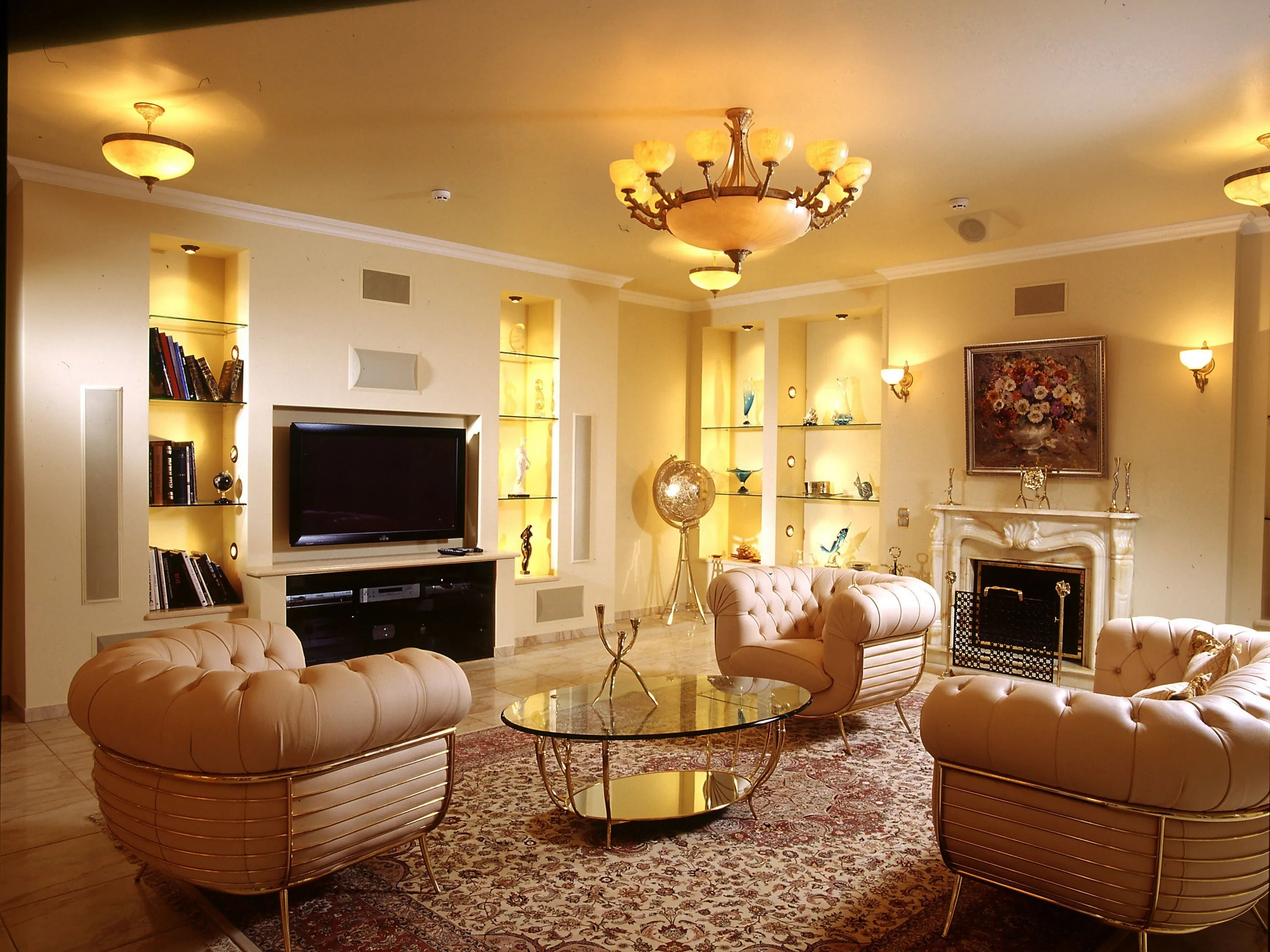
Luxury Living Room Furniture
High-end pieces spanning modern, neo-classical, and Italian Gothic styles — craftsmanship, leathers, and refined artistry.
Read More →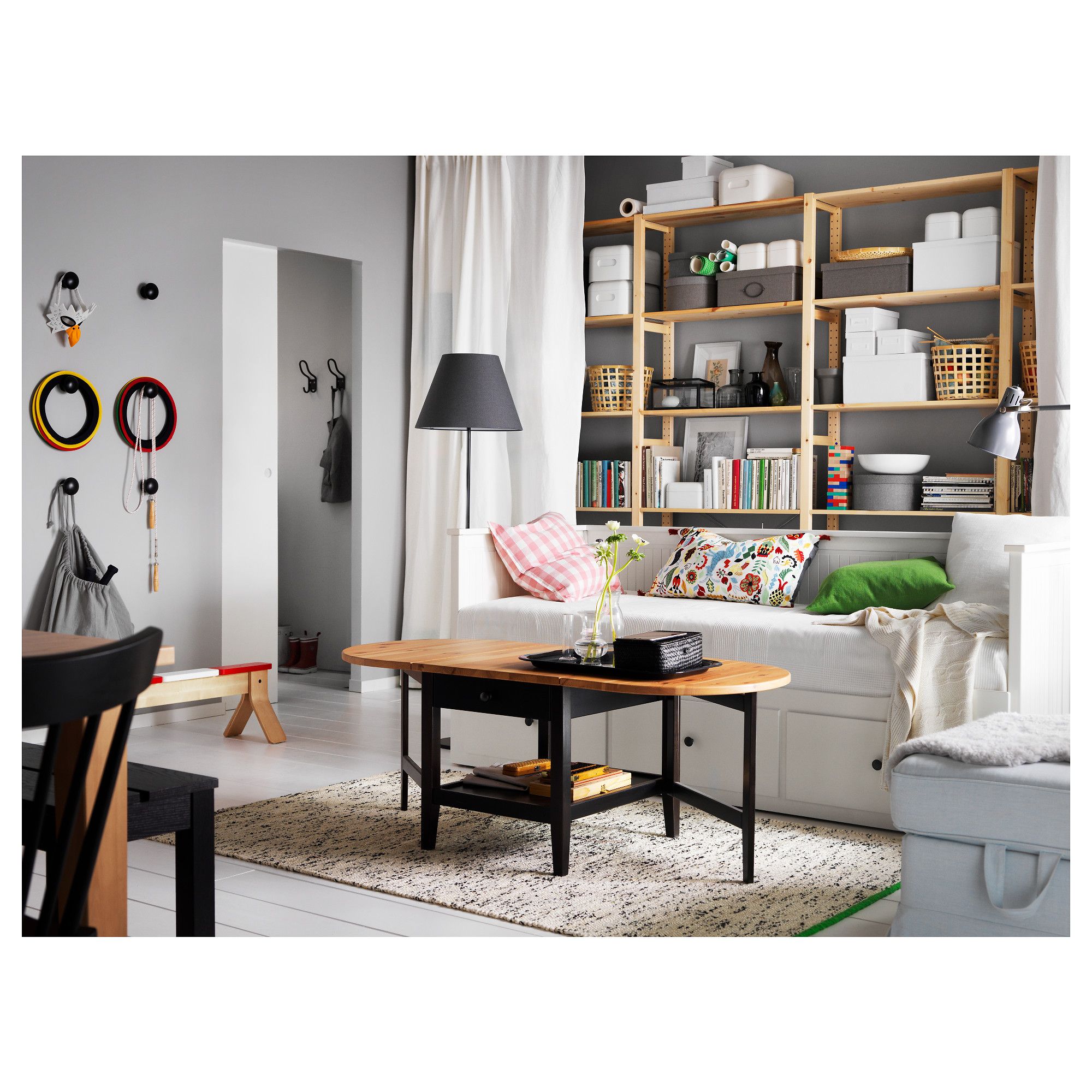
White Living Room Storage Cabinets
Sideboards, curio cabinets, and high-gloss storage units that blend practical organization with decorative appeal.
Read More →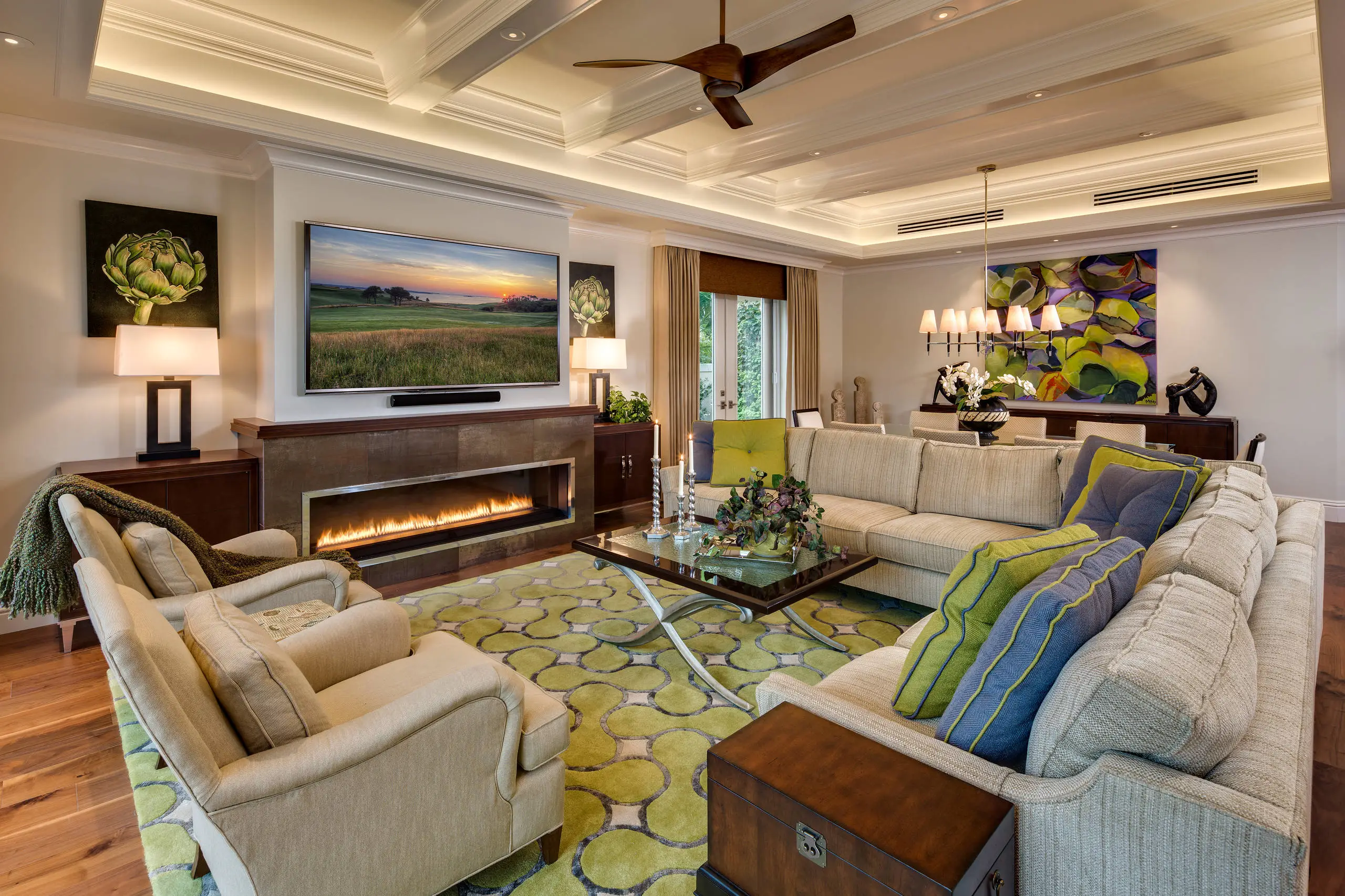
Living Room Decor Essentials
Rugs, pillows, art, lamps, and accent pieces that add layers of color, texture, and personality to any living space.
Read More →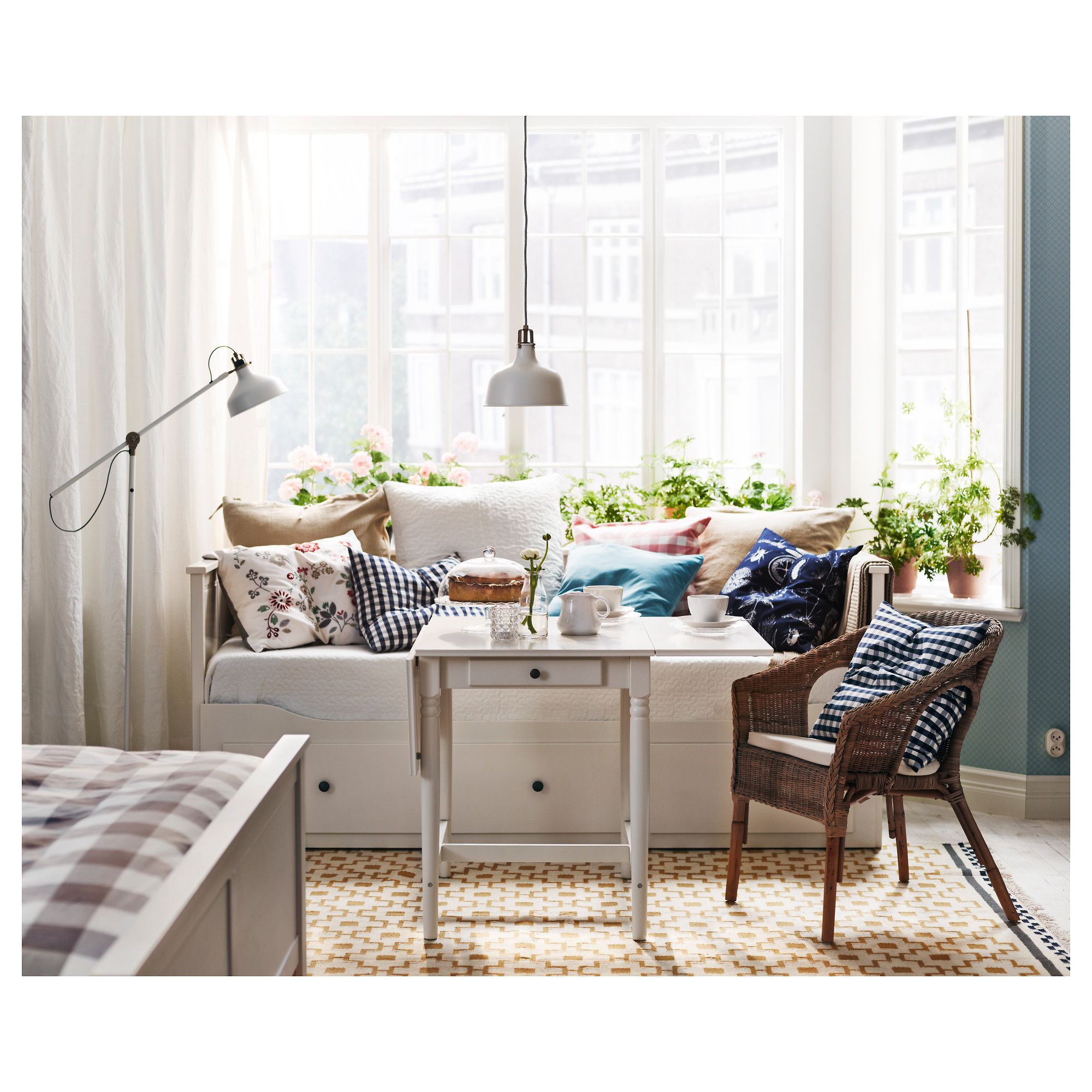
Natural Living Room Decor
Earthy elements, house plants, rustic touches, and organic materials that bring warmth and nature indoors.
Read More →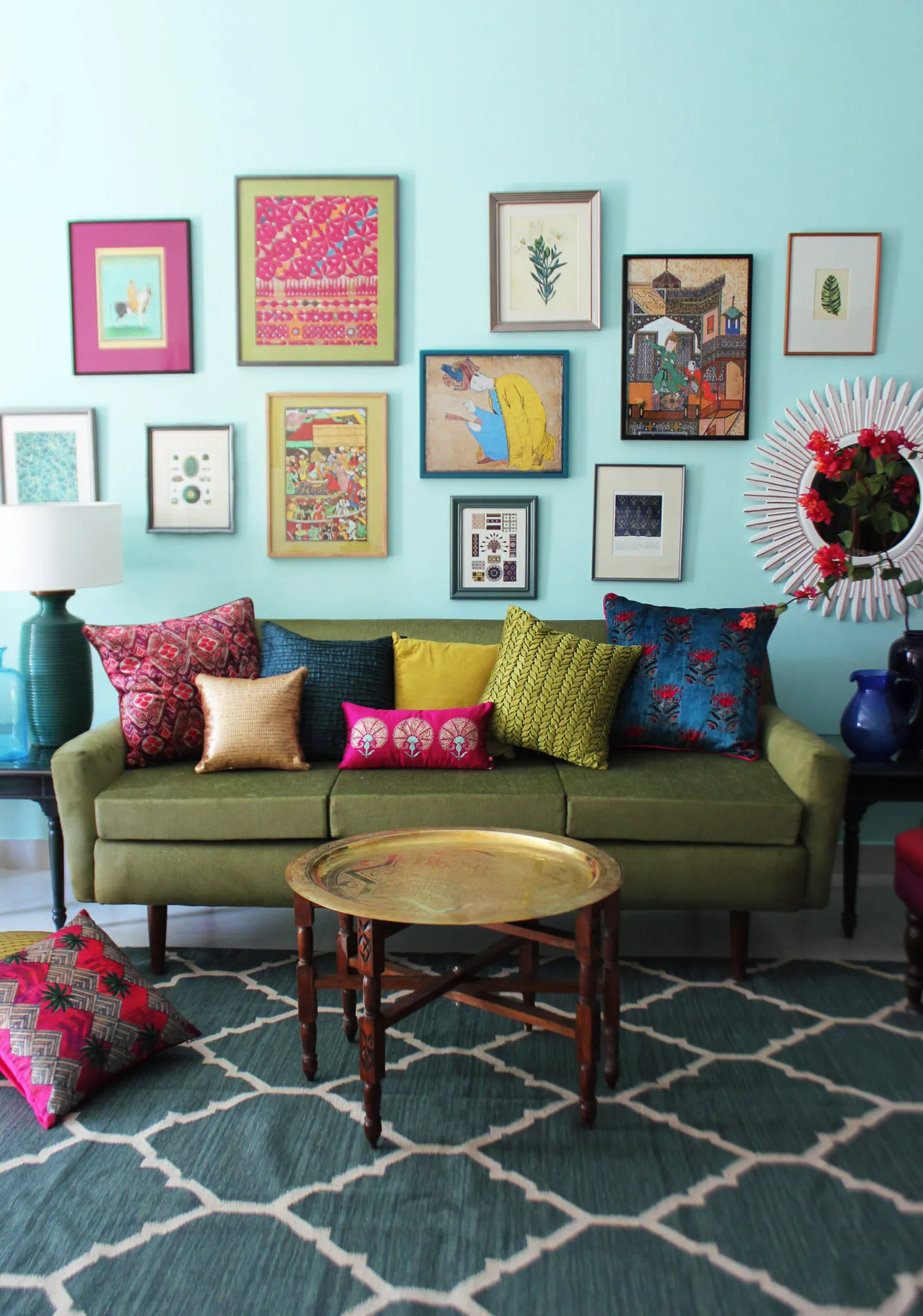
Living Room Ideas: Velvet Sofa
From classic red to trending green and blue, explore how a velvet sofa can transform your living room's character.
Read More →