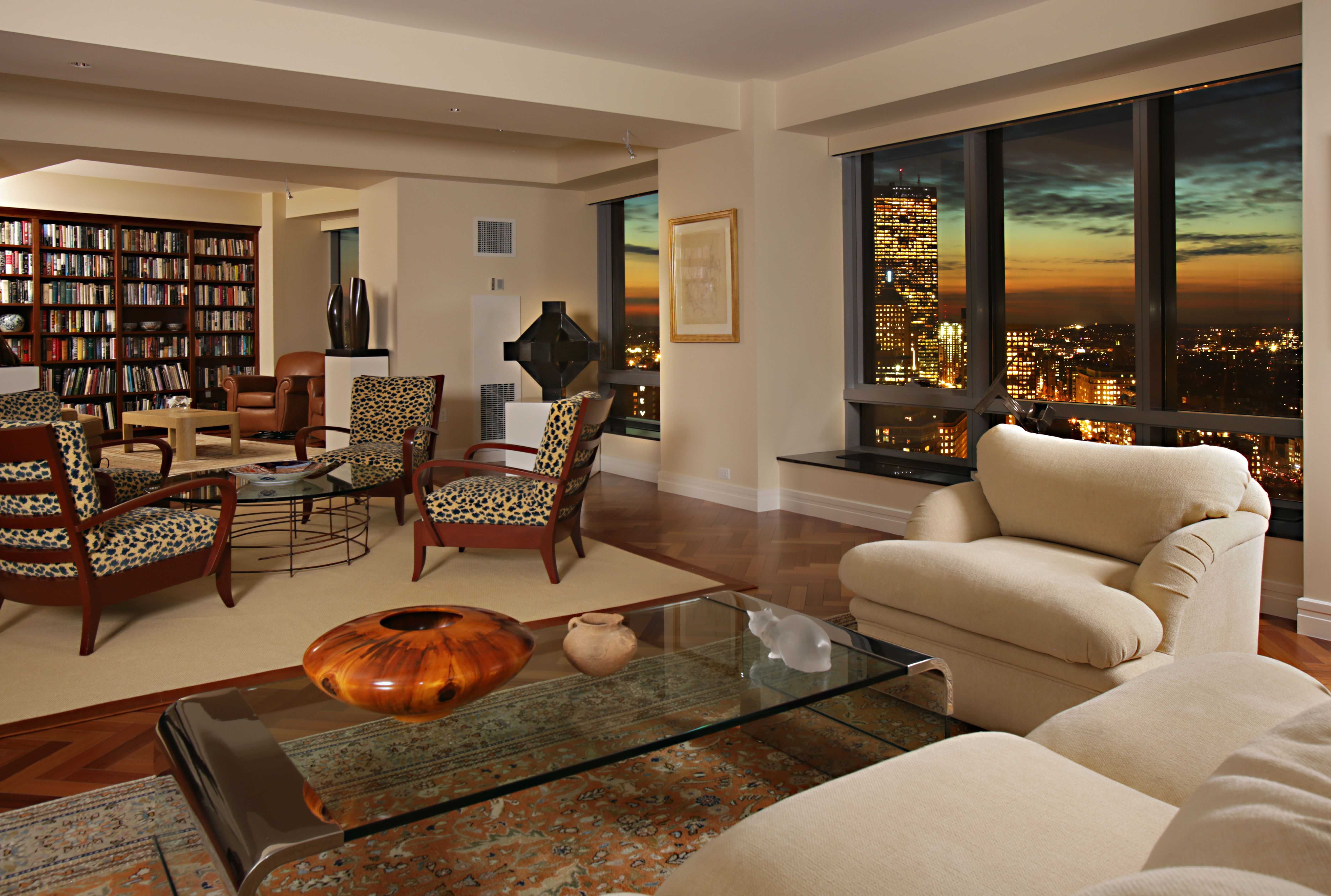
Living Room Design Ideas & Inspiration
Kumpulan Informasi, Tips dan Trik Terlengkap dan Terpercaya — explore curated ideas for sofas, storage, decor, and every style in between.
Explore Ideas →Get Design Inspiration
Tell us what you're looking for and we'll point you to the best articles.
Adding Wainscoting to Your Living Room for Texture
A living room can feel finished yet visually flat when every wall is painted in one uninterrupted color. Wainscoting introduces a layer of architectural detail that catches light, defines the lower half of the room, and gives plain walls a crafted appearance. It works in traditional homes, modern apartments, coastal interiors, and relaxed family spaces.
The best results come from treating wall paneling as part of the room’s overall composition. The profile should relate to the sofa, flooring, doors, shelving, and ceiling height, while the paint finish should support the atmosphere you want to create. A thoughtful installation can make a compact room feel more polished without filling it with extra furniture.
Wainscoting can also solve practical decorating problems. It protects walls from scuffs near seating areas, creates a visual boundary for color, and gives artwork or mirrors a stronger backdrop. Whether you choose raised panels, beadboard, or simple applied molding, the feature should feel intentional rather than added as an afterthought.
Why Wainscoting Changes A Room
Wall molding adds shadows and highlights that flat paint cannot provide. Even a simple arrangement of narrow battens can create rhythm across a broad wall, while recessed or raised panels bring a more formal sense of proportion. This texture becomes especially noticeable beside soft upholstery, woven rugs, and smooth wood furniture.
The treatment can also influence how the room appears. Vertical paneling may emphasize ceiling height, while horizontal rails can make a narrow wall seem wider. Full-height paneling creates a strong architectural statement, but dado-height wainscoting is often easier to balance with existing furniture and less demanding in a small living room.
Think about sightlines before selecting a design. A panel rail that runs behind a sofa should align with nearby door trim, windowsills, or built-in shelving whenever possible. Consistent lines make the room feel considered, even when the molding itself is modest.
Select A Profile And Height
Traditional raised panels suit rooms with crown molding, classic furniture, and tailored fabrics. Beadboard creates a lighter, cottage-inspired effect and pairs naturally with painted wood, linen, rattan, and casual seating. Flat wall panels with slim battens offer a cleaner look for contemporary spaces and can be installed in evenly spaced rectangles or vertical strips.
Dado-height wainscoting generally reaches between one-third and one-half of the wall, though the correct measurement depends on ceiling height and furniture scale. A very low rail may look accidental, while an overly high rail can make the upper wall feel compressed. Use a chair, console, or sofa back as a visual reference, but leave enough exposed wall above it for artwork and breathing space.
In a room with low ceilings, avoid busy panel profiles and thick rails. A narrow molding painted in the same color as the wall will add texture without creating a heavy horizontal break. Taller rooms can support deeper panels, contrasting paint, or a more decorative cap molding.
Pair Color With Texture
Painting the paneling and upper wall in one shade creates quiet depth. The changing surfaces catch light differently, so a soft white, warm greige, muted sage, or dusty blue can feel richer than it would on a smooth wall. This monochromatic approach is useful when the living room already contains patterned upholstery or colorful artwork.
For stronger contrast, keep one area calm. A white upper wall with charcoal, navy, or forest-green lower paneling makes the architecture prominent, while a darker wall above and lighter wainscoting below creates a cozier, grounded effect. Test samples throughout the day because natural and artificial light can shift the apparent undertone.
Finish level matters as much as color. Satin or eggshell paint is easier to wipe clean on lower walls, while a low-sheen finish above can reduce glare. If you are building a relaxed, earthy scheme, use the paneling as a foundation for natural decorating ideas such as timber accents, wool textiles, ceramic lamps, and leafy plants.
Compare Wainscoting Styles
Different paneling treatments create distinct visual effects, so the right choice depends on the architecture and mood of the living room. Consider how much detail the space can support and how closely the treatment should relate to existing trim.
The table below offers a quick comparison before you commit to materials, spacing, or paint colors.
| Wainscoting Style | Visual Character | Best For | Design Note |
|---|---|---|---|
| Raised Panel | Formal and traditional | Classic homes and tailored rooms | Works well with crown molding and substantial furniture |
| Beadboard | Casual and textured | Cottage, coastal, and farmhouse interiors | Use narrow boards for a finer, more refined effect |
| Board And Batten | Graphic and architectural | Modern, transitional, and spacious rooms | Keep spacing consistent for a clean finish |
| Flat Panel | Simple and versatile | Minimalist or contemporary living rooms | Looks sophisticated in a single deep color |
| Picture Frame Molding | Decorative and elegant | Apartments and rooms needing surface detail | Applied trim can add character without major construction |
Plan Installation Around The Room
Before cutting materials, map the wall with painter’s tape. Mark the proposed rail height, panel widths, electrical outlets, vents, and the locations of large furniture pieces. This test reveals whether the pattern will terminate awkwardly at a corner or clash with a radiator, fireplace, or doorway.
Existing trim deserves special attention. Wainscoting should meet door casings cleanly, and the top rail should have enough thickness to look deliberate. In some rooms, replacing thin baseboards with deeper trim creates a better foundation for the panels. Caulked joints and carefully filled nail holes are essential because uneven seams become visible once light hits the surface.
For a rental or low-commitment update, removable molding systems or thin adhesive battens can deliver a similar effect. In a permanent renovation, moisture-resistant MDF, solid wood, or paint-grade trim may be more suitable. Let materials acclimate indoors, and check the wall for level before assuming that the floor or ceiling provides a straight reference.
Style Furniture Around The Panels
Wainscoting should support the living room layout rather than compete with it. Place sofas, occasional chairs, and cabinets so the panel pattern remains visible in selected areas. A long sofa can emphasize a continuous rail, while a narrow console can make a paneled wall feel like a designed focal point.
Use artwork with enough contrast to stand apart from the molding. Oversized pieces work well above low wainscoting, while a collection of smaller frames can follow the rhythm of individual panels. Mirrors are effective in darker rooms because they reflect both the wall texture and available light.
Lighting will reveal the quality of the installation. Wall sconces positioned above the rail can highlight vertical lines, and floor lamps can cast gentle shadows across the panels. Avoid placing intense downlights directly against a wall with uneven surfaces, since harsh illumination may exaggerate gaps or inconsistent caulking.
Practical Choices For A Polished Finish
A successful paneling project depends on proportion, preparation, and restraint. Keep these recommendations in mind:
- Match the paneling style to existing door trim, baseboards, and architectural details.
- Use painter’s tape to test height, spacing, and furniture relationships before installing anything.
- Choose a washable finish for lower walls in busy family rooms or homes with pets.
- Repeat the panel color in cushions, curtains, artwork, or small accessories for visual unity.
- Leave enough plain wall above the rail to prevent the room from feeling crowded.
The feature does not need to cover every wall. Installing it behind the sofa, around a fireplace, or along the most visible wall can create a focal point while keeping the rest of the room calm. In open-plan spaces, a paneled section can also define the living area without relying on a partition.
Texture is most effective when it feels connected to the room’s daily life. Select durable materials, allow the furniture layout to guide the pattern, and use color to support the atmosphere rather than overpower it. With careful planning, wainscoting can turn an ordinary living room wall into a lasting architectural feature.
Bring a sample panel, paint swatches, and your room measurements together before beginning the project, then build the design around the details that already make your living room feel like home.
What We Cover
Living Room Topics & Ideas
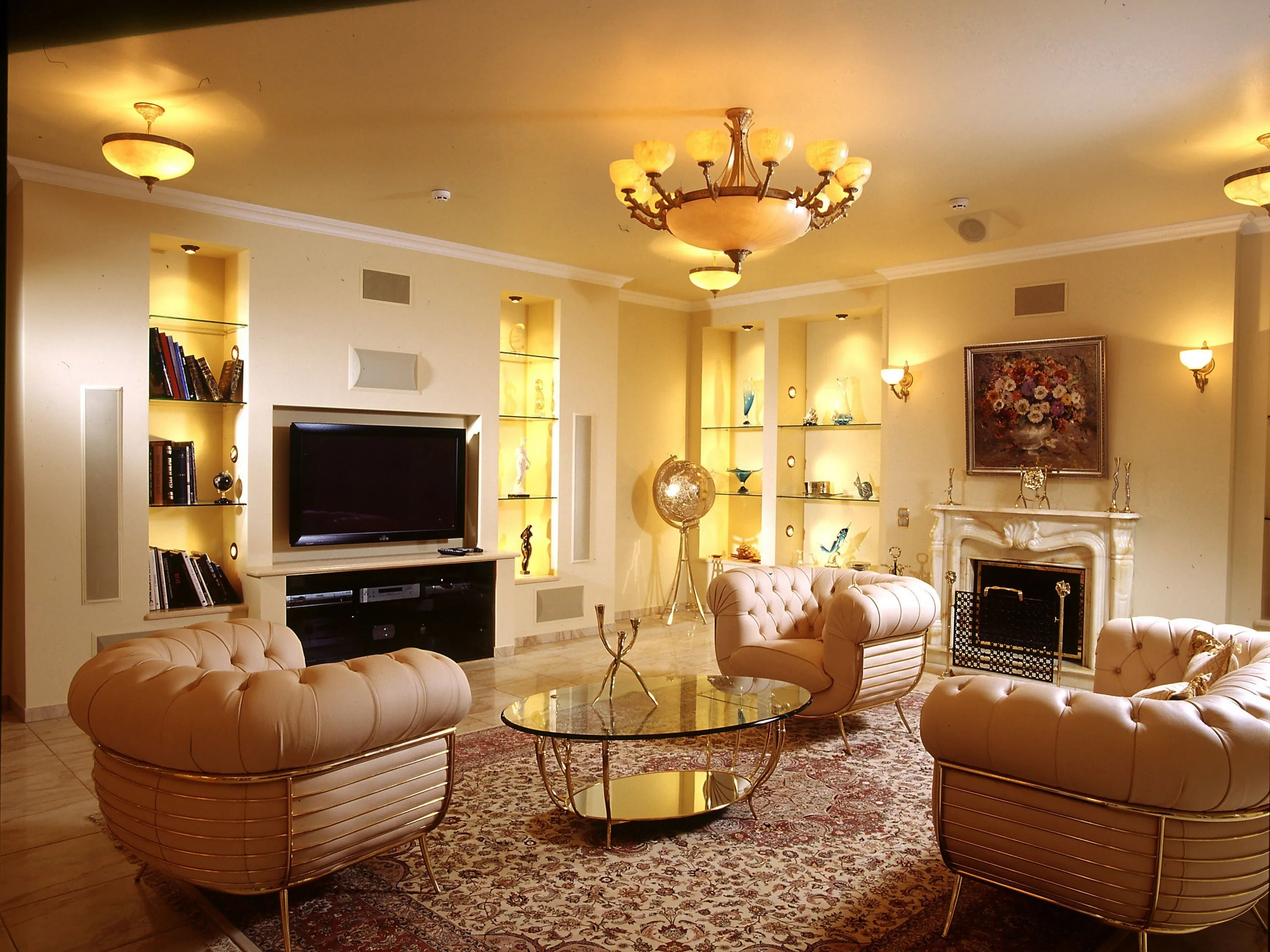
Luxury Living Room Furniture
High-end pieces spanning modern, neo-classical, and Italian Gothic styles — craftsmanship, leathers, and refined artistry.
Read More →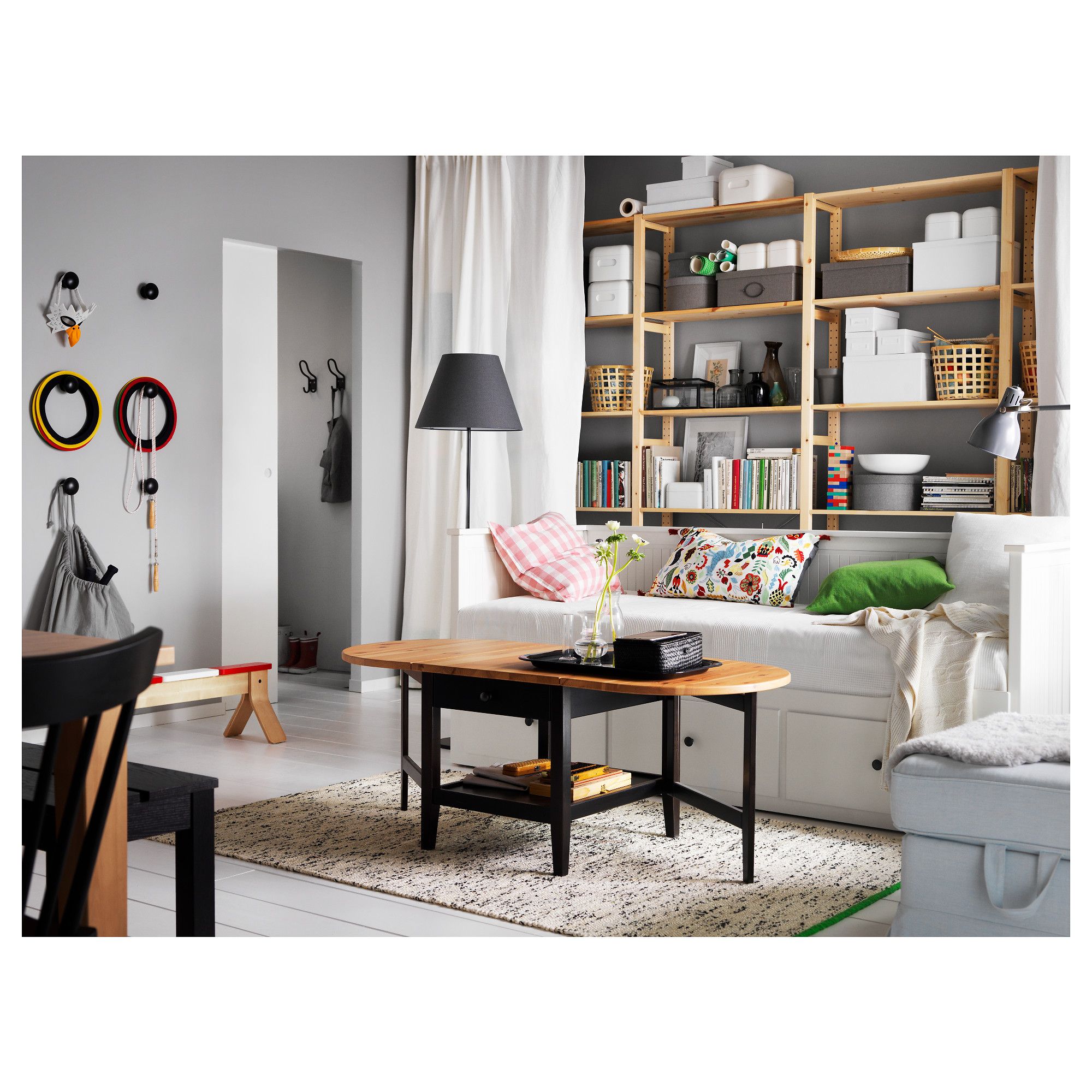
White Living Room Storage Cabinets
Sideboards, curio cabinets, and high-gloss storage units that blend practical organization with decorative appeal.
Read More →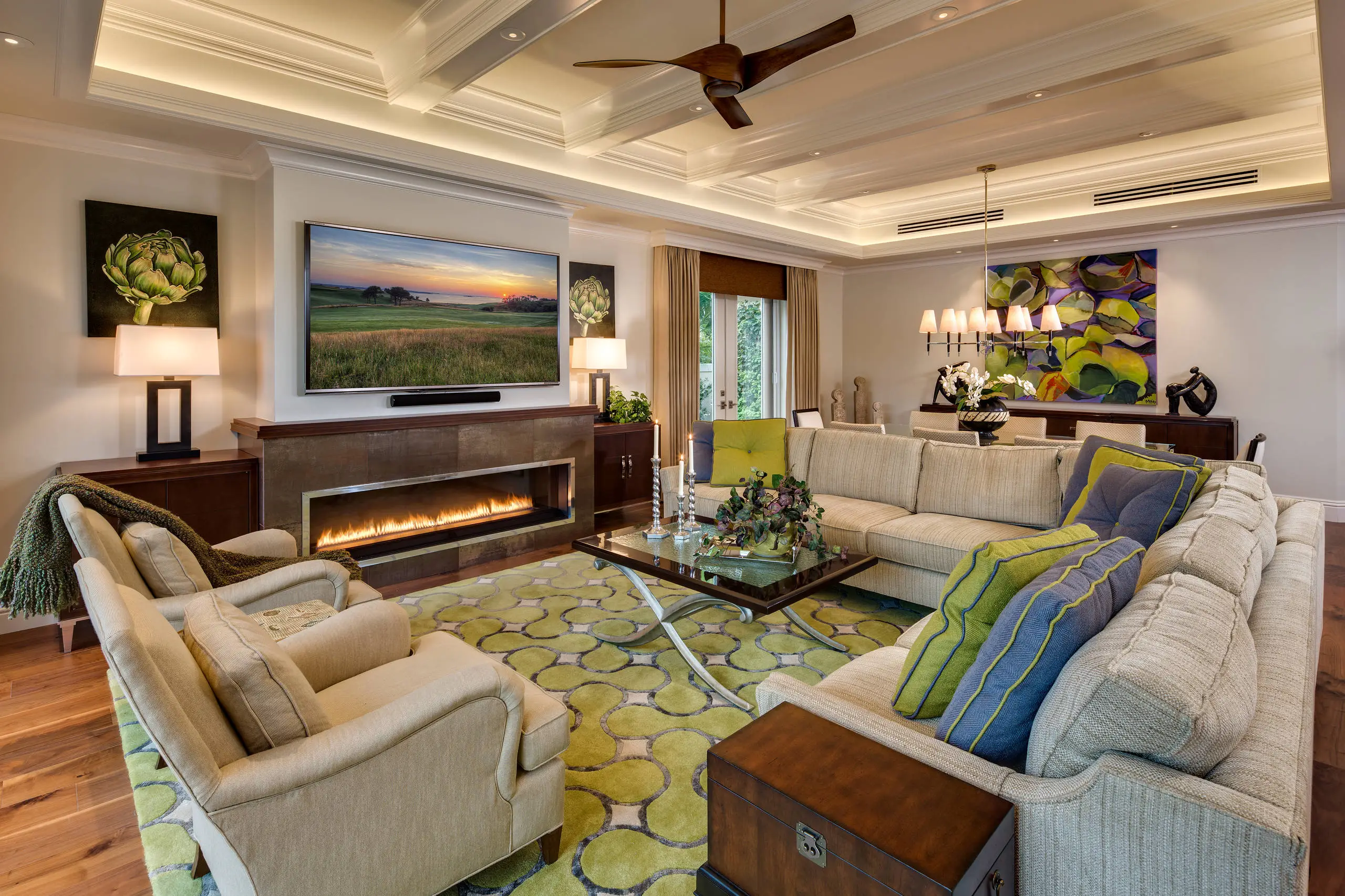
Living Room Decor Essentials
Rugs, pillows, art, lamps, and accent pieces that add layers of color, texture, and personality to any living space.
Read More →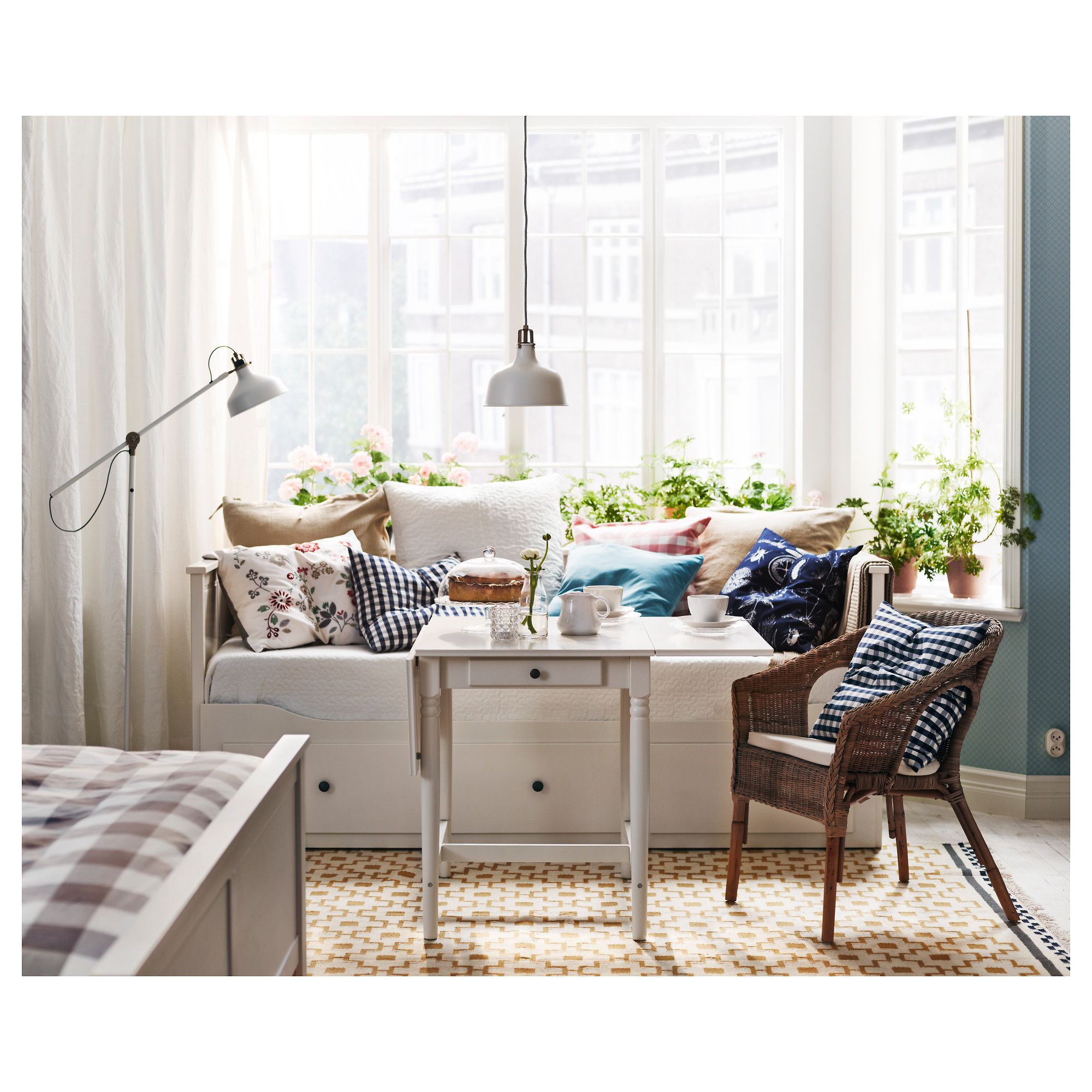
Natural Living Room Decor
Earthy elements, house plants, rustic touches, and organic materials that bring warmth and nature indoors.
Read More →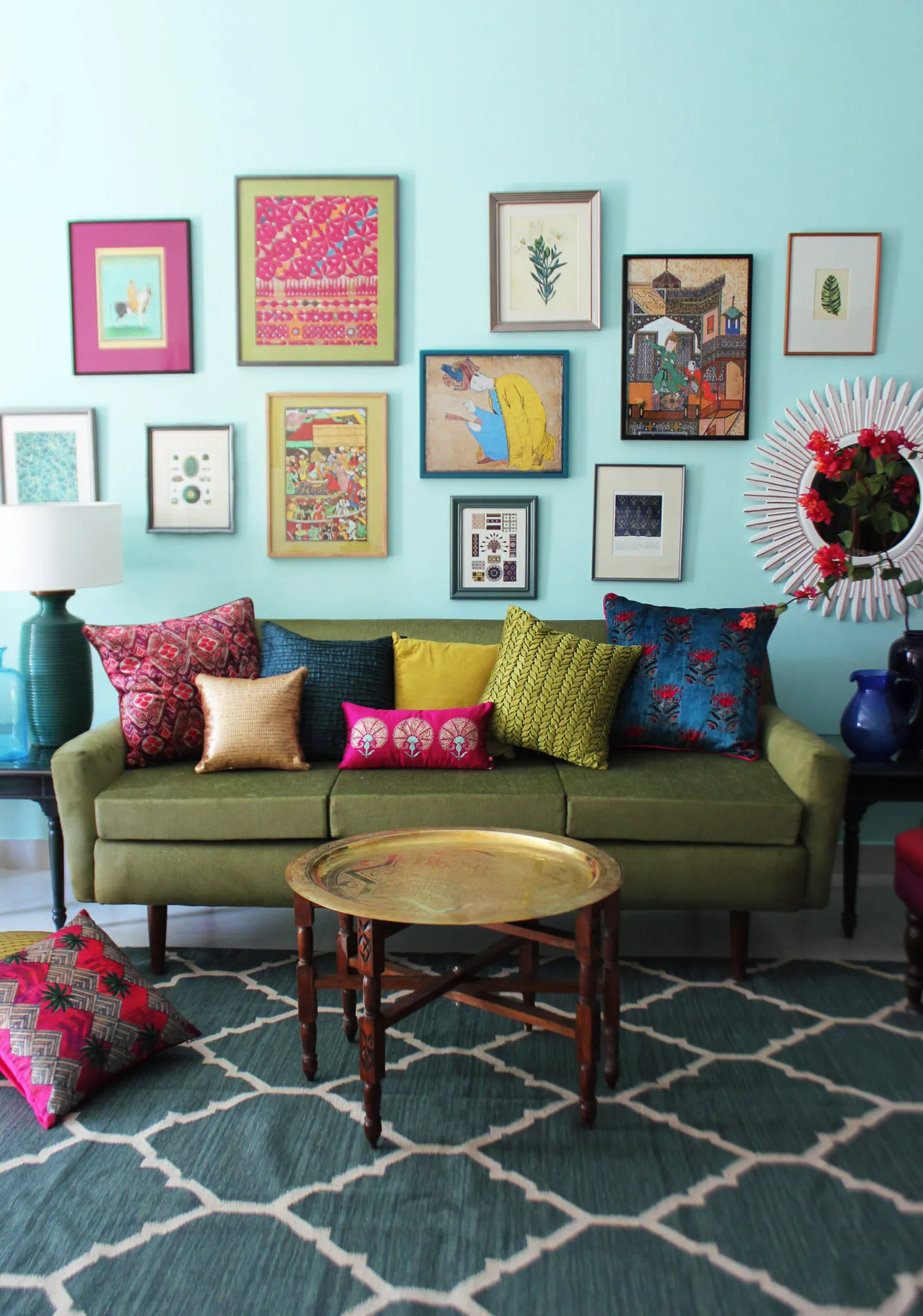
Living Room Ideas: Velvet Sofa
From classic red to trending green and blue, explore how a velvet sofa can transform your living room's character.
Read More →