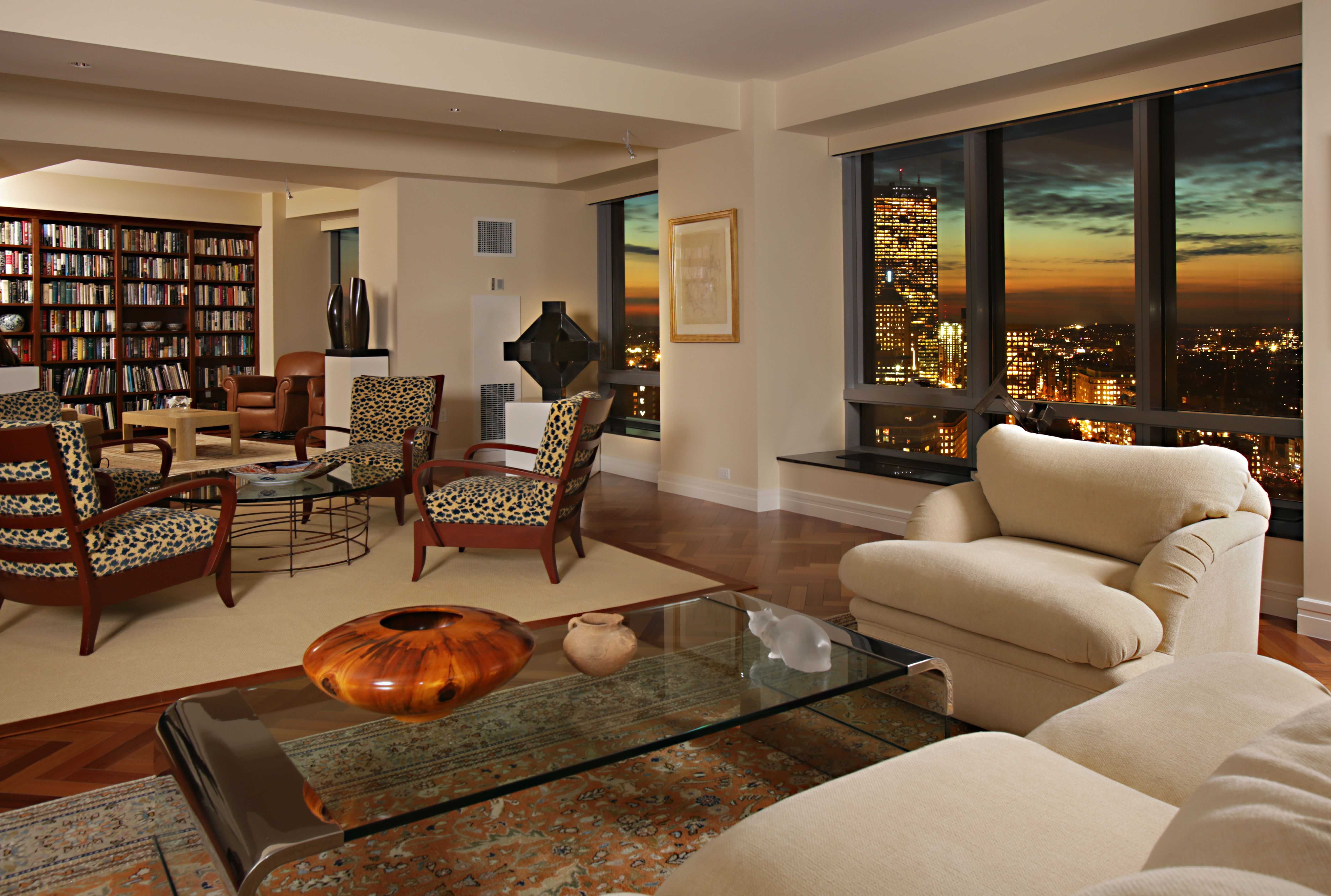
Living Room Design Ideas & Inspiration
Kumpulan Informasi, Tips dan Trik Terlengkap dan Terpercaya — explore curated ideas for sofas, storage, decor, and every style in between.
Explore Ideas →Get Design Inspiration
Tell us what you're looking for and we'll point you to the best articles.
8 coffee table styles that define your living room aesthetic
A coffee table does far more than fill the space between a sofa and an armchair. Its shape, material, height, and visual weight influence how the entire seating area feels. The right design can make a room appear warmer, more spacious, more polished, or distinctly more personal.
Because it sits at the center of the living room, this piece often becomes an anchor for rugs, lighting, books, trays, and decorative objects. It also needs to work practically, offering enough surface area for everyday use without interrupting movement through the room.
These eight coffee table styles cover a range of interior preferences, from relaxed organic rooms to elegant contemporary spaces. Use them as a starting point when planning a furniture arrangement or refreshing an existing lounge.
Mid-century modern simplicity
A mid-century modern coffee table usually features clean lines, tapered legs, and a modest profile. Walnut, teak, and warm oak are common choices, often paired with an oval, rectangular, or softly rounded top. The design feels light and refined without appearing overly formal.
This style works especially well with streamlined sofas, textured upholstery, and vintage-inspired lighting. Choose a table with exposed legs if you want to preserve an airy appearance, particularly in a compact living room. A simple ceramic bowl or a small stack of art books can complete the look without cluttering its uncluttered silhouette.
Round pedestal forms
Round pedestal tables bring softness to seating arrangements dominated by straight lines. Instead of four separate legs, the tabletop rests on a central base, creating a sculptural shape and allowing chairs or sofas to sit more comfortably around it.
A circular design is useful in homes where people move frequently through the room because it eliminates sharp corners. Look for a bold pedestal in painted wood, stone, or composite material if you want the table to become a focal point. Pair it with a round rug to emphasize the room’s geometry, or place it on a rectangular rug for a more layered effect.
Rustic and organic wood
For a relaxed, natural atmosphere, few options have the warmth of a solid wood coffee table. Live-edge slabs, chunky farmhouse designs, reclaimed timber, and rough-sawn oak all add character through visible grain, knots, and natural variation.
Organic wood tables suit linen sofas, woven baskets, jute rugs, and earthy color palettes. Their informal texture can also soften a modern room filled with glass, polished concrete, or black metal. Since wood already provides visual interest, keep accessories restrained and let the surface remain partly visible.
Glass and metal combinations
Glass coffee tables create a lighter visual footprint than many solid alternatives. A transparent top allows the rug beneath to remain visible, which can help a small living room feel open. Metal legs in chrome, brass, matte black, or brushed steel determine whether the piece appears glamorous, industrial, or contemporary.
This style is a strong choice for rooms with dramatic flooring or a patterned rug that deserves attention. Tempered glass is preferable for everyday use, especially in homes with children or pets. To keep the surface from looking cold, introduce tactile elements such as a woven tray, a soft vase, or a small wooden box.
| Style | Best for | Common materials | Design effect |
|---|---|---|---|
| Mid-century modern | Streamlined, vintage-inspired rooms | Walnut, teak, oak | Warm and refined |
| Round pedestal | Flexible seating arrangements | Wood, stone, composite | Sculptural and soft |
| Rustic organic | Relaxed, nature-led interiors | Reclaimed or solid wood | Warm and characterful |
| Glass and metal | Small or contemporary spaces | Tempered glass, steel, brass | Open and polished |
| Marble | Sophisticated, layered rooms | Marble, quartz, stone | Luxurious and substantial |
| Nesting tables | Adaptable family living rooms | Wood, metal, glass | Flexible and dynamic |
| Lift-top storage | Practical multifunctional spaces | Engineered wood, veneer, fabric | Useful and space-conscious |
| Ottoman table | Comfortable, informal seating areas | Upholstery, leather, wood | Soft and inviting |
Marble and stone statements
Marble coffee tables add natural pattern and a sense of permanence. White marble with gray veining feels elegant and bright, while dark stone creates a more dramatic foundation. Travertine and limestone offer softer variation for interiors that favor warm neutrals and quiet texture.
Because stone is visually substantial, balance it with lighter furniture or an open base. A thin stone top on metal legs feels more contemporary than a thick monolithic block. Seal porous materials properly and use coasters or trays to protect the surface from stains, heat, and moisture.
Nesting tables for flexibility
Nesting coffee tables consist of two or more coordinated surfaces that slide beneath one another. They can be grouped into a layered centerpiece or separated when guests need additional places to set drinks and snacks. This makes them particularly effective in busy living rooms.
Choose nesting tables with different heights, materials, or shapes for a more collected appearance. A pair of round tables can soften a boxy sectional, while rectangular pieces may complement a long sofa. When the room needs extra floor space, simply tuck the smaller table beneath the larger one.
Lift-top and storage designs
A coffee table with drawers, shelves, or a lift-top mechanism is ideal when the living room needs to perform several functions. It can conceal remote controls, magazines, toys, and blankets while providing a surface for working, dining, or playing games.
Storage furniture does not have to look purely practical. Slatted doors, cane panels, fluted fronts, and attractive hardware can give a functional table a strong decorative identity. Keep the top relatively clear so the room feels organized, and use internal compartments to prevent everyday items from spreading across the seating area.
Upholstered ottoman tables
An upholstered ottoman serves as a coffee table, footrest, extra seat, and soft visual counterpoint to structured furniture. Choose performance fabric for a family room, leather for a tailored appearance, or boucle and velvet for a more expressive scheme.
A large tray turns an ottoman into a stable place for drinks, candles, and decorative accessories. Select a shape that leaves enough room around the edges for the upholstery to remain visible. In homes with children, rounded corners and soft construction can be safer than a hard-edged wooden or stone table.
Matching the table to the room
The best coffee table style supports the proportions and habits of the room rather than competing with them. A large sectional usually needs a generously scaled rectangular or oval table, while a compact sofa may look better with a small round or nesting design. Leave roughly 14 to 18 inches between the table and surrounding seating to maintain comfortable circulation.
Color matters as much as shape. Repeat a wood tone already found in flooring or shelving for cohesion, or introduce black, brass, stone, or upholstery as a deliberate accent. For broader planning ideas involving sofas, storage, and decorative details, explore living room inspiration before committing to a single centerpiece.
A practical styling checklist
Before buying, assess how the table will function every day and how it will relate to the rest of the furniture. These simple guidelines can help narrow the choices:
- Measure the sofa, rug, and walking paths before selecting a tabletop size.
- Choose rounded edges for busy households or narrow circulation routes.
- Match the table’s visual weight to the sofa so neither piece overwhelms the other.
- Add storage when the room lacks space for books, remotes, and blankets.
- Use a tray to organize accessories and protect delicate surfaces.
A well-chosen table should leave enough open space for movement while giving the seating area a finished appearance. Consider maintenance as well: glass shows fingerprints, marble needs care, and pale upholstery may require protective treatment.
Treat the coffee table as the living room’s central design decision, not an afterthought. Compare shapes, materials, storage needs, and proportions, then choose the piece that makes daily life easier while expressing the mood you want the room to convey. Start exploring ideas and plan a more cohesive seating area through Sibabeh’s living room design resources.
What We Cover
Living Room Topics & Ideas
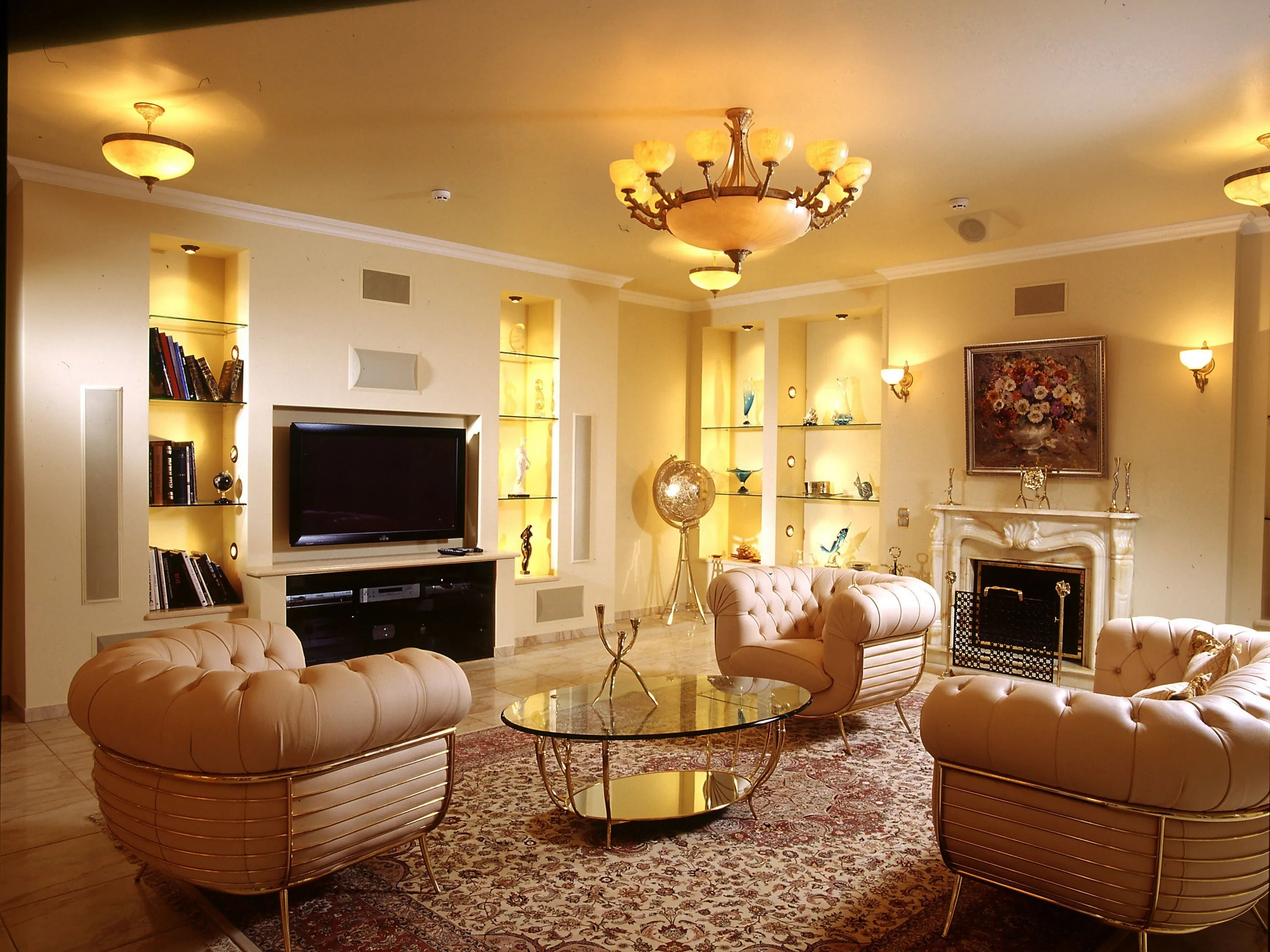
Luxury Living Room Furniture
High-end pieces spanning modern, neo-classical, and Italian Gothic styles — craftsmanship, leathers, and refined artistry.
Read More →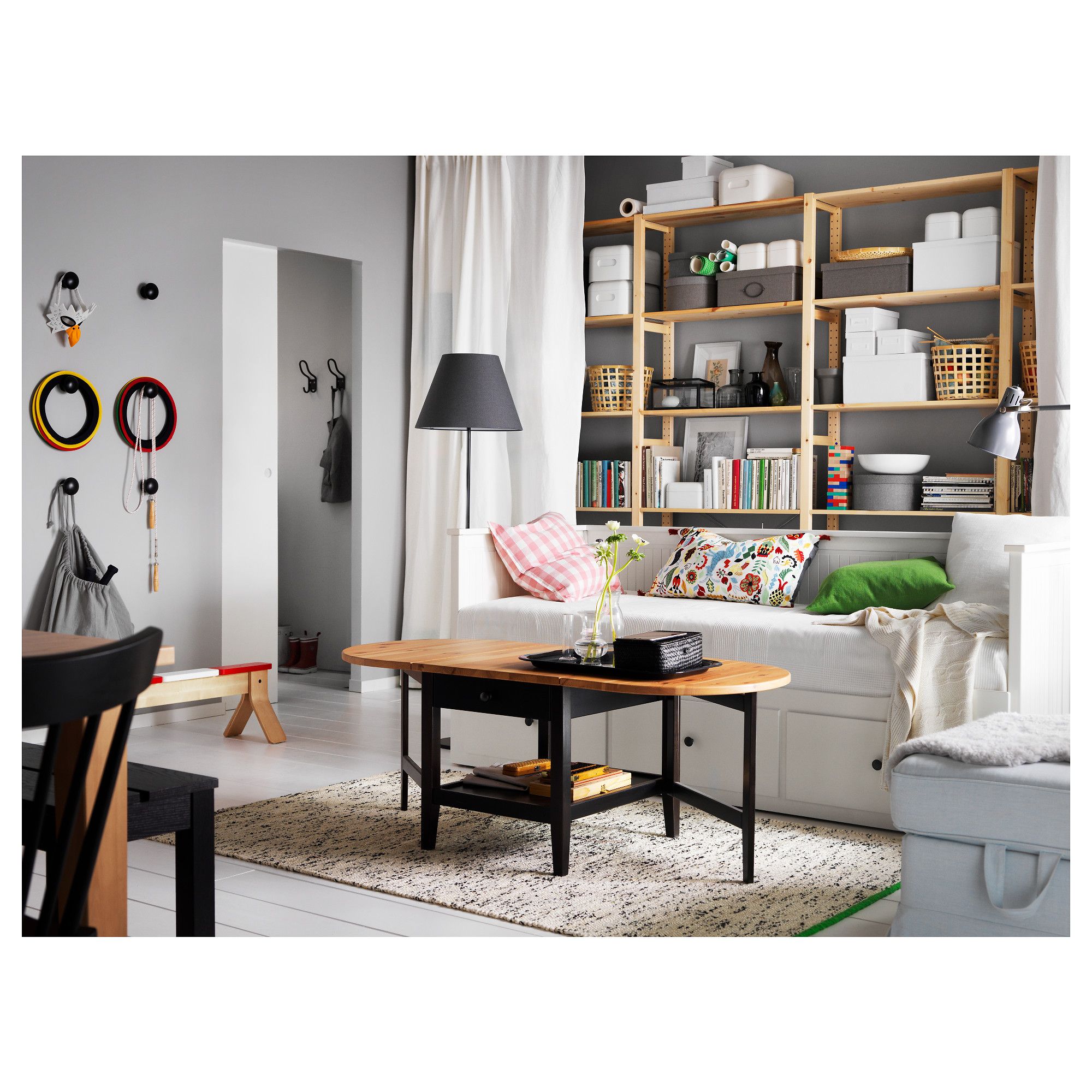
White Living Room Storage Cabinets
Sideboards, curio cabinets, and high-gloss storage units that blend practical organization with decorative appeal.
Read More →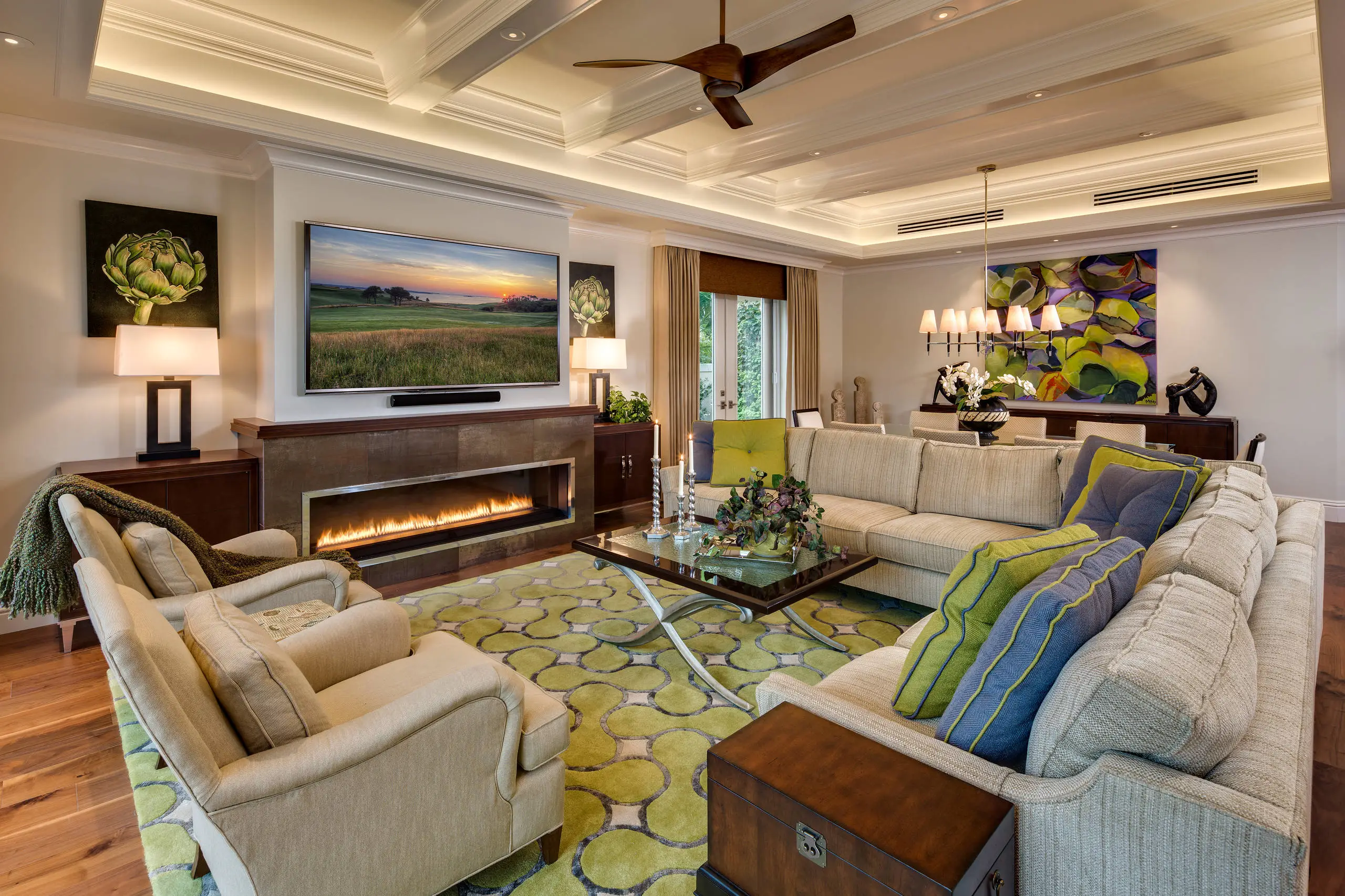
Living Room Decor Essentials
Rugs, pillows, art, lamps, and accent pieces that add layers of color, texture, and personality to any living space.
Read More →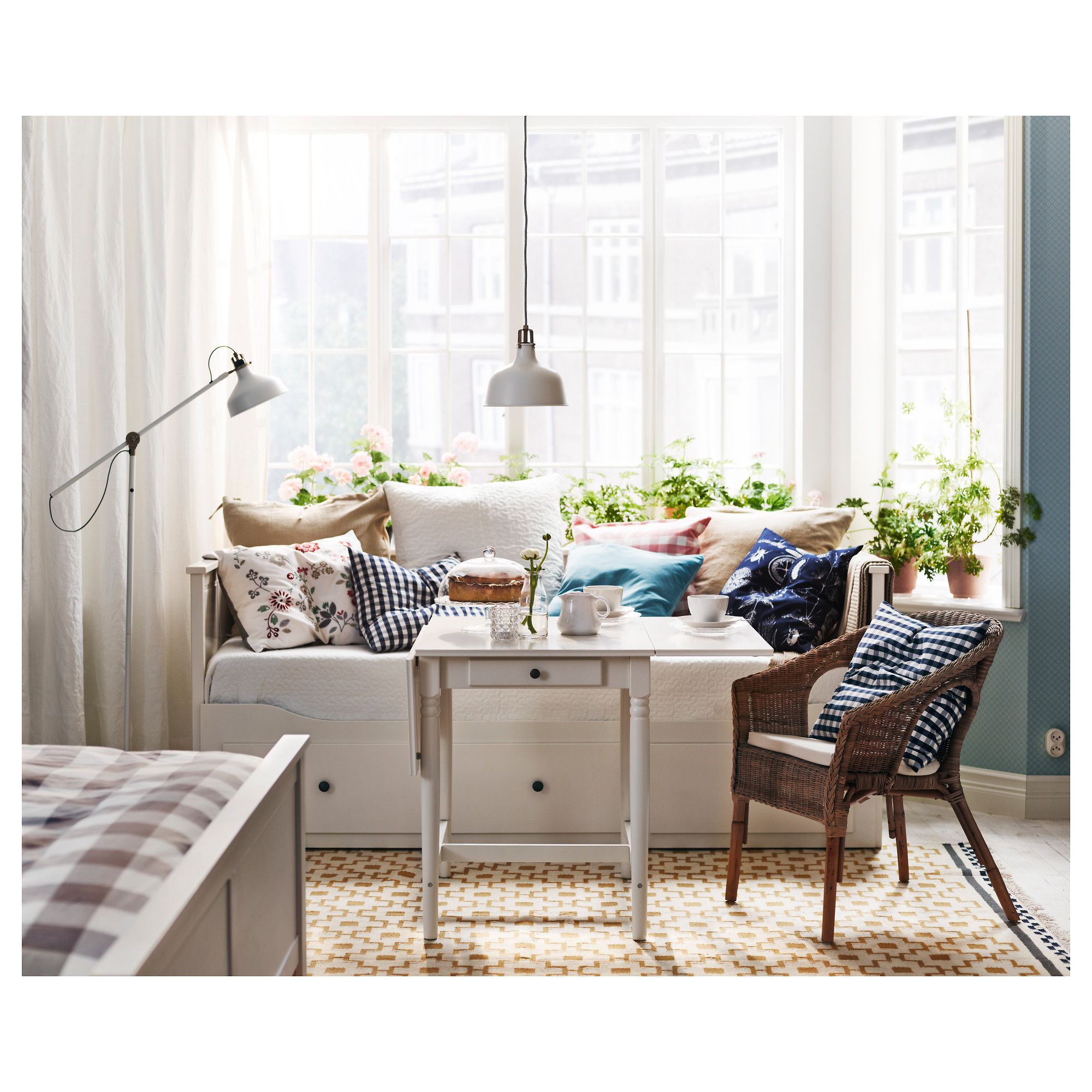
Natural Living Room Decor
Earthy elements, house plants, rustic touches, and organic materials that bring warmth and nature indoors.
Read More →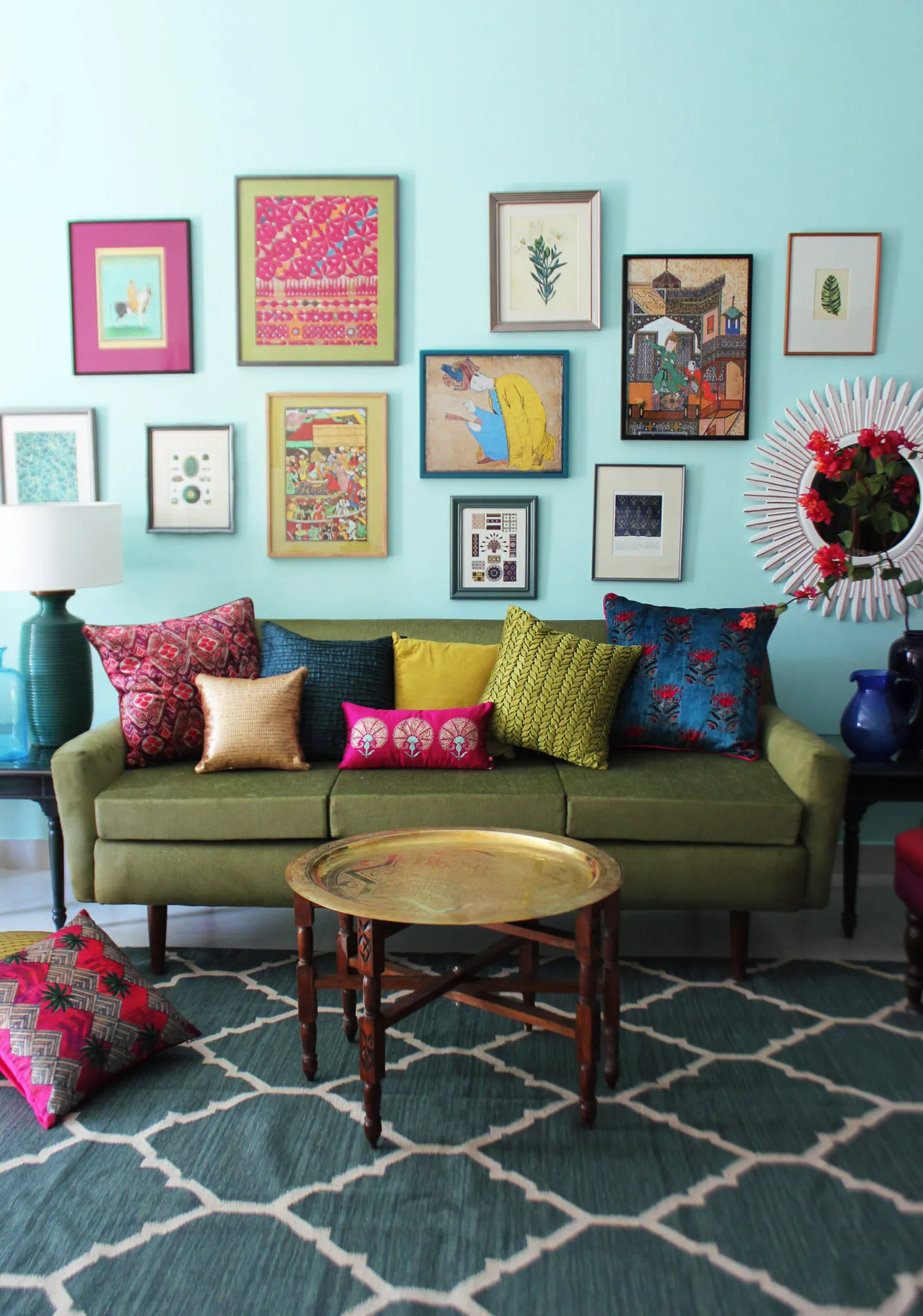
Living Room Ideas: Velvet Sofa
From classic red to trending green and blue, explore how a velvet sofa can transform your living room's character.
Read More →